
Why Textile Wastewater in Oman Needs a Dedicated Treatment Train
Textile mills in Sohar, Rusayl, and Salalah withdraw 100–200 L of process water per kilogram of finished fabric (MDPI Sustainability 2022), which translates to a daily plant flow of roughly 800–2,500 m³/day for a mid-sized weaving-and-dyeing mill producing about 20 tonnes of fabric per day. That water carries reactive dyes, polyvinyl-alcohol sizing, sodium sulphate, and hot rinse streams at 40–60 °C, and it is discharged under Oman EPA / MECA consent conditions issued pursuant to Royal Decree 46/94, the country's umbrella Law on Conservation of the Environment and Prevention of Pollution.
The consent conditions typically set numerical ceilings on pH (6–9), COD (≤ 200 mg/L), BOD₅ (≤ 50 mg/L), TSS (≤ 50 mg/L), TDS, color (visible-dilution factor at a defined ratio), and residual chlorine. Two parameters drive almost every equipment choice downstream: dissolved salts from the dye bath, and residual color from azo and reactive dyestuffs. The conventional municipal activated-sludge train does not remove either.
In parallel, groundwater allocations in the Batinah coast and Aflaj-dependent interior are tightening under Oman's 2040 water-stress strategy, and several industrial estates now require a documented reuse fraction before a new mill is approved. Discharge compliance is no longer just a regulatory checkbox — it is the difference between a mill that secures a water allocation and one that does not. For a procurement engineer in 2026, that means the treatment train must be designed for both Oman EPA discharge limits and the stricter reuse envelope (COD ≤ 50 mg/L, TDS ≤ 500 mg/L) from day one.
Influent and Effluent Envelope for an Omani Textile Mill
Raw textile influent is not a single stream — it is a blend of alkaline sizing wash, acidic dye-bath rinse, and hot soaping effluent, and the composition shifts hour by hour. The table below consolidates typical ranges for cotton, polyester, and blended lines operating in 35–45 °C ambient conditions, against the Oman EPA discharge envelope and a typical industrial reuse envelope.
| Parameter | Raw influent (typical) | Oman EPA discharge limit | Reuse envelope (cooling/boiler) |
|---|---|---|---|
| pH | 4–11 (batch swings) | 6–9 | 6.5–8.5 |
| COD (mg/L) | 800–2,500 | ≤ 200 | ≤ 50 |
| BOD₅ (mg/L) | 200–700 | ≤ 50 | ≤ 10 |
| TSS (mg/L) | 200–1,000 | ≤ 50 | ≤ 5 |
| TDS (mg/L) | 2,000–8,000 | Context-dependent (consent-driven) | ≤ 500 |
| Color (Pt-Co) | 500–3,000 | Visible at defined dilution | ≤ 5 Pt-Co (boiler) |
| Temperature (°C) | 40–60 | ≤ 40–45 at point of discharge | ≤ 30 (cooling) |
| Salinity / chloride (mg/L) | 500–3,000 | Consent-driven | ≤ 200 (boiler) |
Two design facts fall out of this envelope. First, the dye-house stream dominates the salt and color load while the weaving-house stream dominates the COD from sizing and PVA; a mixed mill must blend them before equalization rather than treat them separately unless a dedicated dye-bath recovery unit is justified. Second, the 40–60 °C raw temperature is a sizing driver for both DAF retention (warm water reduces microbubble efficiency) and MBR biology (mesophilic optimum is 30–38 °C), so a cooling step inside equalization is non-optional in Oman's climate (MDPI Sustainability 2022).
Stage 1 — Screening, Equalization, and DAF for Color, FOG, and Sizing
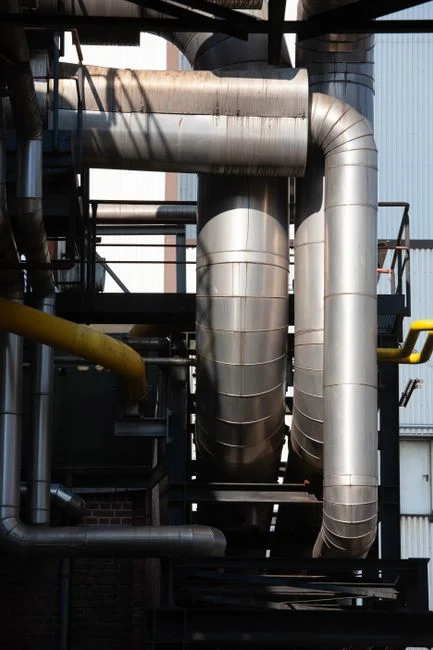
The headworks protect every downstream membrane and do most of the heavy lifting on suspended solids and colloidal sizing. A rotary mechanical bar screen with a 1–5 mm aperture is the standard first step, typically run continuously with a 24-hour duty cycle and automatic brush cleaning to strip fibers, lint, and plastic film before they reach the DAF or biological reactor. The screen protects MBR hollow-fiber modules from physical damage and reduces RO pre-filter loading by an order of magnitude.
Equalization follows, sized for at least 8–12 hours of hydraulic retention so that a peak dye-bath dump from one shift does not shock the biology in the next. In Oman, the basin must also act as a cooling buffer: ambient 35–45 °C plus process heat easily exceeds the 38 °C mesophilic ceiling, so a plate cooler or a chilled-water loop is typically integrated. Mechanical mixing at 0.3–0.5 m/s peripheral velocity keeps solids in suspension without shearing floc.
Dissolved air flotation is the workhorse pre-treatment for textile mills worldwide. A dissolved air flotation (DAF) unit saturates a side-stream at 4–6 bar with air, then releases it through needle valves to generate 20–80 µm micro-bubbles that carry suspended solids, oils, and colloidal PVA to the surface. The floated sludge is scraped at 5–10% dry solids, and the clarified underflow typically drops TSS by 70–90% and COD by 30–50% before biological treatment. A PLC-controlled chemical dosing skid feeds PAC coagulant (50–200 mg/L) and anionic polyacrylamide flocculant (1–5 mg/L) tied to a streaming-current probe, so the dose tracks influent variability instead of being locked at a lab value.
Stage 2 — Biological Treatment: MBR vs UASB vs SBR vs RBC for Hot-Climate Mills
Biological treatment is where the COD and most of the color are removed, and the choice of reactor defines everything downstream. The table below compares the four options a Sohar or Salalah EPC would realistically bid.
| Process | Configuration | Typical COD removal | Color removal | Footprint / sludge | Fit for Oman |
|---|---|---|---|---|---|
| UASB (anaerobic) | Upflow sludge blanket, HRT 12–48 h | > 90% (Somasiri et al., MDPI 2022) | ~92% (Somasiri et al., MDPI 2022) | Low footprint, low sludge yield, biogas credit | Strong for high-COD streams; needs post-polish for color |
| SBR (aerobic, batch) | Fill-react-settle-decant, HRT 12–36 h | 60–85% (biomass-dependent) | 30–60% | Moderate; sequencing hardware | Common retrofit; sensitive to HRT and MLSS |
| RBC (biofilm) | Rotating discs, packed media | 50–80% | 40–60% | Compact, low energy | Limited in hot climates; media fouling on dyes |
| MBR (submerged) | PVDF hollow-fiber, < 1 µm pore | 85–95% | 60–80% | ~60% smaller than CAS; low sludge yield | Default for new builds; direct RO feed |
For greenfield Omani mills, the integrated MBR membrane bioreactor is the default. Submerged PVDF modules at < 1 µm nominal pore size deliver an effluent with TSS < 1 mg/L and COD typically 30–80 mg/L — close enough to the reuse envelope that RO can polish it without an intermediate clarifier. The reactor tolerates the 35–38 °C operating window, handles shock loads from batch dye-house dumps, and produces a waste-activated sludge that dewaters cleanly in a plate press. The MBR membrane module is a separately specifiable component, so capacity can be expanded by adding cassettes rather than rebuilding the tank.
UASB remains attractive for mills with very high COD inlet (≥ 2,000 mg/L) and a willing post-treatment train; per Somasiri et al. (cited in MDPI 2022), a UASB can remove > 90% of COD and 92% of color from real textile effluent, but the residual color and recalcitrant azo-breakdown products still require MBR or AOP polishing before discharge to a wadi or reuse. Aerobic SBR dye removal is strongly tied to biomass concentration and HRT (MDPI 2022), so designing one for Omani conditions means locking in MLSS ≥ 4,000 mg/L and HRT ≥ 24 h. Liquid–liquid extraction has been reviewed as a pre-biology dye-recovery step (Indian Society for Education and Environment, doi:10.17485/IJST/v14i33.1076), but in 2026 it remains a niche option outside dye-chemical manufacturers.
Stage 3 — Tertiary Polishing: AOP, Ozone, and Activated Carbon for Color and COD
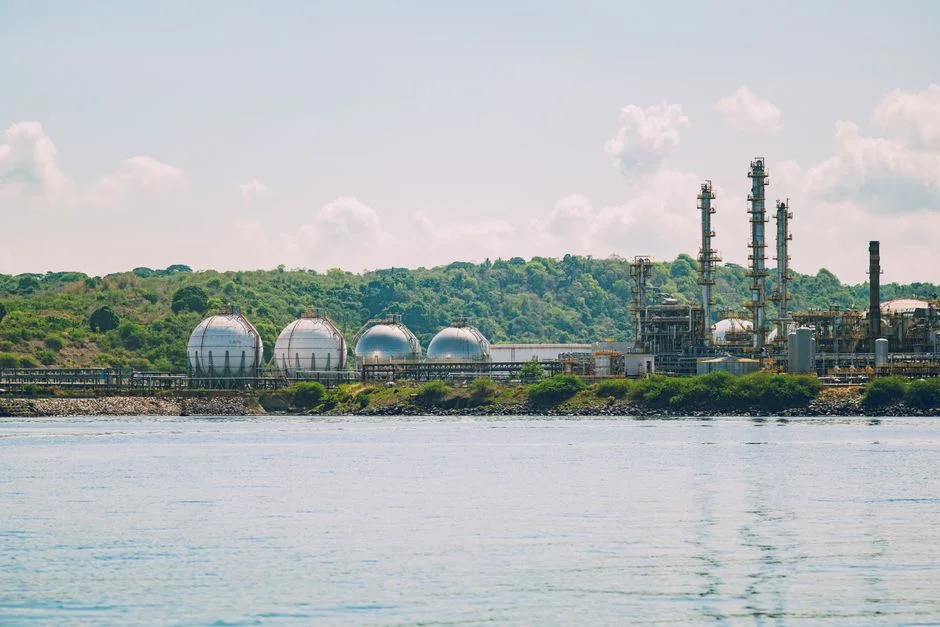
MBR permeate from a reactive-dyeing mill still carries 20–80 mg/L of color and 30–80 mg/L of COD — well above the reuse envelope. Advanced oxidation closes that gap, and the published numbers are strong enough to design around. AOPs in general can cut textile COD by up to 50% (MDPI 2022). Specifically, ozonation of real secondary effluent containing 5.26 mg/L reactive-black 5 azo dye in a 16 L batch reactor achieved 100% color removal and 75% COD removal in five minutes at an ozone dose of 24.66 mg/min (MDPI 2022). For a continuously operated full-scale plant this translates to an O₃ dose of roughly 0.5–1.5 g O₃ per gram of residual COD, with a contact time of 15–30 minutes.
Three configurations dominate. O₃ alone handles color and unsaturated dye chromophores; O₃/H₂O₂ pushes hydroxyl-radical yield for refractory COD; UV/H₂O₂ suits mills with high trans-UV transmission effluent. The right pick depends on the dye class — azo and reactive dyes respond to direct ozone, while disperse and vat dyes prefer radical-driven AOP. Granular activated carbon placed downstream of AOP polishes trace color and TOC, protects RO membranes from oxidative breakthrough, and lets the operator ride out biological upsets without breaching the reuse envelope.
Electrocoagulation is a lower-CAPEX alternative for remote Omani sites where chemical logistics are a constraint. It generates iron or aluminium hydroxides in situ, removes pollutants with reduced capital cost and no harmful byproducts (MDPI 2022), and produces a low-volume metallic sludge. It is not a substitute for AOP on high-strength recalcitrant streams, but as a polish step ahead of RO it can cut both the ozone dose and the carbon replacement frequency.
Stage 4 — RO Reuse and the Path to Zero Liquid Discharge
An industrial RO system operated at 70–95% recovery converts MBR + AOP permeate into boiler-feed or cooling-tower make-up, and the concentrate becomes the design challenge. A 95% recovery target is realistic for textile permeate after multimedia filtration; pushing beyond that requires a high-pressure RO second pass or a brine concentrator, which raises CAPEX sharply. The RO feed is typically guarded by a multi-media filter to drop SDI below 3, which is the operating ceiling most RO membrane warranties require.
| Stream | COD (mg/L) | TDS (mg/L) | TSS (mg/L) | Use case in Oman |
|---|---|---|---|---|
| MBR permeate | 30–80 | 1,000–3,000 | < 1 | Process rinse, irrigation |
| RO permeate (95% recovery) | < 5 | < 50 | < 1 | Boiler make-up, cooling-tower make-up |
| RO concentrate | 150–400 | 10,000–60,000 | < 5 | Brine concentrator, evaporation pond, or ZLD crystallizer |
| Municipal water tariff (Oman, 2026 industrial) | — | 200–1,000 | — | The cost the reuse stream displaces |
The payback lever is the gap between RO permeate and the industrial municipal tariff, which in 2026 ranges from roughly 0.5–2.0 OMR/m³ depending on governorate and volume band. A 1,000 m³/day reuse stream at the lower end of that tariff is enough to retire the RO CAPEX in 3–5 years without counting the avoided discharge penalty risk under Royal Decree 46/94. ZLD itself is not yet an Omani regulation, but it is an emerging client requirement on new industrial-estate allocations and is increasingly tied to ESG reporting; the MDPI 2022 ZLD-resource-recovery review treats it as the direction the GCC textile sector is moving. The plate and frame filter press dewatering DAF scum and MBR waste-activated sludge to 25–35% dry solids completes the water-and-sludge loop, so the article is not a water-only discussion.
2026 Equipment Checklist for an Omani Textile Treatment Plant
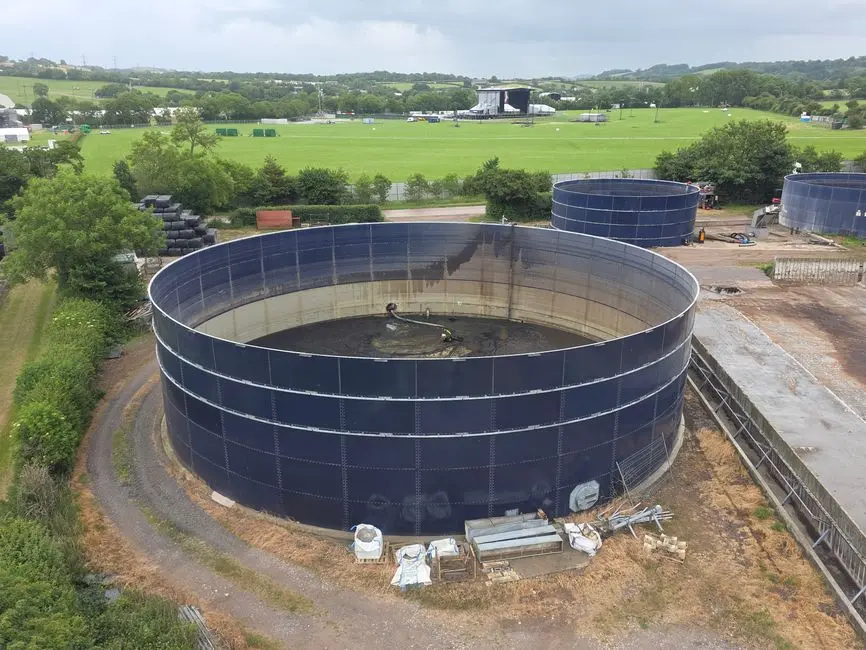
The procurement specification below maps each train stage to a packaged skid. Capacities are drawn from current HydropureWater product spec sheets and are sized for a 500–2,000 m³/day mid-sized Omani textile mill.
| Train stage | Equipment | Capacity / spec | Notes for Oman |
|---|---|---|---|
| Headworks | Rotary mechanical bar screen | 1–5 mm aperture, 24 h duty | Protects MBR modules; auto-brush |
| Equalization + cooling | EQ basin + plate cooler | 8–12 h HRT, 30–38 °C outlet | Closed-loop chilled water in summer |
| Primary clarification | DAF unit | 4–300 m³/h | Coagulant + flocculant dosing skid |
| Chemical dosing | Auto dosing system | PAC 50–200 mg/L, PAM 1–5 mg/L | Streaming-current feedback, PLC |
| Biological | MBR (submerged PVDF) | 10–2,000 m³/day, < 1 µm pore | Modular cassette expansion |
| Tertiary polish | Ozone / AOP + GAC | 0.5–1.5 g O₃/g COD | Optional electrocoagulation |
| RO pre-filter | Multi-media filter | SDI < 3 outlet | Sand + anthracite + garnet |
| Reuse | Industrial RO | 70–95% recovery | Boiler / cooling make-up |
| Sludge | Plate and frame filter press | 1–500 m² filtration area | 25–35% dry cake |
| Disinfection | Chlorine dioxide generator | On-site ClO₂ | Reuse-loop biocide |
Pre-engineered, skid-mounted, PLC-controlled packages are the lowest-risk path for Omani import: a single 40-foot container per skid, factory acceptance tested in China, sea-freighted to Sohar or Salalah, and re-assembled on a concrete pad with local pipework. The automatic chemical dosing system and chlorine dioxide generator are typically shipped loose alongside the skids, so the operator has one commissioning interface rather than five. For EPC managers writing a 2026 enquiry, this is the minimum line-item count to put in the technical schedule.
Frequently Asked Questions
What does a typical textile mill water reuse train look like in Oman?
A 2026 Omani textile reuse train combines screening, DAF, an integrated MBR membrane bioreactor, ozone or AOP polishing, and an industrial RO system at 70–95% recovery. The RO permeate displaces 0.5–2.0 OMR/m³ of municipal water, and the concentrate is routed to a brine concentrator or evaporation pond.
What influent and effluent parameters must an Omani textile mill hit?
Raw influent COD is typically 800–2,500 mg/L with 200–1,000 mg/L TSS and TDS up to 8,000 mg/L. Oman EPA consent conditions require discharge at COD ≤ 200 mg/L, BOD₅ ≤ 50 mg/L, TSS ≤ 50 mg/L, and color within a defined visible-dilution factor. Reuse loops target COD ≤ 50 mg/L and TDS ≤ 500 mg/L.
Why is MBR preferred over UASB or SBR for new Omani textile mills?
MBR delivers 85–95% COD removal in a footprint roughly 60% smaller than conventional activated sludge, produces an effluent with TSS < 1 mg/L that feeds directly to RO, and tolerates the 30–38 °C mesophilic window. UASB still removes > 90% COD per Somasiri et al. (MDPI 2022) but needs post-polishing for color, and SBR performance is tightly tied to biomass concentration and HRT.
How much fresh water can an Omani textile mill save with MBR + RO?
With raw water intensity of 100–200 L/kg of fabric (MDPI Sustainability 2022), a well-designed MBR + RO train running at 95% RO recovery can cut fresh-water demand by 60–80%, depending on the reuse split between boiler, cooling, and process rinse. For a 1,000 m³/day mill that is 600–800 m³/day of avoided municipal draw, which is the financial lever that justifies the tertiary CAPEX.