Why Saudi Hotel Wastewater Treatment Is a 2026 Priority
Saudi Arabia's hotel pipeline added 73,057 rooms in planning or construction as of late 2024, a 67.1% supply increase and the fastest growth rate tracked globally by STR (per Sustainability, 2022, DOI 10.3390/su142416905). Every one of those rooms is a future sewage load — typically 0.20–0.30 m³ per guest per night — and every developer is now sizing a treatment plant against two overlapping regulators: the Presidential Directive on Water and Sanitation (PDWS) municipal discharge rules and the Royal Commission effluent standards in Yanbu, Jubail, and the new giga-project cities.
Vision 2030 sets the demand: 30 million Umrah visitors annually, 100 million domestic and international overnight visits per year, and tourism at 10% of GDP (Sustainability, 2022). The Saudi Green Initiative (SGI) sets the supply constraint — Saudi Arabia targets 278 Mt CO₂ reduction per year, 10 billion trees planted, and 30% of land and sea protected by 2030, with water reuse embedded as a core lever. Procurement teams are already screening for it: 403 hotels in KSA hold ETIC eco-certification, and green-tender scoring now treats on-site TSE (treated sewage effluent) reuse as a weighted ESG deliverable (Sustainability, 2022).
The engineering implication is direct. A resort opening in 2026 or later cannot be specified against discharge alone — it must be designed for either PDWS/Royal Commission compliant disposal or Grade-A/B TSE reuse from day one, because retrofitting a clarifier-fed conventional activated-sludge plant to MBR-grade reuse is typically 2–3× the cost of specifying reuse-ready equipment up front.
Hotel and Resort Influent Characteristics: What You're Actually Treating
Raw sewage from a 4–5-star resort is stronger than municipal average because of kitchen and laundry inputs. Typical influent after coarse screening runs BOD 200–300 mg/L, COD 400–600 mg/L, TSS 200–350 mg/L, NH₃-N 25–40 mg/L, and oil & grease 50–150 mg/L — these are standard design parameters for hospitality STP work and align with PDWS characterization guidance (HydropureWater field data, 2026).
Three site-specific loads drive most of the design risk:
- Kitchen FOG (fats, oils, grease): resorts with multiple F&B outlets routinely exceed 200 mg/L O&G if the grease trap is undersized or skipped. FOG fouls MBR membranes irreversibly above ~50 mg/L into the bioreactor, so a DAF or properly sized grease trap ahead of biological treatment is non-negotiable.
- Laundry lint and high-pH surge: on-site hotel laundries discharge lint that blinds 1 mm screens within hours, and pH 9–11 wash water that knocks nitrification offline. Specify fine screening ≤2 mm and an equalization tank sized for 8–12 hours of mean flow with pH correction dosing.
- Guest-room peaks: breakfast return (~08:00–10:00) and pre-dinner shower load (~18:00–21:00) produce a peak factor of 2.5–3.0× the daily mean, which governs equalization volume and pump selection.
Sizing rule of thumb for 2026 hospitality projects: 0.20–0.30 m³ per guest per night for 4–5-star resorts, 0.15 m³ for budget properties, with a peaking factor of 2.5–3.0×. Per-cover loading sits at BOD 50–70 g, TSS 60–80 g, NH₃-N 6–8 g per day (per-cover basis commonly used in hospitality STP design — HydropureWater field data, 2026).
| Parameter | Guest rooms & staff | With kitchen & laundry | Design peak |
|---|---|---|---|
| Flow (m³/guest·day) | 0.15–0.30 | + 10–20% | 2.5–3.0× mean |
| BOD (mg/L) | 200–300 | 300–450 | 500+ |
| COD (mg/L) | 400–600 | 600–900 | 1,000+ |
| TSS (mg/L) | 200–350 | 350–500 | 700+ |
| NH₃-N (mg/L) | 25–40 | 30–45 | 50 |
| Oil & grease (mg/L) | 20–50 | 50–200 | 300+ |
Saudi Discharge and Reuse Standards You Must Meet in 2026
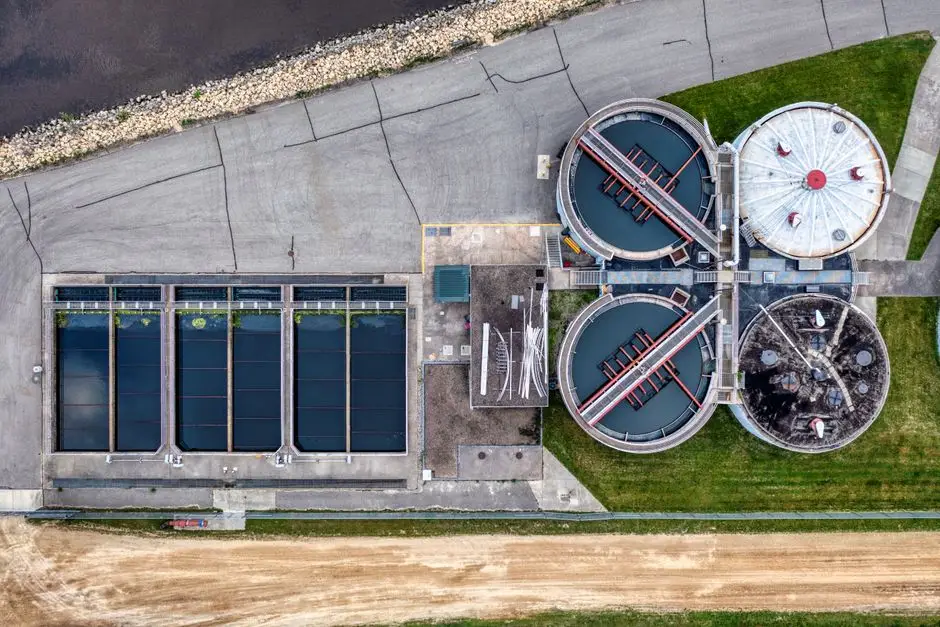
PDWS municipal discharge limits for STP effluent are the floor: BOD ≤25 mg/L, COD ≤150 mg/L, TSS ≤30 mg/L, NH₃-N ≤5 mg/L, and fecal coliforms <200 CFU/100 mL. The Royal Commission standards enforced in Yanbu, Jubail, Ras Al-Khair, and most coastal giga-projects (NEOM, AMAALA, the Red Sea) run tighter — typically BOD ≤10 mg/L, COD ≤50 mg/L, TSS ≤15 mg/L — and apply to many resort sites that fall inside commission boundaries.
For TSE reuse, NCEC and PDWS define a graded system. Grade A (unrestricted irrigation, cooling-tower make-up, toilet flushing) requires BOD ≤10 mg/L, TSS ≤10 mg/L, turbidity ≤5 NTU, and fecal coliforms <2.2 CFU/100 mL. Grade B is suitable for restricted drip-irrigation and landscape with controlled access; Grade C covers fodder and forestry. The lift from PDWS-discharge compliance to Grade-A reuse is the membrane — that is why MBR dominates resort specifications.
Why push for Grade A? Landscape irrigation is the highest-value reuse target because it directly offsets the resort's largest non-potable water draw and supports the SGI 10-billion-tree target (Sustainability, 2022). A 300-key resort running 200 m³/day of TSE to irrigation can avoid roughly 60,000–73,000 m³/year of municipal potable water, which lands directly on the developer's ESG scorecard.
| Standard | BOD (mg/L) | COD (mg/L) | TSS (mg/L) | NH₃-N (mg/L) | Fecal coliforms (CFU/100 mL) | Typical application |
|---|---|---|---|---|---|---|
| PDWS municipal discharge | ≤25 | ≤150 | ≤30 | ≤5 | <200 | Sea/river disposal |
| Royal Commission (industrial zones) | ≤10 | ≤50 | ≤15 | ≤5 | <100 | Giga-project discharge |
| TSE Grade A (unrestricted reuse) | ≤10 | — | ≤10 | ≤5 | <2.2 | Irrigation, cooling, toilet flush |
| TSE Grade B (restricted) | ≤25 | ≤150 | ≤30 | — | <200 | Drip irrigation, restricted landscape |
Process Train Options: MBR, SBR, and Buried Package Plants Compared
Every hotel STP in KSA should run the same pretreatment stack: rotary bar screen (≤5 mm) → grit chamber → flow equalization → FOG removal via DAF or grease trap. The biological stage is where the choices diverge and where 60% of CAPEX sits.
Submerged MBR (membrane bioreactor) with PVDF hollow-fibre or flat-sheet modules at 0.1–0.4 μm delivers effluent at BOD ≤5 mg/L and TSS ≤1 mg/L without a separate clarifier, occupies roughly 60% of the footprint of conventional activated sludge, and feeds directly to UV or chlorine dioxide disinfection for Grade-A reuse. MBR is the right answer for any resort pursuing TSE irrigation or tight site footprints in coastal giga-projects — for a packaged MBR sized 10–2,000 m³/day, the submerged MBR package plant for 10–2,000 m³/day is the typical reference spec.
SBR (sequencing batch reactor) runs fill/react/settle/decant cycles in a single tank. CAPEX is lower and the technology is proven in municipal plants, but effluent is typically BOD ≤20 mg/L and TSS ≤20 mg/L — a polishing step (sand filter + UV) is required to reach Grade-A reuse. SBR suits inland resorts with disposal to a municipal sewer or a Class B reuse target.
WSZ buried package plant integrates anoxic/aerobic zones, sedimentation, and disinfection in a buried FRP/PVC tank for flows of 1–80 m³/h. It is plug-and-play with no dedicated operator and is widely used in 50–200-key resorts and staff villages — see the buried WSZ package plant for 1–80 m³/h resorts for typical configuration.
For FOG and TSS pre-treatment ahead of any of the above, a dissolved air flotation unit for FOG and TSS pre-treatment typically removes 60–90% of oil & grease and 50–70% of TSS in 15–25 minutes. Headworks protection should start with a GX rotary fine screen for headworks protection at 2–5 mm aperture.
| Process | Effluent BOD (mg/L) | Effluent TSS (mg/L) | Footprint | Operator skill | Best fit |
|---|---|---|---|---|---|
| Submerged MBR | ≤5 | ≤1 | Compact (1× CAS) | Intermediate | TSE Grade-A reuse, tight sites |
| SBR | ≤20 | ≤20 | Medium (1.3× CAS) | Intermediate | PDWS discharge, no reuse |
| WSZ buried package | ≤20 | ≤30 | Small (buried) | Low | 1–80 m³/h, no on-site operator |
| CAS + clarifier | ≤25 | ≤30 | Large | High | Legacy municipal upgrades |
Designing for TSE Reuse: Irrigation, Cooling, and Toilet Flush
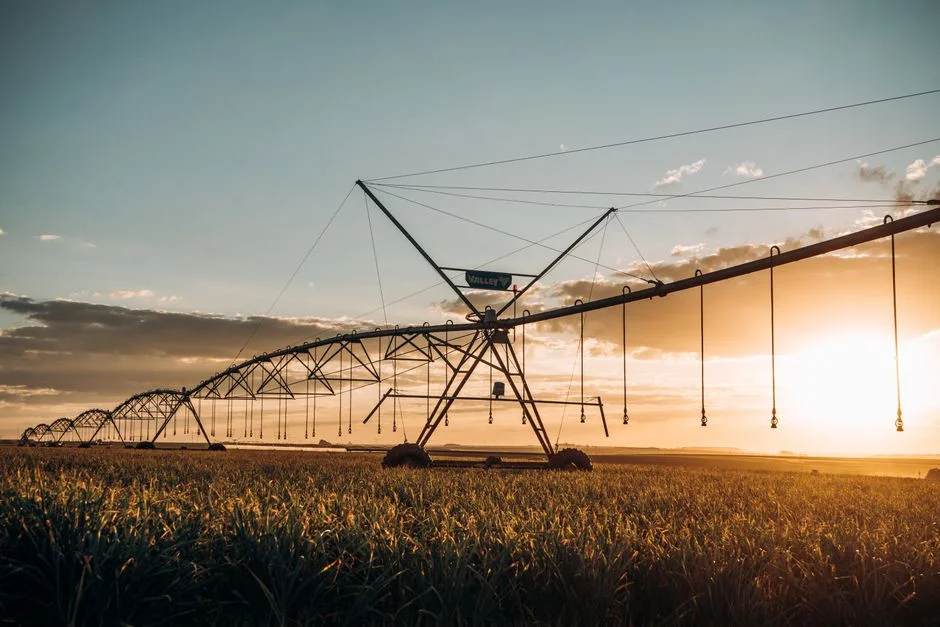
Landscape irrigation is the highest-value reuse outlet for a resort STP because it eliminates the largest non-potable demand, supports the SGI 10-billion-tree target (Sustainability, 2022), and removes the need for tertiary filtration. Typical irrigation demand for a desert resort runs 5–10 L/m²/day on planted areas, so a 300-key site with 8,000 m² of landscape can absorb 40–80 m³/day — roughly 25–40% of the STP's mean flow.
Cooling-tower make-up at 10–20% of hotel HVAC demand is a strong fit for Grade-B TSE, provided side-stream filtration (≤100 μm) and a corrosion-inhibitor dosing program are added to control microbiology and scaling. Toilet-flush reuse captures another ~30% of indoor hotel water demand, but needs UV polishing to <2.2 CFU/100 mL and active color control via the integrated JY water purification polishing skid ahead of the storage tank.
Storage sizing for irrigation peak/off-peak alignment is typically 24–48 hours of treated effluent, delivered either as bladder tanks (fast install, low cost) or RCC post-clarifier tanks (permanent, 30+ year life). Disinfection at the point of reuse is normally handled with a chlorine dioxide generator for effluent disinfection, which outperforms sodium hypochlorite on biofilm control and tolerates high-alkalinity TSE better than chlorine gas.
Net water benefit: a well-designed TSE scheme can offset 30–50% of a resort's municipal water demand, and in remote sites it removes the need for RO make-up entirely (HydropureWater field data, 2026).
2026 Equipment Shortlist and CAPEX Tiers for KSA Resorts
Three procurement tiers cover the bulk of KSA resort work in 2026.
Tier 1 — Premium TSE reuse (200–500-key resort, Grade-A irrigation, 0.20–0.30 m³/guest·day): GX rotary fine screen → equalization → DAF → submerged MBR → chlorine dioxide generator → TSE storage. Add a plate-and-frame filter press for STP sludge dewatering for sludge — plate presses typically reach 22–25% dry-cake solids versus 15–18% on drying beds, cutting sludge haul-off volume by ~30% (HydropureWater field data, 2026).
Tier 2 — Standard PDWS discharge (100–200-key, no on-site reuse): rotary screen + grit + equalization + SBR or WSZ buried package + chlorination, with an automatic chemical dosing system for pH correction. Lower CAPEX, smaller footprint, and the same discharge compliance.
Tier 3 — Remote eco-lodge or staff village (≤100 occupants): skid-mounted WSZ or containerized MBR, no on-site operator, telemetry-only. Suits desert lodges, construction camps, and the staff compounds attached to large resort sites.
Automation: specify a PLC with remote SCADA. Vision 2030 eco-certification increasingly requires telemetry for ESG reporting — the 403 ETIC-certified hotels in KSA (Sustainability, 2022) already report monthly water KPIs to auditors.
| Tier | Resort size | Reuse target | Process train | Operator |
|---|---|---|---|---|
| Tier 1 | 200–500 keys | Grade-A TSE | Screen + DAF + MBR + ClO₂ + sludge press | Part-time + SCADA |
| Tier 2 | 100–200 keys | PDWS discharge | Screen + SBR/WSZ + chlorination | Part-time |
| Tier 3 | ≤100 occupants | PDWS discharge | Skid WSZ or containerized MBR | None (telemetry) |
Frequently Asked Questions
What is the per-room wastewater flow rate for a 4–5-star Saudi resort?
Use 0.20–0.30 m³ per guest per night for 4–5-star resorts and 0.15 m³ for budget properties, with a peak factor of 2.5–3.0× mean (HydropureWater field data, 2026). For a 300-key resort at 80% occupancy, design mean flow is roughly 48–72 m³/day and peak is 120–216 m³/day.
What are the PDWS effluent limits for a hotel STP in 2026?
PDWS municipal discharge limits require BOD ≤25 mg/L, COD ≤150 mg/L, TSS ≤30 mg/L, NH₃-N ≤5 mg/L, and fecal coliforms <200 CFU/100 mL. Royal Commission limits in Yanbu, Jubail, and most giga-project zones are tighter (BOD ≤10 mg/L, TSS ≤15 mg/L). For Grade-A TSE reuse, the spec is BOD ≤10 mg/L, TSS ≤10 mg/L, FC <2.2 CFU/100 mL — which is why a submerged MBR package plant is the typical reference spec.
How do you handle FOG from resort kitchens before biological treatment?
Install a properly sized grease trap followed by a dissolved air flotation unit ahead of the bioreactor. DAF removes 60–90% of oil & grease and 50–70% of TSS, keeping inlet FOG below the ~50 mg/L threshold that MBR and SBR designs can tolerate without membrane fouling or scum overload.
What is the best disinfection option for TSE reuse in a Saudi resort?
For Grade-A reuse, a chlorine dioxide generator is preferred over sodium hypochlorite because it tolerates the high alkalinity and temperature of KSA TSE (often 28–35 °C), provides residual control across pH 6–9, and outperforms chlorine on biofilm and Legionella control in cooling-tower make-up.