

Why a Hotel in Baomahun Needs a Packaged MBR Instead of a Septic Tank or Conventional STP
A packaged MBR (membrane bioreactor) sewage treatment plant combines activated sludge biology with submerged PVDF ultrafiltration membranes (0.1 μm nominal pore size) inside a single factory-built skid or container — producing near-reuse-quality effluent in roughly 60% less footprint than a conventional activated-sludge system of the same capacity. For a 50–100 room hotel in Baomahun, that footprint reduction is decisive: landscaped resort sites have limited usable area, and any below-grade civil work in lateritic Bo District soil is expensive.
Three site-specific conditions make a packaged MBR the right technology class rather than a septic tank or conventional STP. First, ambient temperatures of 25–32 °C accelerate sludge digestion inside septic leach fields, causing premature clogging and odour complaints within 2–3 years in West African installations. Second, the Freetown–Bo grid feeding Baomahun is intermittent; a packaged MBR's automated PLC can ride out outages if a buffer/equalization tank is sized to 25–50% of daily flow, whereas a septic tank overflows silently. Third, with no municipal sewer, effluent must meet either stream-discharge or reuse quality — septic delivers 30–50 mg/L TSS and BOD 50–100 mg/L even in well-operated systems, which is far above the BOD <30 mg/L and TSS <30 mg/L that the Sierra Leone Environment Protection Agency (EPA-SL) typically requires for surface discharge.
The performance gap is the closing argument. An MBR delivers BOD <5 mg/L, TSS <1 mg/L, and turbidity <1 NTU because the submerged membranes physically reject suspended solids and most bacteria — solids retention and hydraulic retention are decoupled, so the biomass stays young and active even under hydraulic surges. A 2018 case study documented in Membrane Technology (Auricle Global Society, 2018-12) confirms that packaged MBRs are an established, proven solution for small decentralized applications, directly applicable to a hotel-scale plant.
Step 1 — Characterize Hotel Wastewater and Size the MBR for Baomahun
The first engineering decision is the design flow in m³/day, because every downstream choice — tankage, membrane area, blower size, generator capacity — scales from that number. For a tropical hotel, the accepted benchmark is 150–250 L per guest per day, 40–60 L per staff shift, and 25–50 L per restaurant cover; laundry and pool backwash are added on top as discrete load events.
Worked example for a 60-room hotel: 60 rooms × 1.8 occupancy factor × 200 L/guest = 21,600 L/day from guests, plus 30 staff × 50 L = 1,500 L/day, plus restaurant and laundry roughly 2–4 m³/day → average dry-weather flow of about 23 m³/day. Apply a peak factor of 2.5× for meal-service and check-in surges → peak instantaneous flow of approximately 58 m³/day. Nominal MBR sizing should be 30–40 m³/day with a 10–15 m³ equalization tank; under-sizing the equalization tank is the single most common cause of membrane fouling in hospitality MBRs (HydropureWater field data, 2026).
Three load drivers make hotel wastewater qualitatively different from domestic sewage, and they determine the pretreatment train. Kitchen FOG (fats, oils, grease) peaks at meal service and blinds membranes if it reaches the cassette. Laundry lint and surfactant surges arrive in slugs and foul the membrane surface with fibrous mat. Pool backwash and spa discharges slug chloramines and high TDS. The MBR itself cannot tolerate any of these — FOG, lint, and flow surges must be intercepted upstream with a grease trap (or DAF), a rotary bar screen, and a flow equalization tank respectively.
Tropical operation has two opposing effects. Sierra Leone's 25–32 °C ambient range accelerates biological kinetics, so MBR tankage can be roughly 20% smaller than a temperate-climate design at the same loading rate. The same warmth raises membrane fouling rate and demands higher continuous aeration scouring across the DF-series PVDF flat-sheet membrane cassettes — typically air:swater ratios of 25:1 to 30:1 at the module bottom headers. Design verification against EPA-SL permit limits must happen at this stage, because fecal coliform and BOD limits differ by discharge route (stream, soakaway, restricted or unrestricted irrigation reuse).
| Hotel scenario | Rooms | Occupancy factor | Avg flow (m³/day) | Peak flow (m³/day) | Recommended MBR nominal size | Equalization tank |
|---|---|---|---|---|---|---|
| Boutique lodge | 20 | 1.5 | 7–9 | 18–22 | 10 m³/day | 3–4 m³ |
| Mid-scale hotel (worked example) | 60 | 1.8 | 22–25 | 55–60 | 30–40 m³/day | 10–15 m³ |
| Resort with conference centre | 100 | 2.0 | 40–45 | 100–115 | 50–60 m³/day | 15–20 m³ |
| 200-key conference hotel | 200 | 2.0 | 80–95 | 200–240 | 100–120 m³/day | 30–40 m³ |
Step 2 — Choose the Right Packaged Configuration: Buried, Skid, or Containerized
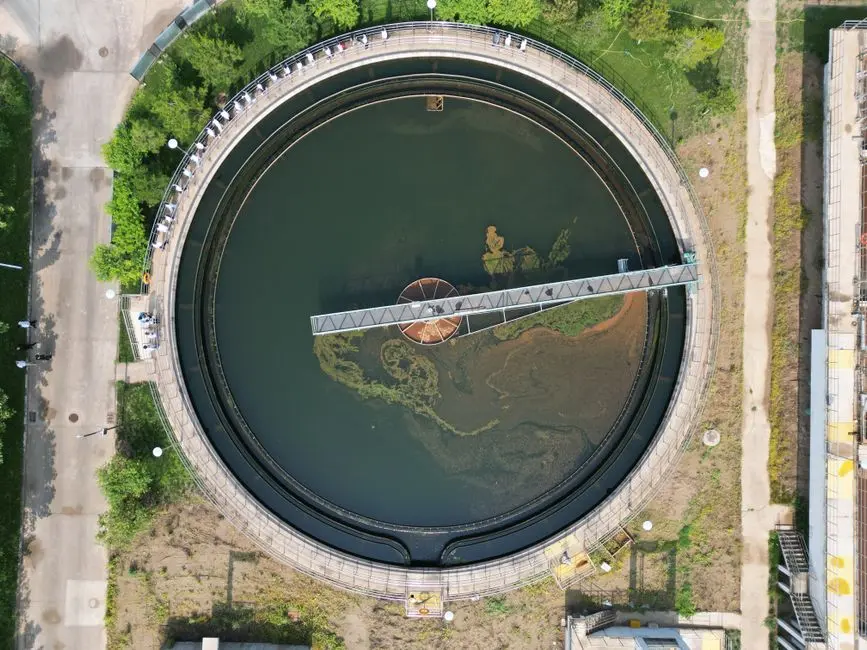
Once the design flow is fixed, the next decision is the physical form factor. Three configurations dominate the packaged MBR market and each has a clear fit profile for West African hotel sites.
The buried option — typified by the WSZ underground packaged sewage treatment plant in 1–80 m³/h capacities — sits flush with grade, leaves the resort landscape untouched, and has no above-ground equipment room. For a high-end resort where aesthetics rule, WSZ is the only acceptable answer. The cost is civil: excavation in lateritic Baomahun soil, dewatering during the wet season, and difficult membrane-cassette retrieval for service. Membrane access typically requires a 2–3 m deep side access shaft per tank, which complicates CIP (clean-in-place) work.
The skid-mounted MBR cassette uses DF-series flat-sheet modules (32–135 m³/day per 80–225 m² membrane area) mounted on a galvanized skid alongside blowers, permeate pumps, and PLC. It is the most flexible option — modules can be added in parallel as the hotel expands — but requires on-site assembly, electrical hookup, and a small pump house. Commissioning runs 4–6 weeks longer than a containerized unit at the same capacity.
The 20-ft ISO containerized MBR ships fully factory-tested: membranes installed, piping pressure-tested, PLC programmed, and a factory wet-test certificate issued before the unit leaves the yard. On site it needs only a concrete pad, inlet/outlet piping, and a power connection. For Bo District sites, the containerized option is usually the strongest fit because the 250 km road from Freetown port is rough, and a fully built unit arriving in one ISO frame eliminates on-site assembly risk. The trade-off is visibility — a 20-ft box above grade — and a requirement for solar shading in Sierra Leone's UV index 10+ conditions, which would otherwise shorten HDPE membrane lifespan. A shade structure or simple aluminium roof is enough; this is standard practice rather than a deal-breaker.
| Configuration | Capacity range | Install time on site | Membrane service access | Best fit in Baomahun when… | Main drawback |
|---|---|---|---|---|---|
| Buried (WSZ) | 1–80 m³/h | 6–10 weeks (civil-heavy) | Poor — requires confined-space entry | Resort aesthetic is the top priority and a deep access shaft can be accommodated | Excavation cost, wet-season dewatering, harder CIP |
| Skid-mounted MBR | 32–135 m³/day per DF module | 5–8 weeks | Good — cassettes slide out on rails | Future expansion is planned or footprint allows a small pump house | Longer commissioning, on-site assembly risk |
| Containerized MBR | 10–200 m³/day typical | 2–4 weeks | Excellent — full door-side access | Site is remote, Freetown port logistics dominate, fast opening matters | Above-grade visibility, requires shade structure |
Step 3 — Pretreatment and Disinfection: What the MBR Needs Upstream and Downstream
The most common packaged MBR failure mode in hotel service is fouled membranes caused by inadequate pretreatment. The MBR is the biological polishing step, not a screening device. Three upstream units are non-negotiable for a hospitality application.
A dissolved air flotation (DAF) system (4–300 m³/h capacity) handles emulsified kitchen FOG that a passive grease trap cannot — DAF injected with microbubbles floats colloidal oils and reduces FOG to <15 mg/L before the stream hits the membranes. Without DAF, a hotel kitchen will blind a flat-sheet cassette within 4–8 weeks. A GX-series rotary mechanical bar screen with 1–2 mm aperture catches laundry lint, hair, and food solids, protecting the membrane from fibrous mat that cannot be removed by backwash. Finally, a flow equalization tank sized to 25–50% of daily flow dampens meal-service and laundry peaks so the MBR's hydraulic retention time stays within ±20% of design.
Downstream, packaged MBR effluent is already low in TSS and most bacteria because the 0.1 μm membrane physically rejects E. coli and similar organisms to about 10²–10³ CFU/100 mL. For unrestricted landscape irrigation or stream discharge in Sierra Leone, a polishing disinfection step is still normally required to meet fecal coliform ≤200 CFU/100 mL. A chlorine dioxide generator (50 g/h to 20,000 g/h) provides a stable residual without forming trihalomethanes, which is the main reason ClO₂ is preferred over chlorine for hospitality reuse lines.
Sludge handling is small but real. A 30 m³/day hotel MBR produces roughly 0.5–1.5 m³/day of waste activated sludge at 0.8–1.2% dry solids. A small plate-and-frame filter press dewatering this to >20% DS produces a stackable cake for offsite disposal, and is far cheaper than liquid sludge haulage over the Bo–Baomahun road. Skid size is typically 1–10 m² filtration area for a hotel.
Compliance, Logistics, and the Pre-Purchase Checklist for Sierra Leone
Three regulatory items must be locked in before issuing a purchase order. First, an Environmental Impact Assessment license and discharge permit from EPA-SL are required under the National Water and Sanitation Policy 2018 — apply early because review runs 8–12 weeks. Second, confirm the discharge route and its limits: stream discharge typically requires BOD ≤30 mg/L, TSS ≤30 mg/L, fecal coliform ≤200 CFU/100 mL; unrestricted irrigation reuse is tighter at ≤10⁴ fecal coliform/100 mL per the WHO 2006 Guidelines for Safe Use of Wastewater. Third, verify with the local Bo District council that the chosen footprint and setback distances meet their planning rules — typically 30 m from any water source.
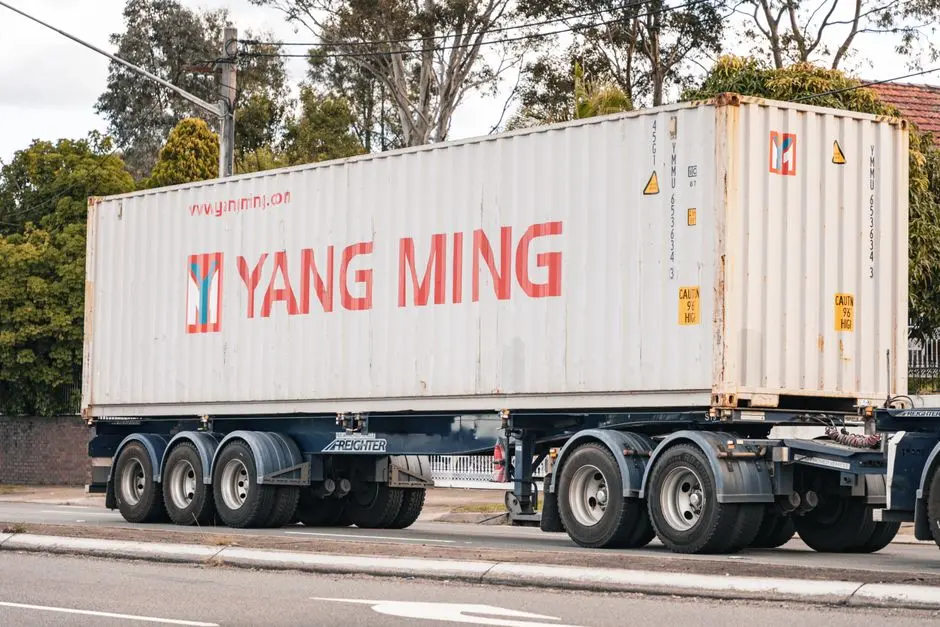
Logistics shape the form-factor choice more than most buyers expect. A 20-ft ISO containerized MBR or skid unit ships as a single FOB China consignment, clears customs at Freetown Port, then travels roughly 250 km of two-lane road to Bo and a final 30–40 km of unpaved lateritic road to Baomahun. Confirm three things with the supplier before signing: (a) ISO corner-cast certification and CSC plate for the container, (b) maximum gross weight under Sierra Leone road limits — typically 30 tonnes for a standard 20-ft unit including skid, and (c) on-site cranage availability in Bo, which is scarce and should be booked in advance. A flatbed trailer with a 20-tonne mobile crane at site is the standard delivery method.
Power is the operational risk. Baomahun grid reliability is intermittent; specify an MBR PLC that auto-restarts after power loss without operator intervention, and either a diesel standby generator sized to the 0.3–0.8 kWh/m³ MBR energy demand or a solar+battery buffer for sites below 50 m³/day. For a 30 m³/day plant this typically translates to a 15–20 kVA generator or a 25–30 kWp solar array with battery storage. Confirm with the supplier that the PLC, blowers, and permeate pumps can accept the available voltage and frequency (230 V / 50 Hz is standard in Sierra Leone).
Pre-purchase checklist — confirm all seven items in writing before signing:
- Design average flow (m³/day) and verified peak factor at 2.0–2.5×
- Effluent target (BOD, TSS, fecal coliform) tied to the discharge route and EPA-SL permit
- Footprint available on site, including crane access and 30 m setback from water sources
- Power budget in kWh/m³, plus generator or solar sizing and auto-restart PLC
- Pretreatment train: grease trap or DAF, mechanical bar screen, equalization tank size
- Logistics plan: FOB China vs CIF Freetown, on-site cranage, Freetown port clearance agent
- After-sales service distance and guaranteed membrane-replacement response time (HydropureWater field data, 2026, recommends a spares kit and CIP chemicals on site at commissioning)
Frequently Asked Questions
How much does a packaged MBR STP cost for a hotel in Sierra Leone?
Quoted prices vary with design flow, containerized vs buried configuration, pretreatment scope, and Incoterm. For a 30 m³/day containerized MBR with DAF, screen, equalization, and ClO₂ disinfection, total CAPEX is dominated by membrane area, stainless-steel tankage, and pretreatment skids rather than the MBR cassette itself. Request FOB China and CIF Freetown quotes separately so the Freetown port clearance, Bo District road transport, and on-site cranage costs are visible. No verified 2026 Sierra Leone CAPEX benchmark was available for this article — request recent African reference projects from any shortlisted supplier.
What is the typical MBR effluent quality for hotel reuse?
A well-operated packaged MBR delivers BOD <5 mg/L, TSS <1 mg/L, turbidity <1 NTU, and fecal coliform of 10²–10³ CFU/100 mL directly from the membrane cassette. After ClO₂ or UV polishing, the water meets the WHO 2006 unrestricted-irrigation threshold of ≤10⁴ fecal coliform/100 mL and is suitable for toilet flushing, landscape irrigation, and laundry make-up water.
Can a packaged MBR run on solar power in Baomahun?
Yes, for flows up to roughly 50 m³/day. The DF-series flat-sheet submerged MBR uses 0.3–0.8 kWh/m³, which is 10–20× lower than older cross-flow membrane systems and falls within practical solar+battery budgets. A 30 m³/day hotel typically needs a 25–30 kWp PV array with battery storage sized for 1–2 days of autonomy, plus a small backup generator for the rare extended cloudy stretch.
How often must membranes be cleaned?
Flat-sheet PVDF modules are chemically cleaned in place (CIP) every 3–6 months using a 1,000–2,000 mg/L sodium hypochlorite soak, with an acid wash (citric or oxalic, pH 2–3) every second CIP to remove scale. Full module replacement typically runs 5–8 years, depending on influent FOG control, aeration scouring, and CIP discipline (HydropureWater field data, 2026).
What discharge permits are required in Sierra Leone?
An EIA license and discharge permit from the Sierra Leone Environment Protection Agency (EPA-SL) are required before commissioning any packaged STP, under the Environment Protection Agency Act 2008 and the National Water and Sanitation Policy 2018. For irrigation reuse, the WHO 2006 Guidelines apply. Local council planning approval is also typically required for the STP footprint and any construction near a watercourse.