Why Sihanoukville Industrial Wastewater Needs a Dedicated 2026 Strategy
Industrial wastewater treatment in Sihanoukville in 2026 must comply with Cambodia's MOE Prakas on industrial effluent discharge (typically BOD₅ ≤ 50 mg/L, COD ≤ 100 mg/L, TSS ≤ 50 mg/L, oil & grease ≤ 5 mg/L, pH 6–9) and is most economically designed as a DAF pre-treatment + MBR or SBR biological stage + UV/ClO₂ disinfection train, sized 5–500 m³/day for SEZ tenants, port operations, garment factories, and aquaculture processors along the Preah Sihanouk coast.
Preah Sihanouk (Sihanoukville) is Cambodia's only deep-water port and the country's largest cluster of Chinese-invested Special Economic Zones, with a 2026 industrial profile dominated by container handling and logistics, garment and light-assembly tenants in the Preah Sihanouk SEZ, seafood and aquaculture processors, construction-materials batching, shipyards and boat-building, and a coastal hospitality/resort sector. The municipal wastewater plant reached ~93% completion per a 2024 Ministry of Public Works update, but it is sized for domestic flows and is not the legal or hydraulic endpoint for industrial effluent.
A 2026 design update matters because the Ministry of Environment is now actively applying the 1999 Sub-Decree on Standards for Industrial Wastewater Discharge — together with later sector-specific Prakas and 2024–2025 enforcement notices — to new SEZ tenants and port concessionaires. The de facto baseline limits are tighter than the 2010s-era numbers carried in many legacy EPC pre-feasibility documents. The rest of this article gives a 2026 engineer the numeric framework, the sector influent table, the process train comparison, the CAPEX/footprint matrix, and the equipment shortlist needed to specify a compliant plant.
Cambodia Discharge Limits That Govern 2026 Sihanoukville Designs
Cambodia's effluent framework is anchored in the 1999 MOE Sub-Decree on Standards for Industrial Wastewater Discharge, supplemented by sector-specific Prakas that have been progressively tightened since 2022, and is enforced through a two-tier structure: general surface-water discharge limits apply to most factories, while stricter sewer-connection or SEZ-interceptor limits apply to plants tying into a common collector.
| Parameter | Surface-water discharge limit (typical 2026) | SEZ / sewer-connection limit (stricter) | Notes for Sihanoukville design |
|---|---|---|---|
| pH | 6–9 | 6.5–8.5 | Garment and concrete streams require re-equilibration |
| BOD₅ | ≤ 50 mg/L | ≤ 30 mg/L | Drives biological stage sizing |
| COD | ≤ 100 mg/L | ≤ 60 mg/L | ≥ 95% removal from typical 1,500–2,500 mg/L influent |
| TSS | ≤ 50 mg/L | ≤ 30 mg/L | MBR or post-filter polishing usually required |
| Oil & grease | ≤ 5 mg/L | ≤ 5 mg/L | Non-negotiable for port and boat-yard flows |
| Total nitrogen | ≤ 20 mg/L | ≤ 15 mg/L | Seafood and aquaculture TKN must be nitrified |
| Total phosphorus | ≤ 2 mg/L | ≤ 1 mg/L | Chemical precipitation often required |
| Sulfate | ≤ 500 mg/L | ≤ 300 mg/L | Seafood processing can exceed this naturally |
| Lead (Pb) | ≤ 0.1 mg/L | ≤ 0.1 mg/L | Heavy-metal ceiling |
| Cadmium (Cd) | ≤ 0.1 mg/L | ≤ 0.05 mg/L | Heavy-metal ceiling |
| Chromium total (Cr) | ≤ 0.1 mg/L | ≤ 0.1 mg/L | Textile dye houses tracked separately |
| Mercury (Hg) | ≤ 0.005 mg/L | ≤ 0.005 mg/L | Heavy-metal ceiling |
| Zinc (Zn) | ≤ 2 mg/L | ≤ 1 mg/L | Galvanizing and metal finishing |
The practical consequence is that a Sihanoukville biological stage must deliver ≥ 95% COD removal from a 1,500–2,500 mg/L textile or food influent, and the polishing step must reliably push TSS below 30 mg/L when an SEZ interceptor limit applies. Sectors the city commonly hosts add further numeric anchors: textile dye houses face color (Pt-Co), sulfide ≤ 1 mg/L, and chromium-hexavalent ceilings; seafood and aquaculture processors must meet ammonia-N ≤ 5 mg/L after biological nitrification; and port or boat-yard discharges must hold oil & grease at the 5 mg/L ceiling with periodic PAH screening. Per HydropureWater field data and 2025 MOE inspection reports, several Preah Sihanouk SEZ tenants have received corrective-action notices for non-compliance, and new concession approvals in 2026 are increasingly conditional on a treatment plant being operational before commissioning.
Typical Influent Characteristics by Sihanoukville Sector
Generic influent tables fail in Sihanoukville because the sector mix is unusually wide and the loadings are unusually spiky. A design basis must be sector-specific, and the Cambodia MOE review process expects a 7-day composite sampling report tied to that basis before a permit is issued.
| Sector | pH | COD (mg/L) | BOD₅/COD | TSS (mg/L) | Oil & grease (mg/L) | Other key parameters |
|---|---|---|---|---|---|---|
| Garment / textile dyeing | 8–11 | 800–2,500 | 0.25–0.35 | 200–800 | 10–50 | Color 200–1,000 Pt-Co, sulfide 1–10 mg/L, temp 30–40 °C |
| Seafood / aquaculture processing | 6.5–7.5 | 1,500–4,000 | 0.5–0.7 | 500–2,000 | 50–200 | TKN 100–300 mg/L, salinity 1–3%, seasonal peaks |
| Port, boat-yard, bilge & runoff | 6.5–8.5 | 200–1,500 | 0.3–0.5 | 200–1,500 | 50–300 | Occasional PAHs, rainfall-driven diurnal swings |
| Construction materials / concrete | 11–13 | 100–400 | 0.1–0.2 | 1,000–5,000 | ≤ 10 | High alkalinity, low organics, batch discharge |
| Hospitality / resort laundry | 7–9 | 400–900 | 0.4–0.6 | 100–300 | 20–80 | High temperature 35–45 °C, surfactant load |
Equalization is non-optional in this mix. Garment factories batch-dump dye baths, seafood processors run peak flows tied to catch landings, and port runoff is rainfall-driven — a 12–24 h HRT equalization basin with aeration mixing and pH/conductivity probes is the standard 2026 front-end. When a single SEZ interceptor receives garment, food, and concrete streams in parallel, the mixed stream re-equilibrates toward neutral pH and dilutes some toxics, but combined high TDS, oil & grease, and ammonia still require dedicated DAF pre-treatment and a sized biological stage.
Recommended Process Trains for Sihanoukville Factories
The standard 2026 Sihanoukville industrial train sequences: a rotary bar screen (3–5 mm openings) → grit chamber → flow-equalization basin (12–24 h HRT, aerated) → DAF unit with polyaluminum chloride and anionic PAM for oil, FOG, and TSS removal → biological stage (MBR, SBR, or MBBR) → multi-media or sand filter for residual TSS and metals polishing → UV or ClO₂ disinfection → sludge thickening and a plate-and-frame filter press for cake at 30–40% DS.
| Train | Best fit (flow, sector) | Footprint (m² per m³/day) | Power (kWh/m³) | Effluent quality | 2026 CAPEX class |
|---|---|---|---|---|---|
| DAF + MBR system (submerged PVDF, 0.1 μm) | 10–500 m³/day; SEZ tenants, resorts, hospitals, electronics | 0.15–0.25 | 0.8–1.2 | COD ≤ 50, TSS ≤ 5 mg/L (reuse-grade) | Highest CAPEX, lowest footprint |
| DAF + SBR | 50–2,000 m³/day; garment, food, stable flows | 0.4–0.6 | 0.5–0.8 | COD ≤ 80, TSS ≤ 30 mg/L with polishing filter | ~20–30% below MBR |
| DAF + MBBR (carrier fill 30–40%) | 10–500 m³/day; seafood, port bilge, shock/salinity swings | 0.3–0.45 | 0.6–0.9 | COD ≤ 80, TSS ≤ 30 mg/L with polishing filter | Mid-range CAPEX, low sludge yield |
| Physico-chemical only (DAF + precipitation + sand + ClO₂) | Low-organic flows: port runoff, construction wash water | 0.2–0.3 | 0.3–0.5 | COD ≤ 100, TSS ≤ 50 mg/L if influent BOD₅ is already < 50 | ~30–40% below DAF+MBR |
For Train A, the MBR is run at MLSS 8,000–12,000 mg/L with submerged flat-sheet or hollow-fiber PVDF membranes at 0.1 μm nominal pore size, and a relaxation-plus-backwash CIP cycle every 7–14 days. For Train B, the SBR cycle is 6–8 h (fill/aerate/settle/decant/idle), and the decant phase must be oversized for Sihanoukville's coastal humidity and elevated influent temperature. For Train C, the attached-growth biofilm tolerates salinity swings from 0.5% to 3% that would disrupt a suspended-growth SBR, and the lower sludge yield reduces downstream plate-press sizing. Train D is viable only when the influent BOD₅ is naturally below the 50 mg/L ceiling — concrete wash water and port runoff qualify; textile and food do not. Inline instruments that should appear on every P&ID: magnetic flow meters on raw and equalized lines, pH/temperature probes pre- and post-equalization, DO probes in each aeration basin, MLSS in the MBR or SBR reactor, and a TSS probe on the final effluent tied to the MOE compliance log.
Sizing, Footprint, and Power for 5–500 m³/day Plants
Capacity bands map cleanly onto physical form factors in 2026. A 5–20 m³/day plant fits inside a single 20-ft containerized skid with internal DAF, MBR, and chemical dosing — ideal for a small SEZ tenant or a resort cluster. A 20–100 m³/day plant needs a civil equalization basin plus a containerized MBR hall. A 100–500 m³/day plant requires cast-in-place concrete tanks for equalization and biological basins plus a packaged MBR equipment hall with a dedicated automatic chemical dosing skid.
Footprint benchmarks per m³/day of treatment capacity — useful when the SEZ plot is tight — are 0.15–0.25 m² for DAF+MBR, 0.3–0.45 m² for DAF+MBBR, and 0.4–0.6 m² for DAF+SBR. Power consumption tracks the same hierarchy: MBR 0.8–1.2 kWh/m³, MBBR 0.6–0.9 kWh/m³, SBR 0.5–0.8 kWh/m³, with SBR and MBBR gaining a small edge in Sihanoukville's coastal climate where influent arrives warm. Every 2026 plant should be specified with a PLC and remote SCADA, level/flow/pH/DO transmitters, and flow-proportional chemical dosing tied to setpoints — manual chemical handling is no longer accepted by MOE inspectors for new builds.
2026 CAPEX, OPEX, and Payback Benchmarks in USD
The single biggest gap in current Sihanoukville search results is the absence of a USD cost frame. The matrix below combines HydropureWater 2025–2026 quotation history for Cambodia-bound projects with Phnom Penh/Sihanoukville install data, all in USD, EXW China plus indicative CIF Sihanoukville and on-site install.
| Capacity (m³/day) | DAF + MBR CAPEX (USD) | DAF + SBR CAPEX (USD) | DAF + MBBR CAPEX (USD) | OPEX range (USD/m³ treated) |
|---|---|---|---|---|
| 5–20 | 60,000–120,000 | 45,000–90,000 | 50,000–100,000 | 0.20–0.40 |
| 50 | 180,000–250,000 | 130,000–190,000 | 150,000–210,000 | 0.15–0.30 |
| 200 | 350,000–600,000 | 260,000–450,000 | 300,000–500,000 | 0.12–0.25 |
| 500 | 800,000–1,400,000 | 600,000–1,000,000 | 680,000–1,150,000 | 0.10–0.20 |
DAF+MBR typically lands 20–30% above DAF+SBR on CAPEX but the smaller footprint often pays for itself on SEZ land cost. Physico-chemical only trains come in 30–40% below DAF+MBR but are not a substitute for biological treatment when the influent is textile or food. OPEX per cubic meter treated — chemicals, power, sludge handling, labor — is dominated by imported reagents: sodium hypochlorite, polyaluminum chloride, and anionic PAM shipped from Phnom Penh or trans-loaded from Thailand and China. Sludge disposal is a real line item: a plate-and-frame filter press producing 30–40% DS cake at USD 25–60 per wet ton at Preah Sihanouk disposal sites must be carried in the OPEX, not buried in maintenance. Payback for a typical SEZ tenant runs 2–4 years against MOE spot-inspection fines, license-suspension risk, and reputational cost; for a port concessionaire, the comparable window is 4–6 years against environmental-bond conditions in the concession agreement. For sites where site power is reliable and a single disinfection train can carry the load, pairing the biological effluent with a ClO₂ generator sized at 0.5–2 mg/L residual is the 2026 default for Sihanoukville.
Equipment Checklist Before You Request a Quote
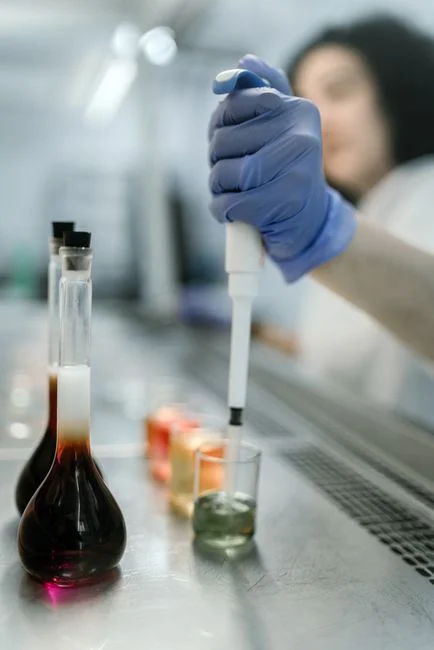
Hand this list to any supplier when asking for a 2026 quotation on a Sihanoukville industrial plant.
- Headworks: rotary mechanical bar screen with 3–5 mm openings, grit chamber sized for 60 s retention at peak flow.
- Equalization: 12–24 h HRT basin with aeration mixing, pH and conductivity probes, magnetic flow meter on inlet and outlet.
- Primary clarification: DAF unit rated 4–25 m³/h per cell, fed by an automatic chemical dosing skid dosing polyaluminum chloride at 50–150 mg/L and anionic PAM at 1–3 mg/L.
- Biological stage: MBR system with submerged PVDF 0.1 μm membranes, OR SBR with timed decanters and blowers, OR MBBR with 30–40% carrier fill — all PLC-automated with DO and MLSS feedback.
- Polishing/tertiary: multi-media filter for residual TSS, optional activated carbon for textile color, chemical precipitation skid for heavy metals when influent Zn or Cr is elevated. For sites with mixed domestic and industrial flows, an integrated packaged domestic-plus-industrial skid can simplify permitting.
- Sedimentation: high-efficiency sedimentation tank for sludge thickening ahead of the press.
- Disinfection: UV at ≥ 40 mJ/cm² dose, or ClO₂ generator at 0.5–2 mg/L residual, selected on site power reliability.
- Sludge line: sludge thickener, plate-and-frame filter press, and polymer dosing skid; cake at 30–40% DS for landfill or off-site reuse.
- Automation: PLC + HMI with remote SCADA, flow-proportional chemical dosing, and 12-month data logging for MOE compliance reporting.
For broader 2026 procurement context — buyer pricing, lead times, and regional compliance tightening — the 2026 industrial wastewater market trends brief is a useful companion read. For a like-for-like Southeast Asian reference plant, the Sihanoukville industrial wastewater guide walks through Semarang's process selection. When a port concessionaire is comparing pre-treatment options, the DAF vs OWS comparison is a clean engineering brief, and the MBR flat-sheet membrane performance note documents the reuse-grade effluent numbers a 2026 EPC should hold the supplier to.
Frequently Asked Questions About Industrial Wastewater Treatment in Sihanoukville
What are the Cambodia MOE industrial discharge limits a 2026 Sihanoukville plant must meet?
The typical surface-water discharge limits are BOD₅ ≤ 50 mg/L, COD ≤ 100 mg/L, TSS ≤ 50 mg/L, oil & grease ≤ 5 mg/L, pH 6–9, total nitrogen ≤ 20 mg/L, total phosphorus ≤ 2 mg/L, with heavy-metal ceilings at Pb ≤ 0.1, Cd ≤ 0.1, Cr total ≤ 0.1, Hg ≤ 0.005, and Zn ≤ 2 mg/L (per the 1999 Sub-Decree and 2024–2025 MOE Prakas amendments).
What is the most cost-effective process train for a 50–200 m³/day Sihanoukville garment or food plant?
DAF pre-treatment followed by an SBR biological stage with a polishing sand filter and UV/ClO₂ disinfection is the 2026 lowest-CAPEX option at USD 130,000–450,000 installed, with OPEX of USD 0.12–0.22 per m³ treated; choose DAF+MBR instead when the SEZ plot is tight or reuse-grade effluent is required.
How much does a 5–20 m³/day containerized industrial wastewater plant cost in Cambodia in 2026?
A DAF+MBR skid ships at USD 60,000–120,000 EXW China plus indicative CIF Sihanoukville and on-site install, with OPEX of USD 0.20–0.40 per m³ including chemicals, power, and sludge disposal at USD 25–60 per wet ton.
Which Sihanoukville sectors are easiest vs hardest to treat?
Construction wash water and port runoff are the easiest — physico-chemical DAF plus a sand filter and ClO₂ can meet the 2026 limits because influent BOD₅ is already below 50 mg/L. Seafood and aquaculture (high TKN, salinity swings) and textile dyeing (high pH, color, sulfide) are the hardest, and require DAF plus a sized biological stage with a polishing filter.
What influent sampling does the Cambodia MOE require before a permit is issued?
A 7-day composite sampling report covering at least pH, COD, BOD₅, TSS, oil & grease, total nitrogen, and the relevant heavy metals, tied to the design basis — the report must be submitted with the permit application and re-validated annually thereafter.