A major Semarang textile factory recently faced significant fines and production halts due to persistent COD levels exceeding 150 mg/L, far above Indonesia’s <100 mg/L standard. This real-world scenario underscores that in Semarang, industrial wastewater treatment compliance hinges on meeting Indonesia’s effluent standards for BOD (<50 mg/L), COD (<100 mg/L), and TSS (<50 mg/L), as enforced by the Ministry of Environment and Forestry. A 2025 study of 26 Semarang industries found that certified POPAL operators achieved 85% compliance with these parameters, compared to 40% for non-certified staff. This guide provides 2026 engineering specs, equipment selection criteria, and zero-risk strategies for upgrading treatment systems to avoid fines and operational disruptions.
Semarang’s Industrial Wastewater: Key Contaminants and Regulatory Benchmarks
Industrial sectors in Semarang generate diverse wastewater streams, each characterized by specific pollutant profiles that necessitate tailored treatment approaches for compliance. Textile factories, for instance, typically discharge wastewater with Chemical Oxygen Demand (COD) ranging from 800–1500 mg/L and Total Suspended Solids (TSS) between 300–600 mg/L, along with high color and pH fluctuations (HydropureWater field data, 2025). Food processing operations, conversely, often contend with high levels of Fats, Oils, and Grease (FOG) at 200–500 mg/L and Biological Oxygen Demand (BOD) between 1000–2000 mg/L, reflecting organic-rich waste. Metalworking facilities frequently face challenges with heavy metals (e.g., chromium, nickel) and elevated pH, while chemical and pharmaceutical industries typically handle complex organic compounds and specific hazardous substances. Indonesia’s Ministry of Environment Regulation No. 5/2014 sets stringent effluent standards for industrial wastewater, mandating BOD <50 mg/L, COD <100 mg/L, TSS <50 mg/L, and a pH range of 6–9. Non-compliance in Semarang is met with substantial penalties, with 2024 fines ranging from IDR 500 million to 2 billion, alongside potential operational sanctions. The role of certified wastewater treatment personnel (POPAL) is critical; research indicates that 85% of facilities with certified operators consistently meet these standards, compared to only 40% of those without. POPAL certification ensures operators possess competencies in risk identification, facility operation, and adherence to standard operating procedures, directly impacting a plant's ability to maintain compliance.
| Industrial Sector (Semarang) | Characteristic Contaminants | Typical Influent Concentration Range | Indonesia Effluent Standard |
|---|---|---|---|
| Textile | COD, TSS, Color, pH, BOD | COD: 800–1500 mg/L, TSS: 300–600 mg/L, BOD: 300–800 mg/L | COD: <100 mg/L, TSS: <50 mg/L, BOD: <50 mg/L, pH: 6-9 |
| Food Processing | FOG, BOD, COD, TSS | FOG: 200–500 mg/L, BOD: 1000–2000 mg/L, COD: 2000–4000 mg/L | FOG: <30 mg/L, BOD: <50 mg/L, COD: <100 mg/L, TSS: <50 mg/L |
| Metalworking | Heavy Metals (Cr, Ni, Zn), TSS, pH, Oil & Grease | Heavy Metals: 5–50 mg/L, TSS: 100–300 mg/L, pH: 2–4 or 10–12 | Heavy Metals: <0.1–1.0 mg/L (specific to metal), TSS: <50 mg/L, pH: 6-9 |
| Chemical | COD, BOD, TSS, Specific Organics, pH, Salinity | COD: 500–2000 mg/L, BOD: 200–1000 mg/L, pH: Varies widely | COD: <100 mg/L, BOD: <50 mg/L, TSS: <50 mg/L, pH: 6-9 |
| Pharmaceutical | COD, BOD, TSS, Pharmaceuticals, Solvents | COD: 400–1000 mg/L, BOD: 150–400 mg/L, TSS: 50–200 mg/L | COD: <100 mg/L, BOD: <50 mg/L, TSS: <50 mg/L, pH: 6-9 |
Engineering Specs for Semarang’s Industrial Wastewater Treatment Systems
Precise engineering specifications are paramount for designing and optimizing wastewater treatment systems to consistently achieve Semarang’s stringent effluent quality standards. For textile wastewater, achieving high COD removal (90–95%) often necessitates advanced biological treatment like MBR systems, while DAF systems typically achieve 80–85% COD removal, primarily targeting suspended solids and some colloidal organics. A well-designed MBR system, suitable for high-efficiency COD removal in Semarang’s textile and pharmaceutical industries, operates with hydraulic loading rates (HLR) typically between 0.5–1.0 m³/m²/day, offering a compact footprint and superior effluent quality. In contrast, DAF systems, effective for FOG and TSS removal in Semarang’s food processing and metalworking sectors, can handle higher HLRs of 5–10 m³/m²/h, making them ideal for primary clarification. Conventional activated sludge systems, while robust, generally have lower organic loading rates, around 0.3–0.6 kg BOD/m³/day.
Sludge production varies significantly by industry and treatment technology. Textile wastewater treatment can generate 0.3–0.5 kg TSS per kg of BOD removed, while food processing can yield 0.5–0.8 kg TSS/kg BOD removed due to higher organic content. Efficient sludge dewatering, often achieved with filter presses or centrifuges, is crucial for minimizing disposal costs. Chemical dosing is frequently required for pH adjustment; textile wastewater may need 100–200 mg/L of NaOH to raise pH, while metalworking effluents might require 50–100 mg/L of H₂SO₄ for acidification. Coagulants like Polyaluminium Chloride (PAC) or alum are essential for enhancing TSS removal, with typical PAC dosages ranging from 50–150 mg/L depending on turbidity and contaminant load.
| Parameter | Textile Wastewater | Food Processing Wastewater | Metalworking Wastewater |
|---|---|---|---|
| Typical Influent Parameters (Raw Wastewater) | |||
| BOD₅ (mg/L) | 300–800 | 1000–2000 | 50–200 |
| COD (mg/L) | 800–1500 | 2000–4000 | 150–500 |
| TSS (mg/L) | 300–600 | 500–1000 | 100–300 |
| FOG (mg/L) | 20–50 | 200–500 | 50–200 |
| Heavy Metals (mg/L) | <1 | <0.5 | 5–50 (Cr, Ni, Zn) |
| pH | 8–12 | 4–6 | 2–4 or 10–12 |
| Temperature (°C) | 35–60 | 25–40 | 20–35 |
| Typical Effluent Parameters (Post-Treatment Goal) | |||
| BOD₅ (mg/L) | <50 | <50 | <50 |
| COD (mg/L) | <100 | <100 | <100 |
| TSS (mg/L) | <50 | <50 | <50 |
| FOG (mg/L) | <10 | <30 | <10 |
| Heavy Metals (mg/L) | <0.1 | <0.1 | <0.1–1.0 (specific to metal) |
| pH | 6–9 | 6–9 | 6–9 |
| Typical Removal Efficiencies (Achievable with Optimal System Design) | |||
| BOD₅ Removal | 90–98% (MBR) | 90–95% (MBR/Activated Sludge) | 80–90% (Biological) |
| COD Removal | 90–95% (MBR) | 85–95% (MBR/Activated Sludge) | 70–85% (Physico-Chemical) |
| TSS Removal | 95–99% (MBR/DAF) | 90–98% (DAF/MBR) | 90–98% (DAF/Filtration) |
| FOG Removal | 70–80% (DAF) | 90–98% (DAF) | 80–95% (DAF) |
| Heavy Metals Removal | N/A | N/A | 95–99% (Chemical Precipitation/Resin Adsorption) |
| Typical Hydraulic Loading Rates (HLR) | |||
| MBR (m³/m²/day) | 0.5–1.0 | ||
| DAF (m³/m²/h) | 5–10 | ||
| Activated Sludge (kg BOD/m³/day) | 0.3–0.6 | ||
Equipment Selection Guide: MBR vs. DAF vs. Chemical Dosing for Semarang Industries
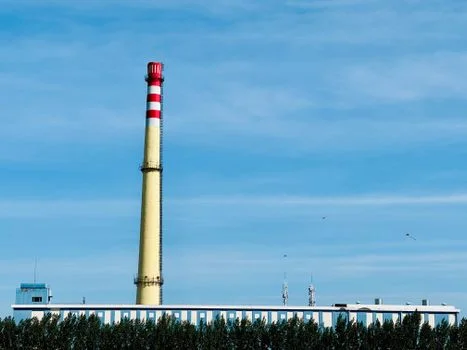
Selecting the appropriate wastewater treatment technology is a critical decision that directly impacts compliance, operational costs, and long-term sustainability for Semarang industries. MBR systems for high-efficiency COD removal in Semarang’s textile and pharmaceutical industries offer superior effluent quality, a compact footprint, and high removal efficiencies for BOD, COD, and TSS, making them ideal for industries facing stringent discharge limits or limited space. For example, a Semarang textile factory achieved a remarkable reduction in COD from 1200 mg/L to 80 mg/L using an MBR system, consistently maintaining 93% compliance with POPAL standards (HydropureWater project data, 2024). However, MBR systems typically have higher CAPEX and require more skilled operators compared to other options.
DAF systems for FOG and TSS removal in Semarang’s food processing and metalworking sectors excel at removing suspended solids, FOG, and some colloidal matter, making them highly effective as a primary or secondary treatment stage for industries with high particulate loads. They offer a good balance of CAPEX and OPEX, with relatively simple operation. Chemical dosing systems, including automated chemical dosing for pH adjustment and coagulant addition in Semarang’s industrial wastewater, are often used in conjunction with physical or biological treatments. They are crucial for pH neutralization, heavy metal precipitation, and enhancing flocculation, offering high removal efficiencies for specific contaminants at a lower CAPEX, but with ongoing chemical costs. For industries like pharmaceuticals requiring ultra-pure water for reuse, integrating technologies such as Reverse Osmosis (RO) water purification post-biological treatment is an effective strategy.
An effective ROI framework for upgrading from conventional activated sludge to MBR systems for a textile factory in Semarang might show a CAPEX increase of approximately 30% but yield OPEX savings of 20% due to reduced sludge disposal costs and avoidance of compliance fines, leading to a payback period of 3-5 years.
| Criteria | MBR (Membrane Bioreactor) | DAF (Dissolved Air Flotation) | Chemical Dosing (e.g., pH, Coagulation) |
|---|---|---|---|
| Primary Use Case (Semarang Industries) | Textile, Pharmaceutical, High-COD Food Processing | Food Processing (FOG), Metalworking (TSS, Oil), Pulp & Paper | pH Adjustment (Textile, Metalworking), Heavy Metals (Metalworking), TSS Enhancement (various) |
| Typical CAPEX (Relative) | High | Medium | Low |
| Typical OPEX (Relative) | Medium-High (Energy, Membrane Cleaning) | Medium (Energy, Chemicals, Sludge) | Medium (Chemicals, Sludge) |
| Footprint Required | Small (Compact) | Medium | Small (Ancillary) |
| BOD Removal Efficiency | 95-99% | 50-80% (primary) | 10-30% (indirect) |
| COD Removal Efficiency | 90-95% | 60-85% (primary/secondary) | 20-50% (indirect, via TSS removal) |
| TSS Removal Efficiency | >99% | 90-98% | 80-95% |
| FOG Removal Efficiency | 70-80% (with proper pre-treatment) | 90-98% | 30-60% (with proper coagulants) |
| Sludge Production | Lower (due to long SRT) | Higher (solids concentrated) | Variable (depends on contaminant load, chemical type) |
| Operator Skill Required | High | Medium | Low-Medium (especially with automated systems) |
| Maintenance Frequency | Medium-High (membrane cleaning/replacement) | Medium | Low-Medium (pump calibration, chemical replenishment) |
| Scalability | Good | Good | Excellent |
Compliance Checklist: POPAL Certification and Operational Best Practices
Achieving initial compliance with industrial wastewater treatment standards in Semarang is only the first step; continuous operational excellence is paramount for maintaining it. POPAL (Pencemaran Air dan Limbah) certification for wastewater treatment operators is a mandatory requirement in Indonesia, ensuring personnel possess the necessary skills to manage and operate treatment facilities effectively. The certification process typically involves 40 hours of specialized training covering theory and practical applications, followed by an examination. Renewal is required every 3 years to ensure operators stay updated with evolving technologies and regulations. Operational best practices for maintaining compliance include daily monitoring of key parameters such as BOD, COD, and TSS, ensuring they remain within acceptable ranges (e.g., effluent COD consistently below 80 mg/L). Regular calibration of automated chemical dosing systems is crucial; for instance, PAC dosage for TSS removal typically needs to be maintained between 50–100 mg/L based on influent turbidity. Effective sludge management, including dewatering frequency (e.g., 2–3 times/week for textile sludge using a plate and frame filter press), is vital to prevent system overload and ensure efficient solid-liquid separation.
Common compliance pitfalls observed in Semarang include overloading treatment systems, particularly in textile factories exceeding MBR hydraulic loading rates, which can lead to membrane fouling and reduced effluent quality. Inadequate chemical dosing, such as under-dosing PAC, frequently results in TSS violations. A significant issue is the lack of proper operator training, where non-certified staff may adjust pH incorrectly or fail to troubleshoot system anomalies promptly. For instance, if high COD levels are detected in an MBR effluent, the immediate troubleshooting step involves verifying aeration rates and dissolved oxygen levels in the biological reactor. If TSS is high in a DAF system, operators should check for proper air saturation, effective skimming, and coagulant dosage. Implementing these best practices and ensuring a well-trained, POPAL-certified team significantly reduces the risk of non-compliance and operational disruptions.
Cost Breakdown: Wastewater Treatment Upgrades in Semarang (2026)
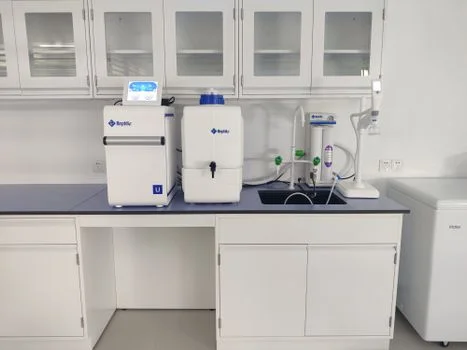
Investing in industrial wastewater treatment upgrades in Semarang represents a significant financial commitment, requiring detailed CAPEX (Capital Expenditure) and OPEX (Operational Expenditure) planning. For a typical industrial facility in Semarang, 2026 CAPEX estimates for new or upgraded systems range considerably. MBR systems designed for flows of 50–200 m³/day can cost between IDR 2.5–5 billion, reflecting their advanced technology and compact footprint. DAF systems for similar flow rates (50–200 m³/h) typically fall within IDR 1.2–2.5 billion, offering a cost-effective solution for solids and FOG removal. Basic chemical dosing systems for pH adjustment or coagulation are more modest, ranging from IDR 300–800 million. Installation and commissioning costs generally add an additional 10–15% to the total CAPEX. For a broader perspective on budgeting, consider cost models for industrial wastewater treatment upgrades in emerging markets.
OPEX is a recurring cost factor, comprising several key components. Energy consumption is a major contributor, with MBR systems typically consuming 0.8–1.2 kWh/m³ due to aeration and membrane filtration, while DAF systems use 0.3–0.5 kWh/m³ primarily for pumps and compressors. Chemical costs are substantial; PAC can range from IDR 15,000–25,000/kg, and NaOH from IDR 10,000–15,000/kg, depending on bulk purchase and market fluctuations. Sludge disposal costs are also significant, estimated at IDR 500,000–1 million/ton for textile sludge in Semarang, emphasizing the need for efficient dewatering. An ROI calculation for upgrading to MBR in textile factories often shows a payback period of 3–5 years, driven by reduced sludge disposal costs, lower compliance fines, and potential water reuse opportunities. Government initiatives, such as the Ministry of Industry’s Green Industry Program, may offer grants, while banks like BRI provide sustainable business loans with competitive interest rates, often around 7%, to support environmental compliance projects. For more detailed breakdowns, refer to wastewater treatment plant cost analyses in other regions.
| Cost Category | MBR System (50–200 m³/day) | DAF System (50–200 m³/h) | Chemical Dosing System |
|---|---|---|---|
| CAPEX (2026 Estimates for Semarang) | |||
| Equipment Cost | IDR 2.5–5 Billion | IDR 1.2–2.5 Billion | IDR 300–800 Million |
| Installation & Commissioning | 10–15% of Equipment Cost | 10–15% of Equipment Cost | 10–15% of Equipment Cost |
| Civil Works (Est.) | IDR 500 Million–1 Billion | IDR 300–600 Million | IDR 50–150 Million |
| OPEX (Annual Estimates per m³ Treated) | |||
| Energy Consumption | 0.8–1.2 kWh/m³ | 0.3–0.5 kWh/m³ | 0.1–0.2 kWh/m³ |
| Chemicals (PAC, NaOH, etc.) | IDR 2,000–4,000/m³ | IDR 1,500–3,000/m³ | IDR 1,000–2,500/m³ (variable) |
| Sludge Disposal (per ton) | IDR 500,000–1 Million (highly dependent on volume/type) | ||
| Maintenance & Spare Parts | 5–7% of CAPEX (annual) | 3–5% of CAPEX (annual) | 2–4% of CAPEX (annual) |
| Labor Costs | IDR 10–20 Million/month (skilled operator) | IDR 7–15 Million/month (trained operator) | IDR 5–10 Million/month (part-time/automated) |
Frequently Asked Questions
Navigating industrial wastewater treatment in Semarang often raises several key questions for facility managers and environmental engineers.
What are the penalties for non-compliance with wastewater standards in Semarang?
Fines for non-compliance in Semarang range from IDR 500 million to 2 billion, with potential facility shutdowns or operational restrictions for repeated violations, as enforced under Indonesia’s Ministry of Environment Regulation No. 5/2014. These penalties underscore the financial and operational risks of failing to meet effluent quality standards.
How often should industrial wastewater treatment systems be monitored?
Daily monitoring of key parameters like pH, flow rate, and visual clarity is recommended for all industrial wastewater treatment systems. More in-depth analyses for BOD, COD, and TSS should be conducted weekly or bi-weekly, with external laboratory testing performed monthly to ensure consistent compliance with Indonesia's effluent standards.
What is the typical ROI for upgrading to an MBR system in Semarang?
Upgrading to an MBR system in Semarang typically offers a Return on Investment (ROI) with a payback period of 3–5 years for textile factories. This is primarily driven by significant reductions in sludge disposal costs, avoidance of hefty compliance fines, and potential for water reuse, which lowers fresh water consumption.
What is POPAL certification and why is it important for Semarang industries?
POPAL (Pencemaran Air dan Limbah) certification is a mandatory competency standard for wastewater treatment operators in Indonesia. It is crucial for Semarang industries because certified operators achieve 85% compliance with effluent standards, compared to 40% for non-certified staff, directly improving operational efficiency and reducing regulatory risks.
How can I reduce sludge disposal costs for my industrial facility in Semarang?
Reducing sludge disposal costs can be achieved through effective dewatering technologies like filter presses or centrifuges, which minimize sludge volume. Optimizing biological treatment to reduce excess sludge production and exploring options for beneficial reuse or co-processing of dewatered sludge can also significantly lower the IDR 500,000–1 million/ton disposal costs.
Further Reading
Explore these in-depth articles on related wastewater treatment topics: