Montreal’s Industrial Wastewater Regulatory Landscape: 2025 Compliance Requirements
Montreal’s industrial wastewater treatment landscape is governed by the Ministère de l'Environnement, de la Lutte contre les changements climatiques, de la Faune et des Parcs (MELCCFP), which mandates pretreatment for facilities discharging into the municipal sewer system or natural water bodies. The Jean-R.-Marcotte plant, one of the world’s largest, treats nearly 50% of Quebec’s wastewater but requires industrial users to meet strict influent limits, such as Total Suspended Solids (TSS) under 350 mg/L and Biochemical Oxygen Demand (BOD) under 300 mg/L. This guide provides 2025 engineering specifications for DAF, MBR, and chemical dosing systems, cost benchmarks ranging from $250,000 to $1.2 million for a 50–200 m³/h DAF system, and a step-by-step compliance checklist to avoid penalties up to $500,000 under Quebec’s Environmental Quality Act.
Quebec’s Environmental Quality Act (EQA) requires all industrial facilities in Montreal to obtain an authorization under Article 22 before discharging wastewater into the environment or municipal networks. The MELCCFP oversight ensures that industrial discharges protect drinking water, commercial fishing, and recreational uses of the St. Lawrence River. For facilities in the Montreal metropolitan area, compliance is two-fold: meeting the provincial Regulation respecting municipal wastewater treatment works and adhering to the specific by-laws of the Communauté métropolitaine de Montréal (CMM). These regulations target specific contaminants based on industry type, such as Fats, Oils, and Grease (FOG) in food processing, heavy metals in chemical manufacturing, and dye toxicity in the textile sector.
The permit application process involves a rigorous 90-day review timeline following the submission of a characterization study. This study must include 24-hour composite samples to account for diurnal variations in production cycles. Reporting is typically required on a quarterly basis, though large-scale operations may face more frequent monitoring mandates. Failure to comply with these discharge limits can result in administrative monetary penalties or penal fines reaching $500,000 per day of infraction under Article 115.1 of the EQA, with repeat offenders risking total plant shutdowns.
| Parameter | Montreal Municipal Limit (Typical) | MELCC Environmental Limit (Direct Discharge) | Primary Treatment Technology |
|---|---|---|---|
| Total Suspended Solids (TSS) | < 350 mg/L | < 25–30 mg/L | DAF, Lamella Clarifier |
| Biochemical Oxygen Demand (BOD5) | < 300 mg/L | < 20–25 mg/L | MBR, Activated Sludge |
| Fats, Oils, and Grease (FOG) | < 100 mg/L | < 15 mg/L | DAF |
| pH Range | 5.5 – 9.5 | 6.5 – 8.5 | Chemical Dosing (Acid/Base) |
| Heavy Metals (Total) | < 5 mg/L | < 1 mg/L | Precipitation + Filtration |
Engineering Specifications for Industrial Pretreatment Systems in Montreal
Dissolved Air Flotation (DAF) systems utilized in Montreal’s food processing and petrochemical sectors achieve Total Suspended Solids (TSS) removal rates of 92% to 97% by utilizing micro-bubbles between 10 and 80 μm. For facilities managing high concentrations of emulsified oils, a high-efficiency DAF system for Montreal’s food processing and petrochemical industries is the industry standard. These systems are engineered for flow rates ranging from 4 to 300 m³/h. The process relies on a saturation vessel where air is dissolved into recycled effluent at high pressure (0.4–0.6 MPa); once released into the flotation tank, the resulting micro-bubbles attach to flocculated particles, lifting them to the surface for mechanical skimming.
For pharmaceutical and textile industries where soluble organic loads exceed municipal limits, Membrane Bioreactor (MBR) technology offers a superior footprint-to-efficiency ratio. A compact MBR system for Montreal’s pharmaceutical and textile wastewater treatment utilizes PVDF hollow-fiber or flat-sheet membranes with a nominal pore size of 0.1 μm. This physical barrier ensures effluent quality with TSS < 1 mg/L and BOD < 5 mg/L, consistently outperforming conventional secondary clarifiers. Engineering specifications for these systems include an energy consumption profile of 0.4 to 0.8 kWh/m³, making them viable for long-term operational efficiency in Quebec's energy market.
Chemical management is critical for meeting heavy metal and pH standards. PLC-controlled chemical dosing for Montreal’s industrial pretreatment compliance allows for precise injection of coagulants (e.g., ferric chloride) and flocculants (PAM) at rates ranging from 0.1 to 500 L/h. These systems integrate with continuous pH and ORP (Oxidation-Reduction Potential) sensors to automate the precipitation of trivalent chromium, nickel, or zinc. to manage the resulting solids, sludge dewatering solutions for Montreal’s industrial wastewater treatment plants—such as plate-and-frame filter presses with filtration areas up to 500 m²—are employed to achieve cake solids content between 30% and 45%, significantly reducing disposal volumes.
| System Component | Technical Specification | Performance Metric | Ideal Application |
|---|---|---|---|
| DAF | Micro-bubble size: 10–80 μm | 95–99% FOG Removal | Meat processing, Dairy |
| MBR (DF Series) | Pore size: 0.1 μm (PVDF) | BOD < 5 mg/L | Pharma, Textiles |
| Chemical Dosing | Multi-channel PLC control | pH accuracy ±0.1 | Metal finishing, Mining |
| Lamella Clarifier | Surface loading: 20–40 m/h | 90% Grit Removal | Inorganic manufacturing |
| Filter Press | Pressure: 0.6–1.2 MPa | 30–45% Solids Content | All sludge-producing sites |
Cost Benchmarks for Industrial Wastewater Treatment in Montreal: 2025 Data

The total capital expenditure for a 100 m³/h industrial wastewater pretreatment plant in Montreal typically ranges from $450,000 to $1.5 million, depending on the complexity of the influent stream. For a standard 50–200 m³/h DAF system, equipment costs are benchmarked between $250,000 and $1.2 million. MBR systems, due to the high cost of membrane modules and aeration infrastructure, command higher prices, ranging from $400,000 to $2 million for capacities of 100–500 m³/day. These figures represent the equipment purchase price and do not include the necessary ancillary components such as chemical dosing skids, which typically add $50,000 to $200,000 to the project budget.
Installation and integration costs in Quebec are estimated at 20% to 30% of the equipment value. This includes civil works (concrete pads and sumps), stainless steel piping, and electrical integration into the facility’s SCADA system. For a 100 m³/h DAF installation, facility managers should budget approximately $100,000 to $300,000 for these services. permitting and engineering consultancy fees for MELCCFP Article 22 applications range from $10,000 to $50,000, covering characterization studies, professional engineer-stamped drawings, and impact assessments.
Operational expenditures (OPEX) in Montreal are influenced by Quebec's industrial electricity rates and the cost of chemical consumables. Energy costs for pretreatment generally fall between $0.10 and $0.30 per cubic meter treated. Chemical costs (coagulants/flocculants) vary widely but average $0.05 to $0.20 per cubic meter. A significant OPEX driver is sludge disposal; in 2025, tipping fees for industrial sludge in Quebec range from $150 to $300 per ton. An ROI analysis for a 100 m³/h food processing plant often shows a payback period of 3 to 5 years, primarily driven by the avoidance of municipal surcharges and potential fines, as well as the potential for treated water reuse in non-potable applications.
| Cost Category | Estimated Range (CAD) | Basis of Estimate |
|---|---|---|
| DAF Equipment (50-200 m³/h) | $250,000 – $1,200,000 | HydropureWater 2025 Database |
| MBR Equipment (100-500 m³/day) | $400,000 – $2,000,000 | HydropureWater 2025 Database |
| Installation & Civil Works | 20–30% of CAPEX | Montreal contractor averages |
| MELCC Permitting & Engineering | $10,000 – $50,000 | Local consultancy benchmarks |
| Sludge Disposal (Quebec) | $150 – $300 per ton | Regional landfill/incinerator rates |
Step-by-Step Compliance Checklist for Montreal Industrial Facilities
The MELCCFP mandates a 90-day review timeline for industrial wastewater permit applications, requiring 24-hour composite samples to validate influent characteristics before any equipment is installed. To ensure compliance and avoid the $500,000 penalty structure, Montreal facility managers should follow this structured framework:
- Wastewater Characterization Study: Conduct a minimum 7-day sampling program. Measure TSS, BOD, Chemical Oxygen Demand (COD), FOG, pH, and specific heavy metals relevant to your sector. This data is essential for accurate equipment sizing.
- Permit Application (Article 22): Submit the Demande d’autorisation pour le rejet d’eaux usées industrielles to the MELCCFP. Ensure the application includes a technical description of the proposed treatment train and is signed by a member of the Ordre des ingénieurs du Québec (OIQ).
- Technology Selection: Select equipment based on the characterization results. Use DAF for high FOG and TSS; use MBR for high soluble BOD. Ensure the system includes redundancy for critical pumps and blowers to prevent bypass events.
- Monitoring Infrastructure: Install continuous flow meters and automatic refrigerated samplers. For metalworking facilities, real-time pH and turbidity monitoring are often required to trigger automated shut-off valves if limits are exceeded.
- Reporting and Auditing: Establish a quarterly reporting schedule to the MELCCFP. For facilities discharging more than 500 m³/day, plan for an annual third-party environmental audit to verify meter calibration and lab accuracy.
When planning these steps, it is useful to understand how Montreal’s regulations compare to British Columbia’s industrial wastewater standards, as cross-provincial operations may require different monitoring frequencies and sampling protocols.
How to Select the Right Wastewater Treatment System for Your Montreal Plant
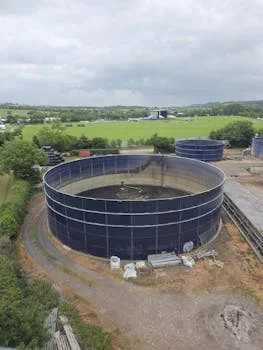
Selecting between DAF and MBR technologies in Quebec is primarily driven by the ratio of Fats, Oils, and Grease (FOG) to soluble BOD in the raw influent. A decision framework begins with a clear understanding of the primary contaminant. If the influent FOG concentration exceeds 100 mg/L, a DAF system is the mandatory first step to protect downstream biological processes or to meet municipal sewer codes. Conversely, if the goal is direct discharge into a natural water body or high-grade water reuse, an MBR system is necessary to achieve the ultra-low TSS and BOD limits required by the MELCCFP.
Industry-specific constraints also dictate technology choice. Food processing plants in Montreal often favor a hybrid approach: DAF for primary solids and grease removal, followed by chemical dosing for pH adjustment. Chemical manufacturers, dealing with complex organic molecules and heavy metals, typically require MBR systems combined with specialized precipitation stages. Space is another critical factor; MBR systems generally require 60% less footprint than conventional activated sludge systems, which is a decisive advantage for urban manufacturing plants in Montreal’s industrial parks where land is at a premium.
Finally, consider the potential for water reuse. MBR effluent quality often meets the criteria set by Quebec’s Regulation respecting the quality of drinking water for non-potable reuse. This allows facilities to recycle water for cooling towers, floor washing, or irrigation, providing a hedge against rising municipal water rates and improving the facility's environmental profile.
| Influent Characteristic | Treatment Goal | Recommended System |
|---|---|---|
| High FOG (>100 mg/L), High TSS | Sewer Compliance | DAF + Chemical Dosing |
| High Soluble BOD, Low FOG | Direct Discharge/Reuse | MBR (Membrane Bioreactor) |
| Heavy Metals, Variable pH | Precipitation | Multi-stage Chemical Dosing |
| High BOD, High TSS, Limited Space | Sewer Compliance | Compact Integrated MBR |
| Large Solids, Low Flow | Primary Clarification | Lamella Clarifier + Filter Press |
Frequently Asked Questions
What are the specific TSS and BOD limits for Montreal industrial sewer discharge?
Under current municipal by-laws, most industrial facilities must keep Total Suspended Solids (TSS) below 350 mg/L and Biochemical Oxygen Demand (BOD5) below 300 mg/L. Exceeding these limits without a prior agreement leads to significant surcharges calculated per kilogram of excess contaminant.
How long does it take to get a wastewater discharge permit from the MELCCFP?
The standard review period for an Article 22 authorization is 90 days. However, this timeline can be extended if the characterization data is incomplete or if the proposed treatment technology does not meet the "Best Available Technology" (BAT) standards for the specific industry.
Can I use MBR treated water for production processes in Quebec?
Yes, MBR effluent is of high enough quality for many non-potable industrial uses, such as cooling water or equipment rinsing. However, any reuse plan must be approved by the MELCCFP to ensure it meets safety standards for worker exposure and prevents cross-contamination with potable water lines.
What is the typical lifespan of MBR membranes in an industrial setting?
In a well-maintained system with proper pretreatment (to remove hair, fibers, and grease), PVDF membranes typically last 5 to 8 years. Regular "Clean-in-Place" (CIP) cycles using citric acid or sodium hypochlorite are essential to maintain flux rates and prevent irreversible fouling.
Are there grants available for industrial wastewater upgrades in Quebec?
Various provincial programs, such as those offered by Investissement Québec or through federal green technology funds, may provide low-interest loans or grants for projects that significantly reduce water consumption or contaminant loading in the St. Lawrence River watershed.