Industrial wastewater treatment in Gaziantep demands tailored solutions to meet stringent discharge limits and increasing regulatory pressure within Organized Industrial Zones (OIZs). Facilities can achieve over 95% Chemical Oxygen Demand (COD) and 92–97% Total Suspended Solids (TSS) removal using Dissolved Air Flotation (DAF) and Membrane Bioreactor (MBR) systems, with treatment costs typically ranging from $0.80–$2.20/m³ based on flow rates and contaminant loads. While Gaziantep operates three municipal wastewater treatment plants and six package plants, industrial users frequently require on-site pre-treatment to achieve compliance before discharge.
Industrial Wastewater Challenges in Gaziantep’s OIZs
Gaziantep hosts multiple Organized Industrial Zones (OIZs) under the Gaziantep Green City Action Plan, which mandates improved industrial effluent management. This initiative underscores the city's commitment to sustainable industrial growth, placing significant responsibility on factories to manage their wastewater effectively. Industrial dischargers in Gaziantep must rigorously adhere to Turkey’s Industrial Waste Water Discharge Regulation (WWDR), which sets strict limits such as COD ≤ 200 mg/L, BOD ≤ 100 mg/L, and TSS ≤ 100 mg/L for discharge into municipal sewers (MIGA and EBRD reports). These standards are critical for maintaining environmental quality and preventing pollution in the region.
The existing infrastructure, including the Akçaburç package wastewater treatment plant (WWTP), often has limited capacity for high-volume or highly contaminated industrial effluent. This limitation means that most factories operating within Gaziantep OIZs cannot directly discharge their untreated wastewater into the municipal sewer system. Instead, on-site pre-treatment is frequently a mandatory step to reduce contaminant loads to acceptable levels before sewer connection. This requirement for compare wastewater solutions in major Turkish industrial cities underscores the need for robust industrial effluent treatment Turkey-wide, especially in rapidly industrializing regions like Gaziantep.
the Gaziantep City Water and Sewerage Administration (GASKI) operates Türkiye's first sludge incineration plant, which processes sludge at high temperatures ranging from 850–1100°C. This advanced sludge handling capability means industrial users must align their sludge output with these requirements, typically by dewatering sludge to achieve higher dry solids content. Efficient sludge dewatering not only reduces disposal costs but also ensures compatibility with GASKI's thermal treatment process, minimizing environmental impact and maximizing energy recovery.
Best Treatment Technologies for Gaziantep Factories
DAF systems remove 90–95% of FOG (fats, oils, and grease) and 92–97% of TSS from food processing, textile, and metalworking effluents, making them critical for pre-treatment before municipal discharge. These high-efficiency DAF systems for FOG and TSS removal operate by introducing fine air bubbles into the wastewater, which attach to suspended solids and FOG, causing them to float to the surface for removal. For industries like food processing, where high FOG content is typical, DAF systems are indispensable for meeting pre-treatment standards and preventing sewer blockages. In textile manufacturing, DAF can effectively remove dyes and fibers, while in metalworking, it addresses oils and heavy metal particles.
MBR systems achieve effluent quality with COD < 50 mg/L and turbidity < 1 NTU, making the treated water highly suitable for reuse or discharge into the most stringent environmental zones. These compact MBR systems for high-quality effluent and water reuse combine biological treatment with membrane filtration, providing superior contaminant removal compared to conventional activated sludge processes. For factories in Gaziantep looking to reduce freshwater intake and operating costs, MBR technology offers a viable solution for industrial water reuse Turkey-wide, particularly for non-potable applications such as cooling towers, irrigation, or boiler feed water after further polishing. The compact footprint of MBR plants is also advantageous for space-constrained OIZ facilities.
To protect downstream treatment systems from damage and ensure operational continuity, rotary bar screens with gap sizes between 2–12 mm are essential. These screens effectively remove rags, plastics, and other debris common in mixed industrial inflows, safeguarding pumps, membranes, and other sensitive equipment. chemical dosing systems are required for pH adjustment, typically targeting a range of 6.5–8.5, and for coagulation-flocculation processes. This is particularly crucial for industries like electroplating or chemical manufacturing, where pH fluctuations and colloidal solids are prevalent, requiring precise chemical addition to optimize pollutant removal.
The table below provides a comparative overview of key industrial wastewater treatment technologies applicable in Gaziantep:
| Technology | Key Application | Removal Efficiency (Typical) | Effluent Quality (Typical) | Suitable Industries | Footprint |
|---|---|---|---|---|---|
| DAF System | Pre-treatment for FOG, TSS, colloidal solids | FOG: 90-95%, TSS: 92-97% | FOG: < 30 mg/L, TSS: < 50 mg/L | Food Processing, Textile, Metalworking, Petrochemical | Moderate |
| MBR System | Advanced treatment for high-quality effluent, water reuse | COD: 95-99%, BOD: >98%, TSS: >99% | COD: < 50 mg/L, BOD: < 10 mg/L, Turbidity: < 1 NTU | Pharmaceutical, Municipal, Textile (dyeing), Food & Beverage, General Industrial | Compact |
| Rotary Bar Screen | Primary solids removal, equipment protection | Large solids, rags, debris (2-12 mm) | Protects downstream equipment | All industrial sectors | Small |
| Chemical Dosing | pH adjustment, coagulation/flocculation | Optimizes upstream/downstream processes | pH: 6.5-8.5 (target) | Electroplating, Chemical Manufacturing, Textile, General Industrial | Small |
Cost Breakdown: Building vs Upgrading in Gaziantep
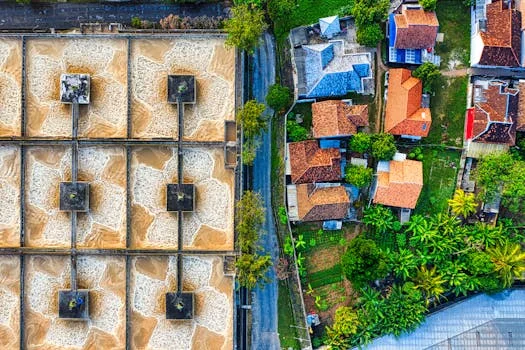
A package DAF system with a capacity of 50 m³/h typically represents a Capital Expenditure (CAPEX) of $85,000–$120,000, with Operational Expenditure (OPEX) around $1.10/m³ including power, chemicals, and maintenance. This detailed CAPEX and OPEX breakdown by system type and capacity highlights the immediate investment required for primary treatment in Gaziantep OIZ wastewater scenarios. The OPEX for a DAF system is largely driven by electricity consumption for pumps and compressors, the cost of coagulants and flocculants, and routine maintenance of mechanical components.
For advanced treatment, an MBR system designed for 100 m³/day typically incurs a CAPEX of $180,000–$250,000, with OPEX ranging from $1.80–$2.20/m³. The higher operational cost of an MBR plant for factories is primarily due to membrane replacement, which is typically required every 5–7 years, alongside higher energy demands for aeration and permeate pumping. However, the superior effluent quality achieved by MBR systems often enables significant water reuse, reducing freshwater intake costs by up to 70% and offering a substantial return on investment over the system's lifespan, especially for industries with high water consumption.
Sludge dewatering via a plate and frame filter press is a critical component for managing byproducts of industrial wastewater treatment in Gaziantep. This technology can reduce sludge volume by 75–80%, dramatically cutting disposal costs from an average of $45 to $12 per ton (HydropureWater field data, 2025). This reduction in volume directly impacts the logistics and cost of transporting sludge to GASKI's incineration plant. skid-mounted treatment systems offer a significant advantage for facilities in Gaziantep, reducing installation time by up to 40%. This rapid deployment capability is particularly beneficial for leased OIZ facilities where quick setup and potential relocation are key considerations.
The table below details typical costs for industrial wastewater treatment systems in Gaziantep:
| System Type | Capacity Example | Typical CAPEX (USD) | Typical OPEX (USD/m³) | Key OPEX Drivers | ROI Considerations |
|---|---|---|---|---|---|
| Package DAF System | 50 m³/h | $85,000 – $120,000 | ~$1.10 | Power, chemicals, sludge disposal, maintenance | Reduced discharge fees, compliance avoidance penalties, operational stability |
| MBR System | 100 m³/day | $180,000 – $250,000 | $1.80 – $2.20 | Membrane replacement (5-7 years), power, sludge, maintenance | Water reuse savings (up to 70% freshwater intake reduction), strict compliance, enhanced brand image |
| Plate & Frame Filter Press | Sludge dewatering for 100 m³/day WWTP | $30,000 – $60,000 | Part of overall OPEX, ~0.10-0.20/m³ WW | Power, filter cloths, labor, polymer | Sludge disposal cost reduction (75-80% volume), GASKI compatibility |
Compliance Roadmap for Industrial Users
Developing an effective compliance roadmap for industrial wastewater in Gaziantep begins with a comprehensive wastewater audit to characterize effluent composition, typically revealing COD levels between 500–2,000 mg/L. This initial step is crucial for understanding the specific contaminants and their concentrations, including BOD, TSS, and oil content, which dictate the necessary treatment approach. A detailed audit provides the baseline data required to design an efficient and compliant pre-treatment system, ensuring that subsequent investments are targeted and effective.
The next step involves designing a robust pre-treatment train tailored to the identified wastewater profile. A typical sequence for industrial effluent treatment Turkey-wide often includes screening for gross solids, followed by a DAF system for efficient removal of FOG and suspended solids. This is then complemented by automated chemical dosing systems for pH control and coagulation to optimize pollutant removal. For facilities aiming for high-quality effluent or water reuse, an optional MBR system can be integrated post-DAF, providing advanced biological treatment and filtration to meet stringent discharge or reuse standards.
Obtaining GASKI approval for sewer connection is a non-negotiable step in the compliance process for industrial users in Gaziantep. Discharge must consistently meet the stipulated pre-treatment standards, which are rigorously enforced to protect the municipal infrastructure and the environment. This approval typically involves submitting detailed design plans, effluent quality reports, and operational protocols. Finally, industrial facilities must pair their treatment systems with efficient plate and frame filter presses for sludge dewatering. The goal is to produce sludge cake at 18–22% dry solids content, which is compatible with GASKI’s thermal incineration process, ensuring responsible and cost-effective sludge disposal.
Frequently Asked Questions
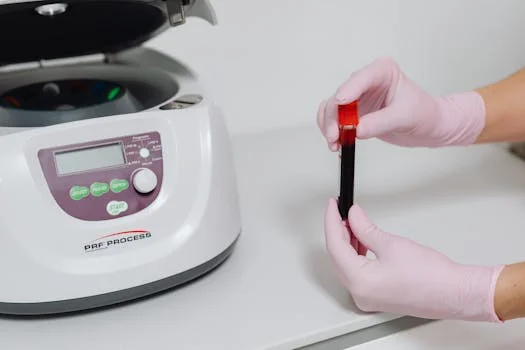
The best system for high-oil industrial wastewater in Gaziantep is typically a Dissolved Air Flotation (DAF) system, which can remove 90–95% of FOG and is ideal for food processing and metalworking plants. DAF systems are highly effective at separating emulsified oils and greases, preventing their discharge into municipal sewers and reducing the risk of blockages and non-compliance fines.
Factories can connect to Akçaburç WWTP without extensive on-site treatment only if their effluent already meets the specific pre-treatment standards set by GASKI. However, most industrial facilities generate wastewater with contaminant loads far exceeding these limits, necessitating on-site DAF systems or clarifiers as a minimum pre-treatment step to ensure compliance.
The cost of industrial wastewater treatment in Gaziantep typically ranges from $0.80–$2.20/m³, depending on the chosen technology, the flow rate, and the complexity of the contaminant load. This range includes both capital and operational expenditures, with more advanced systems like MBR having higher costs but also offering superior effluent quality and potential for water reuse.
Yes, MBR systems are highly beneficial for water reuse, as detailed cost and ROI analysis for MBR systems confirms their effluent meets stringent reuse standards, with turbidity consistently below 1 NTU and COD often less than 50 mg/L. Implementing an MBR system can significantly reduce freshwater intake by up to 70%, leading to substantial long-term savings on water bills and enhancing environmental sustainability for factories in Gaziantep.
Sludge disposal options in Gaziantep primarily involve GASKI’s advanced incineration plant, which operates at temperatures between 850–1100°C. For efficient and compliant disposal, industrial users must ensure their sludge is dewatered to at least 18% dry solids content. Proper sludge management, often achieved through maintenance guide for sludge press equipment to maximize lifespan, is crucial for reducing transportation costs and ensuring acceptance at the GASKI facility.