Why Industrial Wastewater Compliance Matters in Istanbul
Istanbul discharges over 3 million m³ of wastewater daily, with industrial effluent from its numerous Organized Industrial Zones (OIZs) contributing approximately 25% of this volume. Discharging without adequate pre-treatment risks significant fines and operational shutdowns under Turkey’s Regulation on Control of Water Pollution (Official Gazette No. 30602). In zones like Dilovası OIZ, all tenants are mandated to pre-treat their wastewater to specific standards before connecting to the centralized treatment infrastructure. The core effluent standards for discharge into the municipal sewerage system, managed by the Istanbul Water and Sewerage Administration (İSKİ), are stringent: BOD ≤ 30 mg/L, COD ≤ 120 mg/L, TSS ≤ 40 mg/L, and a pH between 6–9. Non-compliance is not an option for factories seeking to operate without interruption and avoid substantial financial penalties. Compliance is a critical component of corporate social responsibility, helping to protect the Marmara Sea from pollution and eutrophication, which have been significant regional environmental concerns.
Key Industrial Sectors and Their Wastewater Challenges
Each major industrial sector in Istanbul presents a unique wastewater profile, requiring tailored treatment approaches to achieve compliance.
Textiles: Wastewater from dyeing and finishing processes is characterized by high COD (500–2,000 mg/L), intense color, and a complex chemical load from dyes and auxiliaries. Effective treatment often requires advanced oxidation processes (AOP) or membrane filtration to break down stubborn compounds and decolorize the effluent. Salt content from dye fixation processes can also be a challenge, sometimes requiring dedicated desalination steps for facilities aiming for zero liquid discharge (ZLD).
Food Processing: Facilities like slaughterhouses, dairy plants, and beverage producers generate effluent with high Biochemical Oxygen Demand (BOD 800–1,500 mg/L), fats, oils, grease (FOG), and suspended solids. Dissolved Air Flotation (DAF) is highly effective for FOG removal, often paired with anaerobic digestion for high-strength organic load reduction. Seasonal production spikes can cause significant variations in flow and load, requiring treatment systems with built-in flexibility and equalization tanks to handle peak flows.
Metalworking: This sector deals with coolants, lubricants, and wash waters containing emulsified oils, heavy metals (e.g., chromium, nickel, zinc), and suspended solids. Treatment relies on chemical precipitation to remove metals, followed by clarification or filtration to separate the resulting sludge. The specific chemistry, including the use of reducing agents for hexavalent chromium conversion, is critical for meeting strict metal discharge limits of less than 2 mg/L for compounds like nickel.
Pharmaceuticals: Waste streams can contain persistent organic compounds, solvents, and micro-pollutants that resist conventional biological treatment. Membrane Bioreactor (MBR) systems are often the baseline, with reverse osmosis (RO) polishing required for the most challenging streams and potential reuse applications. The presence of antibiotic residues poses a unique challenge, necessitating treatment trains capable of degrading these compounds to prevent the development of antibiotic resistance in the environment.
Top Treatment Technologies for Istanbul Factories
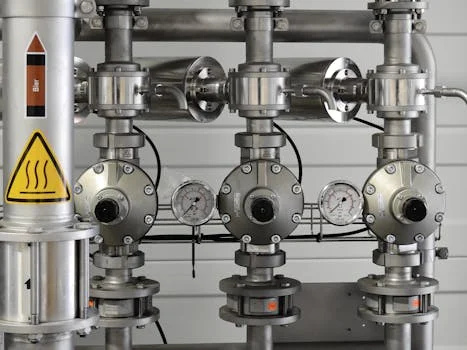
Selecting the right technology is a balance of discharge requirements, available space, and operational complexity. For mid-sized factories in Istanbul’s crowded OIZs, compact and efficient solutions are paramount.
DAF (Dissolved Air Flotation) Systems: These systems remove 90–95% of FOG and TSS by dissolving air under pressure and releasing it as micro-bubbles that attach to contaminants and float them to the surface for removal. They are ideal for the food and metalworking industries and are available in capacities from 4–300 m³/h, such as our high-efficiency DAF system for FOG and TSS removal. The correct selection of coagulants and flocculants is essential to agglomerate fine particles for easier bubble attachment and removal.
MBR (Membrane Bioreactor) Systems: MBRs combine biological treatment with membrane filtration, consistently producing high-quality effluent with COD often below 10 mg/L and TSS below 5 mg/L. Their compact design requires up to 60% less space than conventional activated sludge plants, making them suitable for space-constrained sites in Istanbul and ideal for water reuse projects. Regular membrane cleaning protocols, including back-pulsing and chemical enhanced backwash (CEB), are vital to maintain flux and prevent fouling, ensuring long-term system reliability.
Chemical Dosing + Clarification: This is a fundamental process for pH neutralization and heavy metal removal through chemical precipitation. Its effectiveness depends on precise coagulant/dosing control, typically managed by an automated PLC system. Jar testing is a critical first step to determine the optimal chemical type and dosage for a specific waste stream, maximizing contaminant removal while minimizing chemical consumption and sludge volume.
UV Disinfection: Used as a final polishing step, UV systems effectively disinfect effluent to meet Turkish reuse standards for applications like irrigation or industrial cooling, providing a chemical-free alternative to chlorination. The efficacy of UV disinfection is highly dependent on the UV transmittance (UVT) of the water; therefore, adequate pre-treatment to remove TSS and color that can shield microorganisms is essential for success.
| Technology | Primary Contaminant Removal | Ideal For | Typical Capacity Range |
|---|---|---|---|
| DAF | FOG (95%), TSS (90-95%) | Food, Metalworking | 4 - 300 m³/h |
| MBR | COD (95-98%), TSS (>99%), BOD (>99%) | Textiles, Pharmaceuticals, Reuse | 5 - 500 m³/day |
| Chemical Clarification | Metals (>99%), TSS (85-95%) | Metalworking, Electronics | 10 - 200 m³/h |
| UV Disinfection | Pathogens (>99.99%) | All sectors (for reuse) | Varies by flow |
Comparing DAF, MBR, and Conventional Systems for Istanbul Plants
The choice between technologies hinges on capital expenditure (CAPEX), operational expenditure (OPEX), footprint, and final effluent quality needs.
DAF Systems offer a lower CAPEX, typically between $50,000–$120,000 for a 50 m³/h unit. Their primary advantage is fast installation and effective removal of free pollutants. The trade-off is higher sludge production, which increases disposal costs. They are a robust pre-treatment solution. Their modular, skid-mounted design allows for quick deployment, often with minimal disruption to ongoing plant operations.
MBR Systems command a higher initial investment, often ranging from $150,000–$250,000 for a 50 m³/day plant. However, they offer lower long-term OPEX due to reduced sludge production and provide reuse-ready effluent quality, which can generate a return through reduced freshwater purchases. For a detailed compare MBR, CAS, and MBBR performance and costs. The biological process within an MBR also provides robust treatment against variable organic loads, making it a stable and reliable choice.
Conventional Activated Sludge (A/O) systems represent a moderate-cost option but require a significantly larger footprint and more skilled operation for process control. They are less suitable for factories where space is at a premium. These systems are also more susceptible to upsets from shock loads of toxins or pH swings, which can harm the sensitive microbial biomass essential for treatment.
| Parameter | DAF System | MBR System | Conventional A/O |
|---|---|---|---|
| CAPEX (50 m³/h) | $50k - $120k | $150k - $250k | $100k - $180k |
| Footprint | Moderate | Compact (60% smaller) | Large |
| Effluent Quality | Pre-treatment level | Reuse-ready | Compliant discharge |
| Skill Required | Moderate | Moderate-High | High |
Cost and ROI: What Istanbul Factories Should Budget
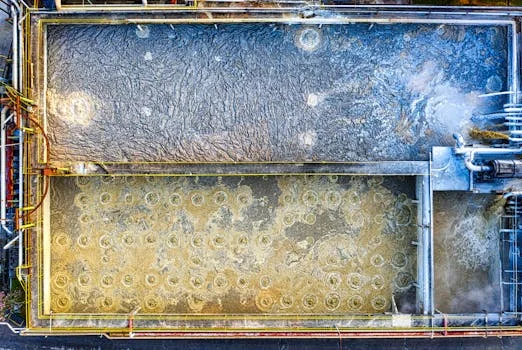
Justifying the investment in wastewater treatment requires a clear understanding of both upfront and ongoing costs. For a standard get real 2025 DAF cost data by capacity and configuration, expect to budget between $50,000–$120,000 for systems handling 4–100 m³/h. MBR systems are priced at approximately $150–$300 per m³ of daily treatment capacity.
The return on investment (ROI) comes from several avenues: avoiding non-compliance fines, reducing municipal sewer surcharges, and lowering water procurement costs through reuse. MBR systems, with their high-quality output, often achieve an ROI within 3–5 years when effluent is reused for cooling or process water. Modular package plants can further accelerate ROI by reducing civil works costs by up to 40% and cutting installation time to 8–12 weeks. Operational expenses (OPEX), including chemicals, energy, and maintenance labor, typically range from $5–$12 per cubic meter of treated wastewater, depending on the technology and contaminant load. Factories should also factor in the cost of sludge management, including dewatering equipment like filter presses and disposal fees, which can represent a significant portion of the ongoing OPEX.
Frequently Asked Questions
What are Turkey’s industrial wastewater discharge limits?
The national standards for discharge to sewer are BOD ≤ 30 mg/L, COD ≤ 120 mg/L, TSS ≤ 40 mg/L, and pH 6–9. Direct discharge to receiving waters is subject to even stricter limits, which can include parameters for heavy metals, total nitrogen, and total phosphorus, often requiring advanced tertiary treatment.
How much does a DAF system cost in Istanbul?
For a standard 50 m³/h capacity unit, capital costs typically range from $50,000 to $120,000. The final price depends on the level of automation, construction materials (e.g., carbon steel vs. stainless steel), and system configuration. Additional costs for installation, commissioning, and operator training should also be included in the total project budget.
Can treated wastewater be reused in Istanbul factories?
Yes. With advanced polishing steps like UV disinfection or RO, treated effluent can meet quality standards for non-potable uses like industrial cooling tower makeup, boiler feed, and site irrigation, significantly reducing freshwater demand. This is increasingly important as Istanbul faces periodic water scarcity, making water reuse a strategic operational and environmental decision.
Which industries face the strictest regulations?
Textiles, pharmaceuticals, and chemical manufacturing face particularly stringent oversight due to the complex and potentially hazardous nature of their wastewater constituents. Facilities in these sectors are often subject to more frequent inspections and monitoring requirements to ensure continuous compliance.
Do I need a permit to install an on-site treatment plant?
Yes. Installation requires permits from both the Istanbul Water and Sewerage Administration (İSKİ) and the Ministry of Environment, Urbanization and Climate Change (MoEn). Your technology provider should assist with this process, which includes submitting detailed engineering plans, flow diagrams, and expected effluent quality data for approval before construction can begin.
Related Equipment
The following HydropureWater products are engineered for the wastewater challenges discussed above: