An MBR system for sewage delivers <1 μm effluent filtration, 95%+ TSS and COD removal, and 60% smaller footprint than conventional systems—but at higher CapEx. Compared to MBBR, CAS, and DAF, MBR excels in water reuse and space-constrained sites, while alternatives may offer lower cost or simpler operation for less stringent discharge needs.
Why MBR Is Gaining Ground in Modern Sewage Treatment
Increasingly stringent discharge standards globally are driving the adoption of advanced wastewater treatment technologies like the membrane bioreactor (MBR) system. Regulations such as the EU Urban Waste Water Directive 91/271/EEC and various EPA effluent guidelines now often require treated sewage to meet benchmarks of less than 10 mg/L TSS and under 50 mg/L COD. MBR systems consistently achieve superior effluent quality, typically delivering less than 5 mg/L TSS and ensuring compliance with these strict limits, making them a reliable choice for future-proofing facilities. rapid urbanization and the scarcity of available land are making compact systems critical for both retrofitting existing plants and establishing new installations. MBR technology significantly reduces the physical footprint required for treatment, often by 60% compared to conventional activated sludge (CAS) systems, a crucial advantage in densely populated areas. The rising global demand for water reuse, whether for agricultural irrigation, industrial cooling towers, or process water, is also a key driver. MBR’s ability to produce near-potable effluent quality through its <1 μm filtration capability positions it as a leading technology for sustainable water management. For a deeper dive into water reuse standards and applications, refer to the WHO wastewater reuse guidelines for 2025.
How MBR, CAS, MBBR, and DAF Work: Process Fundamentals
Each wastewater treatment technology operates on distinct principles, impacting its suitability for various industrial and municipal applications. An integrated MBR membrane bioreactor system combines conventional activated sludge biological treatment with submerged membranes, typically made of PVDF with a 0.1 μm pore size, for solid-liquid separation. This eliminates the need for a secondary clarifier, allowing for higher mixed liquor suspended solids (MLSS) concentrations and superior effluent quality.
Conventional Activated Sludge (CAS) systems rely on gravity settling in a large secondary clarifier to separate treated water from the biomass after an aeration phase. CAS typically operates with MLSS concentrations ranging from 2,000–4,000 mg/L, which can limit organic loading rates and necessitates careful management of sludge settleability.
Moving Bed Biofilm Reactor (MBBR) technology utilizes small plastic biofilm carriers that are suspended and agitated within an aerobic tank. Microorganisms grow as a biofilm on the surface of these carriers, providing a protected environment for biological degradation. Unlike CAS, MBBR does not require sludge recycle to maintain biomass, and MLSS is not directly controlled, making it robust for fluctuating loads but potentially leaving some biofilm debris in the effluent.
Dissolved Air Flotation (DAF) is a physical-chemical process primarily designed to remove suspended solids, oils, and greases (FOG). It works by dissolving air under pressure into the wastewater, then releasing it at atmospheric pressure, creating micro-bubbles that attach to particulate matter and float it to the surface for skimming. DAF is highly effective as a pre-treatment step for specific industrial wastewaters but does not provide full biological treatment for dissolved organics.
For a more detailed understanding of the components, explore our integrated MBR membrane bioreactor system and Dissolved Air Flotation (DAF) machine.
| Technology | Core Mechanism | Typical MLSS Range (mg/L) | Clarifier Required? |
|---|---|---|---|
| MBR | Activated sludge + <0.1 μm membrane filtration | 8,000–12,000 | No |
| CAS | Activated sludge + Gravity settling | 2,000–4,000 | Yes |
| MBBR | Biofilm growth on suspended carriers | Variable (biofilm) | No (but often post-clarification/filtration) |
| DAF | Micro-bubble flotation for solids/FOG | N/A (physical-chemical) | N/A (pre-treatment) |
Performance Comparison: Effluent Quality and Process Stability
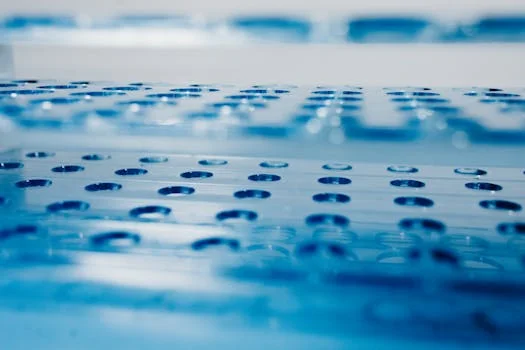
MBR systems consistently achieve superior effluent quality compared to conventional methods, making them ideal for stringent discharge standards and water reuse applications. MBR delivers 95–99% TSS removal and maintains remarkably consistent effluent turbidity, typically below 5 mg/L, often even below 1 NTU. In contrast, CAS systems average 85–90% TSS removal, with effluent quality subject to higher variability due to sludge settleability issues and clarifier performance. The ability of MBR to operate at significantly higher MLSS concentrations, typically 8,000–12,000 mg/L, compared to CAS (2,000–4,000 mg/L), enables higher volumetric organic loading rates and more efficient nitrification for nitrogen removal. This robust biological environment within the MBR tank ensures stable performance even with fluctuating influent loads.
MBBR technology achieves substantial organic removal, typically 80–90% COD removal, due to the high biomass concentration on its carriers. However, the effluent from MBBR systems can contain biofilm debris, which necessitates additional post-filtration or clarification if high-quality discharge or water reuse is required. DAF, while highly effective as a pre-treatment, primarily removes 70–90% of TSS and FOG. It does not address dissolved organic pollutants or nutrients and therefore must be paired with biological treatment stages for comprehensive sewage treatment. For insights into maintaining MBR performance, review science-backed methods to prevent membrane fouling.
| Metric | MBR System | CAS | MBBR | DAF (as pre-treatment) |
|---|---|---|---|---|
| TSS Removal (%) | 95–99% (<5 mg/L effluent) | 85–90% (variable) | ~80% (requires post-filtration for high quality) | 70–90% (suspended solids only) |
| COD Removal (%) | 95%+ | 80–90% | 80–90% | Limited (dissolved organics) |
| Effluent Turbidity | <1 NTU (near-potable) | 5–20 NTU | 5–10 NTU (with debris) | N/A (pre-treatment) |
| Nitrification/Denitrification | Excellent (due to high MLSS) | Good (requires specific design) | Good (robust biofilm) | None |
| Process Stability | High (resilient to load variations) | Moderate (sensitive to sludge settleability) | High (robust biofilm) | High (for solids/FOG removal) |
Footprint, Energy, and Operational Complexity
MBR technology offers significant advantages in terms of physical footprint, making it highly attractive for space-constrained urban or industrial sites. MBR systems reduce footprint by approximately 60% compared to conventional activated sludge systems, primarily due to the elimination of secondary clarifiers and the ability to operate at much higher MLSS concentrations, as evidenced by HydropureWater WSZ Series data. This compact design translates directly into lower civil works costs and faster installation times for an integrated MBR membrane bioreactor system.
Regarding energy consumption, MBR aeration energy can be 10–20 times lower with advanced submerged PVDF flat-sheet MBR membrane modules (such as our DF Series) compared to older external cross-flow membrane systems. This efficiency is achieved through optimized membrane design and aeration strategies that minimize fouling while maximizing oxygen transfer. Conventional Activated Sludge (CAS) systems, while seemingly simpler, require energy for sludge recycle pumps, continuous clarifier maintenance, and more intensive operator attention to manage sludge settleability issues, bulking, or foaming. These factors can lead to higher labor costs and less predictable operation.
MBBR systems boast a relatively low footprint and eliminate the need for membranes, contributing to their perceived simplicity. However, the fluidization of carriers within the reactor requires consistent and controlled aeration, which is critical for efficient treatment and preventing carrier loss. DAF systems, while compact for their primary function, integrate into a larger biological treatment train, meaning their overall footprint contribution depends on the downstream processes required for full sewage treatment. The operational complexity of DAF is moderate, focusing on chemical dosing, micro-bubble generation, and regular skimming of flotation sludge. For more details on specific MBR modules, consider our PVDF flat-sheet MBR membrane modules with 0.1 μm pore size.
| Metric | MBR System | CAS | MBBR | DAF |
|---|---|---|---|---|
| Footprint Reduction | ~60% smaller vs. CAS (HydropureWater data) | Baseline (largest footprint) | Moderate reduction vs. CAS | Compact (for pre-treatment) |
| Primary Energy Driver | Aeration, membrane scour | Aeration, sludge recycle pumps | Aeration (carrier fluidization) | Air compressor, pumps |
| Operational Complexity | Moderate (membrane cleaning, monitoring) | Moderate-High (sludge settleability, clarifier) | Low-Moderate (aeration control, carrier retention) | Low-Moderate (chemical dosing, skimming) |
| Maintenance Focus | Membrane integrity, cleaning cycles | Clarifier, pumps, sludge wasting | Carrier health, screen cleaning | Skimmer, air saturator, chemical pumps |
Cost Analysis: CapEx, OpEx, and Total Cost of Ownership
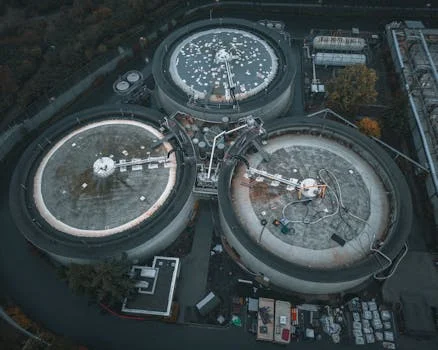
Evaluating the total cost of ownership (TCO) over a 10-year lifecycle is crucial for any wastewater treatment technology selection, encompassing capital expenditure (CapEx), operational expenditure (OpEx), and maintenance. MBR systems generally have a higher initial CapEx, typically 25–40% greater than a conventional activated sludge (CAS) system for the same treatment capacity. For example, a 100 m³/day plant might see MBR CapEx at approximately $180,000 compared to CAS at $130,000. However, MBR’s significantly smaller footprint, eliminating the need for large clarifiers and reducing tank volumes, can offset 15–20% of the initial civil works costs. This reduction in construction expenses is a key factor in the overall CapEx calculation for industrial sewage treatment technology.
MBR OpEx is primarily driven by aeration energy for biological treatment and membrane scouring, as well as membrane replacement costs. MBR membrane lifespan is typically 5–7 years with proper maintenance and fouling prevention, with individual PVDF flat-sheet modules (like our DF Series) costing around $20,000 per module for replacement. This periodic replacement is a significant OpEx component. In contrast, MBBR systems generally present a lower CapEx than MBR, making them attractive for projects with budget constraints. However, if the application requires high-quality effluent for water reuse, MBBR may necessitate additional post-treatment steps (e.g., filtration, disinfection), which would add to both CapEx and OpEx. DAF systems offer a relatively low CapEx, ranging from $50,000 to $150,000 for units treating 50–200 m³/h. But as a pre-treatment technology, its TCO must be assessed within the context of the entire wastewater treatment system, as downstream biological processes will constitute the bulk of the overall cost. For detailed 2025 MBR cost price data by capacity and module type, refer to our MBR Membrane Bioreactor Cost Price Guide.
| Cost Factor | MBR System | CAS | MBBR | DAF (as pre-treatment) |
|---|---|---|---|---|
| CapEx (100 m³/day est.) | ~$180,000 (25–40% higher than CAS) | ~$130,000 (baseline) | Lower than MBR, higher than DAF | $50k–$150k (for 50–200 m³/h unit) |
| Civil Works Savings | 15–20% offset due to smaller footprint | Standard | Some savings vs. CAS | Minimal (depends on overall system) |
| Primary OpEx Drivers | Membrane replacement (5–7 yrs), aeration, chemicals | Aeration, sludge disposal, labor, chemicals | Aeration, sludge disposal, chemicals | Chemicals, power for compressor/pumps, sludge disposal |
| Key Maintenance Item | Membrane cleaning/replacement | Clarifier, pumps, sludge handling | Carrier retention screens, aeration system | Skimmer, air saturator, chemical dosing |
| TCO Factor (Relative) | Moderate-High (balanced by reuse value) | Low-Moderate | Low-Moderate (can increase with post-treatment) | Low (but only for pre-treatment) |
When to Choose MBR vs Alternatives: A Decision Framework
Selecting the optimal sewage treatment system requires a comprehensive evaluation based on site-specific constraints, effluent quality demands, and long-term operational goals. Companies should choose MBR for projects where space is at a premium, such as urban industrial facilities or retrofits, or when high effluent quality is paramount, specifically for water reuse applications requiring <1 μm filtration. MBR effluent quality standards consistently meet and exceed strict regulatory requirements, making it a reliable choice for future-proofing investments.
Conventional Activated Sludge (CAS) systems are generally more suitable for large, greenfield municipal plants with ample land availability and stable staffing resources. Their lower CapEx and well-understood operation make them a viable option where stringent water reuse quality is not the primary driver. MBBR technology proves advantageous for industrial sites characterized by variable organic loads and where moderate effluent standards are acceptable. Its robust biofilm process can handle fluctuations without the operational complexity of membrane systems.
DAF should be considered primarily as a pre-treatment stage, particularly for industrial wastewater streams with high concentrations of fats, oils, and grease (FOG), such as those from food processing facilities. It efficiently removes these contaminants before biological stages, protecting downstream equipment and enhancing overall treatment efficiency. For examples of real-world MBR vs. A/O system performance in healthcare, refer to our analysis of hospital wastewater treatment in Jazan. This structured approach to sewage treatment system selection ensures a data-backed decision that aligns with both technical and financial objectives.
| Decision Factor | Choose MBR | Choose CAS | Choose MBBR | Choose DAF (as Pre-treatment) |
|---|---|---|---|---|
| Space Constraints | High (60% smaller footprint) | Low (requires large area) | Moderate (compact, but larger than MBR) | Moderate (compact for pre-treatment) |
| Effluent Quality Demand | Very High (<1 μm filtration, reuse grade) | Moderate (standard discharge) | Moderate (can require post-treatment for reuse) | N/A (solids/FOG removal only) |
| Wastewater Load Variability | High (robust biological process) | Moderate (sensitive to shock loads) | High (biofilm resilience) | Moderate (for solids/FOG) |
| Water Reuse Goal | Primary choice (high-quality effluent) | Not ideal (requires tertiary treatment) | Possible (with tertiary filtration) | Not applicable (pre-treatment only) |
| Primary Cost Driver | Higher CapEx, membrane replacement | Lower CapEx, land cost | Moderate CapEx, less OpEx than MBR | Low CapEx (for pre-treatment) |
Frequently Asked Questions
What is the main advantage of MBR over conventional systems? MBR provides superior effluent quality (near-reuse grade) and a 60% smaller footprint by combining biological treatment with membrane filtration, eliminating the need for secondary clarifiers.
Is MBR more expensive than MBBR? Yes—MBR CapEx is typically 25–40% higher than MBBR, but it delivers significantly better effluent quality and a smaller footprint. MBBR may be a more cost-effective choice for applications with moderate discharge standards that do not require high-grade water reuse.
How long do MBR membranes last? MBR membrane lifespan is typically 5–7 years with proper maintenance and effective fouling prevention strategies. Advanced PVDF flat-sheet modules, such as HydropureWater's DF Series, are designed for durability and offer 10–20 times lower energy consumption for aeration, with individual module replacement simplifying maintenance.
Can MBR replace secondary clarifiers in existing plants? Yes—retrofitting an MBR system into an existing conventional activated sludge (CAS) plant effectively eliminates the need for secondary clarifiers, allowing the plant to boost its treatment capacity by 30–50% within the same footprint, often without requiring new tank construction.
What industries benefit most from MBR? Industries that benefit most from MBR include hospitals, food processing, pharmaceuticals, and urban municipalities. These sectors typically require high-quality effluent for discharge or reuse, or face significant space constraints that MBR's compact design can address.