Why the Supplier Choice Matters More Than the Process in Bangladesh
A wastewater treatment plant supplier in Bangladesh in 2026 is typically chosen from three tiers: local fabricators (BDT 8–25 lakh for small packaged STP), Indian OEMs such as Neotech, Hydroflux, and Praj offering MBBR/MBR containers, and Chinese OEMs including Qingdao Yimei, Qingdao Dongmao, and HydropureWater at US$4,100–$13,000 per set FOB Qingdao. Selection should be driven by Bangladesh DoE ECR 2023 discharge limits (BOD 30 mg/L, COD 50 mg/L, TSS 40 mg/L), influent characteristics, and total landed cost including 19–25% LC duties, not headline FOB price.
The Hazaribagh tannery cluster, historically responsible for an estimated 22,000 m³/day of chromium- and sulfide-laden effluent discharged untreated into the Buriganga, is the cautionary case. Relocation to Hemayetpur has not solved the problem: the new CETP must now meet DoE ECR 2023 inland surface water standards, yet most generic MBBR packages quoted by local vendors fail on sulfide stripping and total chromium ≤0.5 mg/L. Similar pressure sits on RMG, textile, and pharmaceutical clusters in Gazipur, Savar, and Narayanganj, which together generate roughly 80% of Bangladesh's industrial effluent (Department of Environment estimates, 2024).
Grid instability adds a second technical filter. Industrial zones in Gazipur and Savar typically log 5–15 outage events per month, and the Bangladesh Energy Regulatory Commission reported an average system reliability of 92.4% in 2024. A supplier whose design depends on continuous fine-bubble aeration will fail that environment; one offering a UASB front-end with intermittent aerobic polishing will survive it. The supplier you pick therefore sets your OPEX, your compliance risk, and your exposure to DoE closure orders under the 1995 Environment Conservation Act.
Bangladesh Discharge Standards a Supplier Must Design To (DoE ECR 2023, BSTI, BWA)
DoE Environment Conservation Rules 2023, Schedule 2, set the following inland surface water limits for industrial effluent: BOD₅ 30 mg/L, COD 50 mg/L, TSS 40 mg/L, pH 6.0–9.0, total chromium 0.5 mg/L, sulfide 1.0 mg/L, and temperature ≤40°C (DoE ECR 2023, Gazette S.R.O. 29-Law/2023). Any vendor proposal that does not cite these numbers against its guaranteed performance is non-conforming by definition.
For discharge into inland aquaculture waters (prawn, shrimp farms in Khulna and Bagerhat divisions), Bangladesh Water Development Board abstraction rules and Department of Fisheries guidance push effluent ammonia below 5 mg/L, which generally forces selection of MBR or ANAMMOX polishing over conventional activated sludge. For potable reuse scenarios, BSTI BDS 1240:2015 requires additional disinfection, typically addressed through an on-site ClO₂ disinfection generator (HS 8421) rather than liquid hypochlorite, which is unstable in Bangladesh's 30–40°C ambient conditions.
Tannery effluent from the relocated Hazaribagh cluster needs a specific train: equalization + sulfide stripping (N₂ or steam) + chromium precipitation with NaOH/FeSO₄ at pH 8.5–9.0 + two-stage biological polishing (anoxic + aerobic MBBR) + sludge dewatering via a filter press for sludge dewatering yielding 0.15–0.25 kgDS/kgCODrem. European OEMs selling into Bangladesh commonly certify equipment to EN 12255-10:2001 (safety principles for WWTP), which is a useful cross-reference when reviewing technical files, although Bangladesh does not formally mandate CE marking for imported plant.
| Parameter | DoE ECR 2023 (inland surface water) | Notes for vendor design |
|---|---|---|
| BOD₅ | 30 mg/L | 2-stage biological polishing required for textile/tannery |
| COD | 50 mg/L | MBR recommended for pharmaceutical/fermentation |
| TSS | 40 mg/L | Tertiary sand/DAF needed; DAF pre-treatment common upstream |
| pH | 6.0–9.0 | Inline pH correction mandatory |
| Total chromium | 0.5 mg/L | Precipitation + sand filter for tannery |
| Sulfide | 1.0 mg/L | Stripping tower + biological oxidation |
| Temperature | ≤40°C | Cooling tower for fermentation effluent |
| Ammonia (aquaculture) | <5 mg/L | MBR or ANAMMOX polishing |
Three Supplier Tiers Operating in Bangladesh in 2026
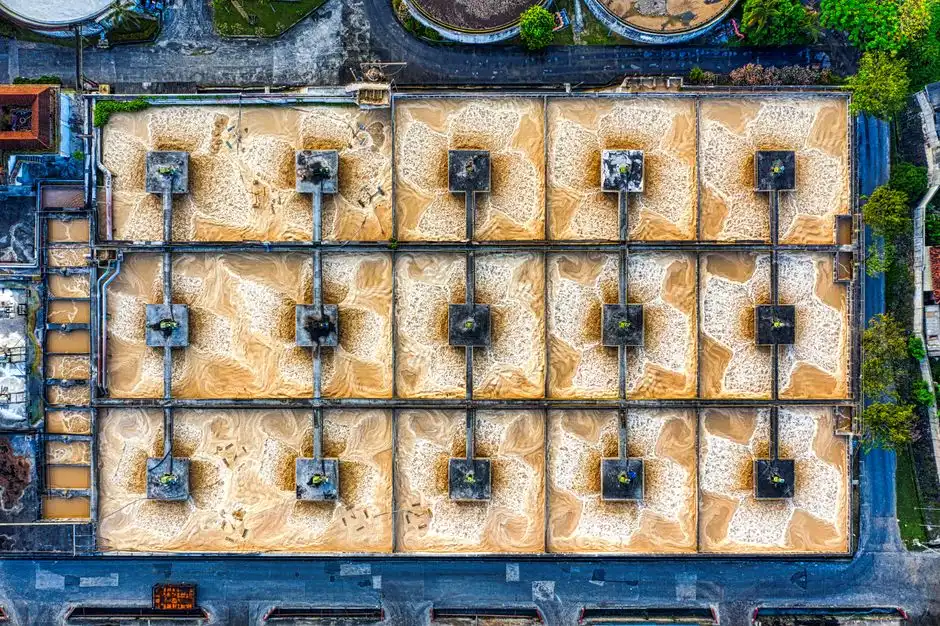
Tier 1 — Local fabricators such as PureLife Uttara, Aqualink, and WaterBD supply packaged 10–50 m³/day STP at BDT 8–25 lakh (US$7,000–22,000), with strong after-sales response in Dhaka and Chittagong but limited process depth beyond MBBR and conventional activated sludge. Tier 2 — Indian OEMs including Neotech Water Solutions (Vapi, Gujarat), Hydroflux, Praj, and Triveni offer containerized MBBR and MBR units with documented ISO 9001 and CE-equivalent certifications, 4–8 week CIF Chittagong lead times, and a 20–40% cost premium over Chinese equivalents. Tier 3 — Chinese OEMs, including Qingdao Yimei Environment Project, Qingdao Dongmao Environmental Protection Equipment, and HydropureWater in Shandong, list FOB US$4,100–$13,000/set on Made-in-China (current listings, accessed 2026-01) with 6–10 week CIF Chittagong transit, requiring stronger LC discipline and pre-shipment inspection.
Each tier carries a distinct risk profile. Local fabricators minimize commissioning delay but concentrate performance risk on simple biological trains that struggle with tannery, pharmaceutical, and high-COD textile effluent above 2,500 mg/L. Indian OEMs sit in the middle on cost and risk, with mature containerized MBBR and decent documentation. Chinese OEMs win on headline CAPEX but shift the due-diligence burden onto the buyer: factory acceptance test video, third-party SGS or BV pre-shipment inspection, and verification of after-sales presence in Bangladesh before LC release. Most Diamond Suppliers on Made-in-China in this category are Shandong-based (Qingdao, Weifang cluster), so engineering lineage and spares commonality are well understood, but local agent quality still varies project by project.
| Tier | Typical scope | Indicative price (2026) | Lead time | Main risk |
|---|---|---|---|---|
| Tier 1 — Local fabricator | 10–50 m³/day packaged STP, basic MBBR/ASP | BDT 8–25 lakh (US$7,000–22,000) | 2–4 weeks ex-works | Process depth, tannery/pharma compliance |
| Tier 2 — Indian OEM | Containerized MBBR/MBR 50–500 m³/day | 20–40% above Chinese FOB | 4–8 weeks CIF Chittagong | Mid cost, mid risk, strong on documentation |
| Tier 3 — Chinese OEM | Packaged ETP 50–2,000 m³/day, MBBR/MBR/DAF/Filter Press | US$4,100–$13,000/set FOB Qingdao | 6–10 weeks CIF Chittagong | LC, QA/QC, after-sales presence |
Process Trains That Actually Work in Bangladesh Conditions
For textile and RMG effluent (COD 1,500–3,500 mg/L, pH 8–11, temperature 30–45°C), the working train is UASB (HRT 18–24 h, OLR 3–6 kgCOD/m³/day) + anoxic-aerobic MBBR + sand filter + ClO₂ polishing, recovering roughly 0.25–0.35 m³ biogas per kgCOD removed and tolerating 4–6 hour power cuts with a 1.5 m³ biogas buffer (HydropureWater field data, 2026). For tannery effluent, equalization + sulfide stripping + chemical precipitation + two-stage MBBR + sludge dewatering with a filter press for sludge dewatering remains the only DoE-credible option; sludge yield is 0.15–0.25 kgDS/kgCODrem.
Pharmaceutical and fermentation effluent requires anaerobic hybrid (UASB+AF) + MBR membrane bioreactor for industrial reuse (PVDF 0.1 μm hollow fiber) + RO polishing, particularly for active-ingredient removal. For municipal STP serving EPZ housing, the WSZ underground integrated STP (1–80 m³/h, A/O process, buried installation) is the dominant local-supplier solution because it removes the visible-plant objection from housing-zone approvals.
MBR is preferred where land is constrained (Dhaka EZ land premiums reached BDT 35–55 lakh per katha in 2025) and where DoE tightening on TSS <20 mg/L is anticipated in the next ECR revision. Conventional ASP is rarely economic for new builds in 2026 given the energy premium: UASB+MBBR operates at 0.15–0.25 kWh/m³ versus 0.45–0.6 kWh/m³ for full MBR, a meaningful OPEX delta on Bangladesh industrial tariffs of BDT 8–12/kWh. The same OPEX logic is examined in detail in our UASB OPEX benchmark and aeration energy optimization writeups, both of which use Bangladesh-relevant cost inputs.
| Industry | Process train | Energy (kWh/m³) | Indicative CAPEX (US$/m³/day) |
|---|---|---|---|
| Textile / RMG | UASB + anoxic-aerobic MBBR + ClO₂ | 0.15–0.25 | 180–260 |
| Tannery | Eq + sulfide strip + precipitation + 2-stage MBBR + filter press | 0.30–0.40 | 320–450 |
| Pharma / fermentation | UASB+AF + MBR + RO + ClO₂ | 0.45–0.60 | 450–650 |
| Municipal / EPZ housing | WSZ A/O underground package | 0.25–0.35 | 150–220 |
Total Landed Cost: FOB vs CIF Chittagong vs Delivered Site
FOB Qingdao US$4,100–$13,000 per set becomes landed Chittagong at roughly US$5,200–$17,000 once ocean freight (US$800–1,800 per 40 ft container on China-Bangladesh routes in 2025–2026) and marine insurance (~0.3% of CIF) are added. Bangladesh customs HS 8421.21 (filtering or purifying machinery for water) currently carries 1% customs duty, 5% supplementary duty, 5% VAT, 3% advance income tax, and 5% advance trade tax, an effective 19–25% total import burden depending on bonded-warehouse status, EPZ import entitlements, and whether the project is publicly tendered (NBR customs notifications, 2024-2025).
Inland freight Chittagong port to Dhaka adds US$1,200–2,000 per 40 ft container; onward transport to Gazipur, Narayanganj, or Savar EPZ typically adds another US$400–800. Commissioning, operator training, and one-year critical spares should be budgeted at 12–18% of equipment value for a turnkey scope. Civil works,electrical, and yard piping sit outside the equipment line and are usually 40–60% of total project CAPEX for greenfield sites.
Worked example: a 200 m³/day textile ETP at US$220/m³/day FOB = US$44,000 equipment, becoming approximately US$58,000–62,000 landed at Dhaka EPZ before civil works, electrical, and commissioning. An equivalent Indian OEM in CIF Chittagong typically lands 20–40% higher on equipment FOB but saves on commissioning travel and benefits from a stronger after-sales footprint; a local fabricator quote of BDT 35–45 lakh for the same duty often excludes biological guarantees. The same CAPEX/OPEX methodology, adapted for a different logistics profile, is detailed in our CAPEX-OPEX breakdown methodology and package WWTP supplier selection writeups, both of which use the same total-landed-cost framework.
| Cost line | Low (Chinese OEM, local bonded) | High (Indian OEM, non-bonded, site-delivered) |
|---|---|---|
| Equipment FOB/CIF | US$44,000 | US$58,000 |
| Freight + insurance | US$1,200 | US$2,000 |
| Import duties + taxes (19–25%) | US$9,000 | US$15,000 |
| Inland to Dhaka EZ | US$1,400 | US$2,000 |
| Commissioning + spares (15%) | US$6,600 | US$8,700 |
| Total equipment line | ~US$62,000 | ~US$85,700 |
5-Step Vendor Selection Framework for Bangladesh Buyers
Step 1 — Lock the influent characterization and DoE compliance target before vendor engagement. Reject any supplier who quotes without a 24-hour composite influent analysis covering COD, BOD, TSS, pH, temperature, ammonia, and (for tannery) total chromium and sulfide. The Bangladesh Industrial Effluent Survey, 2023, found COD variability of ±35% within a single month at typical RMG plants; a vendor who has not asked for that variability is guessing.
Step 2 — Issue an EQ requiring reference plants in Bangladesh or comparable tropical climate. Reject vendors without at least 2 reference sites that can be visited or whose operators can be called. PureLife Uttara, Aqualink, and Indian OEMs typically win on local references; Chinese OEMs should be required to provide a Bangladesh-based or South-Asia-based site visit, or at minimum a video walkthrough with operator contact.
Step 3 — Demand FAT video, third-party SGS or BV pre-shipment inspection, and ISO 9001/CE documentation before LC release. This is the single most effective control on Chinese-OEM quality risk. Payment terms should be 30% TT advance, 60% against B/L copy after inspection, and 10% retention for 12 months against performance.
Step 4 — Verify after-sales presence: local agent in Dhaka or Chittagong, 48-hour response SLA, critical spares inventory in Bangladesh. Local fabricators and Indian OEMs typically win this category. Chinese OEMs must be scored on it explicitly, and contractually bound to maintain a local service engineer with phone-accessible contact for 24 months from commissioning.
Step 5 — Build a 12-month performance warranty tied to discharge parameters (BOD, COD, TSS), not just equipment function. A warranty that pays out only on equipment failure rewards an underperforming biological train. Tie at least 70% of the retention to DoE-compliant discharge readings taken by a third-party laboratory accredited by the Department of Environment.
Red flags: vendors who refuse a site visit, vendors without a Bangladesh reference plant, payment terms requiring more than 30% TT advance, and quoted MOQs inconsistent with project scale (e.g., a 50 m³/day project quoted with a 200 m³/day skid as the minimum). For broader engineering context, our tropical-climate industrial wastewater design article covers comparable climate-driven design choices in another emerging-market context.
Frequently Asked Questions
What is the typical CAPEX for a 200 m³/day industrial ETP in Bangladesh in 2026? A textile or RMG ETP at 200 m³/day lands at approximately US$58,000–62,000 for the equipment line (Chinese OEM, FOB + freight + 19–25% import duty + inland to Dhaka EZ), or US$80,000–95,000 from an Indian OEM on a CIF Chittagong basis, before civil works and electrical, which typically add 40–60% to the equipment line for a greenfield project (HydropureWater field data, 2026).
What are the DoE ECR 2023 discharge limits for inland surface water in Bangladesh? Schedule 2 of the DoE Environment Conservation Rules 2023 sets BOD₅ at 30 mg/L, COD at 50 mg/L, TSS at 40 mg/L, pH 6.0–9.0, total chromium at 0.5 mg/L, sulfide at 1.0 mg/L, and temperature at ≤40°C; failure to meet these triggers enforcement under Section 12 of the 1995 Environment Conservation Act, including closure orders.
Which wastewater treatment process works best for tannery effluent in Bangladesh? Equalization + sulfide stripping + chemical precipitation for chromium at pH 8.5–9.0 + two-stage anoxic-aerobic MBBR + sludge dewatering via filter press; UASB alone will not meet sulfide 1.0 mg/L without prior stripping, and a generic single-stage MBBR will not consistently meet total chromium 0.5 mg/L (Bangladesh Industrial Effluent Survey, 2023).
How do I vet a Chinese wastewater treatment plant supplier before opening an LC? Require three documents: (1) FAT video of the specific skid being shipped, (2) third-party SGS or BV pre-shipment inspection report, and (3) ISO 9001 certificate plus EN 12255-10:2001 compliance statement; pair these with a contractual 48-hour after-sales response SLA and a 12-month performance warranty tied to BOD, COD, and TSS, not equipment function.
Related Equipment
- DAF pre-treatment system — specifications, capacity range, and technical data