Why Addis Ababa Industrial Plants Cannot Skip Wastewater Treatment in 2026
Non-compliance with Ethiopia's effluent rules now carries a hard financial ceiling: EEPA enforcement records from 2023–2025 show administrative fines ranging from ETB 50,000 to ETB 500,000 per violation, with operational suspension triggered after repeated breaches or unauthorized discharge (per EEPA Proclamation No. 200/2000 and the 2023 Environmental Impact Assessment Directive). For a textile or tannery plant in Akaki-Bole Lemi discharging above EEPA limits, the realistic exposure is not the fine itself but the 7–14 day production stoppage that follows an EEPA inspection finding — at a typical Ethiopian industrial margin of 8–12%, a single two-week shutdown on a USD 5M/year revenue line exceeds USD 75,000 in lost contribution margin.
Addis Ababa Water & Sewerage Authority (AAWSA) operates the Kality wastewater treatment facility as the municipal receiving body for the Addis Ababa combined sewer, and AAWSA will physically disconnect any industrial discharger whose effluent exceeds EEPA's pretreatment envelope at the point of discharge. The 2023 EIA Directive now requires Akaki, Bole Lemi, and Gelan industrial parks to complete an environmental audit before license renewal, with the FDRE Ministry of Industry cross-referencing EEPA compliance as part of the renewal decision.
Engineering design must absorb two non-negotiable local conditions. At 2,355 m elevation, atmospheric pressure drops to roughly 75% of sea-level standard, which derates blower and aerator mass-transfer output by 12–18% and forces a ~20% increase in UV dose to compensate for thinner air mass and reduced pathogen UV absorbance. Grid reliability in 2026 remains characterized by 4–8 hours of planned outage per week under the Ethiopian Electric Utility load-shedding schedule, so biological and disinfection stages cannot rely on continuous mains power.
EEPA Industrial Effluent Discharge Limits: The 2026 Compliance Table
EEPA Industrial Effluent Discharge Limits, issued under Proclamation No. 200/2000 and amended through the 2003 schedule and the 2023 EIA Directive update, are the binding numeric standard for any industrial discharger to the Addis Ababa combined sewer. The full 2026 compliance envelope is summarized below.
| Parameter | EEPA Limit (2026) | Notes / Sector Overrides |
|---|---|---|
| pH | 6–9 | Continuous monitoring required at discharge point |
| BOD₅ | ≤ 50 mg/L | Standard for all sectors |
| COD | ≤ 250 mg/L | F&B and textile: BOD/COD ratio drives biology sizing |
| TSS | ≤ 50 mg/L | MBR routinely delivers 80–90% of compliance margin |
| Oil & Grease | ≤ 10 mg/L | Leather and F&B plants typically need DAF pre-polish |
| Sulfides | ≤ 1 mg/L | Tannery: precipitation + oxidation required |
| Free Chlorine | ≤ 1 mg/L | Drives ClO₂ preference over NaOCl to avoid THMs |
| Total Chromium | ≤ 0.5 mg/L | Tannery: tighter operational target ≤ 0.2 mg/L before discharge |
| Hexavalent Cr | ≤ 0.1 mg/L | Reduction step required if Cr(VI) detected |
| Lead | ≤ 0.1 mg/L | Metals SME zone applicable |
| Cadmium | ≤ 0.1 mg/L | Metals SME zone applicable |
| Temperature | ≤ 40 °C | Equalization required for hot textile/blowdown streams |
Sector overrides tighten specific parameters beyond the generic table. Tannery effluent must target total chromium at ≤ 0.2 mg/L operational, with hexavalent chromium reduced before discharge because leather waste streams carry both Cr(III) from tanning baths and Cr(VI) from re-oxidation. Textile effluent is governed by stricter color and adsorbable organohalide (AOX) limits per Ethiopian industrial park operator guidelines, typically AOX ≤ 1 mg/L and color ≤ 100 Pt-Co at the discharge point. The 2023 EIA Directive does not yet publish an explicit microplastics limit but triggers a BAT-based assessment for any new textile or polymer project. Limits apply at the point of discharge to the municipal sewer, and AAWSA imposes additional pretreatment requirements for high-strength waste streams such as landfill leachate or concentrated tannery bath spent liquor.
Sector-by-Sector Influent Characterization for Addis Ababa Industries
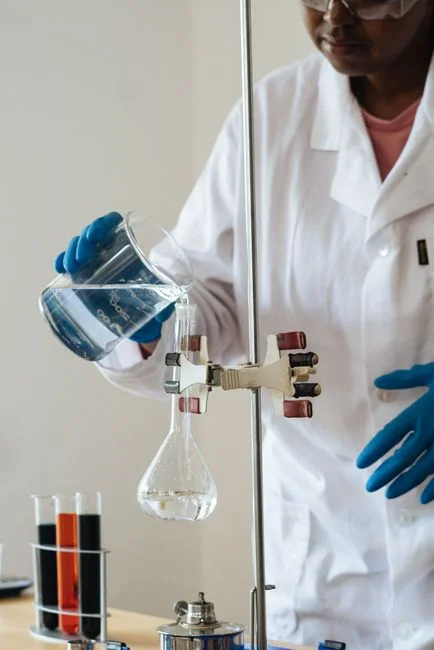
Addis Ababa's industrial corridor is dominated by four wastewater archetypes, each with a distinct load profile that determines the unit process train. Selecting equipment before characterizing the influent is the single most common reason for underperforming plants in the Akaki and Bole Lemi parks.
| Sector / Park | COD (mg/L) | BOD₅ (mg/L) | TSS (mg/L) | Key Pollutants | Recommended Train |
|---|---|---|---|---|---|
| Textile (Akaki) | 800–2,500 | 200–800 | 200–1,000 | Color 500–2,000 Pt-Co; pH 9–12; T 40–60 °C; AOX 5–25 mg/L | Equalization → DAF → MBR → ClO₂/UV → RO polish |
| Tannery / Leather (Bole Lemi) | 2,000–6,000 | 1,000–3,000 | 2,000–4,000 | Total Cr 50–500 mg/L; sulfides 100–300 mg/L; salinity 4,000–8,000 mg/L | Cr recovery → sulfide oxidation → equalization → DAF → MBR → ClO₂ |
| Food & Beverage (Gelan, Bole, Debre Berhan corridor) | 1,500–5,000 | 1,000–3,000 | 500–2,000 | FOG 200–800 mg/L; TN 50–150 mg/L; TP 10–30 mg/L | Bar screen → DAF → MBR (or SBR) → ClO₂ |
| Chemicals & Metals (SME zone) | 200–1,500 | < 200 | 100–500 | Mixed heavy metals; low flow (< 50 m³/d) | pH adjustment → chemical precipitation → sand filter → ion exchange |
Textile wastewaters from the Akaki cluster carry high alkalinity from reactive-dye hydrolysis and sodium hydroxide wash, which is why equalization is non-negotiable — without pH and flow dampening, the downstream biological stage cannot hold its setpoint. Tannery streams in Bole Lemi require a chromium recovery loop (typically alkaline precipitation and sludge separation) before any biological treatment, because Cr(III) shock loads above 50 mg/L will kill the MBR biomass within hours. Food and beverage streams from the Gelan corridor have the highest biodegradable fraction and the lowest toxicity, but FOG concentrations above 600 mg/L require a DAF pre-polish to protect the membrane. Chemicals and metals SMEs typically operate at too small a flow to justify a full biological train; for these sites, chemical precipitation plus ion exchange delivers compliance in a smaller footprint with lower operator skill demand.
Selecting the Right Treatment Train: DAF → Biological → Tertiary
The canonical Addis Ababa industrial treatment train is a four-stage sequence: primary screening and equalization, DAF for suspended and emulsified pollutant removal, biological treatment in an MBR configuration, and tertiary filtration plus disinfection for reuse or compliant discharge. The expected removal performance at each stage is summarized below.
| Stage | Equipment | Design Parameter | Typical Removal | Effluent Target |
|---|---|---|---|---|
| Primary | Rotary bar screen (3–6 mm) + equalization tank | 8–24 h HRT | 20–35% TSS; pH and flow dampening | Flow variation < 2:1 to biology |
| DAF | Dissolved air flotation, 4–300 m³/h unit capacity | Hydraulic loading 5–25 m/h; recycle 20–30% | 90–95% TSS; 85–95% oil & grease | TSS < 80 mg/L; FOG < 30 mg/L |
| Biological | MBR (membrane bioreactor) | MLSS 8,000–12,000 mg/L; HRT 8–14 h | 90–98% BOD; 85–95% COD | BOD < 10 mg/L; COD < 60 mg/L; TSS < 5 mg/L |
| Tertiary | Multimedia filter (SDI < 5) + RO (recovery 65–75%) + ClO₂ | ClO₂ dose 1–3 mg/L; contact 30 min | Polishing to reuse grade; free Cl < 1 mg/L | EEPA compliance; reuse TDS < 500 mg/L |
DAF is the workhorse of the Addis Ababa food and leather segments because it removes FOG and colloidal TSS in a single unit with a small footprint and fast startup. MBR is preferred over conventional activated sludge in this corridor because it delivers under 10 mg/L TSS effluent in a 60% smaller footprint and tolerates the 4–8 hour weekly grid outages typical of Ethiopian industrial parks — operators can pause aeration, hold biomass in the tank, and restart within minutes. For plants targeting water reuse rather than sewer discharge, a multimedia filter feeding an RO stage at 65–75% recovery produces a polishing stream suitable for boiler feed or process wash water. Disinfection should use ClO₂ rather than NaOCl to stay under the EEPA free chlorine limit of 1 mg/L without forming trihalomethanes, a tradeoff documented in the comparison of MBR versus conventional activated sludge for similar high-altitude industrial contexts.
Altitude, Power, and Logistics: Engineering for Addis Ababa Conditions
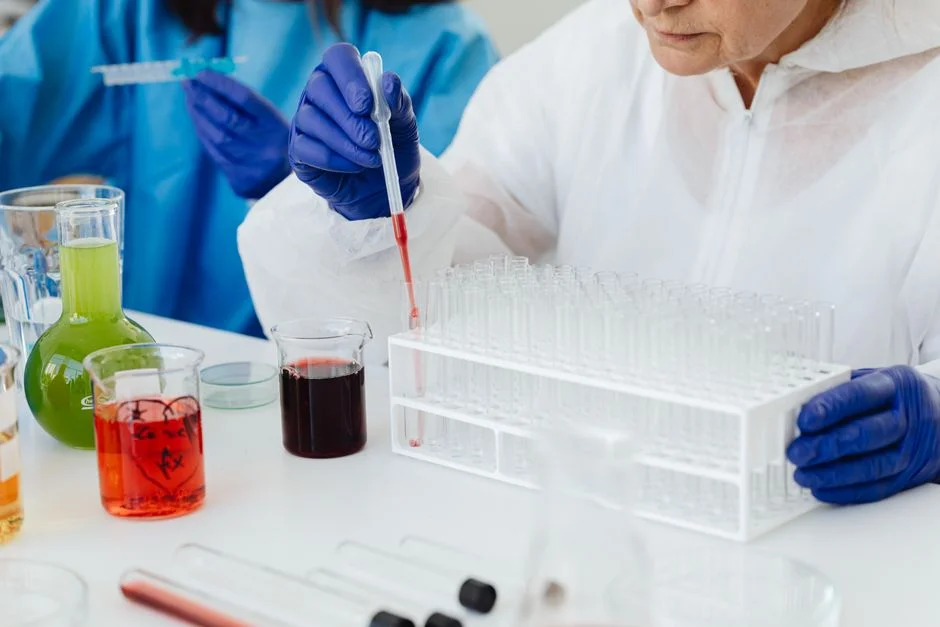
Generic global treatment guides fail in Ethiopia because they ignore three physical realities. At 2,355 m elevation, atmospheric pressure sits at approximately 75% of sea-level standard, which reduces oxygen transfer efficiency in blowers and aerators by 12–18%; the standard correction is to oversize aeration equipment by that margin or to specify high-efficiency disc diffusers with a guaranteed SOTE above 6.5 kg O₂/kWh at altitude. The thinner air mass also reduces UV-C absorbance by pathogens, so UV disinfection systems must deliver roughly 20% higher dose (typically 40 mJ/cm² rather than 33 mJ/cm²) to achieve the same log reduction. Where the question is settling versus flotation for primary TSS reduction, the DAF versus sedimentation comparison shows DAF holds its advantage at altitude because hydraulic loading is governed by surface overflow rate, not air mass.
Grid instability is the second constraint. Under the 2026 Ethiopian Electric Utility schedule, planned outages of 4–8 hours per week are routine in industrial zones, and unscheduled faults add another 2–4 hours. The control system must therefore include a battery-buffered PLC sized for at least 30 minutes of ride-through, plus standby diesel capacity rated for full biological stage plus UV operation. Without these, an MBR will foul and lose its permeance within a single extended outage. Logistics is the third: most process equipment is containerized into 20-ft or 40-ft ISO skids at the factory, cleared through Djibouti port, and hauled 800+ km overland to the project site. Civil works on site are limited to foundation slabs and interconnecting pipework. Spare parts lead time from China or Europe runs 6–10 weeks, so commissioning should include a 2-year consumables and critical spares kit — a point quantified in the filter press spare parts and consumables cost in 2026 reference. Plants that ignore this kit typically suffer 6–10 week production stoppages within 18 months of startup.
2026 CAPEX and OPEX Benchmarks for an Addis Ababa Industrial WWTP
Budgeting a 2026 industrial wastewater treatment plant in Addis Ababa requires tiered CAPEX benchmarks, OPEX ranges differentiated by sector, and explicit power and sludge-handling cost lines. The figures below are FOB Djibouti for containerized MBR + DAF scope and exclude site civil works, taxes, and the import duty schedule applicable at the time of procurement. Currency conversion assumes 1 USD ≈ 57 ETB for budget planning; however, current rates may differ.
| Plant Size (m³/d) | CAPEX (USD per m³/d) | Indicative Total (USD) | Typical Application |
|---|---|---|---|
| 50–200 | 1,800–2,400 | 90,000–480,000 | Small tannery, F&B, textile finishing |
| 200–1,000 | 1,200–1,800 | 240,000–1,800,000 | Mid-size textile, brewery, dairy |
| 1,000–5,000 | 800–1,200 | 800,000–6,000,000 | Industrial park shared facility |
OPEX benchmarks split cleanly by sector. Textile and leather plants run USD 0.08–0.18 per m³ of treated effluent, with coagulants, flocculants, and pH correction chemicals typically consuming 55–65% of the OPEX line. Food and beverage plants run USD 0.06–0.14 per m³, with energy for aeration dominating because biodegradable load is high and MBR MLSS must be sustained. Power consumption is 0.8–1.6 kWh/m³ for an MBR-equipped plant and 0.4–0.9 kWh/m³ for a DAF-only scope, and at the 2026 Ethiopia industrial tariff of approximately ETB 2.50/kWh, energy alone runs ETB 2–4 per m³. Sludge dewatering with a plate-and-frame filter press for Addis Ababa sludge handling achieves 22–28% dry solids, and landfill disposal in Addis Ababa runs ETB 800–1,500 per wet ton delivered. For plants considering pretreatment with a DAF system for Addis Ababa food and leather plants, hydraulic loading rates at 5–25 m/h keep equipment count low and footprint tight. Plants targeting direct compliance with EEPA discharge and reuse polish should specify a containerized MBR system for Addis Ababa compliance, paired with a automatic chemical dosing for pH and chromium control and a ClO₂ disinfection for EEPA-compliant effluent package. For a parallel benchmark in another emerging-market context, the industrial wastewater treatment in Myanmar reference provides comparable unit-cost and compliance data for cross-checking.
Frequently Asked Questions
What is the EEPA BOD limit for industrial discharge in Addis Ababa?
EEPA Proclamation No. 200/2000 sets BOD₅ at ≤ 50 mg/L at the point of discharge to the Addis Ababa combined sewer, with compliance verified by 24-hour composite sampling per the 2023 EIA Directive monitoring schedule.
Can a containerized MBR system meet EEPA discharge limits in Addis Ababa?
Yes. A properly sized containerized MBR routinely delivers BOD < 10 mg/L, COD < 60 mg/L, and TSS < 5 mg/L — all inside the EEPA envelope — and is the preferred configuration because the 60% smaller footprint fits 20-ft or 40-ft ISO logistics.
How is chromium removed from tannery wastewater in Bole Lemi?
Tannery effluent first passes through chromium recovery (alkaline precipitation of Cr(OH)₃ at pH 8.5–9.0), then sulfide oxidation, then equalization, then a DAF and MBR polish; the final effluent typically carries total chromium below 0.2 mg/L, inside the 0.5 mg/L EEPA limit.
What is the color removal target for textile wastewater in Akaki?
Textile streams entering at 500–2,000 Pt-Co require combined DAF, biological, and oxidative polishing; a coagulation + MBR + ClO₂ train typically lands the effluent below 100 Pt-Co, which is the operational target set by Ethiopian industrial park operator guidelines.
How long does equipment take to clear Djibouti port and reach Addis Ababa?
Containerized WWTP skids typically clear Djibouti port in 7–14 days for standard ISO containers, then require 3–5 days for the 800+ km overland haul to Addis Ababa; total equipment logistics lead time from FOB to commissioned-ready is generally 10–16 weeks, which must be front-loaded into the project schedule.