Industrial Wastewater Treatment in Prague: 2026 Engineering Specs, Compliance & Zero-Risk Equipment Guide
Prague’s industrial wastewater treatment landscape is defined by indirect discharges into the municipal sewerage system, with 72% of facilities relying on contractual agreements (not national legislation) to set limits. The city’s central WWTP (1.2M PE capacity) treats 354,240 m³/day, but industrial facilities must pretreat effluent to avoid penalties. Key specs for indirect discharge include COD < 500 mg/L, TSS < 300 mg/L, and FOG < 50 mg/L. This guide provides 2026 engineering specifications, compliance steps, and zero-risk equipment selection tailored to Prague’s unique regulatory environment.Prague’s Industrial Wastewater Treatment: Regulatory Landscape and Indirect Discharge Limits
The majority of industrial installations in Prague, specifically 72%, discharge their wastewater indirectly into the municipal sewerage system, with specific limits established through contractual agreements rather than overarching national legislation. This approach differs significantly from countries like Germany or the Netherlands, where national laws often dictate industrial discharge parameters. For facilities operating in Prague, navigating compliance requires a detailed understanding of these contractual obligations with Prague Water Management, a.s. Key contractual parameters typically enforced by Prague Water Management, a.s. (per their 2025 guidelines) include Chemical Oxygen Demand (COD) below 500 mg/L, Total Suspended Solids (TSS) below 300 mg/L, Fats, Oils, and Grease (FOG) below 50 mg/L, and a pH range of 6.5–9.5. While EU Directive 91/271/EEC sets stringent limits for direct discharges into receiving waters (e.g., COD < 125 mg/L, TSS < 35 mg/L), indirect dischargers in Prague must align their effluent quality with the capacity constraints of the city’s central wastewater treatment plant, which processes approximately 354,240 m³/day and serves a population equivalent of 1.2 million. The negotiation process for these contractual limits involves several critical steps. Initially, a pre-audit of the industrial facility is conducted, followed by influent sampling to characterize the raw wastewater. Based on this data, the facility proposes discharge limits to Prague Water Management, a.s. These agreements are subject to annual reviews, ensuring ongoing compliance. For instance, a food processing plant in Prague, after installing a new DAF system, presented pilot data demonstrating consistent FOG removal. This allowed them to negotiate a slightly higher FOG limit (e.g., 45 mg/L instead of 30 mg/L if their system could reliably achieve 20 mg/L), providing a crucial operational buffer. Non-compliance with these contractual limits can result in substantial penalties, including fines up to CZK 1M or even contract termination, as stipulated by the Czech Water Act 254/2001.| Parameter | Prague Indirect Discharge Contractual Limits (Typical) | EU Directive 91/271/EEC (Direct Discharge) |
|---|---|---|
| COD | < 500 mg/L | < 125 mg/L |
| TSS | < 300 mg/L | < 35 mg/L |
| FOG | < 50 mg/L | Not specifically regulated for municipal WWTPs; often part of COD/TSS |
| pH | 6.5–9.5 | 6.0–9.0 (typical) |
| Regulatory Basis | Contractual agreements with Prague Water Management, a.s. | National legislation implementing EU Directive |
| Affected Facilities | 72% of Prague's industrial installations | Facilities discharging directly into receiving waters |
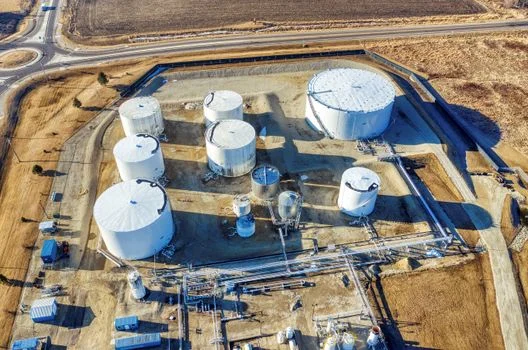
Engineering Specs for Industrial Pretreatment Systems in Prague: DAF vs. MBR vs. Chemical Dosing
| Feature | DAF Systems (e.g., HydropureWater) | MBR Systems (e.g., HydropureWater DF series) | Chemical Dosing (e.g., HydropureWater automatic systems) |
|---|---|---|---|
| Primary Removal Targets | TSS, FOG, particulate COD | BOD, COD, TSS, nutrients (high efficiency) | Phosphorus, heavy metals, some TSS/COD |
| Typical Removal Efficiency | 92–97% TSS, 85–90% FOG | <10 mg/L COD, <1 mg/L TSS | 90% Phosphorus (with ferric chloride) |
| Ideal Influent Profiles | Food processing (FOG 200–1,000 mg/L), pulp/paper, metalworking | Pharmaceuticals (COD 1,000–3,000 mg/L), textiles (TSS 500–2,000 mg/L), high-quality effluent needs | Effluents requiring specific nutrient (P) or heavy metal removal |
| Hydraulic Retention Time (HRT) | 10–30 minutes | 4–8 hours | Minutes (contact time) |
| Sludge Production | 0.5–1 kg/m³ | 0.2–0.4 kg/m³ | Increases sludge volume by 20–30% |
| Footprint | Moderate | 60% smaller than conventional systems | Small (for dosing unit) |
| Relative CAPEX (50 m³/h) | CZK 2.5M–4M | CZK 5M–8M | CZK 500K–1M |
| Energy Consumption | 0.3–0.5 kWh/m³ | 0.8–1.2 kWh/m³ | Low (pumps, mixers) |
Step-by-Step Compliance Checklist for Prague’s Indirect Discharge Limits
Achieving and maintaining compliance with Prague’s indirect discharge limits requires a structured approach. This checklist provides industrial facility managers with actionable steps to navigate the regulatory landscape and ensure their operations meet contractual obligations.Step 1: Pre-audit and Wastewater Stream Mapping
Begin by conducting a comprehensive internal audit of all wastewater-generating processes within your facility. Map out each wastewater stream, identifying high-load processes such as Clean-in-Place (CIP) cycles in food processing, dye baths in textile manufacturing, or specific chemical reactions in pharmaceuticals. Accurately estimate the flow rates (m³/day) for each stream and characterize their typical contaminant profiles. This initial mapping is crucial for understanding your total wastewater load and identifying potential sources for reduction or segregation.Step 2: Influent Sampling and Characterization
Before implementing any treatment, establish a baseline of your raw wastewater quality. Collect influent samples for key parameters including COD, TSS, FOG, pH, and heavy metals (e.g., Arsenic, Chromium, Nickel). Prague Water Management, a.s. guidelines typically recommend sampling at least three times over a 30-day period to capture variations in effluent quality. Consistent and representative sampling ensures accurate characterization of your wastewater and informs the selection of the most effective pretreatment technology.Step 3: Select the Optimal Pretreatment System
Utilize the comparison data from the previous section to match a pretreatment technology to your specific influent profile and desired effluent quality. For facilities with FOG levels consistently above 200 mg/L, a DAF system for food processing wastewater in Prague is often the most cost-effective solution. If your wastewater contains high concentrations of complex COD or requires exceptionally low TSS, an MBR system may be necessary, despite its higher CAPEX. Consider factors like footprint, operational complexity, and sludge handling requirements in your decision.Step 4: Pilot Testing and Performance Documentation
Before full-scale implementation, conduct a pilot test with the selected pretreatment system. A typical pilot trial runs for at least four weeks, allowing for optimization of operational parameters (e.g., chemical dosages, flow rates) and robust data collection. Document the effluent quality meticulously throughout the pilot phase, creating a detailed report that includes influent and effluent concentrations for all relevant parameters, chemical consumption, and energy usage. This data is critical evidence of your system’s capabilities.Step 5: Negotiate Contractual Limits with Prague Water Management, a.s.
Armed with your pilot test data, formally submit a proposal for contractual discharge limits to Prague Water Management, a.s. Present the documented performance of your pretreatment system, demonstrating its ability to consistently meet or exceed target effluent quality. When proposing limits, aim for a 10–20% buffer below their standard thresholds. This buffer provides operational flexibility and demonstrates a commitment to exceeding compliance. Include a risk assessment to show how your pretreatment system prevents potential overload or negative impacts on the municipal WWTP.Step 6: Ongoing Monitoring and Annual Review
Once your pretreatment system is operational and contractual limits are agreed upon, establish a rigorous monthly effluent monitoring program for COD, TSS, and FOG, and quarterly monitoring for heavy metals (As, Cr, Ni). Regularly review these results against your contractual limits. If monitoring indicates spikes in contaminant levels, adjust your pretreatment process as needed (e.g., increasing coagulant dose, optimizing DAF scraper speed). Prepare for annual reviews with Prague Water Management, a.s. by having all monitoring data and maintenance logs readily available. Proactive adjustments prevent non-compliance and potential penalties.Cost Breakdown: CAPEX and OPEX for Industrial Wastewater Treatment in Prague (2026)
| Cost Category | DAF System (50 m³/h) | MBR System (50 m³/h) | Chemical Dosing System (P removal) |
|---|---|---|---|
| CAPEX (Initial Investment) | CZK 2.5M–4M | CZK 5M–8M | CZK 500K–1M |
| Installation Costs (15–20% of CAPEX) | CZK 500K–800K | CZK 750K–1.6M | CZK 75K–200K |
| Total Initial Investment (CAPEX + Installation) | CZK 3M–4.8M | CZK 5.75M–9.6M | CZK 575K–1.2M |
| OPEX (per m³ treated) | CZK 80–120/m³ | CZK 150–200/m³ | CZK 20–40/m³ |
| OPEX Breakdown: Chemicals | CZK 30–50/m³ | CZK 10–20/m³ (cleaning) | CZK 15–25/kg (ferric chloride) |
| OPEX Breakdown: Energy | 0.3–0.5 kWh/m³ | 0.8–1.2 kWh/m³ | Low (pumps, mixers) |
| Major Component Replacement | Air saturator (every 7-10 years) | Membranes (CZK 1M every 5–7 years) | Pumps (every 5 years) |
| Annual Maintenance Budget | CZK 200K–300K | CZK 400K–600K | CZK 50K–100K |
| Typical ROI | 3–5 years (FOG recovery, fine avoidance) | 5–7 years (COD reduction, high-quality effluent) | 2–4 years (fine avoidance for P) |
Case Study: Food Processing Plant in Prague Achieves 95% FOG Removal with DAF System
A food processing plant located in Prague 9, specializing in dairy and meat products, faced significant challenges with its wastewater discharge. The facility, processing approximately 10,000 m³/month of effluent, consistently recorded FOG levels between 800–1,200 mg/L. This far exceeded their contractual limit of 50 mg/L with Prague Water Management, a.s., resulting in recurring monthly fines of CZK 200K. The facility needed a robust and cost-effective pretreatment solution to ensure compliance and avoid escalating penalties. The chosen solution was a HydropureWater DAF-50 system, designed to treat 50 m³/h of industrial wastewater. The system was integrated with an automatic polymer dosing unit, which applied a coagulant at a concentration of 0.5–1 mg/L to enhance flocculation and FOG separation. This particular DAF model was selected due to its proven efficiency in treating high-FOG wastewater from similar food processing operations. Within three months of commissioning, the HydropureWater DAF system delivered exceptional results. FOG removal efficiency consistently reached 95%, reducing effluent concentrations to below 40 mg/L, comfortably within the contractual limit. TSS removal was similarly impressive at 92%, bringing effluent TSS down to less than 25 mg/L. Additionally, the system achieved an 85% reduction in COD, with effluent concentrations consistently below 150 mg/L. The project’s CAPEX for the HydropureWater DAF-50 system, including installation, was CZK 3.2M. The operational expenditure stabilized at approximately CZK 90/m³, which included chemical consumption and energy. The plant calculated a rapid payback period of 2.5 years, driven by the significant avoidance of CZK 200K monthly fines and the potential for FOG recovery for rendering. The facility successfully met all contractual limits, passed its annual review with Prague Water Management, a.s., and has operated without penalties since the system's implementation.Frequently Asked Questions
What are the penalties for exceeding Prague’s indirect discharge limits?
Exceeding Prague’s indirect discharge limits can lead to severe penalties, including fines up to CZK 1M or immediate termination of the wastewater discharge contract, as stipulated by the Czech Water Act 254/2001. Repeat offenders may also face criminal charges for environmental damage, especially if the non-compliance poses a significant risk to the municipal wastewater treatment plant or the environment.Can I discharge industrial wastewater directly into Prague’s WWTP without pretreatment?
No, discharging industrial wastewater directly into Prague’s municipal WWTP without pretreatment is generally not permitted. Industrial effluents typically contain high concentrations of contaminants (e.g., high COD, TSS, FOG, heavy metals) that exceed the capacity of municipal plants designed primarily for domestic sewage. Direct discharge into receiving waters would require compliance with EU Directive 91/271/EEC, demanding much stricter limits (e.g., COD < 125 mg/L, TSS < 35 mg/L) that most industrial wastewaters cannot meet without significant pretreatment.How do I negotiate lower limits with Prague Water Management, a.s.?
To successfully negotiate lower or more favorable contractual limits with Prague Water Management, a.s., you must provide robust data demonstrating your pretreatment system’s capabilities. Submit comprehensive pilot test data showing consistent and high-efficiency performance (e.g., 90% FOG removal, 95% TSS reduction). Propose new contractual limits that include a 10–20% buffer below their standard thresholds, indicating your system can reliably perform better than the proposed limit. Additionally, include a detailed risk assessment outlining how your proposed system prevents any potential overload or adverse impact on the municipal WWTP.What’s the best pretreatment system for a textile factory in Prague?
For textile factories in Prague, which typically generate wastewater with high COD and TSS from dyeing and finishing processes, MBR systems (e.g., HydropureWater DF series) are often the most suitable pretreatment solution. MBRs provide superior removal of COD (<10 mg/L) and TSS (<1 mg/L), effectively handling complex organic loads and removing color. Their compact footprint is also a significant advantage for space-constrained industrial sites. While DAF systems are less effective for dye removal and dissolved COD, they are a more budget-friendly option (CZK 2.5M vs. CZK 5M CAPEX for a 50 m³/h system) for initial TSS and some COD reduction if very high effluent quality is not the primary driver.How often should I test my effluent for compliance?
For industrial facilities in Prague, monthly testing for key parameters such as COD, TSS, and FOG is generally recommended to ensure ongoing compliance with contractual limits. Quarterly testing is advisable for heavy metals (Arsenic, Chromium, Nickel) and other specific contaminants. Prague Water Management, a.s. may require continuous monitoring systems for high-risk facilities, such as pharmaceutical plants or those with highly variable discharge profiles, to provide real-time data and prevent non-compliance events.