Chemical precipitation for phosphorus removal converts soluble orthophosphate into insoluble metal phosphates by dosing iron or aluminum salts, then separating the solids by clarification or filtration. Typical well-dosed systems reach 85–95% phosphorus removal and effluent total phosphorus below 1.0 mg/L as P. Design hinges on metal-to-P molar ratio (often 1.5–2.5 mol Fe³⁺/mol P for ferric salts), pH (5.5–7.5 for ferric; 6.0–7.0 for alum), rapid-mix intensity (G ≥ 300 s⁻¹), and flocculation HRT of 10–30 minutes.
What effluent phosphorus can chemical precipitation achieve?
Iron or aluminum salt precipitation routinely drives effluent total phosphorus below 1.0 mg/L as P when dose, pH, and solids capture are controlled. Optimized polishing commonly holds below 0.5 mg/L as P. Earlier EU sensitive-area limits were 2 mg/L and 1 mg/L as P; Directive (EU) 2024/3019 sets 0.7 mg/L and 0.5 mg/L by plant size. U.S. limits stay permit-specific.
Why Chemical Precipitation Fails (And How to Fix It)
According to Directive (EU) 2024/3019, tertiary total phosphorus targets are 0.7 mg/L for plants of 10,000–150,000 p.e. and 0.5 mg/L for plants of 150,000 p.e. and above. Earlier guidance under Directive 91/271/EEC used sensitive-area values of 1–2 mg/L as P.
A municipal WWTP in a major metropolitan area recently faced a compliance audit with effluent phosphorus averaging 3.5 mg/L as P. That value exceeded a regional discharge limit of 2 mg/L as P. Biological phosphorus removal alone often cannot hold sub-1.0 mg/L as P under load swings or cold weather. Typical failure modes are wrong metal salt, weak or excessive mixing energy, uncontrolled pH drift, and weak solids–liquid separation after precipitation.
Corrected chemical dosing—standalone or as a polishing step—can hold effluent phosphorus below 0.5 mg/L as P with optimized ferric chloride feed. According to the U.S.Targets below 0.10 mg/L as P can require ratios near 6–7.
Chemical Precipitation for Phosphorus Removal: Mechanism and Process Flow
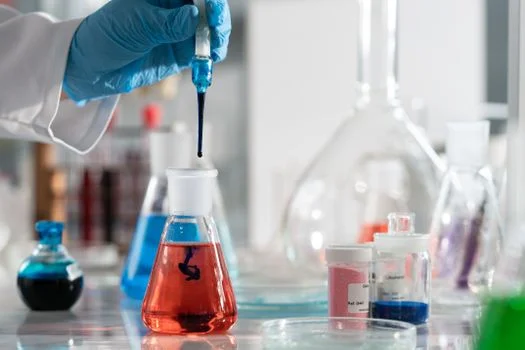
Metal cations, mainly Fe³⁺ or Al³⁺, react with orthophosphate to form insoluble solids such as FePO₄(s). Orthophosphate is the primary target; earlier practice often cited 80–90% of municipal total phosphorus as orthophosphate, while the U.S.Polyphosphates and organic phosphorus need hydrolysis before they precipitate.
The process uses four steps. First comes precise metal-salt dosing, then rapid mix for dispersion at a velocity gradient G ≥ 300 s⁻¹ for about 30–60 seconds. Flocculation builds settleable flocs at G = 20–70 s⁻¹ for 10–30 minutes, followed by solids separation by clarification or filtration. A common train is influent → flash mixer → flocculation tank → clarifier → effluent. Ferric salts work best at pH 5.5–7.5; alum is most effective at pH 6.0–7.0. PLC-controlled dosing keeps pH and residual orthophosphate inside those windows.
Metal Salt Showdown: Ferric vs. Alum vs. Sodium Aluminate
Metal salt choice sets stoichiometric demand, operating pH, sludge mass, and unit cost of phosphorus removed. Ferric chloride usually delivers the highest removal efficiency but is corrosive to carbon steel. Alum often has a lower chemical purchase cost yet produces more sludge, raising disposal cost. Sodium aluminate helps in alkaline wastewater because it adds alkalinity, but its chemical cost per kilogram of P removed is typically higher. Competing ions such as sulfate and carbonate can cut precipitation efficiency by 10–20% by consuming metal that would otherwise bind orthophosphate.
| Metal Salt | Stoichiometric Ratio (moles metal/mole P) | Optimal pH Range | P Removal Efficiency (%) | Sludge Production (kg/kg P removed) | Cost ($/kg P removed) |
|---|---|---|---|---|---|
| Ferric Chloride (FeCl₃) | 1.5–2.5 | 5.5–7.5 | 90–95% | 4–6 kg | $0.80–$1.20 |
| Alum (Al₂(SO₄)₃) | 1.0–1.5 | 6.0–7.0 | 85–90% | 8–12 kg | $0.50–$0.90 |
| Sodium Aluminate (NaAlO₂) | 1.0–1.2 | 6.5–8.0 | 80–85% | 5–7 kg | $1.00–$1.50 |
After precipitation, lamella clarifiers for compact solids separation after chemical precipitation are often used where footprint is tight. Where floatable floc or oil is present, a Dissolved Air Flotation (DAF) System can replace or supplement gravity clarification for solids capture.
Engineering Specs: Dosing Points, Mixing, and Hydraulic Retention Times
Dosing location changes chemical demand and sludge routing. Pre-precipitation in the primary clarifier, simultaneous precipitation in secondary clarification, and tertiary polishing are all used. Two-point dosing before primary and secondary clarification can cut overall chemical use by 20–30% versus a single high tertiary dose. Rapid mix needs G of at least 300 s⁻¹ for 30–60 seconds; flocculation then runs at G of 20–70 s⁻¹ for 10–30 minutes. Clarification HRT is typically 2–4 hours after flocculation.
pH control with sulfuric acid or lime often adds $0.02–$0.05 per cubic meter of treated wastewater. Chemical precipitation increases sludge production by 25–50%, so dewatering capacity must rise accordingly. Plants commonly use filter presses for dewatering chemical sludge to about 30–40% dry solids.
Which materials resist precipitation chemical attack?
Ferric chloride, alum, and acid/base trim chemicals attack carbon steel, ordinary elastomers, and some concrete if splash and vapor are ignored. Metering skids for concentrated FeCl₃ typically use PVC, CPVC, PVDF, or lined steel for wetted parts, with seals rated for low-pH oxidizers. Secondary containment, drip trays, and vapor-resistant instrumentation housings reduce corrosion failures on outdoor dosing packages. Material selection for chemical resistance on the dosing skid is as important as pump sizing when ferric salts are stored at 30–40% strength.
CAPEX and OPEX Breakdown: Chemical Precipitation Costs for 2026
For a typical 100 m³/h wastewater treatment system, CAPEX for a chemical precipitation package ranges from $70,000 to $180,000. That scope covers dosing, mixing tanks, a clarifier, and basic automation.
| CAPEX Component (100 m³/h system) | Estimated Cost Range |
|---|---|
| Chemical Dosing System | $30,000–$80,000 |
| Mixing Tanks | $10,000–$30,000 |
| Clarifier (e.g., lamella clarifier) | $20,000–$50,000 |
| Automation & Controls | $10,000–$20,000 |
| Total CAPEX | $70,000–$180,000 |
OPEX is driven by chemicals, sludge disposal, energy, and maintenance. Chemical cost is typically $0.10–$0.30 per cubic meter; sludge disposal adds $0.05–$0.15 per cubic meter; energy for pumps and mixers is about $0.01–$0.03 per cubic meter; maintenance is about $0.02–$0.05 per cubic meter. Total OPEX is therefore about $0.18–$0.53 per cubic meter. Ferric chloride often costs more per kilogram of product than alum but produces less sludge, so net OPEX can differ by about ±$0.05 per cubic meter. A 500 m³/h WWTP in Spain reported a 15% OPEX reduction after switching from alum to ferric chloride, mainly from lower sludge handling cost. For broader plant CAPEX context, see Wastewater Treatment Plant Cost in California 2026.
What lowers chemical dosing pump operating cost?
Chemical dosing pump operating cost falls when stroke or speed tracks real orthophosphate load instead of a fixed high setpoint. Feedback from online phosphate analyzers, two-point dosing, and duty/standby metering with calibrated check valves cut overfeed that otherwise inflates both chemical purchase and sludge disposal. In U.S. municipal plants targeting about 1.0 mg/L as P, automated trim often recovers more OPEX than buying a slightly cheaper pump with poor turndown. An automatic chemical dosing system with real-time residual control is the usual hardware path for that savings.
How to Select the Right Metal Salt for Your Wastewater
Metal salt selection should follow wastewater chemistry and cost drivers, not vendor preference alone.
- Influent Phosphorus Concentration: For high-P wastewater (>10 mg/L as P, e.g., food processing), ferric chloride is often preferred for efficiency and a wider pH window. For lower-P municipal wastewater (<10 mg/L as P), alum can be cost-effective if sludge disposal is cheap.
- Wastewater pH: Acidic streams (pH < 6.0) usually favor ferric salts. Neutral to mildly alkaline water (pH 7.0–8.0) suits alum; highly alkaline streams (pH 6.5–8.0, e.g., pulp and paper) often favor sodium aluminate because it adds alkalinity.
- Alkalinity: Low-alkalinity water may need lime or bicarbonate with alum or ferric salts. Sodium aluminate consumes less natural alkalinity.
- Budget Sensitivity: CAPEX-sensitive projects may start with a simpler alum package. OPEX-sensitive sites with high landfill fees often favor ferric chloride for lower sludge mass.
Use this selection checklist before freezing the design dose. Confirm soluble versus total P and orthophosphate share. Map alkalinity and competing anions, then lock the effluent TP permit and averaging period. Price delivered chemicals plus sludge disposal, verify dosing materials compatibility, and choose one-point or two-point dosing. GPS-X or BioWin can screen scenarios, but jar tests remain the ground truth and typically cost $5,000–$15,000 for a 3-month pilot package.
Troubleshooting Chemical Precipitation: 5 Common Problems and Solutions
Operational upsets raise effluent phosphorus and chemical bills. Address the root cause before raising dose blindly.
- Problem 1: Incomplete Phosphorus Removal. Causes include wrong dose, pH drift, or weak rapid mix.
- Fix: Repeat jar tests, add automatic pH trim, and confirm rapid-mix G ≥ 300 s⁻¹.
- Problem 2: Excessive Sludge Production. Overdosing or high influent TSS inflate solids.
- Fix: Trim dose to residual orthophosphate setpoints and consider pre-sedimentation to cut TSS.
- Problem 3: Scaling in Pipes/Pumps. Hard water or pH above 8.0 favors mineral scale.
- Fix: Dose antiscalant at about $0.01–$0.03 per m³ or hold pH near 6.5–7.5 for most metal salts.
- Problem 4: Poor Floc Formation. Low alkalinity or floc shear breaks aggregates.
- Fix: Add lime or sodium bicarbonate and keep flocculation G in the 20–70 s⁻¹ band.
- Problem 5: High Chemical Costs. Single-point dosing and manual setpoints waste reagent.
- Fix: Move to two-point dosing and closed-loop control on orthophosphate residual.
Who this is for: plant engineers and EPC buyers specifying metal-salt phosphorus trains to meet permits near or below 1.0 mg/L as P, or polishing after biological phosphorus removal. Who should look elsewhere: sites that only need coarse TP near 2 mg/L as P with stable EBPR and no winter risk may defer a full tertiary chemical train. Next step: send influent P speciation, alkalinity, flow (m³/h or US gpd), and the permit limit so dosing and clarifier sizing can be checked before purchase—Request a free quote with those parameters.
Frequently Asked Questions
Q: What is the primary reaction used to precipitate phosphorus with metal salts?
A: Metal cations such as Fe³⁺ or Al³⁺ react with soluble orthophosphate (PO₄³⁻) to form insoluble metal phosphates like FePO₄ or AlPO₄. Those solids are then removed by clarification, flotation, or filtration. Only orthophosphate precipitates directly; polyphosphates and organic phosphorus must first hydrolyze, which is why dosing point and biological pretreatment matter.
Q: How does pH affect chemical precipitation efficiency?
A: Ferric salts work best at pH 5.5–7.5, and alum is most effective at pH 6.0–7.0 under typical municipal wastewater conditions. Outside those bands, residual soluble phosphorus rises, chemical demand increases, and flocs weaken or redissolve. Continuous pH measurement at the rapid-mix outlet is the practical control point.
Q: What are the main differences between ferric chloride and alum?
A: Ferric chloride typically reaches 90–95% phosphorus removal with 4–6 kg sludge per kg P removed, versus about 85–90% and 8–12 kg sludge per kg P for alum in the same comparison table. Ferric chloride is more corrosive and often costs more per kilogram of P removed on a chemical-only basis, while alum can raise disposal cost through higher sludge volume.
Q: How much does chemical precipitation increase sludge production?
A: Chemical precipitation typically increases sludge production by 25–50% compared with biological treatment alone at municipal WWTPs. The added mass comes from metal phosphate precipitates and metal hydroxides formed when dose exceeds stoichiometric demand. Dewatering trains must be sized for that higher solids load.
Q: Can chemical precipitation be combined with biological phosphorus removal?
A: Yes. Metal-salt polishing is widely used after enhanced biological phosphorus removal as a wet-weather or compliance backup. Biology can remove a large fraction of influent phosphorus, while a trimmed metal-salt dose holds effluent below stringent limits such as 0.5 mg/L as P when biological performance dips.