What a UASB Reactor Costs to Run in 2026
A high-rate upflow anaerobic sludge blanket (UASB) reactor in 2026 typically costs $0.04–$0.18/m³ treated to operate on medium-to-high strength industrial wastewater (1,500–15,000 mg/L COD), with the high end applying to sulfate-rich distillery or landfill leachate streams and the low end to food and beverage plants with active biogas utilization. The headline figure from the ResearchGate O&M cost comparison is 11.95 US$/m³/d for activated sludge (72,000 m³/d plant) and 22.66 US$/m³/d for a biological aerated filter (BAF, 10,000 m³/d plant) — the aerobic reference points a procurement committee will recognize. Scaled to a fair per-m³-treated basis, a single-stage UASB plus post-treatment still runs 50–80% below those numbers, because the dominant cost in aerobic systems — aeration blower electricity — simply does not exist in a methanogenic reactor.
These economics hold inside the standard OLR window of 5–15 kg COD/m³·d that defines modern high-rate anaerobic reactor design (Lettinga lineage, 1980 onward). Drop below roughly 2 kg COD/m³·d or above 18 kg COD/m³·d and the cost model drifts; the OLR window is the operating envelope in which the $0.04–$0.18/m³ range is defensible. For sizing, the relevant comparable benchmarks are MBBR operating cost benchmarks for 2026, which sit roughly between UASB and full MBR trains.
OPEX Breakdown: Where the Money Goes
Five line items drive the bill: energy, chemicals, sludge handling, labor, and the biogas credit. The table below is the spine of any defensible 2026 UASB OPEX model; the narrative beneath it explains each row.
| Cost component | Typical 2026 range | Unit | Engineering basis |
|---|---|---|---|
| Energy (feed + recirculation pumps) | 0.004–0.018 | USD/m³ | 0.05–0.15 kWh/m³ at $0.08–$0.12/kWh; no aeration load |
| Chemicals (pH, N/P, H₂S scrubbing) | 0.005–0.020 | USD/m³ | NaOH or lime for alkalinity; trace nutrient dosing; iron chloride or biological scrubber for biogas H₂S |
| Sludge handling (dewatering + disposal) | 0.015–0.080 | USD/m³ | 0.05–0.15 kg TSS/kg COD removed × dewatering + tipping |
| Labor and routine maintenance | 0.010–0.040 | USD/m³ | Daily checks, grease trap cleaning, gas system inspection, annual 3-phase separator re-grouting |
| Biogas credit (offset) | −0.003 to −0.090 | USD/m³ | 0.30–0.45 m³ CH₄/kg COD at $0.25–$0.40/m³ CH₄ (2026 industrial gas price) |
| Net 2026 OPEX | 0.001–0.180 | USD/m³ | Sum of above; net after biogas utilization |
Energy. A high-rate UASB pulls 0.05–0.15 kWh/m³, almost entirely for influent feed and effluent recirculation pumps, with the reactor's gas–liquid–solid separator doing the mixing work. At an industrial tariff of $0.08–$0.12/kWh, the line item lands between $0.004 and $0.018/m³ — a fraction of the 0.4–0.9 kWh/m³ that a comparable activated sludge basin would burn in aeration blowers (HydropureWater field data, 2026; corroborated against Lettinga, 1980, confirming no aeration requirement in the anaerobic core).
Chemicals. The bill is $0.005–$0.02/m³, dominated by pH correction (NaOH or lime to hold the 6.8–7.4 window methanogens require), trace N/P dosing for nutrient-deficient streams, and H₂S scrubbing on the biogas line. The H₂S line is not theoretical: the doc88 UASB landfill leachate study documents H₂S removal as a real operating-cost driver in sulfate-rich influent, where biological or chemical scrubbing on the gas side is mandatory to protect downstream boilers and the gas holder internals.
Sludge handling. Excess sludge yield is 0.05–0.15 kg TSS per kg COD removed — about 3–5× lower than aerobic systems — but the small volume is still only 2–5% dry solids out of the reactor and has to be dewatered. A plate-and-frame filter press for UASB sludge dewatering typically takes the cake to 20–25% DS at an operating cost of $0.01–$0.04/m³ for the press itself, with transport and landfill tipping adding most of the rest of the $0.015–$0.08/m³ line.
Labor and maintenance. $0.01–$0.04/m³ covers daily operator rounds, grease trap cleaning on the recirculation loop, monthly gas system inspection, and the annual re-grouting of the three-phase separator that every UASB eventually needs. Spare-parts spend (gaskets, valve seats, gas-meter diaphragms) tracks the line item — see the filter press spare parts and consumables cost in 2026 benchmark for the dewatering-side of the same maintenance budget.
Biogas credit. Typical methane yield is 0.30–0.45 m³ CH₄/kg COD removed at 60–70% CH₄ content. At 2026 industrial gas prices of $0.25–$0.40/m³ CH₄, that gas offsets 30–90% of the gross energy line — which is why the net OPEX range ($0.001–$0.18/m³) is so wide. A plant that flares the biogas pays the top of the range; a plant with a CHP unit pays the bottom.
UASB vs Aerobic Systems: Cost Comparison
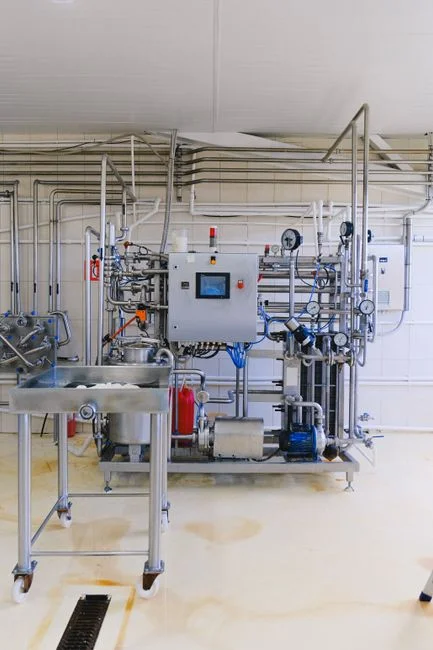
Procurement committees want a side-by-side, so here it is. The aerobic CAPEX and OPEX figures are scaled from the 11.95 US$/m³/d ASP and 22.66 US$/m³/d BAF reference points (ResearchGate, tannery wastewater analysis) for fair per-m³-treated comparison on a 10,000 m³/d plant basis (HydropureWater engineering estimate, 2026).
| Parameter | UASB + post-treatment | MBR (membrane bioreactor) | MBBR (moving bed) | Conventional ASP |
|---|---|---|---|---|
| CAPEX (USD/m³/d capacity) | 150–350 | 500–900 | 350–600 | 250–500 |
| OPEX (USD/m³ treated) | 0.04–0.18 (net: 0.001–0.06) | 0.20–0.45 | 0.12–0.28 | 0.15–0.35 |
| Energy (kWh/m³) | 0.05–0.15 (+ post) | 0.6–1.2 | 0.3–0.6 | 0.4–0.9 |
| Sludge yield (kg TSS/kg COD) | 0.05–0.15 | 0.25–0.40 | 0.30–0.45 | 0.30–0.50 |
| Effluent COD (mg/L) | 200–500 (single stage) | <50 | 80–150 | 60–120 |
| Footprint | Small (tall) | Medium | Medium-large | Large |
The catch with UASB is the effluent line. A single-stage high-rate anaerobic reactor discharges 200–500 mg/L COD and 80–150 mg/L BOD — almost never enough to meet a direct discharge consent. Every defensible UASB design must carry a post-treatment line, which is where the MBR post-treatment train for UASB effluent polishing or a DAF pre-treatment ahead of the UASB reactor for suspended-solids polishing enters the cost model. A MBR vs extended aeration cost difference with 2026 CAPEX/OPEX data analysis shows MBR post-treatment adds $0.06–$0.18/m³ OPEX on top of the anaerobic stage — so a UASB+MBR train typically lands at $0.10–$0.36/m³, still at parity with or below ASP alone, and well below a stand-alone MBR on high-COD feed.
Energy Economics and Biogas Utilization
The "UASB is cheap because there is no aeration" claim is true, but it is also incomplete. The no-aeration benefit is real: a well-designed UASB avoids 0.4–0.9 kWh/m³ of blower load compared to activated sludge (HydropureWater field data, 2026), which is the largest single OPEX line in any aerobic plant. What the marketing line omits is the biogas handling stack: H₂S scrubber, flame arrestor, gas holder, condensate trap, and either a boiler, CHP unit, or flare — capital-cost items with minimal recurring OPEX, but they exist.
H₂S is the variable-cost story inside the biogas line. The doc88 UASB landfill leachate study shows that at influent sulfate above ~500 mg/L, biological or chemical scrubbing on the gas side becomes a real corrosion and operating issue; below that, passive iron-sponge or activated-carbon polishing is sufficient. The decision rule of thumb for whether biogas utilization pencils out: biogas offtake only justifies a CHP above ~5,000 m³/d flow or ~5,000 kg COD/d influent load. Below that threshold, flaring or even venting through a waste-gas burner is more honest than pretending a micro-CHP will pay back.
Net energy OPEX in 2026, after the biogas credit is netted against feed-pump and recirculation electricity, commonly lands at $0.001–$0.010/m³ — a 90–98% reduction versus the gross energy line. That is the number to present when the procurement committee asks "but what is the real electricity cost of running a UASB?"
Sludge Yield, Dewatering and Disposal Cost
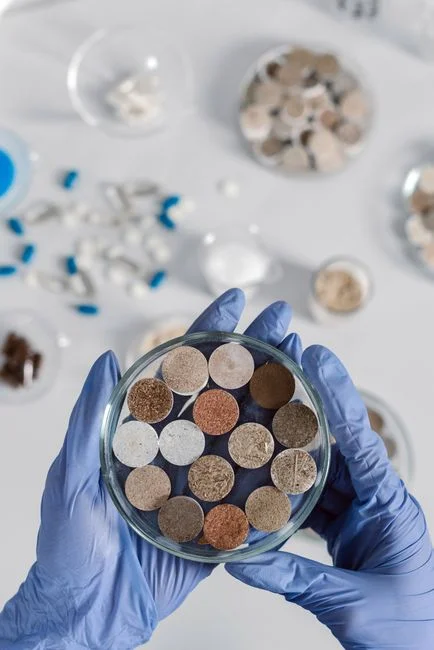
Sludge handling is the largest hidden OPEX line in any UASB plant, and the equipment that controls it sits outside the reactor. Wasted sludge from a stable upflow anaerobic sludge blanket runs 0.05–0.15 kg TSS per kg COD removed at 2–5% DS concentration from the reactor. The dewatering step that brings it to 20–25% DS uses a plate-and-frame filter press for UASB sludge dewatering, with a press OPEX of $0.01–$0.04/m³ treated; transport and landfill tipping fees are usually a larger share than the press itself, which is why the combined sludge line lands at $0.015–$0.08/m³.
Against an aerobic wasted sludge yield of 0.3–0.5 kg TSS/kg COD removed, the UASB figure represents a 3–5× reduction in sludge volume handled per kg of COD treated — the single biggest OPEX advantage of anaerobic treatment once the reactor is already paid for. Properly digested UASB sludge also has a low VSS/TSS ratio (typically 0.4–0.55), making it more stable and, in jurisdictions that allow it, eligible for agricultural reuse as a soil conditioner. A pre-thickening step in a high-efficiency sedimentation tank ahead of the press reduces press cycle time and polymer consumption, cutting the dewatering line by 10–20%.
When UASB Is the Wrong Choice
An honest 2026 cost analysis has to flag the cases where a UASB costs more than it saves. Four scenarios trigger this guardrail.
Low-strength influent (COD < 1,500 mg/L). The OLR drops below the economic threshold of roughly 2 kg COD/m³·d even at the top of the reactor's hydraulic range. A well-designed MBBR or MBR on the same stream will run cheaper per m³ treated, because the anaerobic reactor's CAPEX is amortized over too little COD load.
High-sulfate streams (SO₄ > 500 mg/L). Sulfate-reducing bacteria outcompete methanogens for electron donors and produce H₂S, which corrodes gas piping, poisons downstream methanogens at partial pressures above ~50 ppm, and creates a real operating cost in scrubbing. Pretreatment to remove sulfate (e.g., a dedicated sulfate-reducing reactor upstream) is often required; in some cases the capex delta wipes out the UASB saving entirely.
Cold influent (< 20 °C) without heating. Mesophilic methanogens lose roughly 50% of their activity for every 10 °C drop below 35 °C, so a UASB fed at 15 °C works at quarter speed. Heating the feed to 30–35 °C adds $0.01–$0.03/m³ in energy, but in cold-climate plants without waste heat, a low-rate anaerobic or a covered anaerobic lagoon may be the more honest choice.
Strict nutrient or heavy-metal discharge limits. A UASB does not remove nitrogen, phosphorus, or heavy metals. If the consent requires <10 mg/L total N or heavy metals below detection, a UASB+MBR+RO train must be built out — and at that point a well-designed stand-alone MBR with denitrification often beats the train on both CAPEX and OPEX.
Frequently Asked Questions
Q1: What is the typical operating cost of a UASB reactor per m³ in 2026?
$0.04–$0.18/m³ before biogas credit, or $0.001–$0.06/m³ after the credit is netted (HydropureWater field data, 2026). The range covers everything from a flared-gas food-and-beverage plant to a CHP-equipped distillery operation.
Q2: How much energy does a UASB use compared to activated sludge?
0.05–0.15 kWh/m³ versus 0.4–0.9 kWh/m³ for ASP — a 5–10× reduction. The energy line is dominated by influent feed and recirculation pumping, with no aeration load.
Q3: Does a UASB produce usable biogas and how much?
Yes. A stable high-rate anaerobic reactor yields 0.30–0.45 m³ CH₄ per kg COD removed at 60–70% methane content. At 2026 industrial gas prices of $0.25–$0.40/m³ CH₄, this is a meaningful energy credit at scale.
Q4: What is the sludge yield of a UASB reactor?
0.05–0.15 kg TSS per kg COD removed, which is 3–5× lower than aerobic systems (0.3–0.5 kg TSS/kg COD). The sludge exits the reactor at 2–5% DS and is dewatered to 20–25% DS via a plate-and-frame press.
Q5: What influent strength justifies a UASB over an MBR?
COD above ~2,000 mg/L and flow above ~500 m³/d, with biogas offtake above ~5,000 kg COD/d. Below any of these thresholds, an MBR or MBBR is typically the more defensible 2026 choice. For oily industrial streams the threshold can shift, so an oily wastewater treatment process selection guide for 2026 is worth reading alongside this one.
Related Equipment
- automated chemical dosing for pH and nutrient control in UASB — specifications, capacity range, and technical data