Why Wastewater Treatment Costs in Peru Are Rising in 2025
Peru's ambitious 2025 National Water and Sanitation Plan targets 95% wastewater treatment coverage by 2030, a significant leap from the 60% achieved in 2020. This national imperative is driving an estimated $1.2 billion in necessary investments over the next five years, according to the World Bank (2025). However, municipal engineers and industrial facility managers in Peru are increasingly grappling with the complex cost drivers that can inflate project budgets. Local factors, such as the extreme altitudes found in regions like Puno (3,800m), necessitate specialized aeration systems to overcome reduced oxygen transfer efficiency, potentially increasing costs by 15–30%. Similarly, coastal plants face higher expenses due to the need for corrosion-resistant materials to combat salinity. The diverse industrial landscape, with mining operations in Cerro de Pasco and textile factories in Lima, presents unique challenges; the presence of heavy metals, cyanide, and high organic loads requires robust and often costly pretreatment stages. A stark reminder of these complexities came with a 2023 audit of Lima's La Chira wastewater treatment plant, which revealed 22% cost overruns, largely attributed to underestimating sludge handling volumes and associated energy consumption (SUNASS, 2024). Compliance with Peru’s regulatory framework, including effluent limits stipulated in DS 015-2015-MINAM and SUNASS tariff structures, directly impacts both capital expenditure (capex) for plant construction and operational expenditure (opex) for ongoing treatment processes.
Wastewater Treatment Plant Cost Structure: Capex vs. Opex Breakdown
Understanding the financial architecture of wastewater treatment projects in Peru is crucial for effective budgeting. Typically, the lifecycle cost of a wastewater treatment plant is split roughly 60% for capital expenditure (capex) and 40% for operational expenditure (opex) over a 20-year lifespan. For a hypothetical $100 million plant, the capex is distributed as follows: approximately 40% for civil works (including excavation, concrete structures, and extensive piping networks), 35% for mechanical and electrical equipment (such as pumps, blowers, membranes, and control systems), 15% for engineering services (covering design, permitting, and project management), and a vital 10% contingency. This contingency is particularly important in Peru, accounting for potential seismic reinforcement requirements and necessary altitude adjustments for equipment. The operational expenditure (opex) over 20 years is dominated by energy costs, representing about 30% of the total, primarily for aeration and pumping. Labor costs follow at 25%, with chemicals (coagulants, disinfectants) accounting for 20%, maintenance at 15%, and sludge disposal at 10%. Peru-specific environmental conditions can add to these figures: altitude can increase energy costs by 15% due to reduced aeration efficiency, coastal operations may see a 10% rise in material costs for corrosion resistance, and industrial effluents, particularly from mining, can elevate pretreatment costs by up to 20% due to the need for heavy metal removal and pH neutralization. The total 20-year lifecycle cost (LCC) can be estimated using the formula: LCC = Capex + (Opex × 20) + Decommissioning (estimated at 5% of capex).
| Cost Category | Typical Allocation (for $100M Plant) | Peru-Specific Adjustments | Example Cost Driver |
|---|---|---|---|
| Capex: Civil Works | 40% | +5% (Seismic Reinforcement) | Excavation, Concrete, Piping |
| Capex: Mechanical/Electrical | 35% | +15% (Altitude for Aeration), +10% (Coastal Corrosion) | Pumps, Blowers, Membranes |
| Capex: Engineering & Design | 15% | N/A | Permits, Project Management |
| Capex: Contingency | 10% | N/A | Unforeseen site conditions, regulatory changes |
| Opex: Energy | 30% | +15% (Altitude Impact) | Aeration, Pumping |
| Opex: Labor | 25% | N/A | Operator Salaries, Maintenance Staff |
| Opex: Chemicals | 20% | +20% (Mining Effluent Pretreatment) | Coagulants, Disinfectants, pH Adjusters |
| Opex: Maintenance | 15% | N/A | Spare Parts, Service Contracts |
| Opex: Sludge Disposal | 10% | N/A | Landfill Fees, Dewatering Costs |
Cost per Treatment Stage: Engineering Benchmarks for Peru
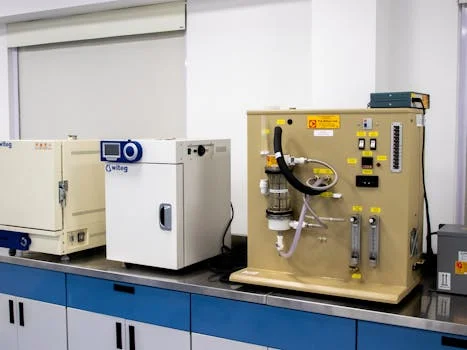
To optimize process design and capital allocation, a granular understanding of costs by treatment stage is essential for Peruvian projects. Preliminary treatment, encompassing screening and grit removal, typically ranges from $50 to $150 per cubic meter per day (m³/day) of plant capacity. For instance, a GX Series Rotary Mechanical Bar Screen, capable of handling 50–500 m³/h, can cost between $25,000 and $80,000. Primary treatment, focusing on sedimentation, usually falls between $100 and $300 per m³/day. The adoption of high-efficiency lamella clarifiers, compared to conventional settling tanks, can reduce the footprint by up to 70% and save approximately $20–$50 per m³/day in civil works costs. Secondary treatment, the biological stage, represents a significant investment, ranging from $300 to $800 per m³/day. Membrane Bioreactor (MBR) systems are at the higher end ($600–$800/m³/day) due to advanced membrane technology, while conventional activated sludge processes are more economical ($300–$500/m³/day). Dissolved Air Flotation (DAF) systems, particularly for industrial applications, are priced between $400–$600/m³/day. Tertiary treatment, including filtration and disinfection, adds another $150 to $400 per m³/day. For example, chlorine dioxide generators, effective for SUNASS-compliant disinfection, range from $15,000 to $100,000 for capacities of 50–20,000 g/h. Sludge handling and dewatering are critical cost centers, estimated at $200 to $500 per m³/day. A plate frame filter press, a common dewatering solution, can range from $30,000 to $200,000 for a filtration area of 1–500 m². Peru's climate also influences disinfection costs; high UV levels in regions like Arequipa may reduce chemical demand but increase maintenance for UV systems.
| Treatment Stage | Typical Cost per m³/day Capacity (USD) | Example Equipment & Range (USD) | Peru-Specific Considerations |
|---|---|---|---|
| Preliminary Treatment (Screening, Grit Removal) | $50–$150 | GX Series Rotary Mechanical Bar Screen: $25K–$80K (50–500 m³/h) | Altitude may affect grit settling rates. |
| Primary Treatment (Sedimentation) | $100–$300 | Lamella Clarifiers: $20–$50/m³/day cost saving vs. conventional | Higher temperatures in some regions can increase biological activity. |
| Secondary Treatment (Biological) | $300–$800 | MBR Systems: $600–$800; Conventional Activated Sludge: $300–$500; DAF: $400–$600 | Altitude impacts aeration efficiency (15% cost increase for energy). |
| Tertiary Treatment (Filtration, Disinfection) | $150–$400 | Chlorine Dioxide Generators: $15K–$100K (50–20,000 g/h) | High UV in Arequipa reduces disinfection chemical needs but increases UV system maintenance. |
| Sludge Handling & Dewatering | $200–$500 | Plate Frame Filter Press: $30K–$200K (1–500 m² area) | Sludge characteristics vary significantly with industrial effluent. |
For preliminary screening needs, consider our GX Series Rotary Mechanical Bar Screen. Efficient primary sedimentation can be achieved with our High-Efficiency Sedimentation Tank. For advanced biological treatment, explore our MBR Integrated Wastewater Treatment systems. Industrial pretreatment can benefit from our Dissolved Air Flotation (DAF) Machine. For effective disinfection, our Chlorine Dioxide Generator is a reliable choice. Sludge dewatering is efficiently handled by our Plate Frame Filter Press.
Equipment Technology Comparison: MBR vs. DAF vs. Conventional for Peruvian Projects
Selecting the optimal wastewater treatment technology in Peru requires balancing performance, cost, and local environmental conditions. Membrane Bioreactor (MBR) systems offer near-reuse quality effluent, with Total Suspended Solids (TSS) below 1 mg/L, and boast a 60% smaller footprint, making them ideal for space-constrained urban areas like Lima. However, MBRs come with a higher capex, typically $600–$800 per m³/day, and approximately 30% higher energy consumption. This energy penalty can increase by an additional 15% at high altitudes. Dissolved Air Flotation (DAF) systems are particularly effective for industrial effluents characterized by high FOG (Fats, Oils, and Grease) and TSS, such as those from textile mills or food processing plants. Their capex ranges from $400–$600 per m³/day, with opex around $0.15–$0.30 per m³ largely driven by chemical costs. For mining effluents, these chemical costs can escalate by 20% due to the need for extensive pH adjustment and flocculation. Conventional Activated Sludge (CAS) processes offer the lowest capex, typically $300–$500 per m³/day, but require a significantly larger footprint and generate more sludge. This makes CAS a viable option for rural or less land-constrained projects, such as those in Puno, where land is more affordable. When evaluating these technologies for Peru, consider that MBR's energy demands are exacerbated by altitude, and DAF's chemical consumption can rise sharply with challenging industrial inputs.
| Criteria | MBR (Membrane Bioreactor) | DAF (Dissolved Air Flotation) | Conventional Activated Sludge (CAS) |
|---|---|---|---|
| Capex per m³/day | $600–$800 | $400–$600 | $300–$500 |
| Opex per m³ | $0.25–$0.40 (higher energy) | $0.15–$0.30 (chemical intensive) | $0.10–$0.20 (lower energy, higher sludge) |
| Footprint | Small (60% less than CAS) | Medium | Large |
| Effluent Quality | Excellent (<1 mg/L TSS, near reuse-quality) | Good (removes FOG, TSS) | Fair to Good (removes BOD, TSS) |
| Maintenance Complexity | High (membrane cleaning/replacement) | Medium (chemical handling, system checks) | Medium (aeration, settling checks) |
| Peru-Specific Adjustments | +15% Energy cost at altitude; higher maintenance in saline areas. | +20% Chemical cost for mining effluent; requires careful chemical storage. | Larger footprint may be prohibitive in urban areas; sensitive to temperature fluctuations. |
| Best Suited For | Space-constrained urban areas, industrial reuse. | High FOG/TSS industrial streams (textiles, food, mining pretreatment). | Rural areas, large land availability, lower-cost treatment needs. |
Our MBR Integrated Wastewater Treatment systems are engineered for high-performance effluent and compact installations. For challenging industrial streams, explore the capabilities of our Dissolved Air Flotation (DAF) Machine. For a comprehensive comparison of sludge dewatering technologies and their cost implications, see our article on Plate Frame Filter Press vs. Alternatives.
ROI Calculation for Peruvian Wastewater Projects: A Step-by-Step Guide
Justifying wastewater treatment investments in Peru requires a clear demonstration of return on investment (ROI), integrating local tariff structures, potential revenue streams, and avoided costs. The process begins with calculating these avoided costs. For municipal projects, this includes avoiding SUNASS fines for non-compliance, which can range from $5,000 to $50,000 per violation, and for industrial facilities, it involves significant savings from water reuse. Industrial users can save between $0.50 and $1.50 per cubic meter of water by recycling treated wastewater. Next, identify potential revenue streams. Water reuse for irrigation can generate $0.20–$0.80 per m³, while converting biosolids into energy (sludge-to-energy) can yield $30–$50 per ton of treated sludge. Peruvian projects typically use a discount rate of 10–12% for municipal ventures and 15–20% for industrial projects, reflecting market risk and financing costs. The payback period is then calculated based on the net present value of these cash flows. For example, a $5 million MBR plant implemented for a textile factory in Lima could achieve a 5-year payback period by combining substantial water reuse savings with avoided non-compliance penalties.
To facilitate your financial planning, we offer a downloadable Excel template that includes Peru-specific inputs, such as current SUNASS tariff structures and altitude adjustment factors for energy costs. This tool will help you model various scenarios and accurately project your project's ROI. You can access this template by registering your interest.
Supplier Selection Checklist for Peruvian Wastewater Projects
Choosing the right supplier for wastewater treatment equipment in Peru is critical for project success, particularly given the unique environmental and regulatory landscape. A comprehensive supplier selection checklist should prioritize local experience, with vendors demonstrating a proven track record of successful projects within Peru—whether in Lima's coastal climate, Puno's high altitude, or the industrial zones of Ica. Familiarity with Peruvian regulations, including those from SUNASS and the Autoridad Nacional del Agua (ANA), is non-negotiable. Crucially, assess the supplier's capability for altitude testing; equipment performance at elevations like 3,800m significantly impacts aeration efficiency and membrane durability. After-sales support is paramount: verify the availability of local service centers, a robust spare parts inventory to minimize downtime, and comprehensive training programs for plant operators, ideally leading to recognized certifications. Investigate financing options; reputable suppliers may have partnerships with Peruvian banks like Banco de Crédito del Perú or offer guidance on securing funding from multilateral lenders such as the World Bank or CAF. Finally, always request detailed references from similar projects—differentiating between municipal and industrial, or coastal versus high-altitude installations—to ensure the supplier’s expertise aligns with your specific needs. Common pitfalls to avoid include suppliers who underestimate energy costs at altitude or lack readily available local spare parts, leading to extended operational disruptions.
| Selection Criterion | Key Questions to Ask | Importance for Peru | Example of Red Flag |
|---|---|---|---|
| Local Experience & Regulatory Familiarity | Have you completed projects in Peru? Do you understand SUNASS and ANA regulations? | High: Crucial for compliance and smooth project execution. | Supplier unfamiliar with local permitting processes. |
| Altitude Performance & Testing | Can you demonstrate equipment performance at 3,800m? Do you offer altitude-specific calibration? | Very High: Essential for operational efficiency and equipment longevity in Andean regions. | Supplier has no data or solutions for high-altitude operation. |
| After-Sales Support & Spare Parts | Do you have local service technicians? Is there a readily available spare parts inventory in Peru? | High: Minimizes downtime and ensures consistent operation. | Long lead times for critical spare parts from overseas. |
| Technical Expertise & References | Can you provide references for similar industrial/municipal projects in Peru? | High: Validates their understanding of specific effluent types and project scales. | References are only for projects outside Peru or of a vastly different scale. |
| Financing & Partnership Capabilities | Do you partner with Peruvian financial institutions? Can you assist with securing multilateral funding? | Medium-High: Facilitates project financing and cash flow management. | Supplier offers no guidance on local financing options. |
| Corrosion Resistance & Material Selection | Are your materials suitable for coastal, saline environments? | High: For coastal projects, ensures longevity and reduces premature failure. | Standard materials offered for coastal conditions without enhanced protection. |
Frequently Asked Questions
How much does a wastewater treatment plant cost in Peru for a 1,000 m³/day municipal project?
A 1,000 m³/day municipal wastewater treatment plant in Peru typically incurs capex between $3 million and $5 million, covering design and construction. Operational expenditure (opex) can range from $0.30 to $0.50 per cubic meter. For example, a 2024 municipal plant project in Arequipa was reported to cost approximately $4.2 million (SUNASS data).
What are the biggest cost drivers for wastewater treatment in Peru?
The most significant cost drivers include altitude, which impacts aeration efficiency and energy consumption; the composition of industrial effluent, necessitating specific and often expensive pretreatment steps; and the need for robust civil works, including seismic reinforcement due to Peru's geological activity. Mining projects in high-altitude areas like Cerro de Pasco can experience up to a 30% cost increase due to the complexity of treating heavy metals and other contaminants.
How do I reduce wastewater treatment costs in Peru?
Cost reduction strategies include prioritizing water reuse, which can save industrial users between $0.50 and $1.50 per cubic meter of treated water. Utilizing local construction materials, such as Andean stone for civil works where appropriate, can also lower expenses. selecting energy-efficient equipment, for instance, MBR systems equipped with variable-frequency drives for pumps and blowers, can significantly reduce long-term opex.
What financing options are available for wastewater projects in Peru?
Various financing avenues exist for wastewater projects in Peru. The World Bank is supporting a $200 million program focused on upgrading water and sanitation systems in Lima and Puno. The Andean Development Corporation (CAF) also provides project financing. Additionally, Peruvian national banks, such as Banco de la Nación, offer green loan programs specifically for environmental infrastructure projects.
How do I comply with Peru’s wastewater discharge limits?
Compliance with Peru’s wastewater discharge limits, as stipulated in DS 015-2015-MINAM, is mandatory. Key parameters include limits for Biochemical Oxygen Demand (BOD) below 30 mg/L and Total Suspended Solids (TSS) below 50 mg/L for industrial discharges. For disinfection, approved methods under SUNASS regulations include chlorine dioxide or UV irradiation, ensuring microbial safety before discharge or reuse.
For insights into cost benchmarks in other regions, explore our article on Wastewater Treatment Cost per Cubic Meter. When comparing international project costs and challenges, consider the breakdown for Wastewater Treatment Plant Cost in Mindanao, Philippines. For high-altitude specific cost and compliance data, refer to our guide on DAF System in Nepal.