Why Nepal’s Industries Need DAF Systems in 2025
In Nepal, DAF (Dissolved Air Flotation) systems are critical for industrial wastewater treatment, achieving 92–97% COD removal and >90% suspended solids reduction (per EPA 2024 benchmarks). For paper mills in Kathmandu Valley, DAF systems cost $15K–$250K depending on flow rate (4–300 m³/h) and comply with Nepal’s Water Supply Act 2063, which mandates effluent limits of <50 mg/L TSS and <30 mg/L BOD. Local suppliers and international vendors offer turnkey solutions, but altitude (Kathmandu: 1,400m) and monsoon humidity require climate-adapted designs.
The regulatory landscape in Nepal has shifted significantly since the enforcement of the Water Supply Act 2063. Section 12, Schedule 5 of this act specifically targets industrial discharge, setting stringent limits for Total Suspended Solids (TSS) at <50 mg/L and Biological Oxygen Demand (BOD) at <30 mg/L. For factory owners in the industrial corridors of Biratnagar or the Kathmandu Valley, non-compliance is no longer a manageable risk. In 2023, a prominent paper mill in Bhaktapur was fined NPR 2.5M after environmental inspectors found influent TSS levels exceeding 2,500 mg/L with no functional primary treatment. The mill was forced to halt operations for three weeks, a loss far exceeding the cost of a primary DAF unit.
Beyond compliance, water scarcity is a primary driver for DAF adoption. According to 2024 data from the Nepal Water Supply Corporation, industrial groundwater extraction in the Kathmandu Valley is being restricted. HydropureWater’s DAF systems for Nepal’s industrial wastewater enable 70–80% wastewater reuse for non-potable processes like cooling or initial wash cycles. Currently, the demand for these systems is led by the paper industry (40%), followed by textiles (30%), food processing (20%), and tanneries (10%). For a textile plant in Hetauda, implementing DAF can reduce fresh water intake by up to 150 m³ per day, significantly lowering operational overhead while meeting environmental mandates.
How DAF Systems Work: Technical Breakdown for Nepal’s Conditions
The fundamental mechanism of a DAF system involves the separation of solids from water by attaching them to micro-bubbles, but Nepal’s unique geography requires specific engineering adjustments. At an altitude of 1,400m (Kathmandu), atmospheric pressure is approximately 15% lower than at sea level. This directly impacts Henry’s Law, which governs air solubility in water. To compensate, DAF systems in Nepal must utilize higher saturation pressures—typically 4.5 to 5.5 bar—to ensure a consistent generation of 30–50 μm diameter micro-bubbles.
Monsoon humidity also plays a role in system design. High ambient humidity can reduce the efficiency of air compressors and increase the risk of moisture carry-over into the saturation vessel. HydropureWater’s DAF line addresses this by using oversized saturation tanks (2.5–3.5m depth) and specialized air-release valves that prevent clogging during high-humidity cycles. In terms of chemistry, Nepal’s water is generally "soft" (pH 6.5–7.5), meaning Polyaluminum chloride (PAC) often outperforms ferric chloride as a primary coagulant by maintaining a stable pH during the flocculation phase.
| Industry Type | Influent TSS (mg/L) | Effluent TSS (mg/L) | COD Removal Efficiency | Sludge Solids (%) |
|---|---|---|---|---|
| Paper & Pulp | 2,000 - 4,500 | <50 | 92 - 97% | 3 - 5% |
| Textile (Dyeing) | 800 - 1,500 | <40 | 85 - 90% | 4 - 6% |
| Food Processing | 1,200 - 3,000 | <45 | 88 - 94% | 5 - 8% |
| Tannery | 3,000 - 6,000 | <60 | 80 - 85% | 8 - 12% |
The process flow begins with air saturation, where a portion of the clarified effluent is recycled and pressurized. This air-enriched water is then injected into the flotation tank, where the pressure drop creates the micro-bubble cloud. These bubbles attach to chemically conditioned flocs, lifting them to the surface for mechanical skimming. For high-solids industries like tanneries, using plate-frame filter presses to reduce DAF sludge disposal costs is essential, as it converts liquid sludge into a dry cake with 20–30% solids concentration.
DAF System Costs in Nepal: Budget Ranges and ROI Drivers
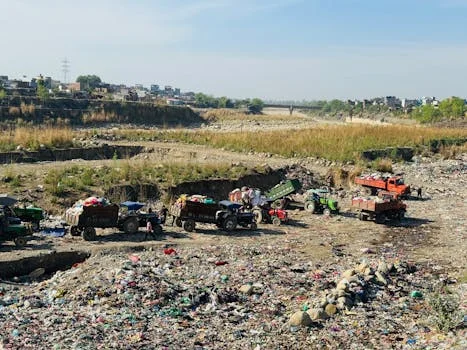
Budgeting for a DAF system in Nepal requires a distinction between Capital Expenditure (CAPEX) and Operating Expenditure (OPEX), influenced by import logistics and local site conditions. As of 2025, a turnkey DAF system for a small-scale food processing plant (4 m³/h) starts at approximately $15,000. For large-scale paper mills requiring 300 m³/h capacity with full PLC automation, costs can reach $250,000 (FOB Kathmandu). These figures include the flotation unit, chemical dosing skids, and basic control panels.
Operating costs typically range from $0.10 to $0.30 per cubic meter of treated water. Electricity consumption is the primary driver, averaging 0.5–1.2 kWh/m³, followed by chemical costs (PAC and Polymer) at $0.05–$0.15/m³. For a mill in the Terai region, where electricity can be unstable, the ROI is often realized through the avoidance of regulatory fines, which can range from NPR 500,000 to 2,000,000 per year for repeat violations. water reuse savings—estimated at NPR 20–50 per cubic meter—can pay back the initial investment within 18 to 24 months.
| Capacity (m³/h) | CAPEX Range (USD) | Annual OPEX (Est. USD) | Automation Level | Typical Application |
|---|---|---|---|---|
| 4 - 10 | $15,000 - $35,000 | $2,500 - $5,000 | Manual / Semi-Auto | Dairy, Small Food Lab |
| 20 - 50 | $45,000 - $85,000 | $8,000 - $15,000 | Semi-Auto / PLC | Textile, Beverage |
| 100 - 150 | $110,000 - $160,000 | $20,000 - $35,000 | Full PLC / SCADA | Medium Paper Mill |
| 200 - 300 | $180,000 - $250,000 | $45,000 - $70,000 | Full PLC / Remote | Industrial Zones |
Financing is increasingly accessible via the Nepal Infrastructure Bank, which offers loans for environmental upgrades at 8–10% interest rates. Additionally, hidden costs such as altitude-adjusted air compressors (+10–15%) and monsoon-grade corrosion protection (+5–8%) must be factored in. Import duties for non-SAARC suppliers generally range from 10% to 25%, making it vital to evaluate the total landed cost before procurement. For regional context, engineers may also review DAF system requirements in Indonesia for regional comparison regarding cost-efficiency in similar tropical climates.
Nepal’s DAF Compliance Checklist: Water Supply Act and Environmental Standards
Navigating the regulatory framework in Nepal is a multi-step process involving both national acts and local board approvals. The Environmental Protection Act 2019 (Schedule 1, Rule 3) mandates that any wastewater treatment facility with a capacity exceeding 50 m³/h must undergo an Environmental Impact Assessment (EIA) or an Initial Environmental Examination (IEE). Failure to produce these documents during an audit can lead to immediate plant shutdown.
- Effluent Limits: Ensure the DAF discharge meets TSS <50 mg/L, BOD <30 mg/L, and COD <250 mg/L as per Water Supply Act 2063.
- Local Permits: For plants in the Kathmandu Valley, approval from the Kathmandu Valley Water Supply Management Board (KVWSMB) is required for discharge into the Bagmati or Bishnumati rivers.
- Monitoring: Establish a daily testing protocol for pH (must be 6–9) and TSS. Quarterly reports must be submitted to the Department of Environment.
- Penalties: Under Section 25 of the Environmental Protection Act, fines for first-time discharge violations range from NPR 100,000 to 5,000,000.
Compliance is not just about the final discharge; it also includes the management of the generated sludge. Nepal’s regulations prohibit the dumping of wet sludge into municipal landfills. This makes dewatering equipment a mandatory secondary component for compliance. By using a filter press, factories can meet the "dry waste" criteria required by local municipalities for industrial waste collection services.
DAF System Suppliers in Nepal: Local vs. International Vendors Compared
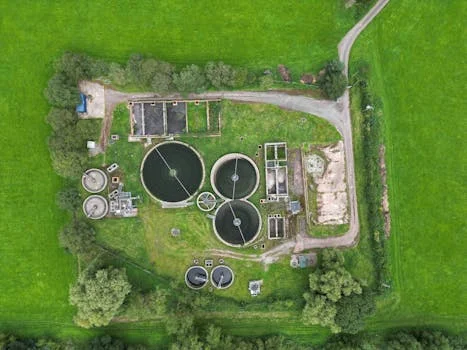
Procurement managers in Nepal often choose between local fabricators and international manufacturers. Local suppliers, such as Chinnmay Fabrication or GreenTech Nepal, offer the advantage of lower initial costs and faster delivery times (4–8 weeks). However, their systems often rely on manual controls and may lack the high-precision air saturation technology required for difficult effluents like oily food waste or concentrated dyes.
International suppliers like HydropureWater provide advanced automation and 10–15 year structural warranties. While the lead times are longer (12–16 weeks) and costs are higher due to import duties, the long-term reliability and lower chemical consumption often result in a lower Total Cost of Ownership (TCO). A popular "hybrid model" in Nepal involves importing the core technical components (saturation pump, air release nozzles, and PLC) from an international vendor and fabricating the main flotation tank locally to save on shipping and duties.
| Feature | Local Nepalese Suppliers | International Suppliers (HydropureWater) |
|---|---|---|
| Average Cost | $10,000 - $150,000 | $20,000 - $300,000 |
| Lead Time | 4 - 8 Weeks | 12 - 16 Weeks |
| Automation | Basic / Manual | Advanced PLC / Remote Monitoring |
| Material Quality | Mild Steel / Local SS | Certified SS304/316 / Epoxy Coated |
| Service Support | On-site <12h | Remote + Local Partner Support |
When evaluating a supplier, use this checklist: Does the vendor have ISO 9001 certification? Can they provide a case study from a similar industry in Nepal? Do they offer training programs for local operators? For those looking at broader regional solutions, Sri Lanka’s industrial wastewater treatment solutions for similar climate challenges offer valuable insights into how international vendors manage high-humidity environments.
Common DAF Installation Mistakes in Nepal (And How to Avoid Them)
Technical failure in DAF systems in Nepal is rarely due to the flotation process itself, but rather a failure to adapt to the local environment. The most common error is under-sizing air compressors. At 1,400m altitude, compressors lose roughly 15% of their mass-flow efficiency. Engineers must specify high-altitude models or oversize the compressor by 20% to ensure the saturation vessel receives enough air to maintain the 30–50 μm bubble size.
Monsoon-related corrosion is another significant issue. Many factories opt for mild steel tanks to save costs, only to see them rust through within three years due to Nepal's high humidity and acidic rain. Using SS304 or high-grade epoxy-coated carbon steel is essential for longevity. Additionally, power fluctuations in industrial zones like Birgunj can fry sensitive PLC components. Installing a dedicated voltage stabilizer for the DAF control panel is a small investment that prevents weeks of downtime. Finally, chemical overdosing is rampant; in Nepal’s soft water, adding too much PAC can drop the pH below 6.0, leading to equipment corrosion and poor floc formation. Regular jar testing and automated pH adjustment are the only reliable solutions.
Frequently Asked Questions
What is the efficiency of DAF in COD removal for Nepal’s paper mills?
DAF systems typically achieve 92–97% COD removal for influent loads between 500–2,000 mg/L. This efficiency is highly dependent on proper chemical conditioning and maintaining micro-bubble consistency at high altitudes.
How much does a DAF system cost for a 50 m³/h textile plant in Nepal?
A turnkey system for this capacity ranges from $80,000 to $120,000. This includes import duties, installation, and basic commissioning. Costs can be reduced by 20% if the flotation tank is fabricated locally under international supervision.
What are Nepal’s regulatory limits for DAF effluent?
Under the Water Supply Act 2063 (Schedule 5), the limits are TSS <50 mg/L, BOD <30 mg/L, COD <250 mg/L, and pH 6–9.
Can DAF systems handle Nepal’s monsoon season wastewater?
Yes, but the system must be designed for higher solids loading, as runoff often increases TSS by 30–50%. Corrosion protection (SS304) and robust sludge dewatering systems are mandatory for monsoon operations.
What are the best DAF suppliers in Nepal for food processing plants?
GreenTech Nepal offers reliable local options, while HydropureWater provides food-grade (SS316) systems with Clean-in-Place (CIP) capabilities that meet international FDA standards for food safety.