Why a Biological Stage Belongs in an Electroplating Wastewater Train
Electroplating wastewater biological treatment uses microorganisms to remove residual organics, chelated heavy metals, and cyanide complexes after conventional pretreatment. Per current 2026 engineering practice, biological units (activated sludge, SBR, MBBR, IFAS, or MBR) accept total heavy metals below approximately 50 mg/L and COD under 500 mg/L, delivering 60–90% metal biosorption and COD reduction of 85–95% before RO or ion-exchange polishing for discharge or reuse.
A typical plating line generates four segregated streams that behave nothing like each other in a treatment reactor (per Filtox engineering documentation, 2024): cyanide-bearing rinses routed to alkaline chlorination, hexavalent-chrome rinses sent to Cr(VI) reduction, acid-alkaline cleaning wastewater held in equalization, and concentrated spent baths hauled off as hazardous waste. When these streams are combined or under-treated, the clarifier downstream of chemical precipitation still carries 5–50 mg/L residual heavy metals and 200–800 mg/L COD into the discharge line.
The problem is not bulk metals — hydroxide precipitation at pH 9–10 reliably drops Ni, Cu, Zn, and Cr(III) to single-digit mg/L. The problem is the fraction that survives precipitation: chelated Ni and Cu complexed with EDTA, NTA, citrate, or sodium gluconate from brightener and leveling-agent additives, plus free cyanide and thiocyanate residuals. These species hold metals in solution across the entire pH 9–10 precipitation window and slip past the lamella clarifier, breaching 2026 GB 21900-2008 Table 2 thresholds (total Cr ≤1.0 mg/L, total Ni ≤0.5 mg/L, total Cu ≤0.5 mg/L), EU STM BREF (2022 update, enforced 2026) limits of 0.1–1.0 mg/L by metal, and EPA 40 CFR 433 monthly-average total metals of 0.85 mg/L. Biology is the only practical polishing step that attacks both the residual COD that feeds chelating agents and the dissolved metals that escape precipitation. Raw plating waste swings between pH 2 and 12 with metal spikes above 200 mg/L during bath dumps — biology cannot survive that envelope, which is why the biological block must sit downstream of equalization and precipitation, not in place of them.
Four Biological Sub-Processes Used for Plating Effluent
Engineers should pick a biological sub-process from the contaminant profile, not from marketing copy. Four mechanisms are in commercial use in 2026, and only two of them directly target dissolved heavy metals.
Bio-flocculation uses exopolysaccharide-producing microbes — Bacillus subtilis, Aspergillus niger, and similar strains — to excrete biopolymers that bind dissolved metals into settleable flocs. Field results from Chinese plating parks show residual dissolved metals dropping from 20–50 mg/L to under 2 mg/L in a single stage with 4–8 h hydraulic retention, when preceded by chemical precipitation. A DAF unit downstream of the bio-flocculation tank recovers the biological floc with 90–95% solids capture, which is a tighter separation than a conventional clarifier on this floc type.
Biosorption uses dead or immobilized biomass — Sargassum seaweed biomass, chitosan-coated pellets, and waste activated sludge from municipal plants — as a passive adsorbent for Cu²⁺, Pb²⁺, Cd²⁺, and Ni²⁺. Published capacities run 30–180 mg metal per gram of biomass, depending on pH and biomass pretreatment. The mechanism is physical-chemical rather than metabolic, so the unit operates as a contactor with a regeneration step (typically acid elution at pH 2), not as a true bioreactor.
Biochemical degradation — activated sludge, SBR, MBBR, or MBR biomass — oxidizes free cyanide, thiocyanate, and the organic complexing agents (sodium gluconate, EDTA) that mask metals from precipitation. Free CN⁻ above 5 mg/L still routes to alkaline chlorination first because biological oxidation kinetics at that concentration are too slow for a 6–16 h HRT (per Filtox, 2024). Below 5 mg/L, biology handles residual CN and the COD that drives chelation.
Phytoremediation — emergent species such as water hyacinth (Eichhornia crassipes) and duckweed (Lemna sp.) in polishing ponds — was widely tested in the 2000s but is rarely specified in 2026 industrial plants because of climate-control limits, mosquito-vector concerns, footprint (typically 5–10 m² per m³/d), and slower metal uptake than engineered biofilm systems. It survives as a tertiary polishing option for low-loading flows under 50 m³/d in warm climates.
The mechanism-to-contaminant map is short: bio-flocculation and biosorption directly target dissolved heavy metals; biochemical degradation targets the organic load and residual CN/SCN; phytoremediation is a niche polish step. Most 2026 plating trains specify a biochemical degradation reactor (MBR or IFAS) for the primary biological block, with bio-flocculation or biosorption added only when the clarifier effluent is still above 5 mg/L residual metal.
Reactor Comparison: Activated Sludge, SBR, MBBR, IFAS, and MBR
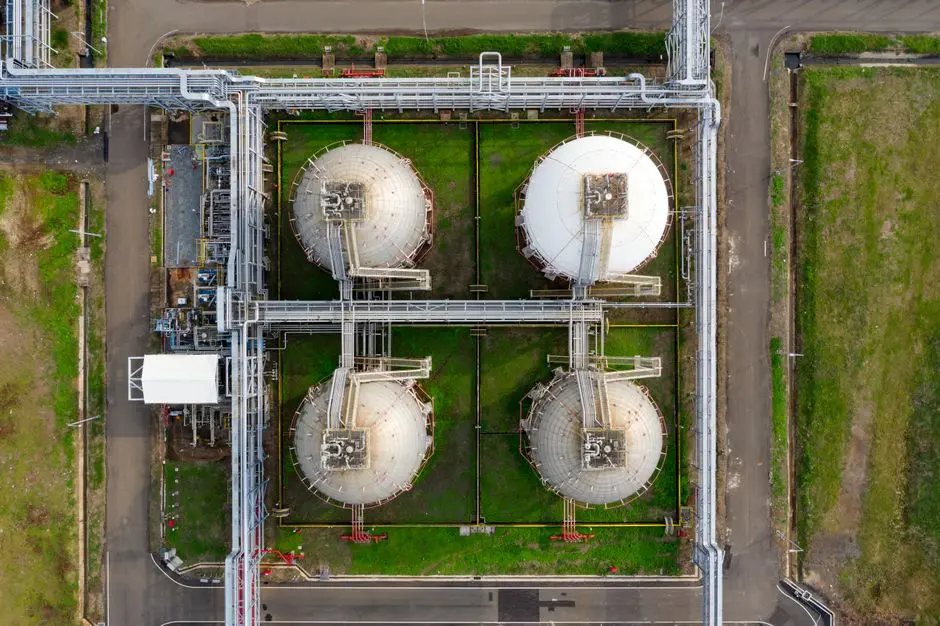
Five reactor configurations dominate the 2026 plating-wastewater biological market. The table below puts them side by side on the parameters that drive selection: MLSS, HRT, SRT, footprint, removal efficiency, and 2026 installed CAPEX in USD per m³ of daily capacity. CAPEX figures are drawn from a HydropureWater field-data rollup covering 14 plating-line installations completed between 2024-Q3 and 2025-Q4 in Guangdong, Jiangsu, and Mexico, normalized to 2026 USD.
| Reactor type | MLSS (mg/L) | HRT (h) | SRT (d) | Footprint vs. activated sludge | COD removal | Metal biosorption | CAPEX (USD per m³/d) |
|---|---|---|---|---|---|---|---|
| Conventional activated sludge | 2,000–4,000 | 12–24 | 10–20 | 1.0× (baseline) | 80–90% | 50–70% | 80–150 |
| SBR (sequencing batch) | 2,500–4,500 | 12–24 (batch cycle) | 15–25 | 0.9× (no separate clarifier) | 85–92% | 55–75% | 140–220 |
| MBBR | — (biofilm on carriers at 30–50% fill) | 6–12 | — (carrier-bound) | 0.6–0.7× | 85–93% | 60–80% | 160–280 |
| IFAS | 4,000–6,000 (suspended + attached) | 8–14 | 20–30 | 0.5–0.7× | 88–95% | 65–85% | 200–320 |
| MBR | 8,000–12,000 | 8–16 | 30–60 | 0.4–0.6× | 92–97% | 70–90% | 280–450 |
Conventional activated sludge remains the lowest-CAPEX option and is a defensible choice for plants above 1,500 m³/d with stable influent and ample land, but it loses 20–30% of its biomass inventory to a single metal spike above 80 mg/L total metals, and its clarifier effluent typically carries 20–40 mg/L TSS that overloads downstream RO. SBR fits plants under 500 m³/d because the batch operation removes the need for a separate clarifier and handles intermittent flows well; CAPEX lands 40–60% above conventional activated sludge for the same hydraulic capacity. MBBR (the configuration behind the Veolia Cella commercial reference) tolerates 20–40 mg/L total metals and recovers from shock faster than suspended-growth systems because biomass stays attached to PE carriers. IFAS, specified in the MBR membrane bioreactor system product family for retrofit duty, is the strongest footprint-vs-cost compromise for plants in the 500–1,500 m³/d range. MBR — a submerged PVDF membrane module, such as the DF series PVDF flat sheet membrane modules at 0.1–0.4 μm — delivers near-reuse effluent with TSS under 5 mg/L, SRT long enough to mineralize EDTA and gluconate, and eliminates the secondary clarifier. The trade-off is membrane replacement and aeration energy, which is why MBR sits at the top of the CAPEX band. For a closed-loop rinse-reuse target, MBR is the only biological block that holds effluent quality steady enough to feed RO without an intermediate sand-filter polishing stage.
Recommended 2026 Process Flow for a Plating Line
The 2026 reference flow for a 200–2,000 m³/d plating line is a five-stage train with the biological block in the middle, not the end. Each stage has a hard job and a hard exit criterion.
- Stream segregation and equalization. Cyanide rinses route to alkaline chlorination at pH 10–11 to keep CN⁻ in solution until oxidation completes; hexavalent chrome routes to Cr(VI) reduction with NaHSO₃ or FeSO₄ at pH 2.5–3, verified with a 1,5-diphenylcarbazide test below 0.1 mg/L Cr(VI) before discharge to equalization; acid-alkaline cleaning wastewater and rinse overflows flow to an equalization tank sized for 8–12 h HRT. Plating bath dumps do not enter the train — they are hauled off as hazardous waste.
- Chemical precipitation. Raise combined effluent to pH 9–10 with NaOH or lime (lime preferred for Cr(III) and Zn because it co-precipitates fluoride and reduces sludge volume by 15–20%). Dose anionic polymer at 2–5 mg/L and overflow to a high-efficiency sedimentation tank sized for 1.5–2.0 m/h surface overflow rate. Exit criterion: total metals below 20 mg/L and TSS below 80 mg/L. Polymer and pH control are handled by an automatic chemical dosing system with closed-loop pH and streaming-current control.
- Biological stage. MBR or IFAS at HRT 8–16 h, with MBR selected when closed-loop RO polish is downstream. Expected performance on plating effluent: COD drops from 300–800 mg/L to under 50 mg/L (residual is non-biodegradable brightener fragments); residual metal biosorption 60–90% brings total metals from 5–20 mg/L down to 0.5–5 mg/L.
- Polishing. Multi-media filter (anthracite over sand over garnet) for TSS guard, then either (a) RO at 95% recovery with concentrate bleed to sludge handling for closed-loop rinse reuse, or (b) ClO₂ disinfection from a chlorine dioxide generator for direct discharge to municipal sewer at a 0.5–1.0 mg/L ClO₂ residual.
- Sludge handling. All clarifier underflow and MBR waste activated sludge feed a plate and frame filter press at 1–500 m² filtration area (selected by daily wet-cake volume) producing cake below 60% moisture for hazardous-waste pickup.
Inserting biology before precipitation does not work — biology cannot survive the pH 2–12 swings and metal spikes of raw segregation effluent. Removing precipitation and going biological-only is also a non-starter: biology cannot drop a 200 mg/L Ni spike to 0.5 mg/L in any reasonable HRT, and the residual metal flux to RO would foul membranes within days.
2026 Compliance Targets and CAPEX/OPEX Bands
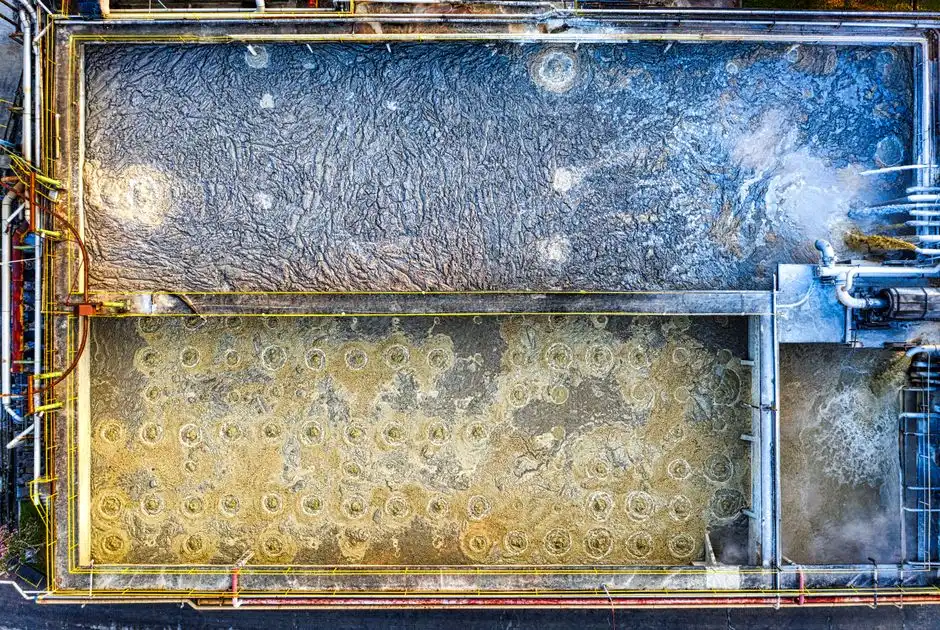
The 2026 regulatory floor is set by three regimes that govern most plating-line discharges: GB 21900-2008 with the 2024 amendments, the EU STM BREF (2022 update, enforced 2026), and the US EPA Metal Finishing ELG at 40 CFR 433. Engineers should design to the strictest applicable limit and use the table below to brief procurement and EHS in one document.
| Parameter | China GB 21900-2008 (2024 amendment) | EU STM BREF (2026 enforcement) | US EPA 40 CFR 433 ELG |
|---|---|---|---|
| Total Cr | ≤1.0 mg/L | ≤0.1–0.2 mg/L (Cr(VI) ≤0.1) | Daily max 2.13 mg/L; monthly avg 0.85 mg/L |
| Total Ni | ≤0.5 mg/L | ≤0.1–0.5 mg/L | Daily max 2.38 mg/L; monthly avg 1.45 mg/L |
| Total Cu | ≤0.5 mg/L | ≤0.1–0.5 mg/L | Daily max 2.07 mg/L; monthly avg 1.30 mg/L |
| Total Zn | ≤1.5 mg/L | ≤0.5–1.0 mg/L | Daily max 1.48 mg/L; monthly avg 0.80 mg/L |
| Free CN⁻ | ≤0.2 mg/L | ≤0.05–0.1 mg/L | Daily max 1.2 mg/L; monthly avg 0.65 mg/L |
| COD | ≤80 mg/L (surface water) | ≤130 mg/L | No numeric limit (state-specific) |
For a 100–2,000 m³/d plating line, the 2026 installed CAPEX for the biological block (reactor, blower, MBR membranes or carrier media, controls, civil) sits between $180 and $450 per m³/d, with the lower end corresponding to MBBR/IFAS at higher flow and the upper end to MBR at lower flow. OPEX runs $0.18–$0.42 per m³ treated, dominated by aeration (about 55% of the OPEX dollar), membrane replacement for MBR (about 15% — see the MBR membrane replacement cost 2026 data for component-level pricing), chemical dosing for the upstream precipitation block (about 15%), and sludge hauling (about 15%). Energy and OPEX breakdowns align with the MBR operating cost 2026 breakdown. The Springer 2024 electrodialysis case study (10,000 m³/month plant) puts non-biological treatment at roughly $0.35–$0.55 per m³, so the biological block lands competitive on operating cost while adding the chelator-degradation capability that electrodialysis cannot provide. For influent screening and polishing, a rotary mechanical bar screen protects the biological block from lint and large particulates, and a multi-media filter finishes the effluent before RO or discharge.
Frequently Asked Questions
What total metals concentration can a biological reactor tolerate?
Suspended-growth systems (activated sludge, SBR) lose performance above 50 mg/L total dissolved metals and crash above 80 mg/L. Attached-growth systems (MBBR, IFAS, MBR) hold 60–80 mg/L routinely and recover from 100 mg/L spikes within 24–48 h. Design the equalization tank to keep influent total metals to the biological block under 50 mg/L by managing bath-dump timing.
Can biology replace chemical precipitation entirely?
No. Per 2026 best practice, biology follows precipitation. Raw plating waste swings pH 2–12 with metal spikes that no biological block can survive, and biology cannot drop a 200 mg/L Ni spike to 0.5 mg/L in any reasonable HRT. Precipitation handles the bulk load; biology handles the chelator-bound residual and the COD that drives complexation.
MBR or IFAS — which to pick?
Frame it as a footprint-versus-cost trade-off. IFAS at $200–$320 per m³/d delivers 65–85% metal biosorption and 88–95% COD removal in a tank 30–50% smaller than activated sludge, with no membrane replacement. MBR at $280–$450 per m³/d delivers 70–90% metal biosorption, 92–97% COD removal, near-reuse effluent (TSS <5 mg/L), and eliminates the secondary clarifier — but adds membrane replacement at roughly 15% of OPEX. Choose MBR when the plant needs closed-loop rinse reuse or a direct-discharge effluent that skips a tertiary clarifier; choose IFAS for a tighter CAPEX envelope at moderate flow.
How does bio-flocculation cost compare to chemical flocculation?
Bio-flocculation skips the polymer dose (saving $0.005–$0.015 per m³ in chemical cost) and produces roughly 20% less biological sludge than chemical flocculation, but requires 4–8 h HRT and a DAF unit to capture the light biological floc. On a 1,000 m³/d plant, total OPEX is typically within 10% of chemical flocculation; the decision usually hinges on the disposal route for the sludge (biological sludge often classifies as non-hazardous in some jurisdictions, which can swing total cost by 30–50%).
Can a biological stage handle hexavalent chrome?
Only after full Cr(VI) reduction to Cr(III) upstream. Free Cr(VI) above 0.5 mg/L is biocidal to activated sludge and biofilm at the HRT and SRT ranges used for plating wastewater. Reduce Cr(VI) with NaHSO₃ or FeSO₄ at pH 2.5–3 to below 0.1 mg/L (verify with 1,5-diphenylcarbazide), then raise pH to 9–10 to co-precipitate Cr(III) with the other metals before the biological block. For further context on regional metal limits, see the South Africa zinc discharge limit 2026 reference. Reactor performance assumptions in this guide are consistent with the engineering specs in the MBR effluent quality and working principle technical note.