Why Amino Acid Fermentation Wastewater Breaks Textbook Designs
Amino acid fermentation broth is not generic high-strength industrial wastewater — the influent profile forces a specific unit-operation sequence that generic designs miss. Lysine, MSG, threonine, and methionine producers consistently report raw wastewater at COD 15,000–40,000 mg/L, BOD/COD 0.35–0.5, ammonia 1,500–4,000 mg/L, total nitrogen 2,000–5,000 mg/L, and sulfate 3,000–8,000 mg/L driven by ammonium sulfate and (NH₄)₂SO₄ used as nitrogen feed and pH adjuster during fermentation (HydropureWater field data, 2026).
The C/N ratio is the first mismatch that breaks textbook designs. Most amino acid broths sit at C/N 3–4 by mass, well below the 6–8 range that conventional A/O denitrification prefers. Two practical consequences follow: either external carbon (methanol or acetic acid) must be dosed at 3–5 mg COD per mg NO₃-N removed, or the design must shift to partial nitritation-anammox (PN/A), which consumes NH₃-N without organic carbon. Residual reducing sugars of 5,000–15,000 mg/L left over from incomplete fermentation further complicate aeration basins by feeding foaming and bulking filaments in activated sludge.
Temperature is the second constraint. Broth leaves the fermenter at 35–45 °C, which is favorable for mesophilic anaerobic digestion without external heating but raises aeration basin cooling loads and depresses nitrifier growth rates (nitrifier activity drops roughly 50% per 10 °C above 30 °C). The third constraint is color and recalcitrant dissolved organics from Maillard reaction products and residual fermentation nutrients — these resist biological oxidation and typically require membrane or advanced oxidation polishing to meet a 100 mg/L COD ceiling. The combined effect is that a lysine or MSG plant cannot just scale a generic food-and-beverage WWTP design; it must engineer around sulfate, low C/N, and warm temperatures simultaneously.
Process Flow: Pretreatment, Anaerobic, Aerobic, MBR, Polishing
A defensible 2026 train for amino acid fermentation wastewater runs in five sequential stages, each with defined hydraulic and loading targets. A vendor RFQ or PFD should be structured around this sequence.
Stage 1 — Pretreatment. Rotary bar screen (2–3 mm aperture) removes packaging fiber and mycelia, followed by flow equalization at HRT 8–12 h to dampen the batch pulses from fermenter discharges. pH is corrected to 6.5–7.5 with NaOH or HCl ahead of the next stage. Dissolved air flotation (DAF) at 25–35 m³/m²·h hydraulic loading then strips suspended cell biomass, protein precipitates, and entrained oils; this is where a dissolved air flotation for cell-biomass and protein removal in pretreatment typically delivers TSS removal of 60–80% and recovers float solids for co-digestion or feed.
Stage 2 — High-rate anaerobic. An IC or EGSB reactor operating at 35–38 °C handles the bulk of organic load. Target parameters: OLR 15–25 kg COD/m³·day, HRT 4–8 h, upflow velocity 6–10 m/h, with internal recirculation controlling sulfate shock. Methanogenic yield runs 0.30–0.45 m³ biogas per kg COD removed at 60–70% CH₄ (Springer review of high-strength industrial AD, 2021). Sulfate-reducing bacteria (SRB) compete with methanogens, so sulfate load should be limited to under 6 kg SO₄/m³·day to protect methane yield — at higher sulfate, sulfide toxicity and COD diversion to H₂S become limiting.
Stage 3 — Aerobic. Conventional A/O with an anoxic zone at HRT 6–10 h and aerobic zone at HRT 18–30 h, MLSS 3,000–5,000 mg/L, DO 2–4 mg/L in the aerobic basin. For C/N below 4, methanol or acetic acid is dosed at COD/TN 4–6 using a PLC-controlled chemical dosing for pH, methanol, and nutrient control. Alternative to A/O is partial nitritation-anammox (covered in the nitrogen section below).
Stage 4 — MBR polishing. Submerged PVDF flat-sheet or hollow-fiber membranes at 0.1 μm nominal pore size, operating flux 15–25 L/m²·h, with continuous coarse-bubble aeration at 0.2–0.3 m³ air per m² membrane area per hour for scouring. TSS effluent stays under 5 mg/L and COD 50–150 mg/L — stable enough for direct compliance with most reuse and discharge standards. An integrated MBR membrane bioreactor for post-aerobic polishing is the typical packaged solution for plants in the 200–1,000 m³/day range.
Stage 5 — Optional RO and disinfection. For water reuse at 70–85% recovery or for direct compliance with EU BAT-AEL COD under 100 mg/L, a brackish-water RO skid operates at 10–15 bar with 95–99% rejection of dissolved ions and residual COD. Final disinfection is chlorine dioxide at 0.3–0.8 mg/L residual with 30-min contact, or UV at 40 mJ/cm² dose for plants avoiding residual oxidants.
Unit-Operation Sizing Parameters and Removal Efficiencies
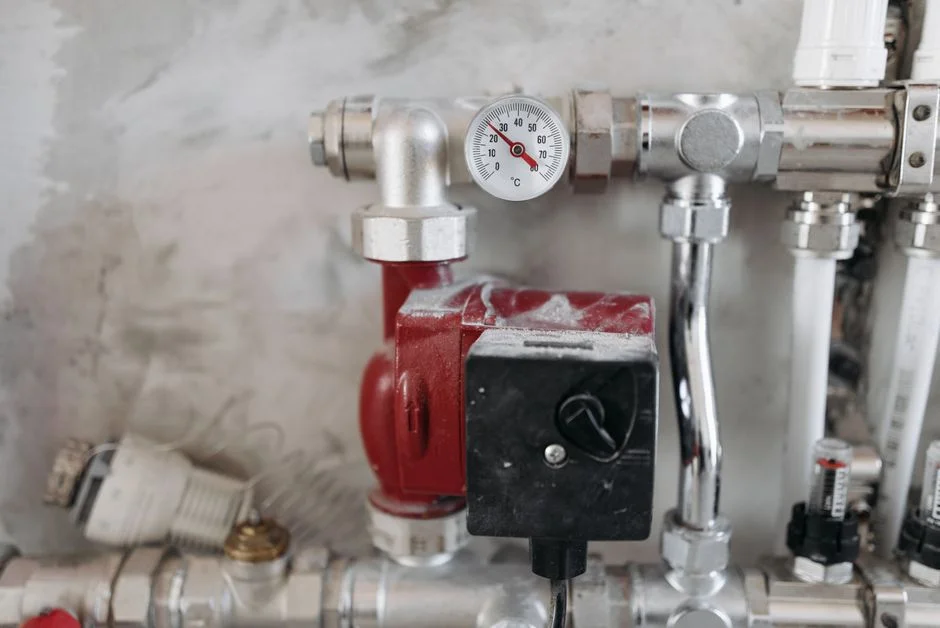
Engineers sizing an amino acid WWTP need a single mass-balance table they can drop into an Excel model. The parameters below reflect the operating envelope from Chinese MSG and lysine plants plus published high-rate anaerobic design references (Springer review, 2021; HydropureWater field data, 2026).
| Unit operation | HRT | OLR / Loading | MLSS / DO | F/M or flux | Removal % | Design assumption |
|---|---|---|---|---|---|---|
| Equalization basin | 8–12 h | — | — | — | Flow dampening only | Concrete, 1.2× max daily flow |
| DAF | 20–30 min | 25–35 m³/m²·h | — | Air:water 15–20% | TSS 60–80% | Coagulant PACl 50–100 mg/L |
| IC / EGSB | 4–8 h | 15–25 kg COD/m³·d | — | Upflow 6–10 m/h | COD 70–85% | 35–38 °C, SO₄²⁻ <6 kg/m³·d |
| A/O anoxic | 6–10 h | — | — | F/M 0.05–0.10 | NO₃-N 80–90% | Methanol dosed at COD/TN 4–6 |
| A/O aerobic | 18–30 h | 0.3–0.6 kg BOD/m³·d | MLSS 3,000–5,000; DO 2–4 mg/L | F/M 0.05–0.10 | NH₃-N 85–95% | SV30 <40% to control bulking |
| MBR (PVDF) | 1.5–3 h | — | MLSS 6,000–10,000 | Flux 15–25 L/m²·h | COD 50–150 mg/L, SS <5 | Continuous coarse-bubble scour |
| RO (optional) | — | 10–15 LMH | — | Recovery 70–85% | Ion rejection 95–99% | Antiscalant + CIP every 4–8 weeks |
Two operational notes matter for amino acid streams in particular. First, a conventional UASB with OLR above 10 kg COD/m³·day struggles when sulfate exceeds 4,000 mg/L — sulfide toxicity to methanogens cuts COD removal by 15–25% compared to the same reactor on low-sulfate feed. Second, a PVDF flat-sheet MBR module for high-MLSS activated sludge polishing tolerates the 8,000–10,000 mg/L MLSS that anammox sidestream reactors and high-rate A/O trains produce, where hollow-fiber units often foul faster on the same feed.
Choosing Between UASB, IC/EGSB, and AnMBR for the Anaerobic Stage
Reactor selection is driven primarily by sulfate concentration and footprint, not by COD alone. The decision rule below comes from operating data across Chinese MSG and lysine plants built between 2018 and 2025.
| Reactor type | Sulfate range | OLR target | Footprint vs UASB | Best-fit scenario |
|---|---|---|---|---|
| Conventional UASB | <3,000 mg/L | 5–10 kg COD/m³·d | 1× (baseline) | Open-site, budget-tight, low-sulfate |
| IC / EGSB | 3,000–6,000 mg/L | 15–25 kg COD/m³·d | 0.2–0.33× (3–5× OLR) | Space-constrained, moderate-high sulfate |
| AnMBR | Variable | 8–15 kg COD/m³·d | Similar to IC, with membrane | Need <1 μm permeate, high MLSS |
IC reactors achieve 3–5× the OLR of a UASB at the same footprint, which matters at existing lysine and MSG plants where land inside the fermentation block is scarce. Biogas valorization also scales with this choice: a 500 m³/day plant at 30,000 mg/L COD influent and 75% COD removal in IC generates 8,000–12,000 m³/day of biogas at 60–65% CH₄, which justifies a CHP unit recovering 1.5–2.5 MW thermal at natural-gas displacement prices above USD 12/MWh. One caveat: if the downstream biological train is targeting partial nitritation-anammox on the digester reject, the anaerobic stage should not be oversized to the point that it mineralizes too much NH₃-N past the nitritation window — keeping free NH₃-N in the 800–1,500 mg/L range entering the aerobic stage is the typical design target.
Nitrogen Removal on Low-C/N Streams: A/O vs Partial Nitritation-Anammox
For amino acid streams with C/N below 4, conventional heterotrophic denitrification alone cannot meet TN limits under 25 mg/L without external carbon. Two practical routes exist in 2026 designs.
A/O with external carbon (methanol or acetate) operates at COD/TN 4–6, with methanol dosing at roughly 3 mg CH₃OH per mg NO₃-N removed. The train delivers TN under 40 mg/L reliably, is forgiving of influent variability, and is operationally simpler — the typical choice for plants under 300 m³/day or sites without a dedicated process engineer (HydropureWater field data, 2026). The downside is the 0.8–1.2 kg methanol per m³ treated cost line, plus the additional aeration needed to remove the methanol COD downstream of denitrification.
Partial nitritation-anammox (PN/A) skips external carbon entirely. About 57% of influent NH₃-N is oxidized to NO₂⁻ in a controlled aerobic zone, then anammox bacteria convert the remaining NH₃-N plus NO₂⁻ directly to N₂. The process suits streams with NH₃-N above 1,000 mg/L and C/N below 3. Footprint is approximately 40% smaller than an A/O with methanol, and aeration demand drops by roughly 60% because nitritation only oxidizes half the ammonia. The trade-off is operational: PN/A needs DO below 0.5 mg/L in the anoxic zone, stable temperature at 30–35 °C, and protection from nitrite-oxidizing bacteria through FA/FNA manipulation or intermittent aeration. For 2026 designs at large Chinese MSG and lysine plants, a hybrid train — partial A/O polishing the main stream plus a sidestream PN/A on the anaerobic digester reject — is increasingly common, since the reject stream concentrates both heat and ammonia to a level PN/A handles efficiently.
2026 Compliance: China, EU BAT, and Other Major Markets
Discharge limits drive membrane selection, the decision to add RO, and whether the plant targets reuse. The current values for the major markets are summarized below (per EU BAT-AEL 2019/903 and 2024 BAT conclusions; Vietnam QCVN 40:2011/BTNMT; India CPCB Schedule VI; China GB 8978-1996 with provincial overlays). For a deeper read on the Vietnam framework, see the Vietnam QCVN industrial wastewater standards guide.
| Region | COD | NH₃-N / TN | TP | Notes |
|---|---|---|---|---|
| China GB 8978-1996 (secondary) | ≤300 mg/L | NH₃-N ≤25 mg/L | ≤1 mg/L (some provinces 0.5) | Provinces tightening 2024–2026 |
| EU BAT-AEL food/drink | 25–100 mg/L (direct) | TN 10–25 mg/L | 0.3–2 mg/L | Range depends on plant size and receiving water |
| Vietnam QCVN 40:2011 (Column A) | <75 mg/L | NH₃-N <5 mg/L | — | For discharge to water used for domestic supply |
| India CPCB inland surface water | ≤250 mg/L | NH₃-N ≤50 mg/L; TN ≤100 | — | CETP discharge stricter |
For plants in inland China and Rajasthan where water reuse is mandated, the design target shifts to zero liquid discharge (ZLD). ZLD adds a forced circulation crystallizer or mechanical vapor recompression (MVR) after the RO reject, and should be budgeted as a separate engineering exercise — typical ZLD OPEX runs 1.8–3.5× the OPEX of an RO-polished reuse scheme on the same feed.
Capital and Operating Cost Breakdown for a 500 m³/day Plant
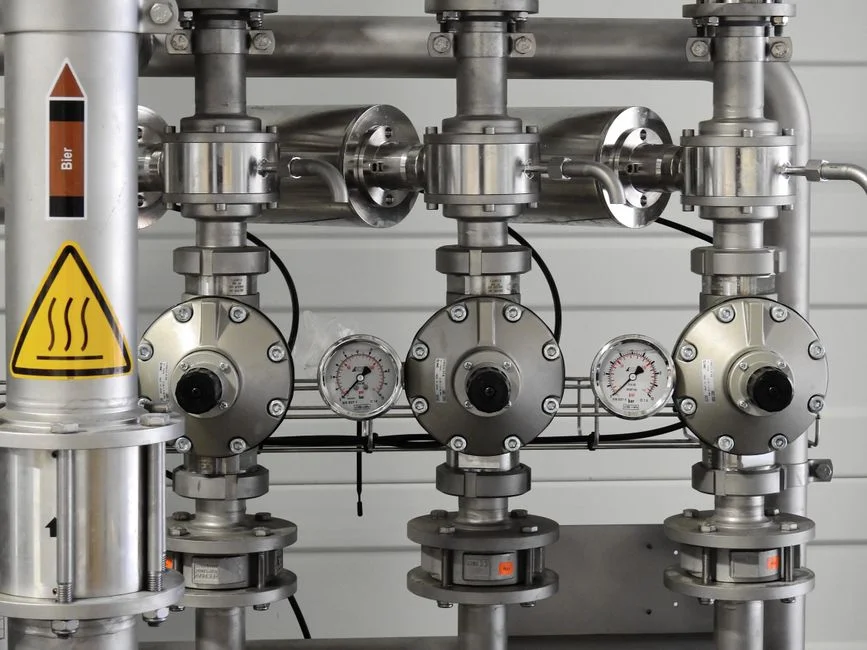
The 500 m³/day reference case is the most common procurement benchmark in 2026 for mid-tier Chinese and Southeast Asian amino acid plants. The numbers below reflect turnkey, ground-up builds with civil works included (HydropureWater field data, 2026; cross-checked against MBR cost references).
| Item | Share of CAPEX | 500 m³/day reference |
|---|---|---|
| Civil works (basins, tanks) | 25–35% | USD 0.3–1.2M |
| Equipment (IC, MBR, blowers, RO, instruments) | 40–50% | USD 0.5–1.75M |
| Piping and electrical | 15–20% | USD 0.18–0.7M |
| Design and commissioning | 5–10% | USD 0.06–0.35M |
| Total CAPEX envelope | 100% | USD 1.2–3.5M |
Plants below 200 m³/day typically fall in the USD 350–900K range; plants above 2,000 m³/day scale to USD 5–12M but benefit from unit-cost reductions of 15–25% on equipment and 20–30% on civil works per m³/day. For a deeper CAPEX/OPEX benchmark on the MBR step specifically, see the MBR for food processing wastewater cost guide.
OPEX breaks down as follows: electricity 35–50% (blowers and MBR scour aeration dominate), chemical dosing 10–20% (methanol, antifoam, CIP chemicals, NaOH), sludge handling 15–25%, labor and membrane replacement the balance. The typical 2026 OPEX envelope is USD 0.35–0.85 per m³ treated for a well-operated 500 m³/day plant. Biogas-to-CHP can offset 10–25% of OPEX and shorten simple payback by 1.5–3 years at gas-displacement values above USD 12/MWh. Sludge yield runs 0.06–0.10 kg DS per kg COD removed, and a plate-and-frame filter press for chemical and biological sludge dewatering is the standard dewatering step, taking waste-activated sludge from 0.8–1.2% DS to a 30–35% DS cake for offsite disposal or co-incineration.
Decision Framework: How to Specify the Right System for Your Plant
Before signing a vendor PO, run the proposal against these five engineering criteria. Each maps to a binary or threshold test that eliminates one of the common over-spec or under-spec errors seen in 2024–2025 builds.
- Discharge destination. Municipal sewer → simpler train (typically UASB + A/O + cloth filter); surface water → full MBR + disinfection; reuse → must add RO; ZLD → add evaporation pond or MVR.
- Influent sulfate. Above 5,000 mg/L → mandate IC/EGSB, and consider sulfate precipitation pretreatment (e.g., barium chloride or focused cooling crystallization) if sulfate exceeds 8,000 mg/L.
- Land availability. Space-constrained plants default to IC + MBR. Open-site plants can use conventional UASB and concrete A/O basins for 15–25% CAPEX savings.
- Biogas economics. If local natural gas price exceeds USD 12/MWh, CHP justifies itself. Otherwise flare and focus OPEX on aeration efficiency (blower VFDs, DO trim control).
- Operating skill. Anammox-based trains need tighter DO and temperature control. Plants without a dedicated process engineer should default to A/O with methanol over PN/A.
Decision tree summary: COD above 25,000 mg/L plus sulfate above 5,000 mg/L plus space-tight → IC + A/O + MBR. COD below 20,000 mg/L plus open site plus budget-tight → UASB + A/O + cloth filter. Methanol-supported A/O remains the right default for plants under 300 m³/day unless ammonia load is high enough to justify a sidestream PN/A on the digester reject.
Frequently Asked Questions
What does a typical amino acid fermentation wastewater treatment system look like in 2026? The standard train is pretreatment (screening, equalization, DAF) → high-rate anaerobic (IC or UASB) → A/O or partial nitritation-anammox → MBR → optional RO → disinfection. This sequence handles the high COD, low C/N, and sulfate-rich profile of lysine, MSG, threonine, and methionine fermentation broth.
How do UASB and IC reactors compare for amino acid streams? A conventional UASB operates at 5–10 kg COD/m³·day and tolerates sulfate below 3,000 mg/L; an IC reactor operates at 15–25 kg COD/m³·day and tolerates 3,000–6,000 mg/L sulfate, with roughly 3–5× the OLR per m³ of UASB. For sulfate above 6,000 mg/L, sulfate precipitation pretreatment or an AnMBR should be considered.
What is the CAPEX and OPEX for a 500 m³/day amino acid WWTP? CAPEX runs USD 1.2–3.5M turnkey, with civil works 25–35% and equipment 40–50% of the total. OPEX is USD 0.35–0.85 per m³ treated, driven mainly by electricity (blowers and MBR aeration) and sludge handling, with chemical dosing for methanol and CIP a secondary line.
What are the 2026 discharge limits in the major markets? China GB 8978 secondary is COD ≤300 mg/L and NH₃-N ≤25 mg/L; EU BAT-AEL for food/drink is COD 25–100 mg/L and TN 10–25 mg/L for direct discharge; Vietnam QCVN 40 Column A is COD under 75 mg/L and NH₃-N under 5 mg/L; India CPCB inland surface water is COD ≤250 mg/L and NH₃-N ≤50 mg/L.
When should partial nitritation-anammox be chosen over A/O with methanol? PN/A is the better fit when influent NH₃-N is above 1,000 mg/L, C/N is below 3, the site has a dedicated process engineer, and aeration energy is a major OPEX line. A/O with methanol is the simpler default for smaller plants and variable feeds.