Why an Arizona AstraZeneca deal looks different from the Mexico play book
A corporate-development team that ran the AstraZeneca Mexico acquisition compliance guide on a Jalisco or Bajío brownfield cannot port the same template into Arizona. The Mexican stack — CONAGUA's permiso de descarga + título de concesión, SEMARNAT enforcement, PROFEPA NOV history, and NOM-001-SEMARNAT-2021 — has no direct equivalent on the ADEQ side. Arizona runs on AZPDES + Aquifer Protection Permit (APP) + POTW pretreatment, with AWP reuse rules under § R18-9 layered on top. A deal team that maps an Arizona site against Mexican mechanics will under-budget retrofit capex by 30–60% and miss the title-transfer pathway that actually closes the file.
The bar for what an Arizona retrofit should achieve is set by the prior art. AECOM's work for AstraZeneca's Coppell, Texas manufacturing and supply facility eliminated approximately 80% of landfill waste and reduced waste-treatment cost by 90% while expanding production capacity (AECOM project disclosure). That is the design outcome a deal committee now expects, and it was achieved by treating the high-silica stream with pH adjustment + cation precipitation followed by a new filter press — chemistry, not biology, on the polishing step. The four-mechanic shift from Mexico to Arizona reads cleanly: permiso de descarga (CONAGUA) → AZPDES individual permit + APP (ADEQ); título de concesión → Arizona groundwater withdrawal registration; PROFEPA NOV → POTW pretreatment enforcement; LGPGIR plan de manejo → RCRA hazardous-waste generator status and APP contingency plan. The receiving-body classification logic — Type A/B/C under NOM-001 versus ADEQ aquifer-class delineation — is the single most common source of under-budgeted retrofit capex on cross-border teams, because the Mexican receptor band silently drives nutrient and BNR design choices that the Arizona AWQS point-of-compliance envelope does not require.
One more operational note for 2026: ADEQ's Advanced Water Purification rule under Ariz. Admin. Code § R18-9 is still in the implementation phase as of October 2025 (ADEQ, 2025a), so any reuse train must be designed against the 2 mg/L TOC ceiling while leaving room for future revisions. The AstraZeneca Mexico acquisition compliance guide is the structural twin to this article and worth reading in parallel for a deal committee that wants a single translation layer.
The four ADEQ triggers that activate the moment the asset transfers
An Arizona acquisition flips four separate authorizations to the new operator on or before closing, and missing any one of them is a strict-liability event. The triggers are independent; treat them as a parallel work plan, not a sequence.
| Trigger | Authority | Form / cite | Deadline | Consequence of miss |
|---|---|---|---|---|
| AZPDES name change | ADEQ / EPA | Form 2A or 2S, 40 CFR § 122.61 | 30 days | Permit auto-terminates; new operator discharges without authorization |
| APP re-issuance | ADEQ | Ariz. Admin. Code tit. 18 ch. 9 | Administrative amendment, pre-construction 180 days if process changes contemplated | Re-issuance treated as new permit; new BMP plan + financial-assurance review |
| POTW IWWD Permit | City of Phoenix / Tucson Water / Mesa | Local application | Before discharge under new operator | Permit does not transfer; new application required |
| MSGP re-NOI | ADEQ / EPA | Notice of Intent under current MSGP | Per current MSGP timeframe | Coverage is operator-specific, not facility-specific |
| Section 401 water-quality certification | ADEQ | State certification | Tied to underlying NPDES | Often overlooked; must be reviewed for continued applicability |
The AZPDES individual permit is the cleanest case — Form 2A or 2S within 30 days under 40 CFR § 122.61, and ADEQ issues an administrative amendment (ADEQ, 2025). The APP is more demanding. Arizona treats a controlling-entity change as re-issuance, not a transfer: a new Best Management Practices plan, confirmation of the 180-day pre-construction notice if the treatment train is being modified, and a new financial-assurance review. Treating the APP as a simple transfer is the most common diligence gap in pharma buyouts.
POTW pretreatment does not transfer at all. An Industrial Wastewater Discharge Permit from the City of Phoenix, Tucson Water, or the City of Mesa is issued to a specific discharger; a new application is required before the new operator discharges, and the local limits can shift even if the underlying POTW is unchanged. Multi-Sector General Permit coverage for industrial stormwater requires a re-NOI under the new operator within the timeframe specified by the current MSGP, because coverage is operator-specific, not facility-specific. A Section 401 state water-quality certification tied to the underlying NPDES is the fourth, often-overlooked trigger that surfaces during the AWP application. For a parallel buyer view, the Roche Arizona acquisition compliance guide walks the same four-trigger map.
Receiving-body classification and the effluent envelope that drives the train
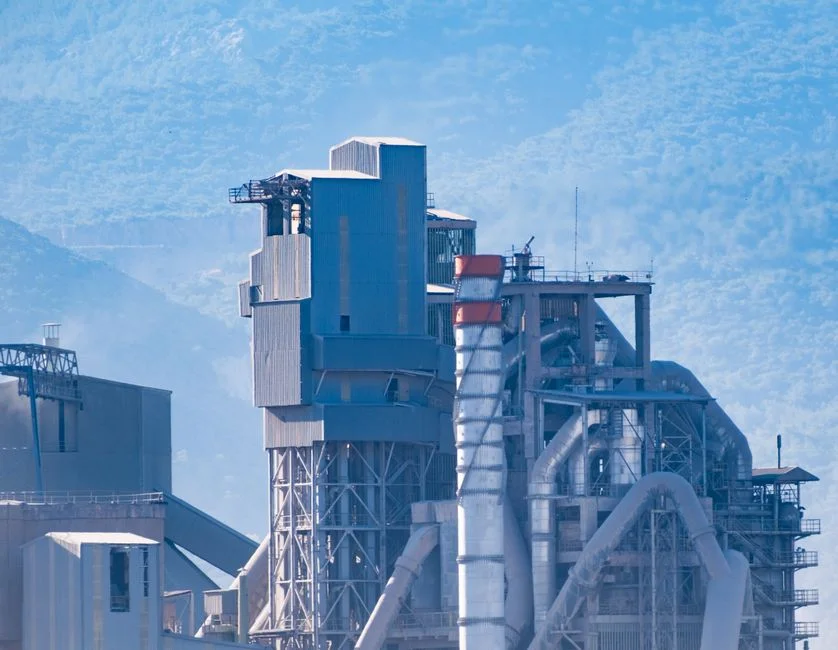
API fermentation wastewater is the binding case, not generic industrial effluent. The influent envelope is COD 5,000–15,000 mg/L and BOD 2,000–6,000 mg/L (HydropureWater process engineering data, 2026). Against ADEQ AWQS point-of-compliance limits, that maps to roughly 99.5% COD removal and 99% BOD removal before discharge — biological-only systems cannot close that gap, which is why MBR and tertiary polishing are non-negotiable on an acquired API site. The receiving-body class, not the buyer's preference, is what binds the design.
| Parameter | API fermentation influent | ADEQ AWQS / surface-water monthly avg | NOM-001-SEMARNAT-2021 (Type A/B/C) | Required removal |
|---|---|---|---|---|
| COD | 5,000–15,000 mg/L | Site-specific AWQS | 60 mg/L (surface water) | ~99.5% |
| BOD | 2,000–6,000 mg/L | Site-specific AWQS | 30 mg/L (surface water) | ~99% |
| TSS | 200–1,500 mg/L | Site-specific AWQS | 40 mg/L (surface water) | ~97% |
| FOG | 50–500 mg/L | Site-specific AWQS | 15 mg/L (surface water) | ~95% |
| Total nitrogen | 200–800 mg/L | AWQS, site-specific | 15–25 mg/L (Type A tightest) | ~96–97% |
For surface-water discharges the ADEQ AWQS point-of-compliance limits replace the NOM-001-SEMARNAT-2021 Type A/B/C monthly averages (BOD 30, COD 60, TSS 40, FOG 15 mg/L), and the AWQS limits are non-negotiable at transfer — any production-mix change that pushes effluent character requires a permit modification, not just an internal ETP retune. For on-site reuse under Ariz. Admin. Code § 18-11, the Class A+ envelope is the practical target: turbidity ≤2 NTU (24-hr avg) and ≤5 NTU at any time, 0 organisms/100 mL total coliform in 4 of 7 daily samples with ≤23 organisms/100 mL single-sample max, fecal coliform 5-sample geometric mean <10 mg/L, and no detectable enteric virus in 4 of 7 monthly samples. For aquifer-recharge or surface-water augmentation, the AWP framework under § R18-9-E828 sets log-reduction targets (LRTs) of 13-log enteric virus, 10-log Giardia, and 10-log Cryptosporidium at a QMRA benchmark of 1 infection per 10,000 people/year at 2.5 L/day ingestion; each credited barrier delivers a minimum 0.5 and a maximum 6.0 validated log value, and blending is explicitly ineligible for credit.
The October 2025 implementation status matters for the deal timeline. ADEQ is still working on compliance-demonstration protocols under § R18-9, and future revisions to the rule may be required (ADEQ, 2025a). Engineering specs should reference the 2 mg/L TOC ceiling as a hard target while building flexibility for any rule revision. AWTF effluent must hit ≤2 mg/L TOC under the standard approach, or the site-specific approach requires two validation procedures per § R18-9-F834(C).
Reference treatment train for a 1,200 m³/day acquired API site
The reference train below is sized to land inside the ADEQ envelope and the Class A+ reuse limits. It is the same train the Mexico guide recommends, with a chlorine dioxide or UV disinfection step instead of a cuerpo-receptor-dependent UV, and with a dissolved-air flotation unit ahead of the biological step where API separators or DAF skimmings could classify as K-listed hazardous waste under RCRA.
Equalization is sized at 1.5–2.0× average diurnal flow to buffer CIP chemistry peaks; under-sized EQ is the most common retrofit driver on acquired pharma sites and the easiest scope to miss until the first CIP upset pushes influent past the anaerobic reactor's design band. The anaerobic reactor (UASB or CSTR) runs at HRT 20–30 days and drives 60–80% COD reduction, capturing biogas at 0.35–0.45 m³ per kg COD destroyed and offsetting 15–25% of boiler fuel demand (HydropureWater field performance data, 2026). Aerobic polishing at HRT 4–8 hours follows, then a submerged PVDF MBR membrane bioreactor system as the final solids/biological barrier. 0.03 μm hollow-fiber ultrafiltration polish at this position locks the Class A+ turbidity envelope before disinfection, accepting up to 300 ppm turbidity with automatic backwash. Disinfection is delivered by a on-site chlorine dioxide generator sized for CT credit across the full flow and temperature range, with open-channel UV as the alternative where the receiving body classification allows it; UV is effective against chlorine-resistant Cryptosporidium and Giardia and is accepted in arid US jurisdictions. A dissolved-air flotation unit ahead of the biological step strips free oil and floating TSS where API separators or DAF skimmings could otherwise classify as K-listed hazardous waste. Sludge handling is a plate and frame filter press rated for 60–80% dry solids cake, meeting 40 CFR Part 503 disposal criteria and cutting hazardous-sludge disposal cost up to 60% (HydropureWater field data, 2026). For the UV alternative, the open-channel UV disinfection system is the parallel component to specify.
2026 capex bands and the three price chips that dominate a deal committee

The three capex lines that drive a deal committee's discussion are MBR cassette replacement, plate-and-frame filter press dewatering, and anaerobic retrofit. They should be presented as the closing price chip, a special indemnity escrow with 5-year survival, and a 50/50 cost-sharing covenant for any regulatory tightening of ADEQ limits during the survival window. The AECOM Coppell precedent — 80% landfill waste eliminated and 90% waste-treatment cost reduction — is the upper-bound justification for the capex envelope (AECOM project disclosure).
| Capex line | 2026 band (1,200 m³/day) | Driver | Survival / escrow mechanic |
|---|---|---|---|
| MBR cassette replacement | $420,000–$1,800,000 | Cassette vintage + lamella clarifier upstream retrofit | Price chip at closing |
| Plate and frame filter press | $150,000–$450,000 | Hydraulic vs fully automatic PLC-controlled operation | Price chip at closing |
| Anaerobic retrofit | Project-specific; UASB vs CSTR selection | 7-to-10-year MBR cassette replacement cycle drives recurring capex line | Recurring capex covenant |
| Regulatory tightening (ADEQ AWP / AWQS) | 50/50 cost share | AWP rule in implementation phase; AWQS reclassification risk | 5-year covenant, special indemnity escrow |
The MBR cassette replacement capex band reflects cassette vintage and whether a high-efficiency lamella clarifier is needed upstream. The plate-and-frame filter press band is dominated by the trade-off between hydraulic and fully automatic PLC-controlled operation; automatic presses command a premium but reduce operator exposure on a high-solids API sludge. The anaerobic retrofit capex is project-specific and depends on UASB versus CSTR selection, but the recurring capex line is the 7-to-10-year MBR cassette replacement cycle, which is what binds a deal committee to a 5-year survival window rather than the standard 12–18 months.
SPA language, escrow, and the 90-day post-close execution plan
Standard mid-market environmental reps and warranties carry a 12–18 month survival, which is insufficient for slow-migrating groundwater contaminants and ADEQ compliance drift (HydropureWater, 2026). ETP and groundwater liability must be carved out of the general warranty cap, with survival extended to at least 5 years. A dedicated environmental indemnity cap of 10–15% of total enterprise value is held in escrow, with release tied to a 12-month post-close water-stewardship commitment verified by an independent engineering audit. The SPA must also include a regulatory-change cost-sharing clause covering any ADEQ tightening of effluent or AWP limits during the 5-year window — the AWP rule is in implementation phase and the AWQS can be reclassified. The seller covenants to maintain current AZPDES DMR cadence and APP annual compliance demonstration filings through the transfer date, with breach expressed as a condition precedent to closing.
The 90-day post-close execution plan compresses without skipping steps:
- Days 1–14: Notify ADEQ in writing of the ownership change. Submit the AZPDES transfer package (Form 2A or 2S) and the APP administrative amendment package. Open the dialog with the local POTW pretreatment coordinator; confirm whether the new IWWD application triggers a permit-denial risk or a routine re-issue.
- Days 15–45: File the new pretreatment application with the POTW. Re-submit the MSGP NOI under the new operator name. If AWP is in scope, audit the existing SCADA against the § R18-9 SCADA online monitoring requirements and develop a gap list. Begin the 24-month initial source water characterization plan required for AWP applicants under § R18-9-C814(C)(3)(c).
- Days 46–75: Run a baseline monitoring round across influent and effluent for BOD, TSS, total nitrogen, sulfate, silver, and AOX. Validate the MBR + UF + ClO₂/UV train against the Class A+ numeric envelope on a side-stream basis.
- Days 76–90: Commission any new unit operations. Train operations staff on the SCADA surrogate trends, AWP monthly portal reporting, and AZPDES DMR cadence. File the first post-close DMR and, if applicable, the first monthly AWP portal report. Confirm the annual report calendar — AWP reports due March 30 per § R18-9-E831.
For counterparties used to US/EU consent mechanics, the parallel Mexico guide shows what the same survival/escrow language looks like under NOM-001 and CONAGUA, which is useful when the deal committee asks for cross-jurisdiction reassurance.
Frequently Asked Questions
What is the binding 30-day deadline after an Arizona pharma acquisition closes?
The AZPDES individual permit name change must be filed within 30 days under 40 CFR § 122.61; the permit auto-terminates if the deadline is missed, and the new operator discharges without authorization — a strict-liability violation regardless of intent. The APP must be re-issued, not transferred, under Ariz. Admin. Code tit. 18 ch. 9, because Arizona treats a controlling-entity change as a re-issuance event with a new BMP plan and possible 180-day pre-construction notice.
Does a POTW Industrial Wastewater Discharge Permit transfer to the new operator?
No. An Industrial Wastewater Discharge Permit from the local sewer authority (e.g., City of Phoenix, Tucson Water, City of Mesa) is issued to a specific discharger; a new application is required before the new operator discharges. Expect typical local limits of BOD <250 mg/L, TSS <250 mg/L, pH 5–11, and oil & grease <100 mg/L, plus pharma-specific parameters like total nitrogen, sulfate, silver, and AOX. The NOM-001-SEMARNAT-2021 equivalent in Mexico is the permiso de descarga to a sistema de saneamiento municipal, which the AstraZeneca Mexico acquisition compliance guide covers in parallel.
What AWP log-reduction targets apply if the acquired site plans aquifer recharge or surface-water augmentation?
Ariz. Admin. Code tit. 18 § R18-9-E828 sets LRTs of 13-log enteric virus, 10-log Giardia, and 10-log Cryptosporidium from raw wastewater to finished water, based on a QMRA benchmark of 1 infection per 10,000 people/year at 2.5 L/day ingestion. Each credited barrier must deliver a minimum 0.5 and a maximum 6.0 validated log value, and blending is explicitly ineligible for credit. AWTF effluent must hit ≤2 mg/L TOC under the standard approach.
What is the 2026 capex band for MBR cassette replacement on a 1,200 m³/day API plant?
MBR cassette replacement capex for a 1,200 m³/day plant runs $420,000–$1,800,000, depending on cassette vintage and whether a high-efficiency lamella clarifier upstream retrofit is needed. The plate-and-frame filter press adds $150,000–$450,000. The AECOM Coppell precedent — 80% landfill waste eliminated and 90% waste-treatment cost reduction — is the upper-bound justification for the envelope (AECOM project disclosure).
What SPA survival period protects against slow-migrating groundwater and ADEQ compliance drift?
Standard 12–18 month environmental reps and warranties are insufficient. ETP and groundwater liability must be carved out of the general warranty cap, with survival extended to at least 5 years, and a dedicated environmental indemnity escrow of 10–15% of total enterprise value held against a 12-month post-close water-stewardship commitment verified by an independent engineering audit.
Related equipment and engineering reading
- What Wastewater Requirements Apply When Rio Tinto Acquires an Arizona Plant? 2026 Regulatory & Treatment Guide
- Wastewater Requirements for Panasonic's Malaysia Plant Acquisition (2026 Guide)
- What Wastewater Requirements Apply When General Motors Acquires a Plant in Germany? (2026 Guide)
- What Wastewater Requirements Apply When International Paper Acquires a Plant in Vietnam? 2026 Guide