Why Kota Kinabalu's Industrial Sector Needs 2026-Ready Wastewater Treatment
Kota Kinabalu District hosts Sabah's densest concentration of palm oil mills, seafood processors, beverage plants, and light-manufacturing facilities, each generating an effluent profile that the Department of Environment (DOE) classifies as industrial rather than domestic. The 2002 Sabah Environmental Conservation Department WWTP survey already documented chronic under-investment in treatment infrastructure across Kota Kinabalu, Penampang, Tawau, and Keningau districts, with several municipal plants non-operational and a heavy reliance on facultative lagoons that cannot meet today's discharge targets (Sabah ECD, 2002). Two decades later, the same industrial mix — supplemented by higher-throughput beverage and seafood lines — discharges into drains that feed the Likas and Inanam river catchments, both of which drain toward the Tunku Abdul Rahman marine park.
Under the Environmental Quality Act 1974 and the Industrial Effluents) Regulations 2009, every licensed industrial premise in Malaysia must sample, self-report, and meet the numerical limits in either Standard A or Standard B (per DOE Malaysia, 2009). The Sabah DOE office in Kota Kinabalu conducts scheduled compliance audits and ad-hoc sampling; non-conformance results in compound notices, premises-licence renewal delays, and — in repeated cases — stop-work orders that halt production. For a Sabah-based plant engineer or EHS manager, the 2026 enforcement environment is not a future-state risk: it is an operational line item on the next licence-renewal calendar.
2026 Malaysian DOE Discharge Limits That Apply to Kota Kinabalu Plants
Standard A applies to discharges upstream of any water-supply intake point; Standard B applies to all other inland waters, and the choice between them is set by the discharge location identified in your premise licence. The numerical ceiling for BOD₅ under Standard A is 20 mg/L, double to 50 mg/L under Standard B; COD is capped at 50 mg/L and 100 mg/L respectively; TSS at 50 mg/L and 100 mg/L; oil & grease at "not detectable" versus 10 mg/L; and ammoniacal nitrogen at 10 mg/L versus 20 mg/L (per DOE Industrial Effluents Regulations 2009, Schedule I, as enforced in 2026). pH is controlled to 6.0–9.0 and temperature to below 40°C in both standards. The full parameter set a Kota Kinabalu plant must design against is summarised below.
| Parameter | Unit | Standard A | Standard B |
|---|---|---|---|
| pH | — | 6.0–9.0 | 6.0–9.0 |
| Temperature | °C | < 40 | < 40 |
| BOD5 at 27°C | mg/L | 20 | 50 |
| COD | mg/L | 50 | 100 |
| Total Suspended Solids (TSS) | mg/L | 50 | 100 |
| Oil & Grease | mg/L | Not detectable | 10 |
| Ammoniacal Nitrogen (NH3-N) | mg/L | 10 | 20 |
| Total Nitrogen | mg/L | 30 | 50 |
| Phosphorus | mg/L | 5 | 10 |
The legal basis is Section 24 of the Environmental Quality Act 1974, read with the 2009 Regulations, and enforcement on the ground is led by the DOE Sabah state office in Kota Kinabalu. Sampling frequency, method references, and licence-renewal paperwork are set out in the 2009 schedule; a useful walk-through of pH, COD, and BOD reporting cadence is in the Malaysia DOE pH and discharge compliance guide.
Typical Influent Profiles for Sabah Industrial Wastewater
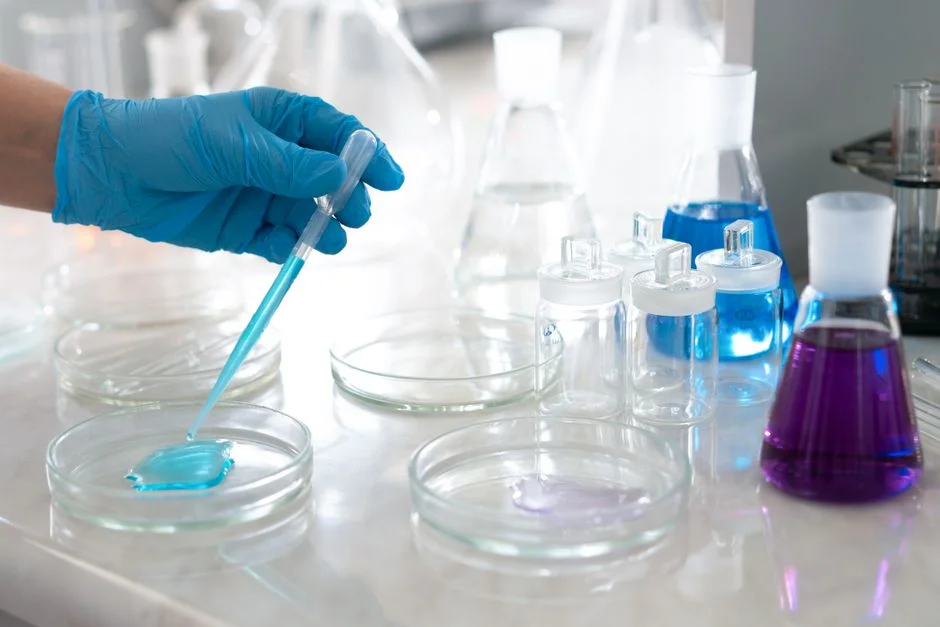
Palm oil mill effluent (POME) remains the strongest stream in the region, with raw COD typically between 25,000 and 65,000 mg/L, BOD5 between 15,000 and 35,000 mg/L, oil & grease between 4,000 and 8,000 mg/L, and discharge temperatures of 60–80°C from the steriliser condensate. Seafood processing effluent in Kota Kinabalu and Sandakan is high in protein and salinity, with COD between 2,000 and 8,000 mg/L and BOD5 between 1,500 and 5,000 mg/L; shell and offal handling push TSS to 800–2,500 mg/L. Food and beverage (F&B) lines — bottling, dairy, sauce — produce COD of 1,500–6,000 mg/L, BOD5 of 800–3,500 mg/L, and pH swings of 4–11 driven by CIP (clean-in-place) chemicals. General manufacturing and light-industrial effluent is the weakest, with COD of 500–2,000 mg/L and BOD5 of 250–800 mg/L, but it often carries metals or solvents that change the design problem.
| Stream | COD (mg/L) | BOD5 (mg/L) | TSS (mg/L) | Oil & Grease (mg/L) | Notes |
|---|---|---|---|---|---|
| Palm oil mill (POME) | 25,000–65,000 | 15,000–35,000 | 5,000–15,000 | 4,000–8,000 | Hot (60–80°C), acidic; needs anaerobic pre-treatment |
| Seafood processing | 2,000–8,000 | 1,500–5,000 | 800–2,500 | 200–800 | High salinity, protein, TSS from shells |
| Food & beverage | 1,500–6,000 | 800–3,500 | 300–1,200 | 50–500 | pH 4–11 surges, batch CIP flows |
| General / light industrial | 500–2,000 | 250–800 | 100–500 | < 50 | Metals, solvents possible |
These ranges are consistent with industry characterisation surveys and the historical Sabah ECD WWTP survey (2002), which flagged POME and seafood as the two highest-strength streams at municipal-plant inlets.
Process Selection: Building the Right Treatment Train for Kota Kinabalu
A robust treatment train for a Sabah industrial plant runs through five stages: screening, equalisation, primary separation, biological treatment, and polishing/disinfection. The configuration stays the same whether the envelope is 50 m³/day or 500 m³/day — only the unit sizes change.
| Stage | Equipment | Function | Typical Sizing for Sabah Plants |
|---|---|---|---|
| 1. Screening & grit | GX rotary mechanical bar screen | Remove solids ≥ 2 mm | 50–200 m³/h flow; 3–6 mm bar spacing |
| 2. Equalisation | EQ tank with mixers | Smooth batch flows, dampen pH and load swings | 6–12 h retention at avg. flow |
| 3. Primary separation | Dissolved air flotation system | Remove FOG, oil, colloidal solids | 4–300 m³/h; 13 model range; 20–30% solids capture |
| 4. Biological treatment | Integrated MBR membrane bioreactor or SBR | BOD/COD/NH3 reduction | MBR 10–2,000 m³/day; SBR 50–500 m³/day |
| 5. Disinfection / reuse | Chlorine dioxide generator or UV | Final microbial control | 50–20,000 g/h ClO2; 30–40 mJ/cm² UV |
For palm oil mills, Stage 4 must be preceded by a high-rate anaerobic step — UASB, anaerobic lagoon, or covered anaerobic pond — because aerobic-only MBR or SBR cannot economically handle influent above ~5,000 mg/L COD. The DAF in Stage 3 captures residual FOG downstream of the anaerobic step. For F&B and seafood lines, the MBR route is preferred because of its small footprint on space-constrained Kota Kinabalu sites and its 60% land reduction versus conventional activated sludge; the integrated MBR membrane bioreactor with submerged 0.1 μm PVDF membranes delivers sub-1 μm filtration that comfortably meets the DOE TSS 50 mg/L ceiling.
Equipment Sizing and Configuration for a 50–500 m³/day Sabah Plant
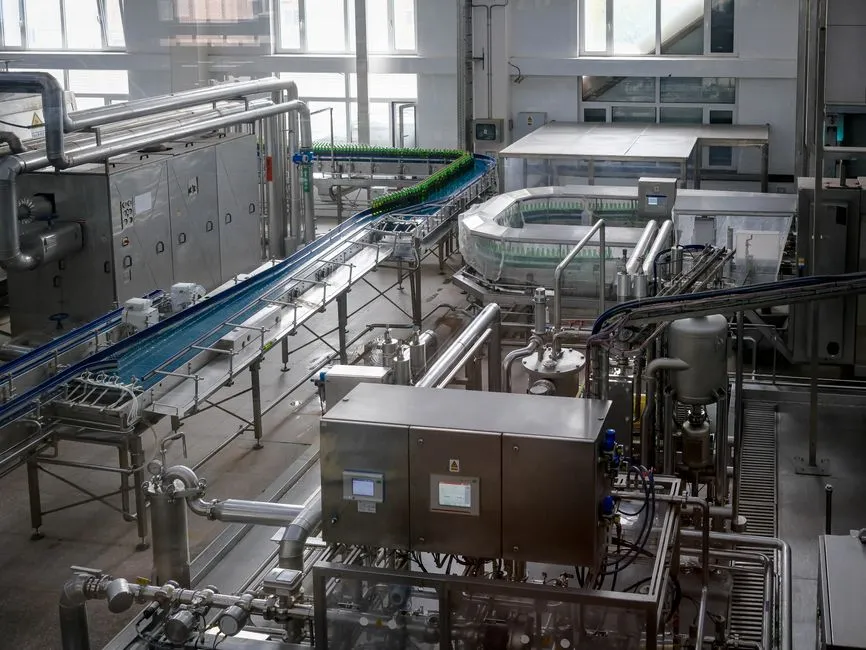
A 200 m³/day packaged industrial WWTP is the reference envelope for a mid-sized Sabah manufacturer, and the equipment list below covers the full train. A packaged plant of this size typically includes one rotary screen, one equalisation tank with two submersible mixers, one DAF unit, one MBR cassette, one chemical dosing skid, one sludge dewatering press, and one ClO2 generator — all pre-piped and factory-tested. For lower-FOG streams, a high-efficiency sedimentation tank with lamella plates can substitute for the DAF at 20–40 m/h surface loading, halving the footprint and power draw.
| Item | Specification | Use |
|---|---|---|
| Rotary bar screen (GX) | 3–6 mm bar spacing, 50–200 m³/h | Solids removal at headworks |
| EQ tank | 6–12 h retention; 50–100 m³ at 200 m³/day | Flow and load equalisation |
| DAF | 10–50 m³/h per unit | FOG and colloidal removal |
| Lamella sedimentation tank | 20–40 m/h surface loading | Alternative to DAF for low-FOG streams |
| MBR module | 10–2,000 m³/day; PVDF 0.1 μm | BOD/COD/NH3 removal |
| Chemical dosing skid | PLC-controlled, 50–2,000 L/h | pH correction, coagulant, CIP |
| Plate & frame filter press | 1–500 m² area | Sludge dewatering to < 75% moisture |
| ClO2 generator | 50–20,000 g/h | Final disinfection |
Sludge production at this scale is typically 30–60 kg dry solids per day; a 5–10 m² plate and frame filter press with a 1.5–2.0 m³/h feed pump is the standard match. The PLC-controlled chemical dosing skid is pre-wired and factory-tested to keep site commissioning inside one working week.
2026 CAPEX and OPEX Benchmarks for Industrial WWTPs in Sabah
CAPEX for a packaged industrial WWTP scales roughly linearly with flow up to about 1,000 m³/day, then sub-linearly. A 50 m³/day packaged system lands at USD 80,000–140,000 ex-works; a 200 m³/day system at USD 180,000–350,000; a 500 m³/day system at USD 400,000–750,000. To convert ex-works to landed cost in Kota Kinabalu, add 12–18% for sea or air freight through Sapangar Bay Container Port and 8–12% for civil works and on-site installation, with the East Malaysia logistics premium being the dominant swing factor versus Peninsular Malaysia quotes. The 200 m³/day envelope therefore lands at roughly USD 230,000–450,000 in 2026.
| Item | 50 m³/day | 200 m³/day | 500 m³/day |
|---|---|---|---|
| Equipment CAPEX (ex-works) | USD 80k–140k | USD 180k–350k | USD 400k–750k |
| Sea/air freight to KK | +12–18% | +12–18% | +12–18% |
| Civil & installation | +8–12% | +8–12% | +8–12% |
| OPEX (energy, % of total) | 45–60% | 45–60% | 45–60% |
| OPEX (sludge handling) | 15–25% | 15–25% | 15–25% |
| OPEX (chemicals) | 5–10% | 5–10% | 5–10% |
| MBR membrane life | 5–7 years | 5–7 years | 5–7 years |
OPEX is dominated by aeration energy at 45–60% of the running cost, with sludge handling at 15–25% and chemicals at 5–10%. MBR membranes have a 5–7 year replacement cycle at typical flux of 15–25 LMH; the rest is labour and consumables. POME plants run higher CAPEX because the anaerobic stage is added, but OPEX is lower because biogas offsets aeration power. For SBR-based plants, the SBR operating cost breakdown and the ultrafiltration OPEX guide give line-item detail for the 2026 cost model.
Logistics, Commissioning, and Long-Term Compliance in Sabah
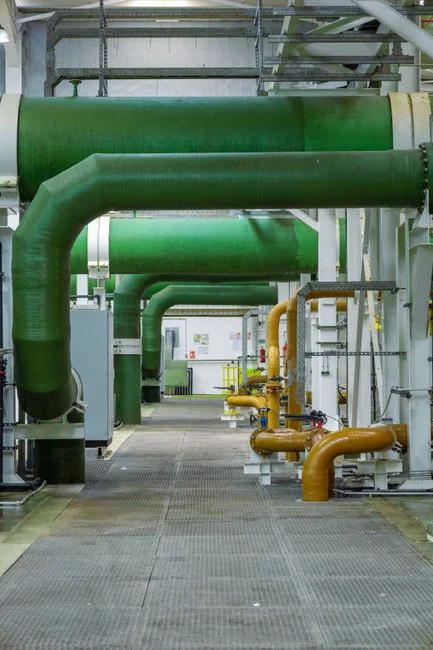
Most packaged WWTPs sold into East Malaysia ship ex-works China, consolidate at Port Klang or Shekou, and move by sea feeder to Kota Kinabalu's Sapangar Bay Container Port, with a typical transit of 25–35 days door-to-door including customs clearance. Air-freight is used for skid-mounted pilot units or when a DOE audit deadline is tight, but it adds 4–6× the sea cost per kilogram. A factory acceptance test (FAT) at the supplier's workshop before shipment is the single cheapest insurance against a 90-day punch-list cycle on site; plan 7–14 days of supervised commissioning after delivery to validate the biological seed, MBR membrane integrity, and SCADA telemetry.
Once running, DOE self-monitoring requires monthly reporting of flow, pH, COD, BOD5, TSS, and oil & grease, with quarterly ammoniacal nitrogen and annual heavy metals. Online analyzers on the regulated parameters reduce manual-labour cost and the risk of missed sample dates — the online COD analyzer buying guide covers 2026 pricing and selection. For buyers new to East Malaysia procurement, the Southeast Asia wastewater treatment manufacturer guide sets out the FAT, shipping, and after-sales checklist a Sabah plant should run through before issuing a PO.
Frequently Asked Questions
What are the 2026 Malaysian DOE Standard A and B BOD limits for industrial effluent?
Standard A caps BOD5 at 20 mg/L and Standard B at 50 mg/L, both at 27°C, under the Industrial Effluents Regulations 2009 (per DOE Malaysia, 2009). Standard A applies upstream of any raw-water intake; Standard B applies to all other inland discharges.
Which treatment system suits a 200 m³/day palm oil, seafood, or F&B plant in Kota Kinabalu?
For 200 m³/day, an MBR with DAF pre-treatment handles F&B and seafood at typical 2,000–8,000 mg/L COD; POME requires an upstream anaerobic stage (UASB or covered lagoon) because raw POME at 25,000–65,000 mg/L COD is uneconomical for aerobic-only systems.
What is the 2026 CAPEX range for a 200 m³/day packaged industrial WWTP landed in Sabah?
Ex-works CAPEX is USD 180,000–350,000; add 12–18% for sea freight to Sapangar Bay and 8–12% for civil and installation, taking the landed cost to roughly USD 230,000–450,000 in 2026.
How long does shipping and commissioning take for a packaged WWTP from mainland China to Kota Kinabalu?
Sea freight through Port Klang to Sapangar Bay typically takes 25–35 days door-to-door, with 7–14 days of supervised commissioning on site after arrival; air freight is 4–6× costlier per kg and is reserved for pilot or audit-deadline cases.
How often must a Sabah industrial plant self-report effluent to DOE?
Monthly for flow, pH, COD, BOD5, TSS, and oil & grease; quarterly for ammoniacal nitrogen; annually for heavy metals — per the Industrial Effluents Regulations 2009 monitoring schedule, with the Sabah DOE office as the reporting authority.