What pH Range Is Legally Allowed for Discharge in Malaysia?
In 2026, DOE compliance with the pH discharge limit in Malaysia still rests on two numbers: pH 6.0–9.0 for Standard A and 5.0–9.0 for Standard B, set under the Environmental Quality (Sewage and Industrial Effluents) Regulations 1979 and enforced by the Department of Environment.
The parent statute is the Environmental Quality Act 1974 (EQA 1974), which gives DOE — under the Ministry of Natural Resources, Environment and Climate Change (NRECC) — the authority to set parameter limits, issue directives, and levy penalties for non-compliance. The 1979 regulation was amended substantially in 1999 and 2000 to tighten metals and add parameters such as colour and temperature.
UNEP's legislative record shows that P.(A) 398/2000, the 31 October 2000 amendment instrument, was repealed on 10 December 2009 by the Environmental Quality (Sewage) Regulations 2009. DOE's current register carries the 2009-series texts, including the Environmental Quality (Industrial Effluent) Regulations 2009. Permit holders confirming a 2026 condition should therefore verify parameter values against the current DOE text and their licence rather than older extracts.
The distinction between the two standards is geographic and hydrological, not optional. Standard A applies to effluent discharged upstream of any raw water intake works, which in practice covers most inland industrial sites in Selangor, Johor, Penang, and Perak. Standard B applies to effluent discharged downstream of the nearest intake; this is a less common designation today, but it still applies to coastal and downstream-reach sites. For a palm oil mill, an electronics plant, or a textile facility, Standard A is the binding target, and pH 6.0–9.0 is the only window to design around.
Downstream permit holders should read the full parameter matrix alongside this page: the standard b water discharge malaysia guide lists every Standard B limit in one table. The full 1979-regulation parameter list — including pH — is publicly available through the DOE and reproduced on industry reference sites (source: water-treatment.com.cn regulatory extract). One caution from that same extract: it lists Standard B pH as 5.5–9.0, slightly narrower than the 5.0–9.0 figure carried in older summaries, so the conservative design floor for a downstream site is 5.5. A condensed extract of the parameters engineers most often cross-check against pH appears below.
| Parameter | Unit | Standard A | Standard B |
|---|---|---|---|
| pH | — | 6.0–9.0 | 5.0–9.0 |
| BOD5 at 20°C | mg/L | 20 | 50 |
| Arsenic | mg/L | 0.05 | 0.10 |
| Cyanide | mg/L | 0.05 | 0.10 |
| Lead | mg/L | 0.10 | 0.50 |
| Chromium (Trivalent) | mg/L | 0.20 | 1.0 |
| Copper | mg/L | 0.20 | 1.0 |
| Nickel | mg/L | 0.20 | 1.0 |
| Manganese | mg/L | 0.20 | 1.0 |
| Tin | mg/L | 0.20 | 1.0 |
Note that pH is one of only a handful of parameters in the entire Standards table expressed as a range rather than a ceiling — both the lower and the upper bound are enforceable, and a breach on either side counts the same way.
Malaysia DOE Compliance: How the pH Discharge Limit Is Enforced in 2026
DOE compliance audits in 2026 run on a hybrid schedule. Routine inspections of scheduled-waste and high-risk industrial premises typically follow a quarterly cycle, augmented by unannounced spot checks triggered by complaints, abnormal discharge reports, or downstream water-quality data. pH is treated as a continuous monitoring parameter, not a grab-sample check. Any single excursion outside 6.0–9.0 (Standard A) recorded by an on-site pH logger or a DOE officer's portable meter is sufficient grounds for enforcement action.
The enforcement instrument is a written Directive under Section 31A of the EQA 1974, which compels the operator to investigate, rectify, and report within a stipulated period — often 14 to 30 days. Repeated or wilful violations escalate to prosecution under Section 25 or Section 29 of the same Act, which carry fines, daily penalties for continuing offences, and possible imprisonment for directors and persons responsible. The regulator publishes a penalty matrix that scales with the severity, duration, and downstream impact of the violation. Operators should treat any directive as the start of an enforceable compliance clock.
A 2026-area focus of DOE enforcement is the move toward real-time effluent monitoring systems — analogous to the Continuous Emissions Monitoring Systems used in air quality — where pH, flow, and COD are telemetered to a state-level compliance dashboard. Industrial sites with continuous-discharge operations above 100 m³/day should expect this to become a standard audit requirement within the next two planning cycles (per a 2025 industry review of Malaysian waterways compliance). Our advice on most retrofits: budget for the data logger before the auditor asks for it.
Which Malaysian Industries Have the Toughest pH Compliance Burden
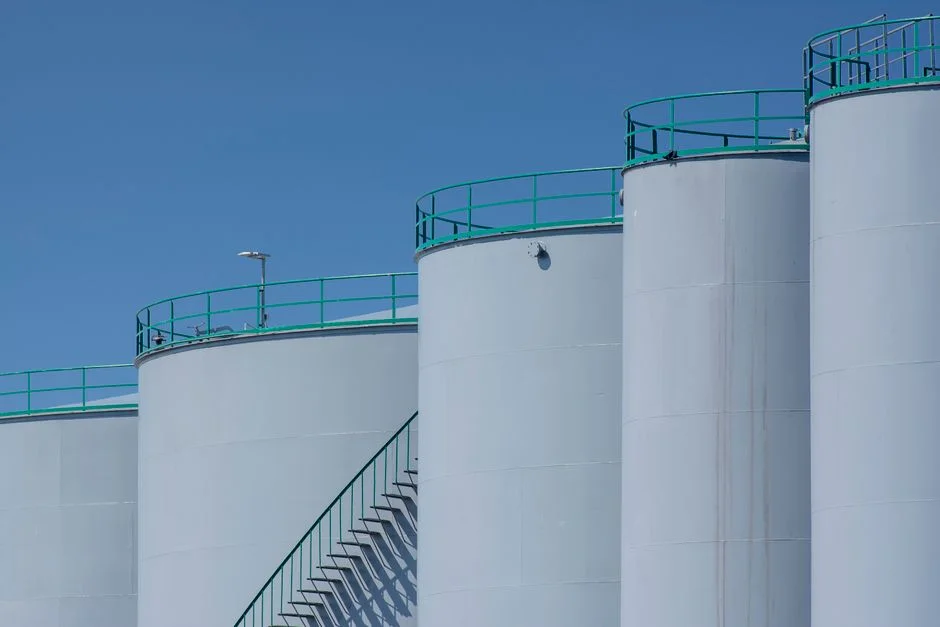
pH correction is not a one-size problem across Malaysian industry. The influent pH window, swing magnitude, and required reagent mass differ by orders of magnitude across the four sectors that dominate Malaysian EHS audits.
Palm oil mill effluent (POME) enters the treatment train at pH 3.5–4.5 with BOD baseline around 25,000 mg/L (per the same 2025 review of Malaysian waterways compliance). The acidity comes from short-chain fatty acids generated during the clarification and sterilization stages. POME must be lifted by 2–4 pH units before biological treatment can function, which represents a significant daily reagent load — typically several hundred kilograms of lime or NaOH per 1,000 m³ of throughput.
Electroplating and metal finishing generate rinse waters at pH 1–3 (acid pickling) and 11–13 (cyanide-bearing alkaline cleaners). Beyond pH correction, the same discharge must also meet the metals limits in the Standards table — 0.20 mg/L for nickel, copper, and trivalent chromium under Standard A (source: water-treatment.com.cn extract). Metals precipitation is itself pH-dependent: Ni, Cu, and Cr³⁺ all reach minimum solubility in the pH 9–10 range, which sits at the upper edge of the legal window. Operators who under-dose lose metals; operators who over-dose breach pH.
Textile dyeing discharges alternate between hot acid (pH 3–4) and alkali (pH 10–12) batches within a single shift, producing pH swings of 3–4 units over an 8-hour cycle. Equalization is mandatory; without a 12–24 hour buffer tank, no downstream pH correction system can hold the trim within ±0.2 pH. Food and dairy processing generally produces near-neutral influent (pH 6.5–7.5) but is prone to lactic acid swings during CIP (clean-in-place) cycles and whey discharges. The lower buffering capacity makes pH easier to control in steady state, but operators still need a neutralization skid for the spike events that occur at predictable daily intervals.
pH Correction Chemical Dosing for Industrial Wastewater in Malaysia
pH correction chemical dosing for industrial wastewater in Malaysia typically consumes 50–300 g of reagent per cubic metre of effluent per pH unit shifted, depending on the natural alkalinity of the stream. For acidic effluent — the more common case in Malaysian heavy industry — 30% sodium hydroxide (NaOH) or lime slurry does the coarse lift in equalization, with dilute NaOH kept for fine trim where purity matters. For alkaline effluent, the reagents invert: dose 98% sulfuric acid, typically diluted to a 10–25% working solution for safe metering, or 30–33% hydrochloric acid (HCl). Stainless steel 316L or PVDF pumps and piping are required for HCl service due to fume corrosion.
A 2-unit pH lift (for example pH 4.0 to 6.0) on 500 m³/day of well-buffered POME therefore needs roughly 30–150 kg/day of NaOH equivalent. That number drives chemical tank sizing, delivery frequency, and operating cost. The wide range is the point: lab jar tests on the actual effluent are non-negotiable for any serious design, because natural alkalinity — not the pH reading itself — sets reagent demand.
Two practical engineering points often get missed in vendor brochures:
- Probe placement: install the primary pH probe in the equalization tank recirculation loop, not after the biological reactor. Biofilm fouling and suspended solids downstream will drift the reading by 0.3–0.8 pH units, which is enough to mask a compliance excursion.
- Two-stage dosing: coarse dose in equalization, fine dose in a 10–15 minute retention trim tank. This layout typically cuts total reagent consumption by 20–30% versus single-stage dosing, because the trim stage corrects only residual error.
For sites that need to precipitate metals as well as correct pH, the trim-stage setpoint should land in the pH 9.0–9.5 range, where Ni, Cu, and Cr³⁺ reach their minimum solubility before the effluent is polished by a PLC-controlled acid and alkali dosing skid.
Where the pH Correction Stage Fits in a Typical Treatment Train
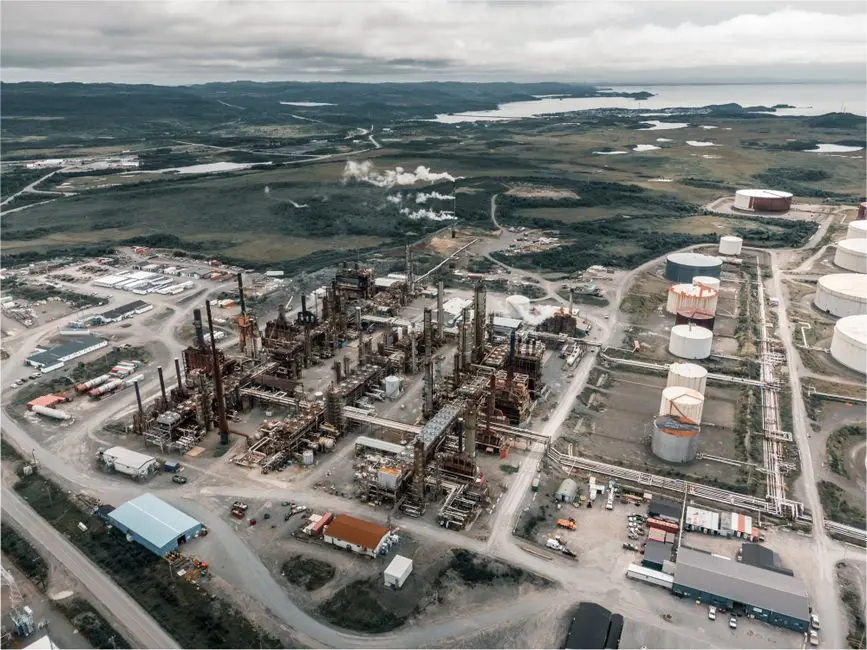
A standard Malaysian industrial treatment train positions pH correction in two places — once early, once late. The full sequence is:
- Screening and grit removal
- Equalization + Stage 1 pH correction (coarse)
- Coagulation / flocculation
- DAF or Lamella clarification — a typical DAF system for post-neutralization solids removal handles 5–10 m³/m²·h at this stage
- Biological treatment (A/O, SBR, or MBR) — an MBR system for biological polishing after pH adjustment tolerates influent pH 6.0–9.0 with less than 10% flux decline
- Stage 2 pH trim (fine) prior to discharge
- Disinfection (UV or chlorination)
- Discharge
Stage 1 must precede biological treatment because nitrification essentially halts below pH 6.5, and most heterotrophic bacteria lose more than 50% of their activity below pH 5.5. Putting pH correction after the biological stage is a common design error in retrofit projects and reliably produces either poor BOD removal or constant operator intervention. A high-rate clarifier such as the high-efficiency sedimentation tank between pH correction and the biological stage also helps strip precipitated metals and avoid loading the biozone with hydroxide sludge.
Teams scoping treatment depth for a downstream permit can start from the companion long-form answer to final wastewater discharge standard b compliance (malaysia) which level of treatment does it relate to primary, secondary or tertiary ? before locking the process flow diagram. For more on how tertiary stages lock in compliance, the tertiary treatment guide for final polishing walks through the polishing-stage options in detail.
Sizing and Selecting a pH Adjustment Skid for Malaysian Conditions
Three sizing rules cover most installations in 2026, and each traces back to a failure mode DOE auditors actually find in the field:
- Chemical tank retention: at least 24 hours of peak-dose consumption. FRP or HDPE tanks handle 10% HCl and 30% NaOH without internal lining upgrades; mild steel requires rubber lining for acid service.
- Dosing pump control: PLC with a PID loop on a pH probe delivering ±0.1 pH accuracy is the de facto 2026 standard for any continuous-discharge site. Manual or timer-based dosing is no longer considered compliant for a facility with a DOE-registered discharge point.
- Redundant probes: two-channel pH measurement, with the second probe in a verification loop, protects against probe fouling and probe failure. Both have caused multi-day compliance excursions that operators only discovered during the next DOE audit.
- Secondary containment: a bundled day-tank area sized for the largest tote or drum, because reagent deliveries arrive on the wettest day of the month.
- Commissioning buffer: plan reagent strength and pump stroke around the strongest delivery concentration you will accept, not the lab-diluted trial batch.
For procurement, sites in this category typically spec a PLC-controlled acid and alkali dosing skid with twin metering pumps, dual pH probes, a chemical day tank, and a SCADA-ready data logger. The capital cost is small relative to a single enforcement directive; the operating cost is dominated by reagent consumption, which the dosing section above is designed to estimate.
Operators cross-checking pH design against other parameters will find the global BOD discharge limits guide and the regional Southeast Asian treatment plant engineering specs piece useful for tropical-climate and ASEAN comparisons.
pH interacts with metals solubility, BOD removal, and discharge-standard mapping at once. Most project teams therefore read this page next to the Industrial Effluent Limits Malaysia 2026: Full Compliance Guide & Stan companion guide before fixing a design basis.
Next Steps Before the Next DOE Audit
Malaysia DOE pH discharge limit compliance for 2026 comes down to four habits: know which standard your site sits in, buffer the swings, dose in two stages, and log continuously. Start with a jar test on the actual effluent, then size equalization volume and reagent storage around the worst swing rather than the daily average. If the specification is ready, request a quote for a pH adjustment skid and put a budget number against your throughput and reagent plan.
Frequently Asked Questions
What is the legal pH range for industrial effluent discharge in Malaysia?
The legal range is 6.0–9.0 for Standard A and 5.0–9.0 for Standard B under the Environmental Quality (Sewage and Industrial Effluents) Regulations 1979, enforced by DOE Malaysia. Both bounds are enforceable, so a low-side excursion breaches the limit just as a high-side one does. Because the 2009-series regulations reorganised this regime, permit holders should confirm the parameter values attached to their licence before design sign-off.
Which standard applies to a typical Malaysian industrial site — A or B?
Standard A applies to effluent discharged upstream of a water intake, which covers most inland sites; Standard B applies downstream of intakes. In practice, most inland industrial estates in Selangor, Johor, Penang, and Perak sit inside Standard A catchments. The designation is geographic, fixed by the position of the nearest raw-water intake relative to the discharge point, and it is printed on the discharge licence.
How much NaOH or H₂SO₄ is needed to correct effluent pH?
Roughly 50–300 grams of reagent per cubic metre of effluent per pH unit shifted is the budgeting range, depending on the natural alkalinity of the stream. A 2-unit lift on 500 m³/day of well-buffered POME needs about 30–150 kg/day of NaOH equivalent. Jar testing on the actual stream is required for design, because alkalinity — not pH itself — drives reagent demand.
Where in the treatment train should pH correction be installed?
Stage 1 (coarse) belongs in the equalization tank, before biological treatment; Stage 2 (fine trim) sits after biological polishing, just before discharge. Nitrification essentially halts below pH 6.5 and heterotrophs lose over half their activity below pH 5.5, so a late-placed correction stage starves the biology. Retrofit projects that get this order wrong usually pay for it in BOD performance, not in reagent cost.
What penalty applies for a pH compliance breach?
A written Directive under Section 31A of the EQA 1974 comes first, compelling investigation, rectification, and reporting within 14 to 30 days. Repeated or wilful violations escalate to prosecution under Section 25 or Section 29, with fines, daily penalties for continuing offences, and possible imprisonment for responsible officers. The penalty matrix scales with severity, duration, and downstream impact.
Is continuous pH monitoring required in 2026?
Not yet mandatory for all sites, but DOE audits in 2026 increasingly expect real-time pH logging for high-discharge premises, and continuous monitoring is the industry standard for new installations. Sites discharging above 100 m³/day continuously should plan for telemetered pH, flow, and COD within the next two planning cycles. A two-channel probe setup protects against the fouling drift that causes silent excursions.