Dual Regulatory Framework: EPA Categorical Standards Meet MCES Local Limits
The Metropolitan Council Environmental Services (MCES) regulates industrial wastewater discharges to protect the 251-million-gallon-per-day Metro Plant in St. Paul (source: MCES 2025-08 regional data). Industrial facilities in Scott County must navigate a dual-layered regulatory structure where federal categorical standards represent the baseline, and local limits dictate actual end-of-pipe compliance. Under EPA 40 CFR 403.5, general prohibitions prevent any discharge that causes pass-through or interference at the receiving publicly owned treatment works (POTW). For chemical manufacturers, specific federal standards apply based on production activities, most notably the 40 CFR 414 OCPSF categorical standards (Organic Chemicals, Plastics, and Synthetic Fibers) or 40 CFR 455 for pesticide formulating and packaging.
Understanding how chemical plants near Shakopee in the United States meet pretreatment limits before sewer discharge requires analyzing both federal categorical standards and local municipal regulations. MCES establishes site-specific numeric limits at the point of connection to the Metropolitan Disposal System (MDS). These limits are developed per 40 CFR 403.5(c) using EPA guidance on maximum allowable headworks loading MAHL calculations to prevent treatment process disruption. Under Minnesota Chapter 5900.4500, dilution is strictly prohibited as a substitute for active treatment to meet these limits. While 40 CFR 403.7 allows MCES to apply for EPA-approved removal credits to modify categorical limits based on consistent POTW removal rates, chemical plants must operate under the assumption that the stricter of the local or federal limits applies at their discharge monitoring point.
MCES Industrial Discharge Permit: Timeline, Submittals, and Renewal Cycle
Under Minnesota Chapter 5900.2300, MCES mandates that detailed engineering plans for industrial wastewater pretreatment facilities must be submitted for review and approval at least 60 days prior to the initiation of construction (source: Minnesota Revisor 5900.4100). This 60-day pretreatment facility plan review timeline is a critical milestone for capital expenditure scheduling. The chief administrator reviews the completed application form (per Appendix A, 5900.6800) and issues the Minnesota Chapter 5900 industrial discharge permit only after determining that the plant has the engineering controls to maintain continuous compliance. Any subsequent process modifications that substantially alter the volume or character of the discharge require re-approval before construction begins.
Once issued, the industrial discharge permit is valid for a maximum term of 3 years. To prevent permit expiration, facilities must submit a renewal application along with the required processing fees at least 90 days before the current permit expires (per 5900.2300). Compliance monitoring is enforced through self-monitoring requirements (5900.3200) and the submission of periodic industrial waste discharge reports (Appendix E, 5900.7300), which typically occur on a monthly or quarterly cycle. If a discharge causes an NPDES permit violation at the Metro Plant or results in sewage sludge exceeding heavy metals limits, MCES is empowered under 5900.4500 to order immediate pollutant reduction, petition the court for discharge cessation, or mandate the installation of additional pretreatment equipment.
Chemical Plant Waste Stream Profiles and MCES Pollutants of Concern
Chemical manufacturing wastewater characterization near Shakopee reveals typical raw chemical oxygen demand (COD) concentrations ranging from 2,000 mg/L to over 15,000 mg/L, depending on the production of resins, coatings, or specialty organics (source: HydropureWater field data, 2025-11). Facilities producing adhesives and coatings generate waste streams high in total suspended solids (TSS) ranging from 200 to 2,000 mg/L, alongside significant concentrations of fats, oils, and grease (FOG) up to 5,000 mg/L. Specialty chemical formulation often introduces priority pollutants, including benzene, toluene, and phenol, as well as heavy metals such as copper, nickel, and zinc from catalysts or pigments.
The local limits enforced by MCES are designed to protect the biological treatment processes of the POTW. In addition to organic and solids loading, Shakopee-area groundwater chemistry directly influences pretreatment design. With a natural hardness of 21 grains per gallon, equivalent to approximately 360 mg/L as CaCO₃ (source: Shakopee Public Utilities), the local water supply contains high concentrations of calcium and magnesium. This hardness alters the stoichiometry of chemical precipitation, requiring higher coagulant dosages to overcome ion competition and increasing the risk of calcium carbonate scaling within pretreatment piping and membrane systems.
| Pollutant Parameter | Typical Raw Concentration Range | MCES Local Limit Range (End-of-Pipe) | Primary Pretreatment Concern |
|---|---|---|---|
| Chemical Oxygen Demand (COD) | 2,000 – 15,000 mg/L | Surcharge threshold > 500 mg/L | Biological loading, high ICR fees |
| Total Suspended Solids (TSS) | 200 – 2,000 mg/L | 200 – 300 mg/L | Sewer blockages, physical settling |
| Fats, Oils, and Grease (FOG) | 500 – 5,000 mg/L | 100 – 300 mg/L | Hydrophobic coating on equipment |
| Copper (Cu) | 5 – 50 mg/L | 1.0 – 2.0 mg/L | Toxicity to POTW biomass |
| Nickel (Ni) | 2 – 30 mg/L | 2.0 – 3.0 mg/L | Pass-through to receiving waters |
| pH | 2.0 – 12.0 S.U. | 5.0 – 11.0 S.U. | Corrosion of concrete sewer lines |
Pretreatment Technology Selection Matrix for Chemical Manufacturing
Dissolved air flotation (DAF) systems routinely achieve 92% to 97% suspended solids removal and 85% to 95% oil and grease reduction in industrial wastewater applications (source: HydropureWater process engineering database, 2026). For primary treatment of high-FOG and high-TSS waste streams from resin and coatings manufacturing, DAF systems for FOG and TSS removal use micro-bubble flotation to separate emulsified organics from the liquid phase. When selecting between separation technologies, engineers can consult a detailed DAF vs clarifier selection guide for industrial wastewater to evaluate whether flotation or gravity sedimentation is best suited for their specific solids density.
To optimize precipitation of heavy metals and neutralize pH swings, facilities utilize PLC-controlled chemical dosing skids for precipitation and pH control. These skids feed coagulants, polymers, and pH adjusters (such as sodium hydroxide or sulfuric acid) to maintain the targeted pH range of 8.5 to 11.5 required for metal hydroxide precipitation. Upstream of these chemical processes, GX series rotary bar screens for headworks protection are installed with 3 to 6 mm openings to remove large debris, rags, and plastic packaging materials that could damage downstream pumps. For high-strength organic removal, Integrated MBR systems for high-strength organic polishing combine biological degradation with PVDF membrane filtration, achieving an effluent COD of less than 50 mg/L while reducing the physical footprint by up to 60% compared to conventional activated sludge clarifiers. Generated sludges are then dewatered using automatic Filter presses for pretreatment sludge dewatering to produce a dry cake with 15% to 35% dry solids, significantly reducing off-site disposal costs.
| Pretreatment Technology | Target Pollutants | Removal Efficiency | Relative Footprint | CAPEX Indicator | OPEX Indicator |
|---|---|---|---|---|---|
| Rotary Bar Screen (GX Series) | Large solids, plastics | Coarse screening (>3mm) | Very Small (< 5 m²) | Low | Very Low |
| DAF | FOG, TSS, insoluble COD | 92% – 97% TSS / 85% – 95% FOG | Medium (15 – 25 m²) | Moderate | Moderate (Chemicals + Power) |
| Chemical Dosing Skid | Metals, pH adjustment | 90% – 99% Metals precipitation | Small (5 – 10 m²) | Low to Moderate | Variable (Chemical consumption) |
| Integrated MBR | Soluble COD, BOD, NH₃ | > 95% COD / > 99% TSS | Large (40 – 60 m²) | High | Moderate to High (Energy + Clean) |
| Filter Press | Sludge volume reduction | 15% – 35% cake solids | Medium (10 – 20 m²) | Moderate | Low (Labor + Disposal savings) |
Typical Pretreatment Train Configurations by Chemical Sub-Sector
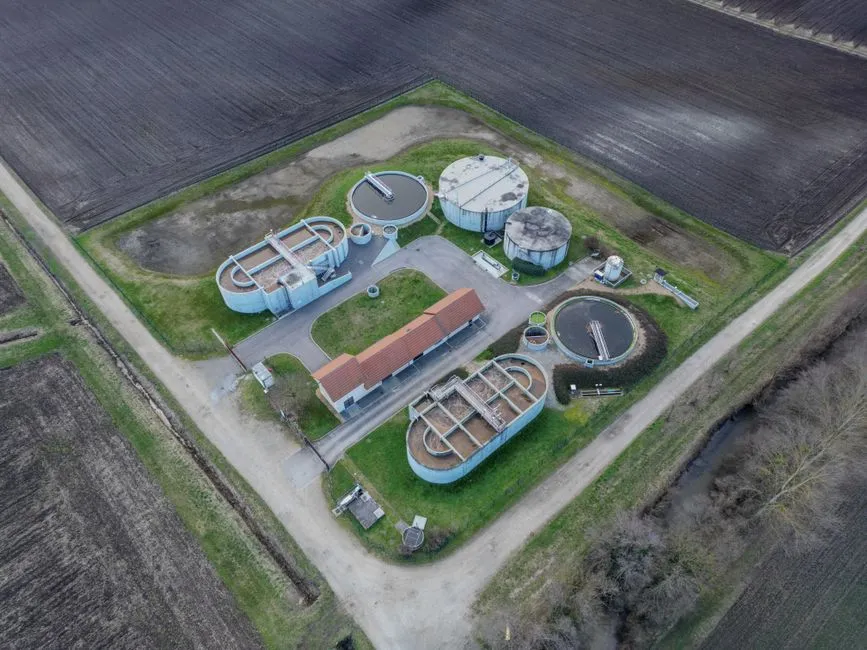
Integrating unit operations into a multi-stage treatment train is necessary because a single technology cannot simultaneously neutralize pH, precipitate metals, and biologically degrade high-strength organic solvents (source: EPA Pretreatment Design Manual). The specific combination of equipment depends on the chemical sub-sector and the resulting wastewater characteristics. For example, a resin and coatings manufacturer requires a different process sequence than an inorganic catalyst or pigment producer.
The following configurations represent standard engineering layouts for achieving consistent sewer compliance:
- Resins, Adhesives, and Coatings: Rotary screening (GX series) removes skin and packaging fragments. The water flows to an equalization tank to buffer flow and concentration peaks, followed by a pH adjustment chamber. Coagulants and polymers are injected via an automatic dosing skid prior to a DAF system, which removes up to 80% of the raw TSS and FOG load. If soluble monomer residuals remain high, an MBR system polishes the DAF effluent before sewer discharge.
- Specialty Organics (OCPSF): Screening and equalization are followed by neutralization. Because these streams contain high levels of dissolved biodegradable solvents, the wastewater undergoes biological treatment in an integrated MBR system. The PVDF membranes retain all biomass, discharging a clear, low-COD permeate directly to the sanitary sewer.
- Inorganic Catalysts and Pigments: Wastewater undergoes hexavalent chromium reduction (if present) followed by pH adjustment to 9.0–11.0 using a dosing skid to precipitate metals as hydroxides. The slurry is directed to a high-efficiency sedimentation tank (lamella clarifier) to separate the heavy metal precipitates. The clarified overflow is neutralized back to pH 7.0–8.0, while the underflow sludge is dewatered in a plate and frame filter press.
All configurations must include continuous online monitoring for pH, temperature, and flow rate at the final compliance discharge point. An automated diversion valve is integrated into the control system; if pH or turbidity exceeds permit limits, the effluent is automatically diverted to an off-spec containment tank to prevent illegal sewer discharges.
CAPEX/OPEX Indicators and MCES Cost Recovery (ICR) Context
The MCES industrial cost recovery (ICR) formula under Minnesota Chapter 5900.1600 calculates annual fees based on equivalent volume loading in million gallons per day (MGD) and excess chemical oxygen demand (COD) and total suspended solids (TSS) concentrations above domestic strength (source: Minnesota Chapter 5900.1600). The formula is structured so that 90% of the recovered funds are returned to the US Treasury for federal grant compliance, while 10% is retained for MCES administrative costs. Consequently, investing in high-efficiency pretreatment equipment directly reduces a chemical plant's annual operational fees by lowering the discharge mass of COD and TSS.
For a typical chemical manufacturing facility discharging 50 cubic meters per hour (m³/h), a DAF system represents an equipment CAPEX of approximately $120,000 to $180,000, with an OPEX of $0.15 to $0.30 per cubic meter of treated water. This OPEX includes electrical power, coagulant/polymer consumption, and sludge disposal. An integrated MBR system designed for 100 cubic meters per day (m³/day) of high-strength organic wastewater requires a higher capital investment of $350,000 to $550,000, with operational costs of $0.40 to $0.70 per cubic meter, driven by membrane air-scouring energy and periodic chemical clean-in-place (CIP) cycles. However, the reduction in MCES surcharge fees for high-strength COD often yields a payback period of less than 3 years for the MBR system.
Compliance Checklist: From Permit Application to Routine Operations
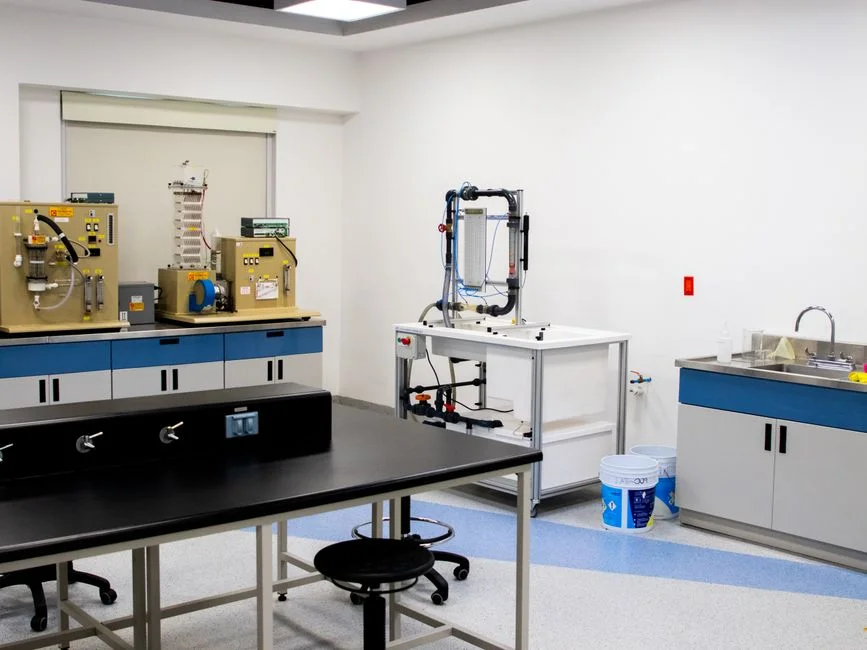
A comprehensive compliance program requires a systematic approach to meet both the 60-day pre-construction review and the 3-year permit renewal cycles mandated by MCES (source: MCES Chapter 5900). Engineers planning upgrades can refer to regional guides such as the chemical plant pretreatment guide for Goldsmith, TX or the chemical plant pretreatment guide for Warsaw, IN for comparative regulatory frameworks, or consult the semiconductor pretreatment compliance guide for advanced heavy metal removal strategies.
Use the following step-list to manage compliance milestones:
- Determine Categorical Applicability: Identify if your facility falls under 40 CFR 414 (OCPSF), 40 CFR 433 (Metal Finishing), or 40 CFR 455 (Pesticides) and request the current local limits for your MDS connection point.
- Execute Wastewater Characterization: Conduct a 30-day composite sampling campaign to establish baseline flow, COD, TSS, FOG, pH, and metal concentrations.
- Conduct MCES Pre-Application Meeting: Meet with MCES staff early to confirm permit requirements, monitoring frequencies, and the specific pretreatment facility plan review timeline.
- Submit Pretreatment Plans: File detailed engineering plans, P&IDs, equipment specifications, and sizing calculations to MCES at least 60 days before commencing construction (per 5900.4100).
- Install Monitoring Equipment: Set up continuous flow metering, pH sensors, and automated composite samplers at the designated compliance point. Calibrate all instruments annually.
- Formulate Spill Prevention Plan: Develop an accidental discharge prevention plan under 5900.4500, including secondary containment, high-level alarms, and emergency diversion tanks.
- Submit Renewal Timely: Track permit expiration dates and submit the renewal application and fee at least 90 days prior to the 3-year term limit.
Frequently Asked Questions
Industrial users discharging to the Metropolitan Disposal System must resolve regulatory and technical uncertainties to avoid enforcement actions under Minnesota Chapter 5900 (source: MCES Enforcement Rules).
What are the current MCES local limits for chemical plants discharging to the Metropolitan Disposal System near Shakopee?
While exact limits are site-specific and depend on the capacity of the receiving treatment plant, typical MCES local limits restrict FOG to 100–300 mg/L, TSS to 200–300 mg/L, and pH to a range of 5.0 to 11.0 S.U. Heavy metal limits are generally set between 1.0 and 3.0 mg/L for copper, nickel, and zinc, and total toxic organics (TTO) are limited to 1.0–2.0 mg/L. Always verify your specific limits in your industrial discharge permit.
How long does the MCES industrial discharge permit application process take?
Under Minnesota Chapter 5900.2300, the MCES chief administrator has up to 60 days after receiving a completed application to issue the industrial discharge permit. For facilities installing new pretreatment systems, detailed engineering plans must also be submitted at least 60 days prior to construction, meaning the engineering and permit application phases should be initiated at least 120 to 180 days before the target operational date.
Can a chemical plant use dilution to meet pretreatment limits instead of treatment?
No. Minnesota Chapter 5900.4500 explicitly prohibits the use of potable or process water to dilute a discharge as a substitute for adequate pretreatment. Compliance must be achieved through active physical, chemical, or biological treatment technologies designed to reduce the pollutant mass loading before it reaches the sewer connection point.
What pretreatment technology is best for removing FOG and latex solids from resin manufacturing wastewater?
A Dissolved Air Flotation (DAF) system combined with upstream coagulant and polymer dosing is the industry standard. The chemical dosing destabilizes the emulsified latex and FOG, allowing micro-bubbles to float the solids to the surface where they are mechanically skimmed. This process typically achieves over 90% removal efficiency for both parameters.
How does MCES Industrial Cost Recovery (ICR) affect the ROI of pretreatment equipment upgrades?
MCES charges industrial users surcharges for discharging wastewater with COD and TSS concentrations that exceed domestic strength (typically above 250 mg/L). By installing pretreatment equipment like DAF or MBR systems to reduce effluent COD and TSS below these thresholds, a facility can significantly lower its annual ICR fees, often recovering the initial equipment CAPEX within 2 to 4 years.