Why Springdale's Pretreatment Framework Matters for Chemical Plants
Springdale's sewer use code defines pretreatment standards as the combined set of prohibited discharge standards, categorical pretreatment standards, and site-specific local limits — and all three are enforced at the end-of-pipe connection to the Springdale Water & Sewer Commission POTW, not at the plant property line (per springdalewaterar.gov wastewater code). For chemical plants in the Springdale/Fayetteville-Bentonville-Rogers corridor, this means two regulatory axes must be satisfied simultaneously: federal categorical standards issued under Sections 307(b) and 307(c) of the Clean Water Act, and the local limits Springdale has developed under 40 CFR 403.5(c) to protect its specific POTW, sludge handling, and receiving waters (per EPA's pretreatment and local limits page).
Categorical standards apply to specific SIC codes. Chemical manufacturers typically fall under SIC 28 (chemicals and allied products) and SIC 29 (petroleum and coal products); the food-chemical hybrids common in Northwest Arkansas often carry SIC 20 (food and kindred products) on the same site. The Arkansas Department of Energy and Environment, Division of Environmental Quality, holds delegated NPDES authority and oversees POTW pretreatment programs throughout the state, including those serving Springdale.
Every discharge is evaluated against two failure modes defined in 40 CFR 403.3: pass-through (a pollutant exits the POTW in concentrations that cause or threaten an NPDES permit violation) and interference (a discharge inhibits or disrupts POTW treatment processes, sludge handling, or disposal in a way that causes an NPDES or sludge permit violation). These two definitions are the legal yardstick the Control Authority uses when it samples at the end-of-pipe connection.
The Springdale Wastewater Discharge Permit: Triggers, Deadlines, and Conditions
A chemical plant that needs a Springdale Water Utilities discharge permit and was already discharging before the code's effective date must apply within 90 days of that date and must stop all unpermitted discharge within 180 days — the discharge may continue past day 180 only under a valid permit issued by the Control Authority (per springdalewaterar.gov wastewater code). New sources that begin construction after EPA proposes an applicable categorical standard must obtain a permit before discharge begins.
Springdale's code defines significant changes that require permit modification and re-notification: flow changes of 20% or greater, and the discharge of any previously unreported pollutant (per springdalewaterar.gov). For chemical plants running batch reactors, this trigger fires often — every new product SKU, every batch size increase, and every new raw material evaluation is a potential re-permit event. The Control Authority also reserves the right to set more stringent standards through local limits development or in the permit itself, even when the federal categorical standard is more lenient.
A Springdale wastewater discharge permit issued to an industrial user will normally contain: effluent limits based on applicable pretreatment standards; limits on average and maximum rate of discharge plus flow equalization requirements; a statement that permit compliance does not relieve the permittee of federal or state compliance obligations; and self-monitoring/SAM (sampling and analysis) requirements (per springdalewaterar.gov wastewater code). Categorical standards require compliance within 180 days of the standard's effective date or of a final administrative decision on a category determination under 40 CFR 403.6.
Violations of any pretreatment standard, requirement, or permit term are listed as enforceable offenses in the code, and the Commission can pursue escalating enforcement through the Significant Noncompliance (SNC) framework — a public status that carries real consequences for the permit holder.
Translating Springdale's Local Limits into a Chemical-Plant Treatment Train
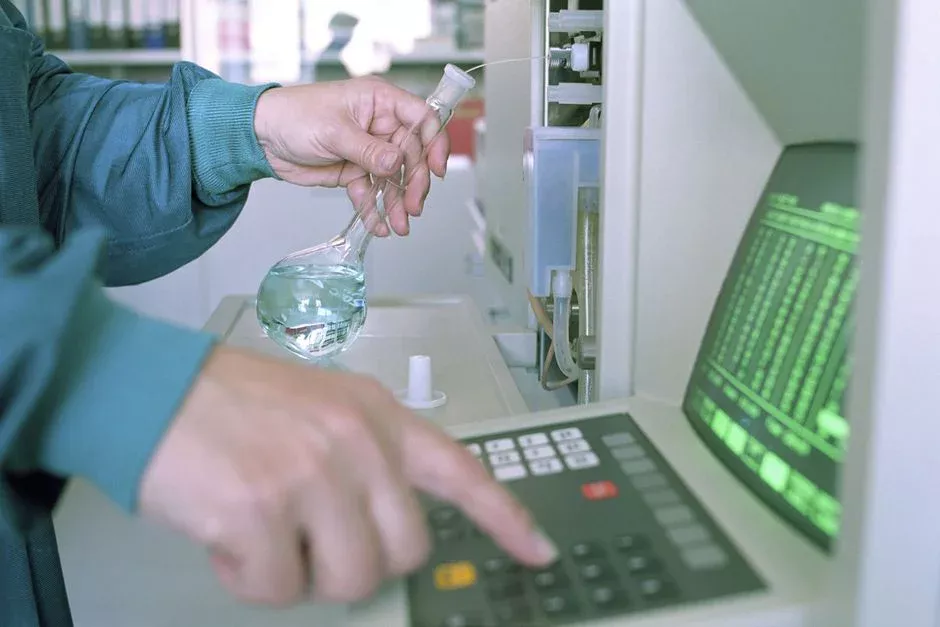
Chemical plants subject to SIC 28 or SIC 20 categorical standards and Springdale's local limits utilize specific unit operations to bridge the regulatory stack to end-of-pipe compliance at the POTW connection.
- Equalization. Variable batch chemistry from reactors, CIP cycles, and tank washes must be homogenized before pH or precipitation chemistry will work. The 20% flow change trigger in Springdale's code is, in practice, a direct consequence of plants that tried to skip or under-size EQ.
- pH correction. An automatic chemical dosing system injects acid or caustic with PLC feedback control, holding the discharge inside the pH 5–11 range typical of categorical standards (tighter local limits apply where the POTW sets them).
- Chemical precipitation for metals. Hydroxide or sulfide precipitation at controlled pH, staged to target the specific metal mix (Cd, Cr, Cu, Ni, Pb, Zn) on the plant's local-limits list.
- Solids separation. A dissolved air flotation (DAF) system handles emulsified oil and fine suspended solids in a single step; a high-efficiency sedimentation tank (lamella clarifier) handles higher-solids streams and acts as a polishing step for precipitated metals.
- Biological or AOP for COD and solvent residuals. Biodegradable fractions go to a biological stage; refractory organics go to advanced oxidation, with selection guidance covered in the AOP system process flow diagram guide.
- Multi-media filtration and discharge. A multi-media filter polishes residual TSS and any breakthrough metals before flow reaches the collection system — this is the physical point that satisfies the end-of-pipe compliance definition in 40 CFR 403.
- Sludge handling. Because Springdale's local limits exist in part to protect POTW sludge management, a dewatering step using a plate and frame filter press is part of the compliance story.
| Unit Operation | Pollutants Targeted | Typical Design Range | Regulatory Function |
|---|---|---|---|
| Equalization basin | Flow & concentration variation | 24–72 hr retention; sized to capture 1.2× peak batch | Prevents 20% flow-change permit triggers; stabilizes downstream chemistry |
| Automatic chemical dosing | pH excursions | pH 5–11 (categorical); tighter per local limit | Meets 40 CFR 403 pH prohibition range |
| Chemical precipitation | Cd, Cr, Cu, Ni, Pb, Zn | pH staged 8.5–10.5 for hydroxide; 7–9 for sulfide | Hits local-limit metal ceilings before solids separation |
| DAF | Emulsified oil, fine TSS | 4–300 m³/h capacity range (per DAF product specs) | Combined O&G and TSS removal in a single stage |
| Lamella clarifier | Metal-bearing sludge, TSS | Typically 2–5 m³/m²·h surface overflow rate | Polishes overflow before biological/AOP |
| Biological or AOP | BOD, COD, solvents, phenols | F/M 0.05–0.3 for activated sludge; AOP per UVT | Closes the COD/soluble organics gap left by physical-chemical treatment |
| Multi-media filter | Residual TSS, trace metals | 5–15 m/h filtration rate; sand + anthracite + garnet | End-of-pipe polishing; final compliance barrier |
| Plate and frame filter press | Generated sludge | 20–40% cake dryness typical | Volume reduction for haul-off; closes sludge-quality loop |
Pollutant-by-Pollutant: How to Clear Springdale's Most Common Local-Limit Parameters
The following table maps the parameters most often found on Springdale-style local-limits tables to the unit operations required to remove them. Plants in SIC 28 and SIC 20 should audit each row against their own discharge characterization data.
| Parameter | Typical Source at a Chemical Plant | Primary Unit Operation | Operational Note |
|---|---|---|---|
| pH | Reactor neutralization, CIP rinses | Automatic chemical dosing with PLC feedback | Setpoint typically held 6.5–9.5 to leave headroom against categorical pH 5–11 |
| TSS / O&G | Batch reactors, petroleum-blend facilities, finished-product tank washes | DAF for combined oil and fine solids; lamella for higher-solids streams | Micro-bubble flotation handles emulsified oil that gravity clarifiers miss |
| Cadmium, Chromium, Copper, Nickel, Lead, Zinc | Catalyst residues, pigments, plating-shop hybrids on the same site | Hydroxide or sulfide precipitation → DAF or lamella → multi-media polish | pH staging matters: amphoteric metals (Zn, Cr³⁺) re-dissolve above their minimum solubility pH |
| COD / refractory organics | Solvent recovery bottoms, intermediates, wash solvents | Biological treatment for biodegradable fraction; UV/H₂O₂ AOP or activated carbon for recalcitrant streams | Confirm biodegradability with BOD₅/COD ratio before sizing the biological stage |
| Cyanide | SIC 28 intermediates, certain catalyst preparation steps | Alkaline chlorination (pH ≥ 10.5) to cyanate, then to CO₂ and N₂ | ORP and pH must be monitored continuously; reaction is two-stage |
| Phenols | Resin manufacture, certain dye and pharmaceutical intermediates | Solvent recovery upstream; AOP downstream for residual | Phenols are biodegradable at moderate concentrations but inhibit biomass above ~500 mg/L |
| Ammonia | Nitrogen-containing chemistries, cleaning solutions | Biological nitrification; breakpoint chlorination as polish | Nitrification is sensitive to temperature and pH — protect the biomass |
Solids pretreatment at the head of the train protects downstream chemistry: a rotary mechanical bar screen removes rags, packaging fragments, and tank-flush debris that would otherwise blind screens in the DAF or lamella stage, and a plate and frame filter press dewaters the combined sludge stream to a 20–40% dry cake for haul-off.
Self-Monitoring, Reporting, and the 20% Flow-Change Trigger in Practice
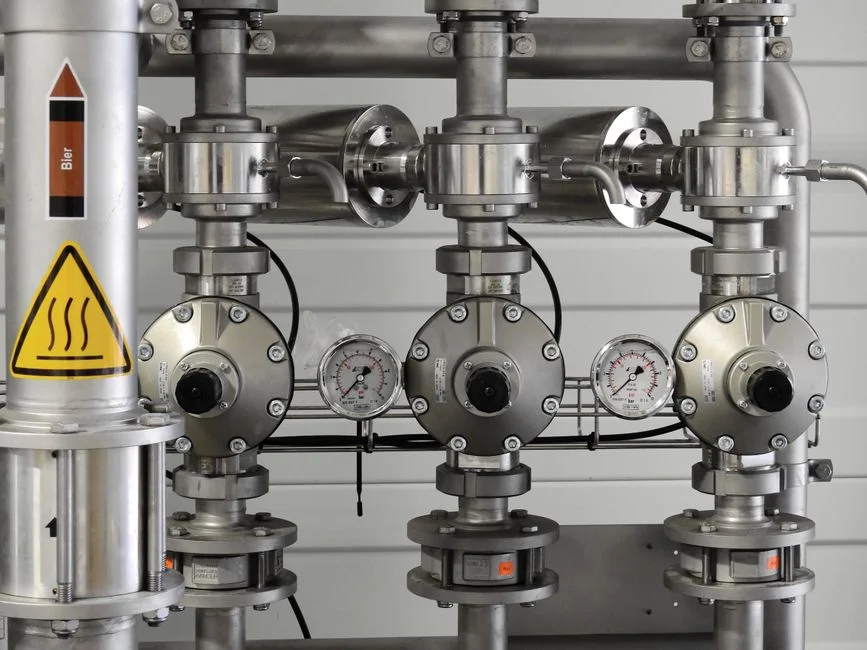
Compliance begins with adhering to the categorical standards within 180 days of the standard's effective date or of a final administrative decision on a category determination (per 40 CFR 403.6, as referenced in Springdale's code). Once the plant is in steady-state under a permit, the operational compliance rhythm has three layers.
Daily. Grab-sample pH and temperature at the end-of-pipe sampling port; in-line pH and flow on the discharge line; visual check of EQ basin level and any oil sheen.
Periodic. 24-hour flow-proportional composite samples for the parameters named in the permit's SAM table — typically TSS, COD, metals, O&G, and ammonia on a monthly or quarterly cadence. The local-limits pollutants of concern drive the schedule.
Event-driven. Springdale's code defines significant changes as flow changes of 20% or greater and previously unreported pollutants (per springdalewaterar.gov). New product SKU, batch size increase, and new raw material introduction each count as a re-notification event. Build these into the plant's change-management procedure so they are flagged before discharge, not after the first exceedance.
Dilution to meet limits is prohibited. The Control Authority may impose mass limits on any user that attempts dilution, and this includes increasing process water use as a substitute for treatment (per springdalewaterar.gov wastewater code). For batch operations with high water reuse potential, this rule prevents water reuse strategies from resulting in a permit violation.
Frequently Asked Questions
What are the 90/180-day deadlines for obtaining a Springdale wastewater discharge permit?
Any non-permitted user that was discharging before the code's effective date and needs a permit must apply within 90 days of that date and must stop unpermitted discharge within 180 days, except under a valid permit issued by the Control Authority. New sources must obtain a permit before discharge begins (per springdalewaterar.gov wastewater code).
What counts as a "significant change" that requires
Frequently Asked Questions
What are Springdale Arkansas's local limits for industrial wastewater?
Springdale Water Utilities enforces local limits based on the headworks analysis of the Springdale Wastewater Treatment Plant to protect biological processes and biosolids quality. Common regulated parameters include a pH range of 5.0 to 11.0 standard units, a maximum temperature of 140 degrees Fahrenheit (60 degrees Celsius), and specific mass-based or concentration-based limits for heavy metals such as cadmium, chromium, copper, lead, mercury, nickel, silver, and zinc.
In addition to metals, chemical plants must adhere to strict limits for Oil and Grease (typically capped at 100 mg/L) and Biochemical Oxygen Demand (BOD) or Total Suspended Solids (TSS) surcharges if discharges exceed concentrations defined by the local sewer use ordinance. Facilities must consult their specific Industrial User Permit for the precise numerical limits applicable to their discharge point.
How long does a chemical plant have to get a wastewater discharge permit from Springdale Water Utilities?
Existing industrial users must submit a permit application at least 90 days prior to any anticipated change in operations or the expiration of an existing permit. For new chemical facilities, an Industrial Wastewater Discharge Permit application must be filed and approved before the commencement of any discharge into the Publicly Owned Treatment Works (POTW).
The review and approval process typically spans 30 to 90 days, depending on the complexity of the pretreatment system and the nature of the chemical processes involved. Failure to obtain a permit prior to discharge constitutes a violation of the city's sewer use ordinance and may result in immediate enforcement action or disconnection from the sewer system.
What counts as a 'significant change' that triggers a permit modification under Springdale's sewer code?
A significant change is defined as any alteration in the volume or character of pollutants in the discharge that deviates from the conditions established in the current permit. This includes the introduction of new process wastewater streams, a 20 percent or greater increase in daily flow, or the addition of new regulated pollutants not previously identified in the baseline monitoring report.
Additionally, any change in the pretreatment technology, such as the installation of new neutralization tanks, clarifiers, or filter presses, requires notification and potential permit modification. Chemical plants are obligated to report these changes at least 90 days before the modification is implemented to ensure the pretreatment system remains compliant with local and federal requirements.
Can a chemical plant use dilution to meet Springdale's pretreatment standards?
No, the use of dilution as a substitute for treatment is strictly prohibited by Springdale Water Utilities and federal pretreatment regulations under 40 CFR 403.6(d). Diluting wastewater with potable water, non-contact cooling water, or other process streams to lower the concentration of regulated pollutants is considered an unauthorized practice.
To comply with pretreatment standards, chemical plants must employ effective source reduction or end-of-pipe treatment technologies, such as chemical precipitation, activated carbon adsorption, or membrane filtration. Any facility found using dilution to circumvent concentration-based limits will be subject to enforcement actions, including fines and potential revocation of the discharge permit.
Which EPA categorical pretreatment standards apply to chemical manufacturers discharging to a POTW?
Chemical manufacturers discharging to a POTW are primarily regulated under 40 CFR Part 414, the Organic Chemicals, Plastics, and Synthetic Fibers (OCPSF) Point Source Category. These standards establish effluent limitations based on the production of specific chemical products, focusing on parameters such as total organic carbon, specific volatile organic compounds, and heavy metals.
Depending on the specific processes used, facilities may also be subject to 40 CFR Part 415 (Inorganic Chemicals Manufacturing) or 40 CFR Part 439 (Pharmaceutical Manufacturing). Compliance requires meeting the mass-based or concentration-based limits specified in the applicable subpart, which are incorporated into the facility's local industrial discharge permit by Springdale Water Utilities.