Why Chonburi Is Thailand's Industrial Wastewater Hub
The Eastern Economic Corridor (EEC) — spanning Chonburi, Rayong, and Chachoengsao — hosts Southeast Asia's densest concentration of Japanese automotive, electronics, and petrochemical factories, with Amata City Chonburi Industrial Estate and Laem Chabang port as the two logistics anchors that any wastewater treatment plant manufacturer in Chonburi must serve. Nippon ALSi (Thailand) Co., Ltd. opened its factory inside Amata City Chonburi in 2011 and remains the dominant Japanese-owned supplier for tier-1 automotive clients, while Chonburi Water Systems (est. 2012) covers 200–2,500 m³/day capacities focused on electronics and PCB recycling (per the San Lan 2025 supplier list).
Influent characteristics vary sharply by industry and drive process selection: automotive parts coating lines typically produce 500–3,000 mg/L COD with high FOG, electronics and PCB lines generate 100–800 mg/L COD with dissolved heavy metals, and seafood and food processors run 1,000–8,000 mg/L COD with high BOD and total suspended solids. For global scale context, U.S. wastewater facilities process approximately 34 billion gallons of wastewater per day according to EPA — a useful benchmark when sizing Chonburi's per-factory load against international norms.
Thailand PCD Effluent Standards Every Chonburi Manufacturer Must Meet
The Pollution Control Department (PCD) sets Thailand's industrial effluent floor under the Ministry of Natural Resources and Environment's ministerial notifications, with the standard industrial envelope at BOD ≤20 mg/L, COD ≤120 mg/L, TSS ≤50 mg/L, total nitrogen ≤20 mg/L, oil and grease ≤5 mg/L, and pH 6–9, plus industry-specific heavy-metal caps. Japanese-owned Chonburi manufacturers (Nippon ALSi) typically default to Japan METI effluent thresholds, which are tighter than PCD for COD and TN — a key reason Japanese OEMs accept premium pricing. Chinese EPCs exporting to Chonburi, when reuse-grade effluent is contracted, generally align with the EU Industrial Emissions Directive 2010/75/EU or WHO drinking water guidelines as a defensible design baseline.
Electronics and PCB plants face the tightest metal limits, with copper capped at ≤2 mg/L, nickel and lead similarly constrained, requiring dedicated precipitation plus ion-exchange trains before biological polishing. Any manufacturer that cannot produce two Thai reference plants demonstrating PCD compliance should be excluded at the RFP stage.
| Parameter | Thai PCD Industrial Limit | Japan METI (typical) | EU IED 2010/75/EU |
|---|---|---|---|
| BOD | ≤20 mg/L | ≤10 mg/L | Site-specific BAT-AEL |
| COD | ≤120 mg/L | ≤60 mg/L | BAT-AEL range |
| TSS | ≤50 mg/L | ≤30 mg/L | BAT-AEL range |
| Total Nitrogen | ≤20 mg/L | ≤10 mg/L | BAT-AEL 10–15 mg/L |
| Copper (electronics) | ≤2 mg/L | ≤1 mg/L | BAT-AEL 0.1–0.5 mg/L |
| pH | 6–9 | 6.5–8.5 | Site-specific |
Core Process Trains Used by Chonburi Wastewater Manufacturers
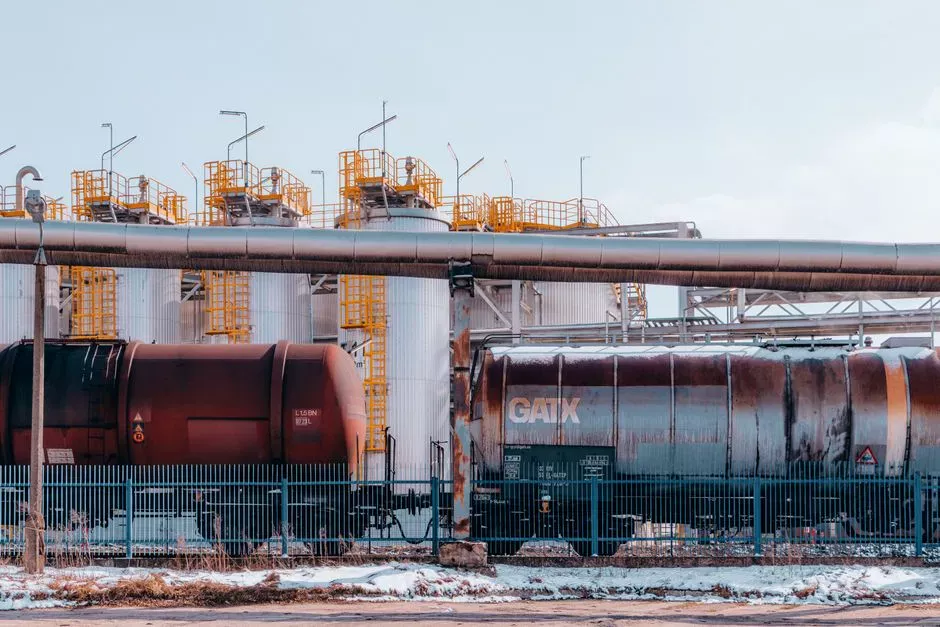
Process train selection determines 60–70% of lifecycle cost, requiring a Chonburi ETP manufacturer to match the train to the influent. The most common building blocks: a DAF pre-treatment system sized 4–300 m³/h for FOG and suspended solids removal ahead of the biological step; an MBR membrane bioreactor system rated 10–2,000 m³/day with PVDF submerged membranes at <1 μm filtration delivering roughly 60% footprint savings over conventional activated sludge — the right pick for tight Amata or Laem Chabang sites; SBR sequencing batch reactors for 50–500 m³/day applications where CAPEX matters more than footprint, though they require 20–30% larger civil works and stronger operator skill; and ZLD polishing trains built around RO at 95% recovery for semiconductor, food, or battery-recycling reuse loops. Sludge handling closes the line — a plate and frame sludge dewatering press sized 1–500 m² drops cake volume to 20–25% dry solids before off-site disposal.
| Process Train | Capacity Range | Footprint vs CAS | Best-Fit Industry in Chonburi | Typical Effluent (mg/L) |
|---|---|---|---|---|
| DAF pre-treatment | 4–300 m³/h | Pre-stage only | Automotive coating, food, seafood | TSS <30, O&G <5 |
| MBR (PVDF submerged) | 10–2,000 m³/day | ~40% of CAS | Electronics, automotive, hospital | BOD <5, TSS <1, TN <10 |
| SBR | 50–500 m³/day | ~120% of CAS | Food, light industrial, MBR retrofit | BOD <20, TSS <20 |
| RO/ZLD polishing | Site-specific | Add-on | Semiconductor, battery recycling | TDS <50, conductivity <100 μS/cm |
| Plate & frame press | 1–500 m² | Sludge line | All industries | Cake 20–25% DS |
Manufacturer Archetypes Operating in or Supplying Chonburi
Chonburi's wastewater supply market consists of four distinct archetypes that dictate negotiation and procurement strategies. Archetype 1 is the Japanese-owned Chonburi manufacturer (Nippon ALSi), offering in-house chemicals, design, O&M, and lab jar testing — premium-priced but OEM-channel friendly. Archetype 2 is the local Thai fabricator (Chonburi Water Systems, Bangkok Eco Solutions) covering 100–5,000 m³/day with fast response and good non-hazardous industrial work, but typically thin on advanced membranes and reuse-grade ZLD. Archetype 3 is the Chinese export EPC (Hangzhou- or Shandong-based suppliers shipping via Laem Chabang port in 7–10 days), with deeper MBR and ZLD engineering and tighter 2026 CAPEX — but requires the buyer to manage Thai import duty and PCD permitting. Archetype 4 covers Indian and regional system integrators, cost-competitive on DAF and lamella equipment but limited Thailand-based service coverage.
| Archetype | Representative Players | Strengths | Weaknesses | Indicative CAPEX (USD/m³/day) |
|---|---|---|---|---|
| Japanese-owned local | Nippon ALSi (Amata, est. 2011) | In-house chemicals, lab, METI compliance, OEM channel | Premium price, OEM-channel-only | 600–1,200 |
| Local Thai fabricator | Chonburi Water Systems, Bangkok Eco Solutions | Fast response, 100–5,000 m³/day range, local service | Limited ZLD, thin membrane depth | 300–700 |
| Chinese export EPC | Hangzhou/Shandong EPCs (MBR + ZLD depth) | Competitive 2026 CAPEX, 7–10 day Laem Chabang transit, MBR/ZLD depth | Buyer manages PCD permit, import duty 7–10% | 180–650 |
| Indian/regional SI | Kelvin-style integrators | Low DAF/lamella CAPEX | No Thailand-based service | 200–500 |
2026 Cost Benchmarks for a Chonburi Wastewater Plant
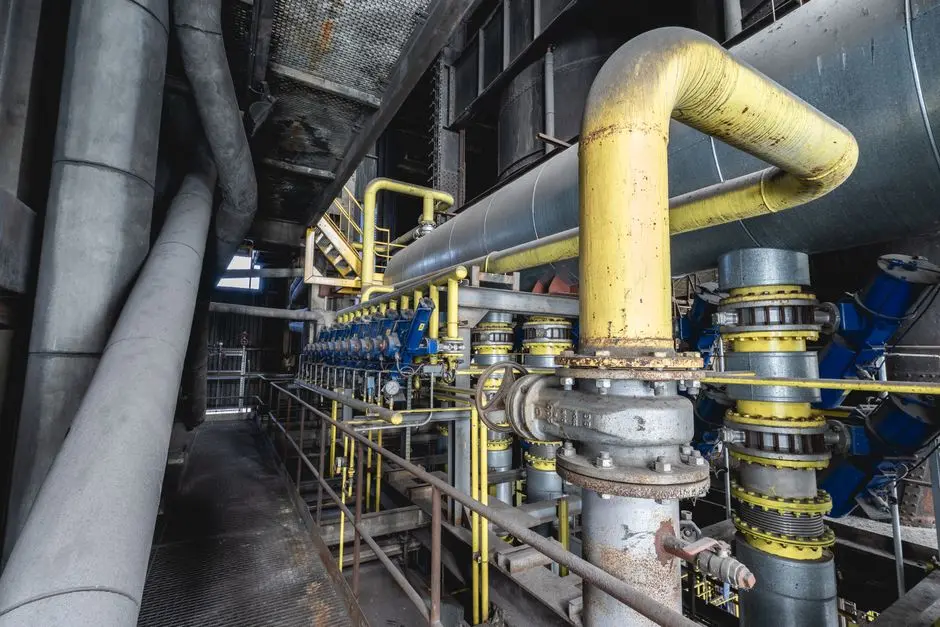
2026 CAPEX for a Chonburi industrial ETP ranges from USD 180–650 per m³/day for an MBR package at typical 200 m³/day scale, USD 1,200–2,800 per m³/day for a ZLD/RO reuse loop, and USD 180–420 per m³/day for a conventional SBR + clarifier train. Containerized MBR packages land at USD 280–650 per m³/day, with sub-100 m³/day fully automated units at the premium end of the range. OPEX splits consistently across SBR 2026 industry data: energy 45–60% (aeration dominates), sludge handling 15–25%, labor 10–15%, and chemicals 5–10% — useful when comparing supplier OPEX quotes that often bundle these differently. Add 12–18% for Thai import duty, PCD permitting, and on-site commissioning when sourcing containerized plants from China.
| System Type | 2026 CAPEX (USD/m³/day) | Footprint Note | Best Fit |
|---|---|---|---|
| Containerized MBR (200 m³/day) | 280–650 | ~40% of CAS | Electronics, automotive tier-1 |
| SBR + clarifier (200 m³/day) | 180–420 | ~120% of CAS | Food, light industrial |
| ZLD with RO (reuse-grade) | 1,200–2,800 | Add-on to biological | Semiconductor, battery recycling |
| Conventional activated sludge | 150–350 | Baseline | Municipal, low-spec industrial |
Procurement Checklist: How to Score a Chonburi Manufacturer
Procurement leads should score every Chonburi shortlist candidate against this 10-point checklist before issuing the PO. First, verify PCD effluent compliance documentation — generic ISO 9001 is not sufficient; ask for two Thai reference plants in the same industry with operating data from the last 24 months. Second, confirm in-house or partner chemical supply, since automatic chemical dosing system integration determines long-term OPEX stability. Third, check Laem Chabang port logistics: 7–10 day transit from China versus 3–5 days from an Amata-based manufacturer, with containerized skid dimensions fitting a 40 HC container. Fourth, score after-sales on 24/7 Thai-language support, Sriracha or Bangkok spare-parts inventory, and remote SCADA monitoring. Fifth, validate membrane and electrical component brands (PVDF, Grundfos, Siemens, Schneider) — a frequent differentiator between local Thai fabricators and Chinese EPCs.
Sixth, require a 12-month performance warranty tied to PCD parameter guarantees, not just equipment warranty. Seventh, demand a pilot or jar-test report on the actual influent — not generic design data. Eighth, check the manufacturer's rotary mechanical bar screen and pre-treatment integration experience, since 60% of biological-stage failures trace back to inadequate screening. Ninth, request lifecycle OPEX modeling, not just CAPEX quotes. Tenth, verify the manufacturer's own Chinese or Thai export references for projects of similar scale and influent type.
Frequently Asked Questions