Why Santiago Industrial Buyers Need a Specialized WWTP Manufacturer in 2026
Santiago's metropolitan region of roughly 7.1 million inhabitants drains into the Maipo and Mapocho basins — receiving waters that supply irrigation for the Central Valley and drinking water for downstream utilities, which is why Chile's Superintendencia del Medio Ambiente (SMA) enforces effluent quality more strictly here than in many equivalent Latin American jurisdictions (2025 SMA enforcement summary). The binding framework is DS 90/2000 from the Superintendencia de Servicios Sanitarios, which sets discharge limits of BOD ≤35 mg/L, TSS ≤80 mg/L, pH 6.0–8.5, and oil & grease ≤20 mg/L, complemented by NCh 1333 for receiving-water quality. Between 2023 and 2025, SMA sanctioning frequency climbed roughly 35% in the mining and salmon processing sectors, and 2026 enforcement is expected to maintain that trajectory (SMA, 2025). Generic supplier pages rank for "wastewater treatment plant manufacturer" globally but ignore this regional reality, so a Santiago industrial buyer evaluating 2026 capex needs a vendor-neutral decision framework mapped to NCh 1333, DS 90, and the country's specific industrial influent profiles — mining, salmon, winery, agro, and municipal — rather than a generic product catalog.
Santiago Industrial Influent Profiles and the Treatment Trains They Require
Process selection in central Chile starts with the influent, not the equipment catalog. The four dominant industrial loads in the Santiago Metropolitan Region (RM) and surrounding regions each map to a different train. Salmon processing wastewater in the Los Lagos region typically runs BOD 8,000–15,000 mg/L with FOG concentrations of 800–2,500 mg/L, which dictates a dissolved air flotation system for FOG and suspended solids removal upstream of anaerobic digestion (UASB or EGSB) and a downstream MBR membrane bioreactor system for polishing. Wineries in the O'Higgins and Maule regions generate seasonal wastewater from August through April with COD 5,000–20,000 mg/L and extreme diurnal peaks; equalization followed by anaerobic + MBR is the established configuration. Copper mining runoff in regions II–IV typically arrives at pH 2–4 with dissolved Cu, Mo, and As — chemical precipitation, a lamella clarifier at 20–40 m/h surface loading rate, and RO polishing are the standard sequence. Food and dairy processors in the RM region generally see BOD 1,500–4,000 mg/L with meaningful nitrogen and phosphorus, suited to A2O or SBR trains. For new residential developments in the Maipo valley, underground integrated packaged units in the 1–80 m³/h range cover the municipal utility segment.
| Industry | Typical Influent (BOD/COD) | Key Contaminants | Recommended Process Train |
|---|---|---|---|
| Salmon processing | BOD 8,000–15,000 mg/L | FOG 800–2,500 mg/L, TSS high | DAF → UASB/EGSB → MBR |
| Winery (seasonal) | COD 5,000–20,000 mg/L | High variability, low N/P | Equalization → Anaerobic → MBR |
| Copper mining runoff | COD 200–1,500 mg/L | Cu, Mo, As; pH 2–4 | Chemical precipitation → Lamella → RO |
| Food / dairy (RM) | BOD 1,500–4,000 mg/L | N, P, moderate FOG | DAF → A2O or SBR |
| Municipal (Maipo valley) | BOD 200–350 mg/L | Standard domestic | Packaged underground integrated unit |
Process Selection: From DAF Pre-Treatment to MBR Polishing
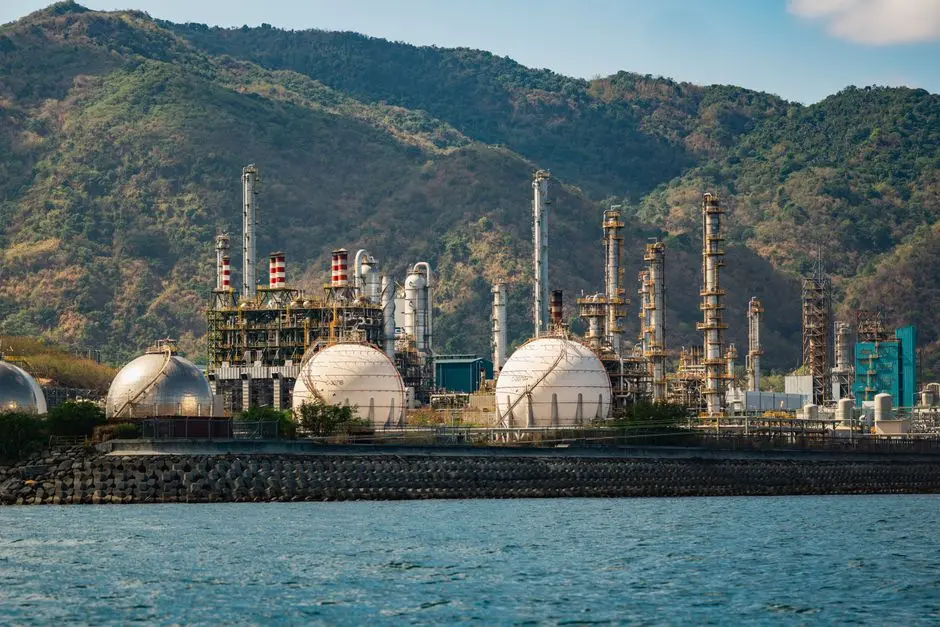
Every defensible proposal a Santiago buyer receives should be validated against a standard train architecture. Headworks starts with a rotary mechanical bar screen rated to handle the solids and rag load typical of Chilean industrial sites, protecting downstream pumps and membranes. Primary clarification via a high-rate lamella clarifier at 20–40 m/h surface loading reduces coagulant demand by approximately 30% compared with conventional settling — a meaningful number for mining sites with high reagent cost. The biological stage is where most of the capex decision lives: A/O and A2O are mature, lower-cost options for BOD removal with biological nutrient removal; SBR offers batch flexibility in a single tank; MBR delivers effluent below 1 μm with roughly 60% smaller footprint than CAS, which directly offsets Santiago's high land cost (HydropureWater field data, 2026). Sludge handling should be specified with a plate and frame filter press sized to the dryness target — Chilean mining and salmon clients typically target 22–28% DS for off-site disposal economics. Disinfection in aquaculture and hospital effluent lines is commonly specified with a chlorine dioxide generator in the 50 g/h to 20,000 g/h capacity band. For the membrane module itself, the MBR flat sheet membrane module is the standard polishing step.
| Stage | Equipment | Design Parameter | Why It Matters |
|---|---|---|---|
| Headworks | Rotary bar screen (GX) | Bar spacing 3–10 mm | Protects downstream equipment from rags/solids |
| Primary | Lamella clarifier | 20–40 m/h surface loading | ~30% reduction in coagulant demand |
| Biological | MBR (DF module) | <1 μm effluent, 60% footprint savings | Offsets Santiago land cost |
| Sludge | Plate and frame filter press | 22–28% DS cake | Minimizes disposal tonnage |
| Disinfection | ClO₂ generator | 50 g/h–20,000 g/h | Aquaculture and hospital compliance |
2026 CAPEX and OPEX Ranges for Packaged WWTPs in Chile
For 2026 Chilean capex planning, packaged WWTP budgets cluster in three capacity tiers. Below 100 m³/day, containerized or skid-mounted systems run USD 350–800 per m³/day of treatment capacity; from 100–1,000 m³/day, MBR-equipped packaged plants land in the USD 250–600 per m³/day band; above 1,000 m³/day, conventional activated sludge returns to USD 150–400 per m³/day (HydropureWater field data, 2026; cross-checked against the municipal sewage treatment guide for the engineering baseline). Add-on pricing: DAF pre-treatment adds USD 80–150 per m³/day; a lamella clarifier adds USD 40–90 per m³/day; MBR modules and skid assembly typically add 25–40% to the base biological tank cost. OPEX is dominated by energy at 45–60% of total annual opex and sludge handling at 15–25%, with the balance split between chemicals, labor, and membrane replacement (per SBR operating cost in 2026 data). For remote mining or agro sites in regions VI–X, containerized / decentralized WWTPs cut civil works cost 30–50% — a relevant option under Antofagasta and Atacama deployment economics covered in the decentralized wastewater treatment trends 2026 reference.
| Capacity Tier | Configuration | 2026 CAPEX (USD/m³/day) | Typical Client |
|---|---|---|---|
| < 100 m³/day | Containerized / skid | 350–800 | Remote mining camp, small agro |
| 100–1,000 m³/day | MBR packaged plant | 250–600 | Salmon processor, mid-size winery |
| > 1,000 m³/day | Conventional activated sludge | 150–400 | Municipal utility, large dairy |
| Add-on: DAF | Pre-treatment | +80–150 | High FOG / TSS |
| Add-on: Lamella | Primary clarification | +40–90 | Mining, chemical sites |
Supplier Evaluation Framework: 7 Criteria for Selecting a WWTP Manufacturer in Santiago
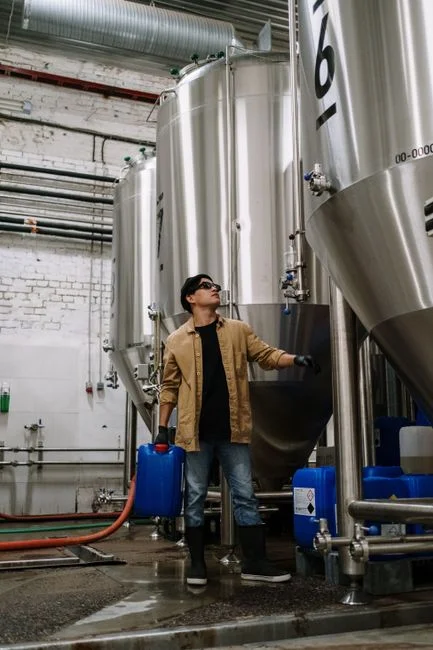
A defensible shortlist for a Santiago 2026 capex project applies the same seven-criterion matrix to every candidate. First, documented Chilean or LATAM reference projects in the same industry vertical — at least two operating sites in salmon, mining, winery, or municipal segments within the last 36 months. Second, engineering capacity to size to NCh 1333 and DS 90 with written hydraulic and biological performance guarantees, including a process guarantee that ties BOD ≤35 mg/L and TSS ≤80 mg/L to operating cost assumptions. Third, in-house manufacturing — not a trading company — with ISO 9001 minimum certification and willingness to host a factory audit. Fourth, process range under one roof covering DAF, MBR, SBR, ZLD, and sludge dewatering, which prevents interface liability between vendors. Fifth, containerized or skid-mounted options for fast Santiago-region installation without long civil works schedules. Sixth, local commissioning support, including Spanish-speaking engineers and Santiago-based spare parts inventory — a direct mitigation of the shipping-distance risk. Seventh, post-installation O&M support with remote SCADA monitoring and defined response times. Scoring each criterion 1–5 and weighting the first three at 2× and the remaining four at 1× produces a defensible 50-point ranking that procurement can defend in an internal review.
| # | Criterion | Weight | Score (1–5) | Weighted |
|---|---|---|---|---|
| 1 | Chilean / LATAM reference projects | 2× | — | ×2 |
| 2 | Engineering capacity to NCh 1333 / DS 90 | 2× | — | ×2 |
| 3 | In-house manufacturing + ISO 9001 | 2× | — | ×2 |
| 4 | Full process range under one roof | 1× | — | ×1 |
| 5 | Containerized / skid options | 1× | — | ×1 |
| 6 | Local commissioning + parts | 1× | — | ×1 |
| 7 | Post-installation O&M + SCADA | 1× | — | ×1 |
| Total | /50 |
HydropureWater: A B2B Manufacturer Serving Santiago Projects
HydropureWater is a Hangzhou-based engineering and manufacturing group that ships packaged WWTP equipment globally, including into Chile, Peru, Mexico, and Indonesia for mining and food-sector projects. Its in-house product line covers the DAF, MBR, lamella clarifier, rotary bar screen, plate and frame filter press, and chlorine dioxide generator units referenced in the process train above, all fabricated under one quality system. For Santiago-region buyers, the relevant logistics question is shipment, Spanish-language documentation, and remote + on-site commissioning, all of which the manufacturer provides as part of its standard export package. International buyers frequently source skid-mounted units from Chinese OEMs like HydropureWater to combine manufactured cost efficiency with engineering customization to local discharge standards, an approach consistent with the containerized deployment economics outlined in the decentralized wastewater treatment trends 2026 reference.
2026 Trends Shaping WWTP Procurement in Chile
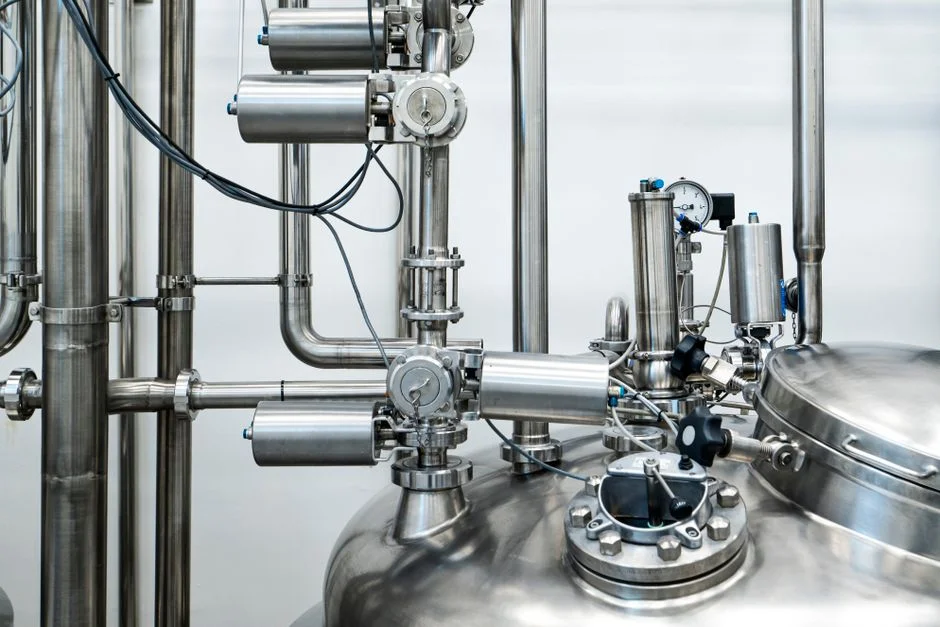
Three procurement-relevant trends will define the next 12–24 months for Santiago industrial buyers. First, decentralized and containerized WWTPs are accelerating in mining camps across Antofagasta and Atacama, where capex timing and water-reuse economics both favor skid-mounted MBR overbuilt-out civil infrastructure. Second, MBR adoption is rising sharply in salmon processing in the Los Lagos region, driven by water-reuse pressure from the SMA and from salmon buyers' sustainability commitments — effluent reuse for plant washdown is now technically standard. Third, PFAS and emerging contaminants are entering the Chilean regulatory discussion, with the PFAS removal technology 2026 outlook flagging RO polishing and advanced oxidation as the likely 2027–2028 retrofit layer. On the operations side, digitalization is now table-stakes in new Santiago builds: online nutrient analyzers, remote SCADA, and AI-driven aeration control are being specified as standard rather than optional, and any 2026 supplier proposal without a digital layer should be downweighted in scoring.
Frequently Asked Questions
Q1: What is the cost of a packaged WWTP in Chile in 2026?
Packaged WWTP capex in 2026 runs USD 350–800 per m³/day below 100 m³/day capacity, USD 250–600 per m³/day in the 100–1,000 m³/day MBR band, and USD 150–400 per m³/day for conventional activated sludge above 1,000 m³/day, with DAF and lamella add-ons priced separately.
Q2: Which Chilean standard governs industrial effluent?
DS 90/2000 from the Superintendencia de Servicios Sanitarios sets industrial discharge limits at BOD ≤35 mg/L, TSS ≤80 mg/L, pH 6.0–8.5, and oil & grease ≤20 mg/L; NCh 1333 governs receiving-water quality and is used as the design basis for effluent assimilation capacity.
Q3: Can a Chinese WWTP manufacturer supply and commission in Santiago?
Yes — established export manufacturers ship containerized or skid-mounted systems with Spanish documentation, remote engineering support, and on-site commissioning crews, which is the standard procurement model for cost-sensitive mining and food-sector projects in Chile.
Q4: MBR vs SBR for a 500 m³/day industrial plant?
Choose MBR when water reuse, footprint reduction (roughly 60% versus CAS), or low TSS / TN discharge targets drive the design; choose SBR for lower capex where land is available, the influent is moderate strength, and reuse is not required (see SBR operating cost in 2026).
Q5: What pre-treatment is needed for salmon processing wastewater in Chile?
A dissolved air flotation system for FOG removal, flow equalization for peak management, then anaerobic treatment (UASB or EGSB) for high-COD load reduction, followed by an MBR membrane bioreactor system for polishing to DS 90 limits.