Why Faisalabad’s Wastewater Crisis Demands Better Sewage Treatment Equipment
Faisalabad’s textile and food processing industries generate approximately 120,000 m³ of high-BOD effluent daily, a volume that frequently exceeds the National Environmental Quality Standards (NEQS) and triggers regulatory penalties of up to PKR 500,000 per month. According to Punjab EPA 2023 data, the organic load from the city’s industrial clusters often reaches BOD levels of 800–1,200 mg/L, far exceeding the legal discharge limit of <80 mg/L. This regulatory pressure is compounded by the fact that Faisalabad’s Eastern Wastewater Treatment Plant (WWTP), with a capacity of 44 MGD, serves only 30% of the city’s 3.2 million residents, as noted by WASA Faisalabad. Consequently, industrial zones and new municipal developments are increasingly reliant on on-site sewage treatment equipment to ensure compliance and operational continuity.
The public health implications of untreated effluent are severe. World Health Organization (WHO) data indicates that 53,000 Pakistani children under the age of five die annually from diarrheal diseases linked to poor sanitation and contaminated water. This humanitarian crisis has led to stricter enforcement of the Pakistan Environmental Protection Act 1997, forcing procurement managers to move beyond low-cost, inefficient "settling tanks" toward high-performance engineering solutions. For example, a denim factory in Faisalabad’s industrial area faced PKR 2.4M in cumulative fines in 2023 due to excessive TSS limits. After upgrading to a DAF system for high-FOG textile and food processing effluent in Faisalabad, the facility achieved 95% TSS removal and reached full NEQS compliance within 90 days.
For municipal planners and plant engineers, the challenge is not just treatment, but the optimization of CAPEX and OPEX. With energy costs rising, equipment must deliver high removal rates with minimal power consumption. Buyers must also see how Faisalabad’s compliance standards compare to Peshawar’s industrial wastewater regulations to understand the national shift toward stricter environmental oversight. Selecting the right equipment requires a deep understanding of treatment stages, from mechanical screening to advanced membrane filtration.
Sewage Treatment Equipment Stages: Engineering Specs and Performance Benchmarks
Mechanical pre-treatment using rotary bar screens achieves 85–95% removal of large-scale debris, protecting downstream biological processes from mechanical failure and excessive wear. In Faisalabad’s textile sector, where lint and fabric scraps are common, high-efficiency rotary mechanical bar screens are essential to prevent pump clogging. Grit chambers further reduce abrasion on downstream components by removing sand and inorganic solids, which is critical for municipal projects where stormwater often mixes with sewage.
Primary sedimentation is the next critical stage, where high-efficiency sedimentation tanks or lamella clarifiers are utilized. These systems achieve 50–70% TSS removal at surface loading rates of 20–40 m/h. By using inclined plates, these clarifiers reduce the required footprint by up to 70% compared to conventional circular settling tanks, making them ideal for space-constrained factories in Faisalabad. This efficiency reduces the organic load on the biological stage, lowering overall energy consumption.
Biological treatment remains the core of any sewage plant. Modern MBR systems for water reuse and zero-liquid-discharge projects in Faisalabad deliver 99% TSS removal and BOD levels <10 mg/L. While MBR energy consumption (0.8–1.2 kWh/m³) is higher than conventional activated sludge (0.4–0.6 kWh/m³), it eliminates the need for secondary clarifiers and provides effluent of high enough quality for cooling tower make-up or irrigation. For sludge management, plate and frame filter presses dewater sludge to 30–40% dry solids, which can reduce sludge disposal volumes and associated costs by 40% (HydropureWater field data, 2025).
Final disinfection ensures pathogen kill rates of 99.9%. Utilizing a chlorine dioxide generator at a dosage of 2–5 mg/L ensures compliance with WHO guidelines for wastewater reuse. This is particularly valuable for Faisalabad industries looking to hedge against water scarcity by recycling treated effluent for non-process applications.
| Treatment Stage | Equipment Type | Removal Efficiency (TSS/BOD) | Energy Use (kWh/m³) | Key Specification |
|---|---|---|---|---|
| Mechanical Pre-treatment | Rotary Bar Screen | 85-95% (Debris) | 0.05-0.1 | 1-5mm Screen Gap |
| Primary Clarification | Lamella Clarifier | 50-70% TSS | 0.1-0.2 | Surface Load: 20-40 m/h |
| Biological (High-End) | MBR System | 99% TSS / 95% BOD | 0.8-1.2 | Membrane Pore: 0.03-0.4 μm |
| Biological (Standard) | Integrated WSZ | 80-90% TSS / 85% BOD | 0.4-0.7 | A/O Process Flow |
| Sludge Dewatering | Filter Press | 30-40% Dry Solids | 1.5-2.5 (Batch) | Pressure: 0.6-1.0 MPa |
Top 3 Sewage Treatment System Types for Faisalabad: Head-to-Head Comparison
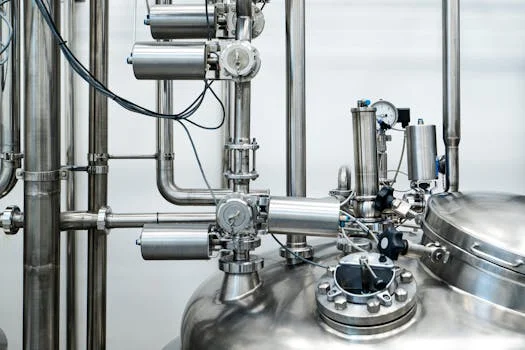
Membrane Bioreactor (MBR) systems currently represent the highest tier of effluent quality in Faisalabad, achieving 99% Total Suspended Solids (TSS) removal and Biological Oxygen Demand (BOD) levels below 10 mg/L. These systems are the preferred choice for hospitals, food processing plants, and any facility targeting zero-liquid-discharge (ZLD). While the CAPEX is high—ranging from PKR 80M to 120M for a 500 m³/day plant—the ability to reuse water provides a significant long-term ROI. Engineers should note that membrane replacement is required every 5–7 years, which must be factored into the 10-year lifecycle cost.
Dissolved Air Flotation (DAF) systems are specifically engineered for high-FOG (Fats, Oils, and Grease) or high-TSS industrial effluent. In Faisalabad’s textile and slaughterhouse industries, DAF units are indispensable for pre-treatment, removing 92–97% of FOG and 85–95% of suspended solids. With a CAPEX of PKR 15M–40M for a 500 m³/day capacity, they are more affordable than MBR but require ongoing chemical costs (coagulants and flocculants) ranging from PKR 200–300/m³ of treated water.
For residential communities and hotels, underground sewage treatment plants for space-constrained sites in Faisalabad offer a "fit-and-forget" solution. These WSZ series plants combine anaerobic/oxic (A/O) biological stages with sedimentation and disinfection in a single buried tank. This avoids the aesthetic and odor issues associated with open-air plants. While CAPEX is moderate (PKR 40M–70M for 500 m³/day), they require minimal operator intervention, making them ideal for non-industrial applications.
| Feature | MBR (Membrane Bioreactor) | DAF (Dissolved Air Flotation) | WSZ (Integrated Underground) |
|---|---|---|---|
| Best For | Water Reuse / ZLD | Textile / Food (High FOG) | Residential / Hospitals |
| Effluent Quality | Superior (BOD <10 mg/L) | Good (Pre-treatment focus) | Standard (NEQS Compliant) |
| Footprint | Small | Medium | Very Small (Underground) |
| CAPEX (500 m³/d) | PKR 80M – 120M | PKR 15M – 40M | PKR 40M – 70M |
| OPEX Priority | Membrane & Energy | Chemicals & Sludge | Low Maintenance |
Decision Framework: If your goal is process water reuse, select MBR. If your influent contains high levels of oils or textile dyes, prioritize DAF for pre-treatment. If you are developing a housing society with limited surface area, the WSZ series is the optimal choice. To scale these solutions effectively, learn how modular sewage treatment systems can scale with Faisalabad’s industrial growth.
Faisalabad Sewage Treatment Equipment Costs 2025: CAPEX, OPEX, and ROI Breakdown
The 2025 CAPEX for a 500 m³/day sewage treatment plant in Faisalabad ranges from PKR 60M to PKR 120M, depending on the technology selected and the complexity of the influent. Smaller systems (50 m³/day) typically cost between PKR 15M and 25M, while large-scale municipal or industrial cluster plants (2,000 m³/day) can exceed PKR 350M. These figures include equipment procurement, basic instrumentation, and installation. However, buyers must also account for civil works, which typically add 20–30% to the total project cost.
OPEX is dominated by energy consumption, accounting for 40–60% of annual running costs. In Faisalabad, where industrial electricity rates are volatile, the efficiency of blowers and pumps is paramount. For an MBR system treating 500 m³/day, energy costs can reach PKR 1.5M per year based on 1.2 kWh/m³ at PKR 18/kWh. Chemicals for pH adjustment and flocculation represent another 20–30% of OPEX, particularly for DAF systems. Maintenance and labor typically comprise the remaining 10–20%.
The Return on Investment (ROI) is driven by three factors: compliance, water savings, and sludge reduction. Avoiding a PKR 500,000 monthly fine provides a direct payback of PKR 6M annually. MBR systems that allow for water reuse save approximately PKR 50/m³ compared to purchasing freshwater, which for a 500 m³/day plant equates to PKR 9M in annual savings. For a detailed comparison of financial models, compare containerized vs permanent sewage treatment plants for Faisalabad projects to determine which fits your budget cycle.
| Capacity (m³/day) | Estimated CAPEX (PKR) | Estimated Annual OPEX (PKR) | Primary Cost Driver |
|---|---|---|---|
| 50 | 15M – 25M | 400K – 700K | Maintenance/Labor |
| 500 | 60M – 120M | 1.2M – 2.0M | Energy/Membranes |
| 2,000 | 200M – 350M | 4.5M – 7.0M | Energy/Chemicals |
How to Select a Sewage Treatment Equipment Supplier in Faisalabad: Zero-Risk Framework
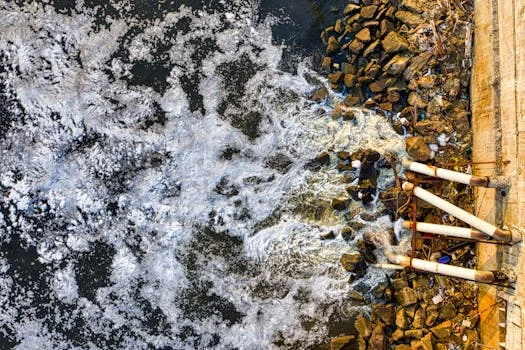
Establishing a baseline for influent characteristics, including BOD, TSS, and FOG concentrations, is the mandatory first step in a zero-risk procurement framework for Faisalabad’s industrial sector. Without accurate lab data, equipment is often under-specified, leading to rapid fouling or compliance failure. Buyers should demand a comprehensive water analysis report before requesting quotes. If the influent is complex, such as textile dyeing wastewater, insist on a 30-day pilot test using a 1–2 m³/day unit. This typically costs PKR 500K–1M but prevents multi-million PKR mistakes by proving the technology under real-world conditions.
Step two involves a rigorous comparison of technical specifications and warranties. A reputable supplier should offer a minimum 2-year warranty on mechanical parts and a 5-year pro-rated warranty on membranes. Verify that the supplier has a local service team in Faisalabad or nearby Lahore to ensure 24-hour response times for critical failures. Performance guarantees should be written into the contract; for instance, "The MBR system shall consistently achieve <10 mg/L BOD, or the supplier shall be liable for 20% of the CAPEX as a performance penalty."
Finally, verify compliance certifications and references. Look for ISO 9001 certification and Pakistan EPA approvals. Ask for at least three case studies of similar installations within Faisalabad or the wider Punjab region. Red flags include suppliers who refuse pilot testing, those who cannot provide a detailed mass balance for their system, or those who offer significantly lower prices without explaining how they reduced energy or chemical requirements. A zero-risk decision is built on data, local support, and verifiable performance history.
- Define Influent/Effluent Targets: Use lab data to set BOD/TSS/FOG goals based on NEQS.
- Request Pilot Testing: Validate the process for 30 days before full CAPEX commitment.
- Audit Technical Specs: Compare energy (kWh/m³) and chemical consumption rates.
- Negotiate Guarantees: Link final payments to successful NEQS compliance testing.
- Verify Local Support: Ensure spare parts and technicians are available in Faisalabad.
Frequently Asked Questions
Q: What are the NEQS discharge limits for industrial wastewater in Faisalabad?
A: Pakistan’s National Environmental Quality Standards (NEQS) require BOD <80 mg/L, TSS <100 mg/L, and pH 6–9 for industrial discharge into inland waters. Non-compliance risks fines up to PKR 500,000 per month under the Pakistan Environmental Protection Act 1997.
Q: How much does a 500 m³/day MBR system cost in Faisalabad?
A: The CAPEX for a 500 m³/day MBR system ranges from PKR 80M to 120M in 2025. This includes the membrane modules, aeration systems, and control panels. OPEX is estimated at PKR 1.2M–1.8M per year, primarily driven by energy and periodic membrane cleaning.
Q: Can sewage treatment equipment be installed underground in Faisalabad?
A: Yes, integrated underground systems (WSZ series) are highly effective for space-constrained sites like hotels or housing schemes. However, they require soil permeability and groundwater level testing to ensure structural integrity and prevent contamination. CAPEX is typically 20–30% higher than equivalent above-ground systems due to excavation and reinforced tanking.
Q: What’s the difference between DAF and MBR for textile wastewater?
A: DAF is a physical/chemical process ideal for removing 92–97% of oils, grease, and large suspended solids (pre-treatment). MBR is a biological/membrane process that removes dissolved organics and pathogens to achieve <10 mg/L BOD (tertiary treatment for reuse). Most textile plants require DAF followed by a biological stage for full compliance.
Q: How long does it take to install a sewage treatment plant in Faisalabad?
A: Containerized or modular systems can be installed in 4–6 weeks. Permanent plants involving significant civil works typically take 3–6 months. Pilot testing, if required, adds an additional 30 days to the pre-construction phase.
Related Equipment
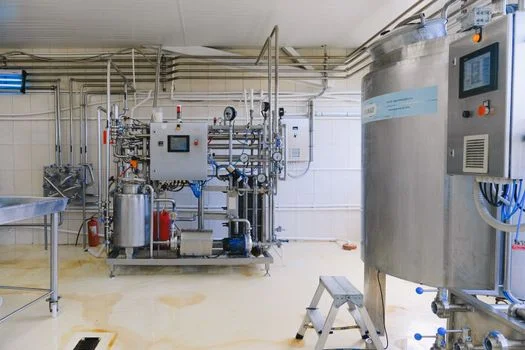
The following HydropureWater products are engineered for the wastewater challenges discussed above:
- DAF systems for high-FOG textile and food processing effluent in Faisalabad — view specifications, capacity range, and technical data
Need a customized solution? Request a free quote with your specific flow rate and pollutant parameters.