Choose by the dominant wastewater fraction
For mining and metals wastewater in Blytheville, choose dissolved air flotation when the stream contains fine, slow-settling solids, metal-hydroxide floc, colloids, or emulsified oils; choose a lamella clarifier when dense, rapidly settling mineral solids dominate. A clarifier followed by DAF is often strongest for combined streams because DAF is not suited to lifting heavy silt and clay. In 2026, selection should follow 24-hour composite testing, particle density, oil content, flow variation, available footprint, retrofit geometry, sludge handling, and current discharge requirements—not a generic unit-price comparison.
Mining and metals wastewater can combine several fractions that respond differently to flotation and gravity sedimentation: dense mineral fines, colloidal clays, oils and greases, residual flotation reagents, and precipitated or dissolved heavy metals. Wastewater Digest reported in April 2026 that dissolved air flotation has documented application in mining for suspended solids, minerals, metals, and hydrocarbons. That broad fit does not make DAF suitable for every stream.
Before choosing an equipment family, request a 24-hour composite influent TSS result, oil and grease by analytical method, pH range, dominant-solids specific gravity, hourly flow variation, and existing basin dimensions for a retrofit. These are the minimum inputs for distinguishing a buoyant or slow-settling load from a dense, rapidly settling mineral load. See the 2026 DAF versus clarifier guide for mining wastewater for the same stream-characterization approach.
Do not infer performance from one grab sample. Seasonal solids, pH, reagent carryover, and flow changes can alter both separation behavior and chemical demand. A single sample may conceal the peak-hour load or the low-density fraction that determines flotation performance.
| Observed stream condition | Initial equipment direction | Decision still required |
|---|---|---|
| Fine or slow-settling solids, near-neutral solids specific gravity, emulsified or free oil and grease | Favors DAF as the primary candidate | Confirm conditioning and flotation response with bench or pilot testing |
| Coarse, dense mineral slimes that settle rapidly, with no meaningful oil load | Favors a lamella clarifier | Establish settleability, hydraulic loading, and underflow target |
| Both dense solids and buoyant, colloidal, or oily fractions | Favors clarification followed by DAF | Confirm that each stage has a defined separation duty |
The regional mining wastewater DAF and clarifier comparison provides a useful cross-check, but the Blytheville decision should remain based on the plant’s actual fractions and geometry.
How DAF and lamella clarification remove different pollutants
DAF and lamella clarification remove solids by different mechanisms, so the stream fraction determines which mechanism fits. DAF uses buoyancy; lamella clarification uses gravity sedimentation.
In a DAF unit, clarified effluent is recycled through a pressurized air-saturation vessel. Release through a pressure-relief valve forms microscopic bubbles that attach to conditioned particles and lift them to the surface for skimming. Clearwater specifies bubbles in the 30–50 micron range in its April 2026 material; that is a vendor specification, not a universal performance guarantee. Flotation therefore depends on producing floc with suitable attachment characteristics, not simply on introducing air.
A conventional or lamella clarifier separates coagulated and flocculated solids by gravity. Lamella plates shorten the particle’s vertical settling distance and provide more effective settling area within a compact footprint. They do not create floating floc. Dense mineral particles can settle; colloidal particles, emulsified oils, and low-density precipitates may remain in the clarified overflow unless another treatment step removes them.
Fluence identifies the key DAF feed limitation: DAF is not well suited to sources containing heavy, non-floating particles such as silt and clay. Heavy grit and coarse tailings therefore belong in a clarification or solids-removal stage before flotation. For the mechanical concepts, compare the HydropureWater dissolved air flotation system with the high-efficiency lamella clarifier for bulk mineral solids.
| Decision factor | Dissolved air flotation | Lamella clarification |
|---|---|---|
| Separation mechanism | Microbubbles attach to floc and carry it to the surface | Conditioned solids settle by gravity |
| Strongest physical fit | Emulsified oils, greases, residual reagents, fine precipitates, and conditioned colloids | Dense mineral fines, tailings, and metallurgical sludges |
| Key feed limitation | Heavy silt and clay that do not float (Fluence) | Colloidal and buoyant material may carry over |
| Solid withdrawal | Floated sludge is skimmed | Underflow is withdrawn from the bottom |
| Main operating burden | Compressed-air generation and recycle, plus chemical conditioning | Hydraulic loading, solids withdrawal, and sludge handling |
That distinction also explains why a clarifier cannot substitute for a DAF when the permit problem is emulsified oil or buoyant metal-bearing floc, and why DAF should not be asked to perform bulk gravity settling.
Match the equipment to the stream and site
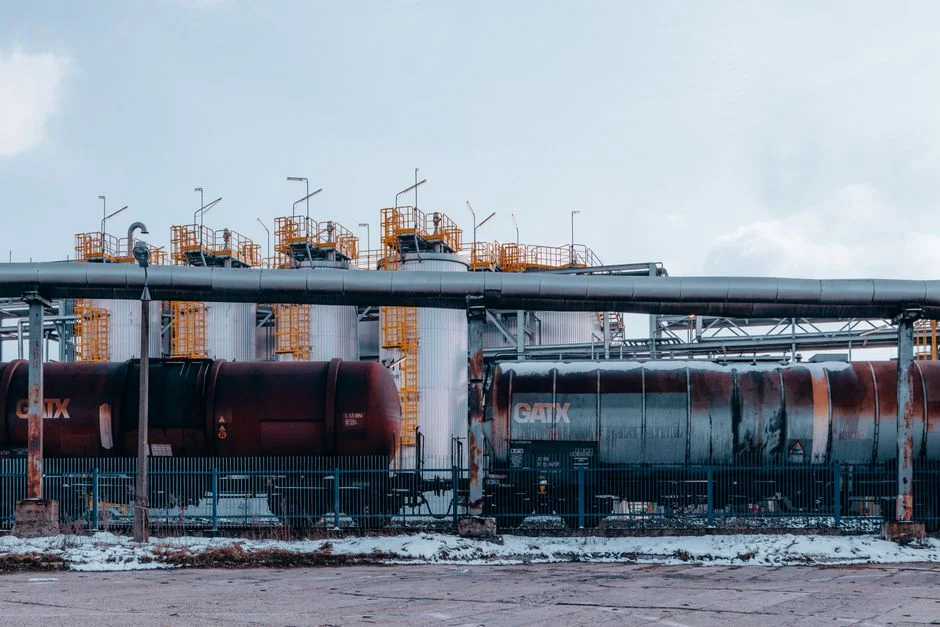
A DAF is the stronger primary candidate for emulsified oils, greases, residual flotation reagents, fine precipitates, and conditioned colloidal solids. A lamella clarifier is the stronger primary candidate for dense mineral fines, tailings, and metallurgical sludges, particularly where compressed-air and chemical budgets are constrained. When both fractions are present, specify a clarifier for bulk settleable solids followed by DAF for the remaining buoyant and colloidal load.
The supplied April 2026 research describes a DGF nitrogen DAF variant with a documented target of less than 25 ppmv residual oil. That figure belongs to that configuration and should not be generalized to every DAF unit. Ask each bidder for test conditions, feed characteristics, and performance data applicable to the proposed treatment.
ClearStream’s site rule provides a practical geometry screen: use circular DAF for a compact pad under roughly 50 ft in diameter, rectangular DAF for narrow sites or retrofit into existing concrete basins, and lamella clarification when solids are dense, oil is absent, and footprint is tight. The final geometry still depends on hydraulic loading, solids capacity, access, sludge withdrawal, and future maintenance access.
Chemical dosing is part of the mechanical selection, not a later accessory. A PLC-controlled automatic chemical dosing system can hold a jar-tested or pilot-tested coagulant and polymer regime, but the control system cannot correct for a fundamentally unsuitable separation duty.
HydropureWater’s catalog lists 4–300 m³/h across 13 DAF models. Treat that range only as initial screening. Flow alone does not establish solids loading, flotation area, recycle, skimming capacity, chemical demand, or compliance. The DAF versus clarifier guide for fabricated metals wastewater shows how wastewater character can change the preferred primary step.
| Site and stream condition | Preferred direction | Why |
|---|---|---|
| Oil-bearing, colloidal, or low-density fine-solids stream | DAF primary | Buoyancy targets material that does not settle reliably |
| Dense mineral solids with no meaningful oil load | Lamella clarifier primary | Gravity separation matches the solids physics |
| Heavy bulk solids plus emulsified oil, reagent carryover, or colloidal precipitates | Clarifier followed by DAF | Each stage addresses a different dominant fraction |
| Narrow site or existing concrete basin | Rectangular DAF retrofit or a space-efficient lamella design | Geometry must follow retrofit constraints and the separation duty |
Test chemistry before committing to a process
DAF performance depends on conditioned floc, and chemical selection must be established against the actual mining water rather than copied from another metals plant. pH adjustment, coagulant, and polymer should be selected together to support the intended attachment and flotation mechanism.
Wastewater Digest reported in April 2026 that monomeric aluminium is more efficient for suspended-solids and soluble-COD removal, while polymeric or colloidal aluminium is more effective for soluble silica. For a silica-bearing mine stream, that evidence argues against defaulting to the coagulant selected for general TSS removal. Run comparative jar tests across the plant’s pH range and representative flow conditions, then verify the leading chemistry in a pilot trial.
A clarifier also needs a defensible hydraulic basis, but chemical conditioning cannot compensate for an unsuitable rise rate. Specify the clarifier surface-loading rate or the DAF air-to-solids ratio only after bench or pilot work establishes acceptable solids-loading behavior. For DAF, compare bubble performance, recycle behavior, and floated-sludge characteristics rather than relying on a generic tank surface area.
Where reclaimed water will feed membranes, influent SDI testing should precede the primary-process selection. The ultrafiltration system used for process-water reuse still has a manufacturer pretreatment requirement. A DAF primary stage may simplify downstream protection by reducing suspended solids, but that benefit must be demonstrated with the actual wastewater and membrane configuration.
The RFQ should require several operating scenarios from each process: normal flow, peak-hour flow, high-solids loading, worst-case pH, and representative oil conditions where applicable. Jar tests establish chemical trends; pilot tests establish hydraulic response, sludge generation, skimming or withdrawal behavior, and stable effluent quality.
Compare capital, energy, maintenance, and sludge costs
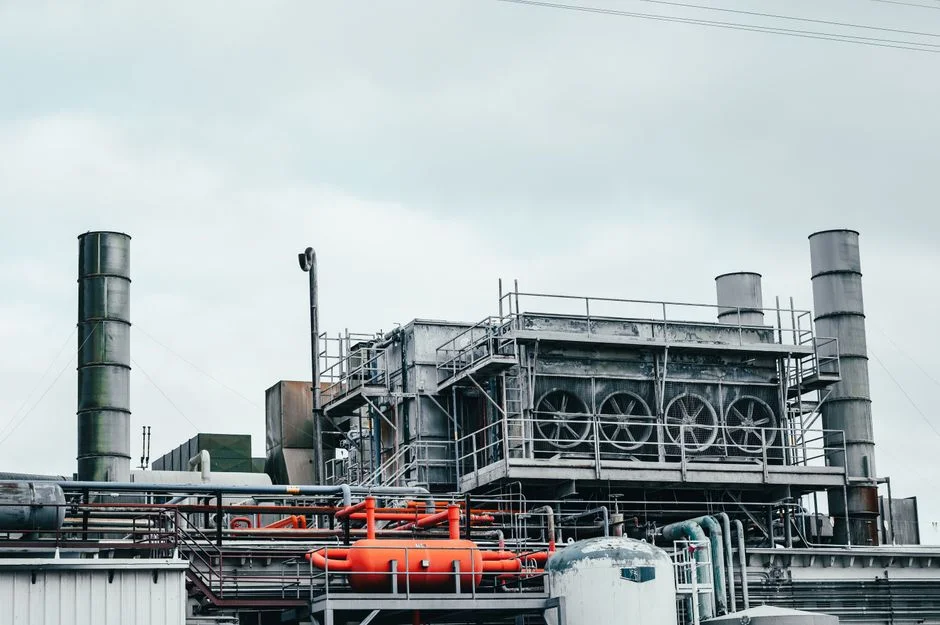
DAF should be compared with lamella clarification using one common project scope and a five-year operating-cost model, not unsupported equipment-price multipliers. The supplied commercial source claims that DAF capital cost is typically 30%–50% higher than a comparable lamella clarifier and that DAF operating cost may be two to three times gravity treatment. These are unverified industry claims, not Blytheville prices, and each bidder should substantiate them for the same flow, duty, materials, and civil scope.
DAF carries higher energy demand because compressed air must be generated and recycled. Wastewater Digest, as of April 2026, states that DAF treatment uses more energy than sedimentation. The relevant comparison is therefore not the utility line alone: air-system electricity must be evaluated with chemical use, maintenance, controls support, operator labor, and downstream sludge treatment.
Request a written CAPEX split for vessels, pumps, aeration or saturation equipment, controls, chemical systems, civil work, installation, commissioning, and site utilities. Then build the same five-year OPEX schedule for compressed-air electricity, coagulant and polymer, maintenance, wear parts, controls support, sludge treatment, and operator labor. Require assumptions and unit rates so a combined train can be compared against each primary option.
Sludge characteristics can change the result. Clarifier underflow is generally dilute and normally requires thickening. Floated DAF sludge in oil-bearing streams is typically thicker, but that does not establish compatibility with a dewatering machine. Require each bidder to provide expected solids concentration, rheology or dewatering behavior, and sludge volume; then check those values against the dewatering supplier’s feed specification. A plate and frame sludge filter press should be evaluated as part of the treatment train, not as an isolated downstream accessory.
HydropureWater’s lamella clarifier is cataloged at 20–40 m/h surface-loading rates and with up to 30% lower chemical consumption. Treat these as product claims requiring design verification, not guaranteed Blytheville savings. The operating basis must include the plant’s measured solids density, settleability, temperature, pH, and chemical demand.
| Cost section | Comparable items bidders must price | Evidence to require |
|---|---|---|
| Capital equipment and installation | Equipment, pumps, aeration, controls, chemicals, civil work, utilities, commissioning | Itemized quotation against one design basis |
| Five-year operating cost | Electricity, chemicals, labor, maintenance, wear parts, controls support, sludge treatment | Calculation basis, rates, and assumptions |
| Sludge | Solids production, thickening, dewatering, disposal or reuse, filtrate return | Predicted sludge properties and vendor feed limits |
| Risk | Permit compliance, retest work, bypass or standby provision | Performance basis and clearly stated exclusions |
Build a vendor RFQ that prevents equipment mismatch
A comparable RFQ requires one design basis for DAF, lamella clarifier, and combined-train bidders. Include the 24-hour composite and peak-hour data, permit limits, particle-size distribution, solids density, oil and grease, pH, temperature, flow profile, site drawings, and expected process-water reuse targets.
For DAF bidders, require bubble-size specification, recycle-ratio basis, saturation-system details, skimming and sludge-discharge design, and expected performance under the proposed chemical regime. For clarifier bidders, require the plate configuration, surface-loading criteria, sludge-withdrawal arrangement, and underflow solids target. For a combined train, identify the duty of each stage and the hydraulic connection between them.
Materials must match the stream. Clearwater’s April 2026 research identifies 304SS as standard and states that 316SS, polypropylene, or other materials are available for chloride or low-pH service. Require every bidder to document equivalent material selection for wetted parts, frames, fasteners, and chemical-contact components. Generic corrosion allowances should not substitute for stream-specific review.
Evaluate PLC versus relay controls, factory acceptance testing, mining or metals references, installation support, spare-parts availability, and local service response. Clearwater’s SigmaDAF material cited in April 2026 refers to more than 800 projects in more than 25 countries since 1994. Use that only as one vendor track-record example; ask for references with comparable wastewater character, flow, and solids loading.
Do not lock the design until the chosen primary step has demonstrated consistent compliance with the applicable 2026 permit and local pretreatment requirements. The 2026 DAF versus clarifier guide for mining wastewater can support the RFQ structure, but site data and actual wastewater testing must govern the final specification.
| RFQ package | Required content | Bidder response |
|---|---|---|
| Design basis | Composite and peak influent, permit limits, reuse target, drawings | Confirm compliance and state all exclusions |
| Mechanical design | Separation duty, hydraulic criteria, materials, sludge withdrawal | Sizing calculation and proposed drawing |
| Controls and testing | PLC scope, interlocks, instrumentation, FAT requirements | Functional description and FAT protocol |
| Service and parts | Installation support, commissioning, spares, local response | Named resources, schedule, and support terms |
| Commercial | Itemized CAPEX and five-year OPEX | Common-scope quotation with assumptions stated |
A practical selection sequence for Blytheville plants
The defensible Blytheville sequence starts with characterization, passes through testing and site screening, and ends with a common-scope commercial comparison.
- Characterize the stream. Review the 24-hour composite TSS, oil and grease by method, pH range, dominant-solids specific gravity, hourly flow variation, and existing basin dimensions.
- Classify the dominant fraction. Fine, low-density, or oil-bearing material points toward DAF. Dense, rapidly settling material points toward lamella clarification. Mixed fractions point toward clarification followed by DAF.
- Run jar and pilot tests. Establish pH treatment, coagulant and polymer selection, settleability or flotation response, and the acceptable rise rate or air-to-solids ratio.
- Screen site geometry. Apply the roughly 50 ft circular-pad guidance to DAF, consider rectangular DAF for narrow sites and concrete-basin retrofits, and use lamella equipment where dense solids and a tight footprint govern.
- Reconcile the complete system. Match sludge, controls, utilities, recycle, chemical storage, and permit duties with the proposed equipment before requesting final quotations.
- Compare bids consistently. Use a written FAT scope, one design basis, and one five-year OPEX model. Do not select from brochure capacity alone.
The regional mining wastewater DAF and clarifier comparison can support this sequence, but the final equipment family should follow from the plant’s dominant fraction, tested chemistry, available footprint, and permit requirements.
Frequently Asked Questions
Should a Blytheville mining plant choose DAF or a clarifier for a stream containing both heavy mineral fines and emulsified oil?
Specify a clarifier before DAF when heavy mineral fines are a substantial bulk load and emulsified oil, colloidal material, or low-density precipitates must also be removed. Fluence identifies heavy silt and clay as a limitation for DAF. Pilot testing should confirm that each stage has a defined separation duty and that the clarifier underflow and floated sludge can be handled downstream.
How much will DAF cost compared with a lamella clarifier in Blytheville?
A local price cannot be stated from the supplied research. Claims that DAF capital cost is 30%–50% higher and that operating cost may be two to three times gravity treatment are unverified commercial assertions, not Blytheville quotations. Require each bidder to price the same equipment, civil work, installation, commissioning, utilities, chemicals, maintenance, labor, and sludge handling, then compare the assumptions in a common five-year OPEX model.
What inputs are required to size DAF or a lamella clarifier?
Flow rate alone is insufficient. The buyer needs composite and peak-flow data, TSS and particle-size distribution, solids specific gravity, oil and grease by method, pH, temperature, chemical-demand testing, and applicable permit limits. Bench or pilot results must then establish the required rise rate or air-to-solids ratio, chemical regime, sludge yield, and acceptable effluent performance before a model is selected.
How should a buyer evaluate a DAF or clarifier supplier?
Require mining or metals references with comparable wastewater characteristics, stream-specific materials documentation, a defined controls scope, a FAT protocol, installation and commissioning support, spare-parts availability, and local service response. Track-record totals can support vendor screening, but they do not replace comparable operating references or a site-specific performance test.
Will DAF or a clarifier guarantee compliance with the applicable 2026 permit?
No equipment configuration guarantees an effluent result without testing the actual wastewater. Require a permit-by-permit assessment and demonstrate consistent performance with the selected chemistry, hydraulic profile, solids loading, and sludge-handling route. The 2026 factory guide for mining and metals wastewater provides a useful comparison framework, but current permit conditions and local pretreatment requirements control the final decision.