Start with the waste, not a generic ETP package
Manufacturers in Surat should treat high-COD trade waste through a waste-specific train: equalization and pH control, appropriate solids or colour removal, biological treatment and membrane polishing where reuse requires it. Textile effluent varies with dye chemistry, dye-intermediate streams may resist biodegradation, and oily petrochemical waste needs separation before biology. High-TDS sites may add reverse osmosis and, when required, evaporation or crystallisation. Final limits must follow each factory’s current GPCB consent rather than a citywide limit.
The common design error is combining routine dyeing effluent and exceptional dye-intermediate or petrochemical streams into one average COD figure. Start by separating production conditions, identifying batch dumps and cleaning-water streams, and recording the route for the final discharge. A factory near Sachin or Pandesara should review the high-COD trade-waste treatment method, but its own influent campaign must still define the design.
HydropureWater describes an industrial textile profile comprising approximately 40% of Surat’s industrial wastewater, COD of 800–1,500 mg/L, ADMI colour of 500–1,200 and pH from 3 to 11. These are reported profile values, not discharge limits. The Spans high-range dyeing profile is materially different: COD of 1,500–6,000 mg/L and TDS of 3,000–15,000 mg/L. One unit treatment intensity therefore cannot cover both.
Run a campaign that captures normal production, dyeing peaks, batch dumps, cleaning operations and pH swings. Request COD, BOD, TSS and colour results on the same laboratory sheet, then check every result against the individual factory’s current GPCB consent. Keep production records beside the samples; otherwise, the operating team cannot connect a load peak to its cause.
| Starting point | Evidence from the supplied research | Design implication |
|---|---|---|
| Routine textile production | HydropureWater: COD 800–1,500 mg/L, ADMI colour 500–1,200, pH 3–11 | Design around characterized swings and colour; these figures are not permit limits. |
| High-range dyeing | Spans: COD 1,500–6,000 mg/L, TDS 3,000–15,000 mg/L | Check salt loading, membrane compatibility, evaporation demand and biological treatability. |
| Dye or dye intermediates | Spans identifies potentially non-biodegradable compounds and a COD:BOD ratio below 0.3 | Test biodegradability before selecting the biological reactor and any pretreatment. |
| PCB processing | HydropureWater: fluoride 50–200 mg/L and ammonia 100–500 mg/L | Start with precipitation and ammonia control rather than generic COD removal. |
Choose the treatment train by sector and contaminant
Textile effluent generally calls for equalization, pH correction, coagulation-flocculation or dissolved air flotation, biological treatment and membrane clarification; UF and RO become relevant when the permeate must support reuse or a zero liquid discharge train. The decision is contaminant-specific: colour and suspended material are pretreatment duties, while biodegradable organics belong in biology.
For dye and dye-intermediate effluent, the Spans source identifies a COD:BOD ratio below 0.3 as indicating poor biodegradability and recommends advanced oxidation or activated carbon before biology. Electrocoagulation can also be considered for colour and COD reduction, but it is not a universal substitute for biological treatment. In the MDPI study, electrocoagulation was applied to mineral-processing wastewater with initial COD of 424.29 mg/L; anode material, current density, initial pH and additives were critical variables. That result supports further evaluation for a comparable local stream, not a guaranteed performance figure for Surat textile effluent.
Oily petrochemical effluent from the Hazira area needs a different sequence. Spans recommends API gravity separators, CPI/TPI interceptors, DAF with chemical dosing and biological treatment for hydrocarbon-contaminated streams. API and interceptor equipment address free oil; DAF then captures remaining oil, solids and emulsified material before the biological stage.
Pharmaceutical effluent also requires characterization before biological sizing. HydropureWater reports a BOD/COD ratio below 0.3 for pharmaceutical streams and identifies higher-biomass MBR treatment as the approach for compounds resistant to conventional treatment. PCB wastewater requires chemical pretreatment: HydropureWater reports fluoride at 50–200 mg/L and ammonia at 100–500 mg/L, with calcium chloride precipitation, ammonia stripping, RO and conditional ZLD as the reported path.
| Waste profile | Pre-treatment decision | Biological and polishing decision |
|---|---|---|
| Textile dyeing and finishing | Equalization, pH correction, then coagulation-flocculation or DAF according to colour, solids and FOG | Biology for bulk COD; membrane clarification and UF/RO only against the required outlet or reuse specification |
| Dye intermediates | Test COD:BOD; consider oxidation or activated carbon before biology | Size biology for the biodegradable fraction, then reassess membranes against residual colour, salt and recalcitrant COD |
| Pharmaceutical | Characterize solvents, antibiotics, pH and toxicity | Use a higher-biomass MBR where the characterized stream justifies it |
| PCB processing | Calcium chloride precipitation and ammonia stripping | RO after chemical pretreatment; add thermal ZLD only where consent or recovery economics require it |
| Oily petrochemical | API separator, CPI/TPI interceptor and DAF with chemical dosing | Extended aeration or MBBR followed by tertiary treatment as required |
Use the DAF selection checklist for FOG and TSS to define the flotation duty, and review the comparison of MBR and conventional activated sludge for chemical wastewater before fixing the biological train.
Equalize the load before biology can absorb it
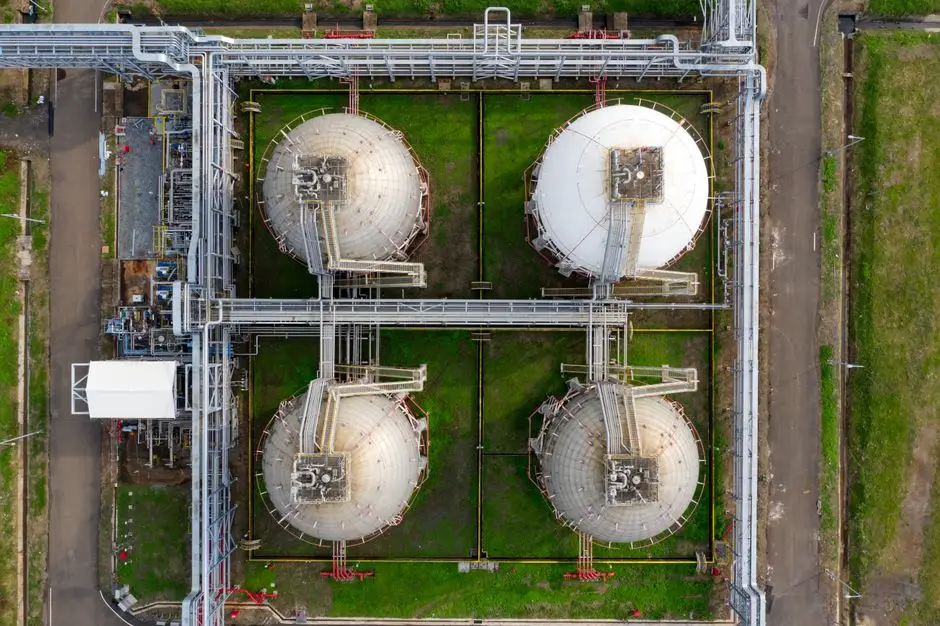
Equalization must smooth concentration, pH and flow peaks before the biological reactor, filter or membrane sees them. HydropureWater reports that textile plants can move from pH 3 to 11 within a shift; neutralization and mixing therefore protect both biology and downstream equipment from short-duration excursions.
Segregate streams where practical. High-strength batch dumps, cleaning water, oily runoff and incompatible chemical wastes should not dilute or destabilize the main ETP. Provide controlled equalization with online pH control and enough retention to represent the measured production cycle. Then verify that the biological loading, mixer duty and membrane feed remain within their selected design conditions during the worst sampled week.
For suspended solids, FOG and colloidal material, an industrial DAF pretreatment system can protect the downstream biological and membrane stages. HydropureWater reports a hydraulic loading range of 4–8 m/h for Surat dye-shed units, with the lower end generally selected where colour is the complaint rather than grease alone.
DAF performance must be stated by contaminant. The same HydropureWater source reports FOG reduction above 95% but COD removal below 60%. Therefore, a 95% FOG result does not mean 95% COD removal and cannot be used to omit biology. Chemical consumption also remains an operating cost; the automatic chemical dosing system should be evaluated as part of the complete operating envelope, not treated as an accessory.
For toxic or poorly degradable chemical streams, add oxidation, adsorption or another controlled step before biology. This is also where source segregation provides the better return: preventing one incompatible dump from entering the common equalization tank can be more effective than asking the biological system to absorb the consequence.
Use biology for bulk COD, then membranes for reuse quality
Biology should carry the bulk biodegradable COD load, while membranes should control the specific quality attributes required at the outlet or reuse point. HydropureWater rates biological trains at 92–97% COD removal, but that rating does not replace characterization of the selected process family, biodegradability and operating load.
Choose an MBR membrane bioreactor when the duty requires combined biological treatment and solids separation, a compact footprint or tighter solids control. HydropureWater reports 15–25 LMH flux for its benchmark textile application and treats the membrane as a replacement for the secondary clarifier. The equipment proposal should identify the applicable flux, membrane area, design flow and cleaning strategy; a catalogue flux is not an operating guarantee.
Use an UF water-treatment system for membrane polishing and RO preconditioning when suspended solids, colloids and turbidity could compromise downstream desalination. An RO water-purification system is then a salt-rejection step, not a substitute for biological COD reduction or adequate pretreatment.
Discharge consent and process-reuse quality are different design documents. HydropureWater reports a March 2024 Surat Municipal Corporation tertiary-water benchmark of COD below 50 mg/L, BOD below 5 mg/L, suspended solids below 2 mg/L and TDS below 500 mg/L. This municipal tertiary benchmark is not the individual factory’s consent and does not prove suitability for every process application.
Separate process reuse from non-process reuse. HydropureWater states that most mills use municipal tertiary supply for washing, cooling and flushing rather than dye-bath makeup. TDS below 500 mg/L can still be too salty for some processes, so specify each intended use and its acceptance criteria before designing UF or RO.
| Stage | Primary role | Decision condition |
|---|---|---|
| Biological treatment | Remove biodegradable bulk COD | Confirmed adequate biodegradability and manageable toxicity. |
| MBR | Combine biological treatment with solids separation | Compact footprint or effluent solids quality justifies membrane operation. |
| UF | Remove suspended solids, colloids and turbidity | Downstream RO requires reliable pretreatment. |
| RO | Reject dissolved salts and remaining contaminants | Reuse quality or ZLD water balance justifies desalination. |
Decide whether ZLD is justified by salinity and consent
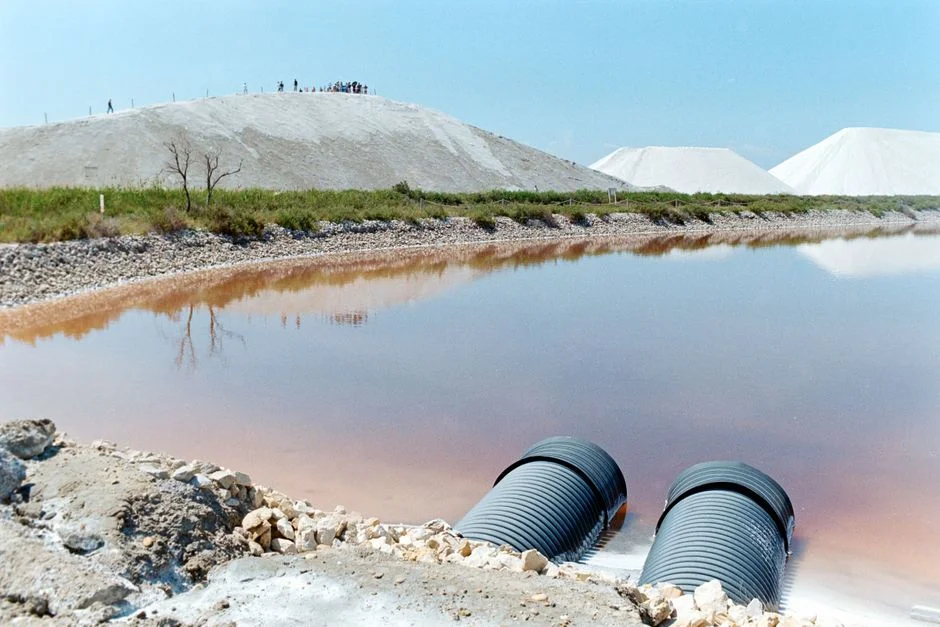
Zero liquid discharge is a salt-management and consent decision, not the default endpoint for every high-COD stream. The full Surat train described by Spans is physico-chemical pretreatment, biological treatment, UF, RO, MEE or MVR evaporation and crystallisation. Every stage must be integrated because an undersized RO or evaporation step can compromise the whole train.
HydropureWater reports ZLD COD removal above 99%, CAPEX of ₹40–100 lakh per m³ and OPEX of ₹2.5–4.0/m³. These are benchmark estimates, not quotations. They indicate that thermal capacity, utility demand, footprint and reject handling materially change the commercial case.
Spans claims MVR consumes 60–70% less steam than conventional MEE and reduces ZLD operating cost by ₹20–40/m³. The buyer should test that claim against the plant’s actual steam, power, scale, saline concentration and reject-management arrangement. A high-salinity RO reject can increase membrane loading and evaporation energy demand, so the RO-reject loop must be evaluated before evaporation capacity is frozen.
PCB treatment provides a useful counter-example to automatic ZLD adoption. HydropureWater says thermal ZLD may be deferred where chemical pretreatment and RO are sufficient, with evaporation added when the consent prohibits liquid residual or when metal recovery economics justify it. The same source reports nearly 99% influent-water recovery for the RO-based PCB application.
| Decision | Evidence | Buyer check |
|---|---|---|
| Proceed with RO-based recovery | Spans identifies UF and RO before MEE or MVR; HydropureWater describes nearly 99% influent-water recovery for its PCB application | Confirm permeate quality, scale recovery and concentrate destination. |
| Add thermal evaporation | HydropureWater: ZLD CAPEX ₹40–100 lakh per m³ and OPEX ₹2.5–4.0/m³ | Price steam, power, footprint, crystalliser operation and reject handling. |
| Prefer MVR over MEE | Spans: 60–70% lower steam consumption and ₹20–40/m³ lower ZLD operating cost | Validate the claim with site-specific steam cost and saline feed conditions. |
| Defer thermal ZLD | HydropureWater says PCB evaporation may be deferred when chemical pretreatment and RO suffice | Check the current consent and any metal-recovery case. |
The broader process and equipment decision can be checked against the DAF-versus-clarifier assessment for industrial wastewater, while remembering that its semiconductor example does not replace Surat textile, PCB or petrochemical characterization.
Compare equipment choices by function and lifetime cost
Equipment comparisons must separate pretreatment, biological separation and salt management. HydropureWater’s benchmark estimates provide a screening structure, not supplier quotations, and each estimate needs to be tested against the factory’s analysis, flow, footprint, civil works, automation, sludge handling and utility conditions.
For DAF, HydropureWater gives CAPEX of ₹12–18 lakh per m³ and chemical dosing of ₹0.5–0.8/m³. Its strongest fit is upstream colour, solids, FOG and oily pretreatment; it is not a final COD-removal stage. For MBR, the reported benchmark is CAPEX of ₹25–35 lakh per m³, OPEX of ₹1.2–2.0/m³ and power of ₹0.4–0.7/m³. Membrane replacement every five to seven years represents nearly 50% of MBR OPEX in the source, so that cost cannot be excluded from lifecycle comparison.
For ZLD, HydropureWater gives CAPEX of ₹40–100 lakh per m³ and OPEX of ₹2.5–4.0/m³. Thermal energy, footprint, crystallisation and residual handling are the main constraints. The appropriate comparison is therefore functional: DAF protects downstream assets, MBR combines biology with solids separation, and ZLD addresses the remaining liquid and salt balance.
| Equipment | HydropureWater benchmark CAPEX | Reported operating figure | Best-supported role |
|---|---|---|---|
| DAF | ₹12–18 lakh per m³ | Chemical dosing ₹0.5–0.8/m³ | Colour, solids, FOG and oily pretreatment |
| MBR | ₹25–35 lakh per m³ | OPEX ₹1.2–2.0/m³; power ₹0.4–0.7/m³ | Biological COD removal with membrane solids separation |
| ZLD | ₹40–100 lakh per m³ | OPEX ₹2.5–4.0/m³ | Residual-water and salt management where required |
These figures are benchmark estimates from HydropureWater, not quotations. For procurement, require separate scopes for process equipment, civil work, electricals, automation, OEMS, chemical storage, sludge treatment, commissioning, operator training and membrane replacement. The high-COD trade-waste treatment method provides a useful technical basis for that scope.
Build compliance, monitoring and maintenance into the project
The factory’s current GPCB consent and category-specific conditions must control the discharge design. HydropureWater states that Surat limits are written into individual consents rather than one citywide number. Obtain the current consent and its amendments before selecting equipment; do not substitute the municipal reuse benchmark for a permitted industrial discharge limit.
Where the consent permits it, HydropureWater’s working set for textiles is COD at or below 250 mg/L, BOD at or below 30 mg/L and TSS at or below 100 mg/L. The same source identifies tighter working values for pharmaceuticals and PCB manufacturing, so sector conditions must be checked separately. Colour, TDS, toxicity and flow can also matter even when bulk COD complies.
Assess OEMS applicability under the site’s category and scale. Spans describes continuous measurement of pH, BOD/COD surrogate, TSS, TDS and flow with real-time transmission to GPCB. Include analyser calibration, laboratory verification, data validation, alarm escalation, instrument maintenance and consent reporting in the supplier scope rather than treating OEMS as a commissioning accessory.
Maintain an auditable operating plan: equalization and pH records, chemical-dosing logs, DAF sludge removal, biological dissolved-oxygen and sludge controls, membrane cleaning data, laboratory results and reject handling. For solids management, evaluate an plate-and-frame sludge dewatering system against the actual sludge and cake-disposal route. The project scope should also identify critical spares, treatment valves and filter media, response time and local service access.
Before ordering, ask suppliers for three Surat references with certified COD, BOD and TSS results, as HydropureWater recommends. Verify the analysis dates, influent profile, consent category, process train and operating conditions. An inauguration photograph is not performance evidence.
Frequently Asked Questions
What is the cheapest practical way to reduce high COD in a Surat textile ETP?
Start by preventing uncontrolled batch dumps, equalizing flow and pH, and matching coagulation-flocculation or DAF to the measured colour, TSS and FOG. Spans identifies coagulation-flocculation, ozonation or electrocoagulation as upstream colour controls for synthetic textile dyeing, while HydropureWater reports DAF COD removal below 60%. A biological stage therefore remains necessary for biodegradable bulk COD unless the complete waste characterization proves otherwise. Obtain flow, COD, BOD, TSS, colour, pH and TDS data before comparing upgrade quotations.
When is DAF sufficient, and when does a biological stage remain necessary?
DAF is sufficient as pretreatment when the objective is to remove suspended solids, FOG, oil or flocculated colour before another stage. It does not remove bulk COD: HydropureWater reports FOG reduction above 95% but COD removal below 60%. If the outlet must meet a COD consent after treatment, biology remains necessary for the biodegradable fraction. If the stream is toxic or poorly degradable, add controlled oxidation or adsorption before biology and test the COD:BOD ratio first.
How much does a high-COD textile wastewater treatment plant cost in Surat?
No universal price can be stated without flow, analysis, outlet or reuse targets, footprint, civil work, automation and utility conditions. HydropureWater’s benchmark estimates are ₹12–18 lakh per m³ for DAF, ₹25–35 lakh per m³ for MBR and ₹40–100 lakh per m³ for ZLD. These are benchmark estimates, not quotations. Request itemized offers covering equipment, tanks, electricals, controls, OEMS, sludge handling, commissioning, training, utilities and membrane replacement.
Should a Surat factory buy MBR, RO or full ZLD immediately?
Do not select the most advanced system without the required water quality and consent. MBR is justified when biological separation, footprint or solids quality warrants it; UF and RO are justified when the reuse target or salt balance requires them. Defer full ZLD unless liquid discharge is barred, the salt balance cannot be managed by RO, or recovery economics justify evaporation. Use the DAF selection checklist for FOG and TSS to clarify pretreatment needs before sizing any downstream membrane.
Which supplier and performance evidence should a buyer request before ordering?
Request three Surat references with certified COD, BOD and TSS results, including the analysis date, influent profile, consent category, process configuration and operating conditions. Ask for local service response, operator training, analyser calibration, membrane-cleaning procedures, spare parts and a documented maintenance schedule. The industrial sludge dewatering comparison can support the solids-handling check, but the ETP supplier should remain responsible for the complete performance interface.