How Hyderabad manufacturers build a high-COD treatment train
In 2026, Hyderabad manufacturers generally treat high-COD trade waste through a staged train rather than one universal device: characterize and equalize the effluent, remove oil, solids and floating material with screening and DAF, reduce biodegradable COD with biological treatment such as MBR, and add filtration or reverse osmosis when reuse or tighter discharge limits require it. High-polluting sectors may require MBR, RO and evaporation-crystallization for zero liquid discharge. HydropureWater reports 81% BOD reduction and 99% E. coli reduction for wastewater treatment in a Hyderabad case study. Final treatment must be based on actual influent characterization, the applicable TGPCB consent conditions and reuse requirements—not COD alone.
Trade waste is non-domestic wastewater generated by a manufacturing process. A plant effluent may contain high COD, suspended solids, oil and grease, salts, colour, nutrients and contaminants specific to its sector. The practical sequence is:
- Control and segregate waste streams at the source.
- Characterize the effluent and equalize flow and composition.
- Screen and remove floating material, oil, grease and settleable solids.
- Reduce biodegradable organics biologically.
- Polish the treated water where discharge or reuse limits require it.
- Disinfect where required and manage sludge under an authorised route.
This sequence protects downstream equipment and makes each stage accountable for a defined contaminant. An DAF system for industrial pretreatment can precede biological treatment, while an integrated MBR wastewater treatment system combines biological treatment with membrane separation. The right combination depends on biodegradability, hydraulic variability, dissolved salts and the receiving or reuse specification.
The Hyderabad case study provides environmental context, not a trade-waste guarantee. Environmental Research Letters reported 81% BOD reduction, 99% E. coli reduction and an average 68% reduction in direct CH4 and N2O emissions from wastewater treatment. Its scope was municipal wastewater and urban agriculture; these results must not be transferred to an industrial effluent treatment plant without site evidence.
Discharge routing also needs local verification. ADB Institute reported, as of 2024, 100% sewerage coverage in Hyderabad’s Core Area, approximately 30% in the Periphery Area and 0% in the ORR Village Area. A manufacturer must confirm the actual sewer connection and any disconnection or surcharge conditions before assuming that dilution or sewer acceptance is available.
| Treatment stage | Primary function | Design input still required |
|---|---|---|
| Source control and equalization | Prevents untreated batch dumps and unstable loads from reaching the treatment train. | Stream inventory, production schedule and batch-discharge data. |
| Screening and primary removal | Removes debris, oil and grease, floating material and settleable solids. | TSS, oil and grease, rag load and flow peaks. |
| Biological treatment | Reduces biodegradable COD and BOD. | COD/BOD ratio, toxicity, pH, temperature and nutrients. |
| Tertiary treatment and disinfection | Polishes solids or dissolved salts and controls pathogens where specified. | Consent limits, reuse quality and salinity profile. |
| Sludge management | Controls separated solids and treatment residuals. | Sludge characteristics, dewatering route and disposal authorization. |
Start with the wastewater, not the equipment catalogue
COD concentration alone cannot size an industrial effluent treatment plant. A technically defensible design requires representative samples, hydraulic data, biodegradability evidence and the current regulatory destination for the treated water.
Prepare a sampling plan that covers normal production, batch dumps, cleaning, shutdowns and rainfall or dilution events. Request COD, BOD, TSS, oil and grease, pH, temperature, conductivity, ammonia, colour and sector-specific contaminants. For each parameter, identify the sampling method, sample preservation and laboratory accreditation. Composite samples alone may hide short-duration toxicity or grease releases.
HydropureWater gives pharmaceutical wastewater above 10,000 mg/L COD as an influent-characterization example in its Telangana guide. That value is not a universal operating load or performance guarantee. It illustrates why the biological route must be tested against the actual waste rather than selected from a headline COD number.
| Required input | Why it changes design | Evidence to request |
|---|---|---|
| Representative contaminant profile | Determines whether COD is biodegradable and which pretreatment barriers are credible. | Production-cycle sampling, laboratory results and batch records. |
| Hydraulic profile | Sets equalization, pumping, treatment and membrane capacities. | Average flow, peak flow, minimum flow, production schedule and expansion plan. |
| Toxicity and inhibition | A high COD value can still be unsuitable for biological treatment. | Respirometry, toxicity screening and relevant sector-specific analyses. |
| Final destination | Controls whether primary, biological, tertiary or ZLD treatment is required. | Current consent, applicable limits, sewer terms and reuse specification. |
Ask whether the outlet is a sewer, surface water, a defined reuse point or a zero liquid discharge system. Obtain the current consent category, applicable limits and reuse requirements from the Telangana Pollution Control Board and the site’s regulatory record. Check whether the proposed sewer accepts the expected industrial discharge and whether dilution is permitted; it should not be treated as an automatic treatment stage.
Hydraulic information is equally important. Specify average and peak flows, minimum flow, operating days, batch releases and planned expansion. COD concentration without hydraulic and temporal data cannot establish unit capacity or equalization volume.
Where the waste includes rags, plastics or fibres, evaluate a rotary mechanical bar screen. Chemical demand is another design output rather than an afterthought: identify the proposed chemicals, expected dosages, storage needs and dosing control through an automatic chemical dosing system assessment. These are screening checks, not substitutes for representative wastewater testing.
Match each contaminant to the right removal step
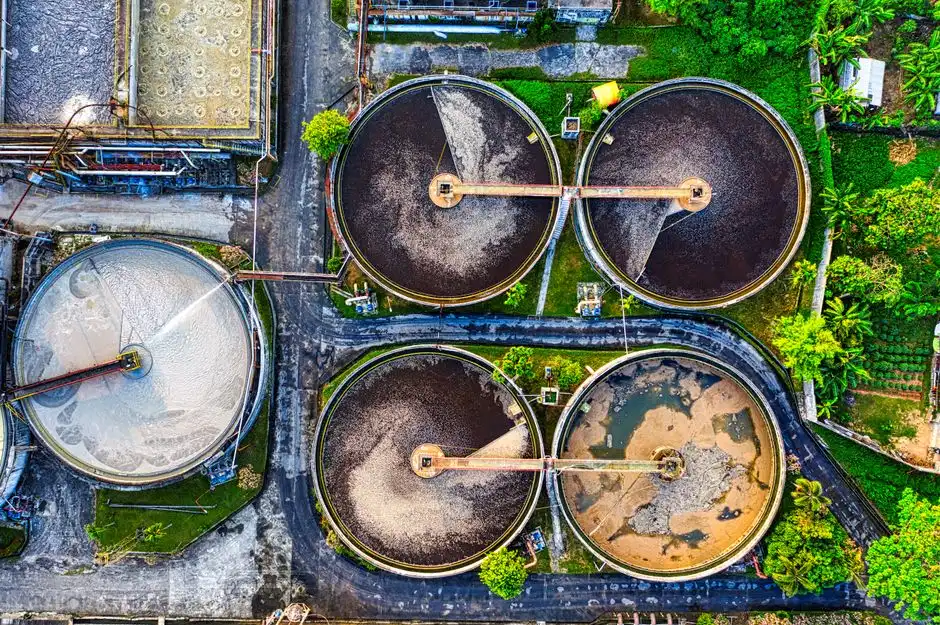
Equipment should be assigned by contaminant and treatment objective. Physical removal protects the biological process; biological treatment addresses biodegradable organics; membranes and polishing address the required effluent quality; evaporation and crystallization complete a ZLD route.
- Debris: Use the GX Series rotary bar screen where rags, plastics, fibres and other suspended debris could overload downstream pumps or biological systems.
- Oil, grease, floating material and solids: Use DAF where these fractions must be removed before biological treatment. HydropureWater states that its DAF range covers 4–300 m³/h and includes micro-bubble and automatic-skimming configurations.
- Biodegradable COD and BOD: Use biological treatment. MBR combines biological degradation with membrane separation where compact equipment and fine solids separation are required. HydropureWater states capacities of 10–2,000 m³/day and effluent filtration below 1 μm for its integrated MBR system.
- Residual solids: Use lamella clarification where a compact solids-separation stage and sludge recirculation are appropriate. Hydraulic and sludge-loading data must confirm the selection.
- Dissolved salts and residual pollutants: Use RO after upstream treatment for permeate polishing. Feed chemistry, recovery, pretreatment and concentrate management remain design requirements.
- Concentrated residual stream: ZLD extends the train through evaporation and crystallization. HydropureWater describes an MBR, RO and evaporator-crystallizer configuration and reports 90–95% water recovery, while noting that final recovery depends on feed chemistry and system design.
These are contaminant-to-equipment mappings, not a universal process flow. A high-efficiency sedimentation tank can support clarification, but it cannot substitute for oil removal where free oil would interfere with settling. An RO water purification system does not remove the load that should have been captured upstream, and plate-and-frame filter presses can dewater separated sludge where batch operation, automation and filtration areas from 1 to 500 m² are suitable project requirements.
| Contaminant or objective | Potential treatment step | Key limitation to verify |
|---|---|---|
| Rags, plastics and fibres | Rotary mechanical bar screen | Opening size, peak solids load and extracted-material handling. |
| Oil and grease, colloids, floating solids | DAF | Oil characteristics, hydraulic peak and recovered-sludge handling. |
| Biodegradable COD and BOD | Biological treatment, including MBR | Biodegradability, toxicity, nutrients, temperature and loading variation. |
| Residual suspended solids | Lamella clarification or filtration | Hydraulic capacity, solids flux and sludge recycle. |
| Dissolved salts | RO | Feed chemistry, pretreatment, recovery and concentrate route. |
| Concentrate and residual liquor | Evaporation and crystallization | Solids chemistry, scaling, energy demand and residue disposal. |
Compare conventional ETP, MBR and ZLD routes
No technology should be selected by label or skid price. Conventional ETP, MBR and ZLD solve different treatment objectives and create different operating, sludge and compliance obligations.
A conventional ETP is appropriate when land is available, the wastewater is biologically compatible and the required effluent quality and footprint can be met with established primary and secondary processes. MBR is the stronger option when a compact installation, integrated solids separation and a high-quality biological effluent are required. HydropureWater states that its integrated MBR provides near-reuse-quality effluent below 1 μm with a 60% smaller footprint than conventional systems. ZLD is relevant where liquid-discharge minimisation is required or the sector and permit leave little room for liquid discharge; evaporation, energy demand, sludge and salt management then become central to lifecycle economics.
| Decision factor | Conventional ETP | MBR | ZLD |
|---|---|---|---|
| Primary strength | Established biological treatment with greater land availability. | Compact biological treatment combined with membrane solids separation. | Minimisation of liquid discharge through integrated concentration and evaporation. |
| Key constraint | Land, footprint and effluent polishing required by the permit. | Higher equipment and operating complexity relative to conventional treatment. | Energy demand, scaling, salts, sludge and residue management. |
| Published operating-cost benchmark | HydropureWater: ₹0.8–1.5/m³ for conventional ETPs in Telangana. | No separate company-published operating range was supplied in the research. | HydropureWater: ₹2–3/m³ for ZLD in Telangana. |
| Supplier evidence to require | Design basis, loading, guarantees, civil scope and sludge route. | Flux basis, cleaning, replacement, controls and membrane warranty. | Water balance, recovery basis, energy, chemicals and residue disposal. |
The operating figures are company-published benchmarks, not independently established project rates. Validate them against the proposed flow, feed chemistry, tariff, chemical use, membrane replacement, sludge disposal and labour assumptions.
Require each supplier to state the guaranteed flow range, influent design basis, treated-effluent guarantees, performance-test protocol, chemical and sludge assumptions, power consumption and compliance responsibility. Modular and full-scale options are not interchangeable: a package still needs compatible pretreatment, equalization, downstream polishing and civil interfaces where the wastewater demands them. For membrane selection, request the technical basis for RO and UF membrane filter elements, while keeping the complete process responsible for final quality.
Plan for compliance, reuse and operating reality
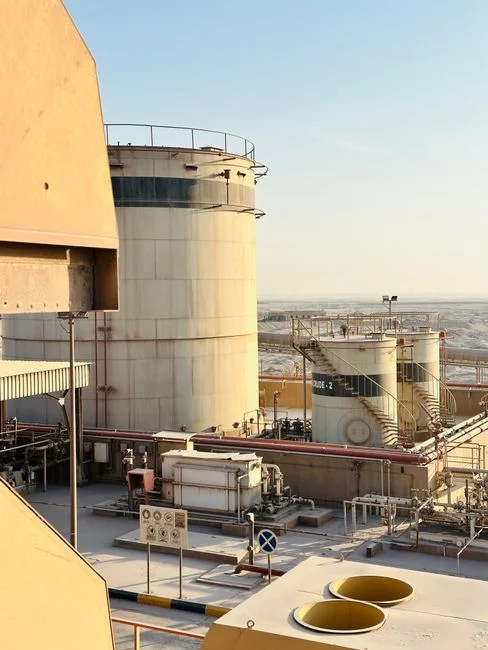
The current consent conditions and applicable standards—not a supplier catalogue—are the controlling requirements for the plant’s outlet and reuse.
HydropureWater’s Telangana guide gives example 2025 limits of chromium below 0.1 mg/L and ammonia below 50 mg/L, alongside CPCB comparison values of 2 mg/L and 100 mg/L. These are guide examples, not a substitute for the current consent or confirmation from the Telangana Pollution Control Board. Confirm the applicable parameter, averaging basis, discharge point and any sector-specific conditions.
Operational compliance extends beyond the treatment train. Define monitoring for pH, flow, TDS and every consent parameter, including sensor calibration, data validation, alarm handling and retention of OCEMS records where applicable. Chemical storage, housekeeping, spill control and safe dosing should appear in the operating plan.
Sludge is a treatment output, not a residual detail. Include thickening or dewatering, transport, authorized disposal or reuse, records and the responsible contractor. Poor sludge handling can stop an otherwise functional liquid-treatment plant.
For reuse, test the actual application rather than relying on a generic “reuse-quality” label. ADB Institute notes that decentralized systems in Hyderabad reuse effluent for nonpotable purposes including toilet flushing, gardening and cooling. That municipal context establishes local reuse practice, not suitability for an industrial process, cooling tower or product-contact application. A UV water treatment system or an ozone generator for water disinfection may address a defined disinfection requirement, but neither replaces upstream contaminant removal.
Budget and procurement checklist for Hyderabad projects
Published capital figures provide a screening range, not a project budget or offer price.
HydropureWater’s 2025 Telangana guide gives capital benchmarks of ₹4–8 lakh for a 50 KLD conventional ETP, ₹12–20 lakh for a 100 KLD conventional ETP and ₹30–50 lakh for a 500 KLD plant. These figures are not universal because treatment train, effluent target, civil work, pretreatment and ZLD scope can materially change the quotation.
| Quotation item | What the buyer must define | Acceptance evidence |
|---|---|---|
| Screening and equalization | Screen type, equalization volume, mixing, pumping and peak-flow duty. | Equipment schedule, sizing calculation and duty points. |
| Primary, biological and tertiary treatment | Influent design basis, removal objectives and required outlet quality. | Process drawings, calculations and guaranteed parameters. |
| ZLD, where applicable | Recovery basis, concentrate and salt route, evaporation and crystallization duty. | Water and solids balance, energy calculation and residue plan. |
| Civil, electrical and controls | Building, cable routing, power distribution, PLC, SCADA and OCEMS interface. | Scope matrix, single-line diagram and control narrative. |
| Commissioning and O&M | Acceptance test, training, spares, chemicals and preventive maintenance. | Commissioning milestones, test protocol and handover records. |
Require quotations to separate civil works, screens and equalization, primary treatment, biological systems, tertiary treatment, instrumentation, electricals, sludge handling, commissioning, training and consumables. Also identify every untreated side stream, toxic or high-COD bypass and assumption about sewer availability. These omissions often appear only after the lowest equipment quotation has been selected.
Commissioning should be tied to influent characterization, hydraulic loading, performance testing, operator training and a documented operating and compliance plan. For a 2026 decision, compare lifecycle performance rather than skid price alone: energy, chemicals, membrane replacement, sludge disposal, monitoring and downtime can outweigh the initial package cost. The Telangana industrial wastewater treatment cost and compliance guide provides further source context, while the MBR cost and membrane bioreactor buyer guide is useful for membrane-specific commercial checks.
Frequently Asked Questions
What COD level requires MBR or ZLD in Hyderabad?
No single COD threshold determines the route. First establish biodegradability, toxicity, flow variability, salts, discharge destination and current consent limits. MBR may be justified by solids separation or footprint requirements; ZLD may be required by sector-specific conditions. The treatment decision should follow those verified requirements, not a universal COD cutoff.
Is MBR always better than a conventional ETP for high-COD wastewater?
No. MBR combines biological treatment with membrane separation and offers a smaller footprint and fine solids separation, but it does not remove the need for suitable equalization and pretreatment. A conventional ETP can be more practical where land is available and the required effluent quality is achievable through established biological treatment. Compare both against the same influent design basis, effluent guarantee and lifecycle cost.
How much does an industrial wastewater treatment plant cost in Hyderabad?
HydropureWater’s 2025 guide publishes ₹4–8 lakh for a 50 KLD conventional ETP, ₹12–20 lakh for a 100 KLD conventional ETP and ₹30–50 lakh for a 500 KLD plant. Its published Telangana operating-cost ranges are ₹0.8–1.5/m³ for conventional ETP and ₹2–3/m³ for ZLD. Ask each bidder to state civil works, pretreatment, biological and tertiary equipment, electricals, controls, sludge handling, commissioning, chemicals and exclusions before comparing prices. These are screening benchmarks, not quotations.
Can modular equipment be installed faster than a civil ETP?
Modularization can reduce some installation work, but it does not remove process design, civil interfaces, equalization, pretreatment, downstream polishing or commissioning. Ask the supplier for the factory-acceptance scope, site works, delivery sequence, utility connections, performance test and responsibility matrix. Faster installation is useful only if the complete treatment train remains enforceable.
How do I select an ETP supplier in Telangana?
Require the supplier to disclose the design flow, representative influent basis, biodegradability assumptions, treatment route, guaranteed outlet parameters, performance-test method and compliance responsibility. Check references for comparable wastewater rather than only comparable capacity. For uncertain or variable waste, request pilot evidence or a formal trial. Also qualify O&M support, membrane and chemical supply arrangements, spare parts, operator training, sludge management, monitoring obligations and regulatory documentation. A documented design basis and enforceable performance test are more useful than a catalogue capacity claim.