Telangana leads India in industrial wastewater compliance, with 98% of its 2,180 industries operating effluent treatment plants (ETPs) as of 2024—yet 37 facilities still violate discharge norms, risking penalties under the Telangana State Pollution Control Board (TGPCB). For industries in Hyderabad, Secunderabad, and Patancheru, selecting the right treatment system hinges on three factors: influent quality (e.g., pharma wastewater with COD >10,000 mg/L), TGPCB’s effluent limits (e.g., TDS <2,100 mg/L), and cost (₹4L–₹50L+ for 50–500 KLD systems). This guide provides engineering specs, cost benchmarks, and a compliance checklist to navigate Telangana’s 2025 requirements.
Telangana’s Industrial Wastewater Landscape: Compliance, Gaps, and Key Industries
As of 2024, 2,179 out of 2,180 identified industries in Telangana have installed Effluent Treatment Plants (ETPs), achieving a 98% compliance rate in ETP installation, according to TGPCB data. However, 37 facilities continue to fail prescribed effluent discharge norms, with common violations including elevated levels of chromium, ammonia, and total dissolved solids (TDS). These non-compliant units face daily fines ranging from ₹10,000 to ₹1 Lakh and potential plant shutdowns, as documented in TGPCB’s 2023 enforcement report.
Telangana's industrial wastewater generation is concentrated in five key clusters, each presenting distinct treatment challenges:
- Pharma (Hyderabad, Bollaram): Characterized by high chemical oxygen demand (COD) ranging from 8,000–15,000 mg/L, high total dissolved solids (TDS) between 3,000–5,000 mg/L, and specific pharmaceutical compounds.
- Textiles (Patancheru, Uppal): Produces wastewater with high color (500–1,500 ADMI units), high BOD (200–500 mg/L), and elevated suspended solids (TSS 100–300 mg/L), often containing heavy metals and dyes.
- Food Processing (Zaheerabad, Medak): Generates wastewater rich in organic matter (COD 1,500–3,000 mg/L), fats, oils, and grease (FOG 100–500 mg/L), and high BOD (500–1,500 mg/L).
- Chemicals (Bollaram, Jeedimetla): Features highly variable influent quality depending on the specific chemical processes, often with extreme pH, high COD (5,000–10,000 mg/L), and toxic components.
- Automobiles (Medchal, Sangareddy): Wastewater typically contains oils, greases, heavy metals, detergents, and paint residues, with COD ranging from 500–1,500 mg/L.
TGPCB’s 2025 effluent discharge limits are notably stricter than national Central Pollution Control Board (CPCB) norms for several critical parameters. For instance, the limit for chromium is 0.1 mg/L (TGPCB) compared to 2 mg/L (CPCB), and for ammonia, it is 50 mg/L (TGPCB) versus 100 mg/L (CPCB). This heightened regulatory environment necessitates advanced treatment solutions for industrial wastewater treatment in Telangana.
| Parameter | TGPCB Effluent Discharge Limits (2025) | CPCB National Norms | Common Industrial Sources in Telangana |
|---|---|---|---|
| pH | 6.5 – 8.5 | 6.5 – 9.0 | All industries, especially chemical & pharma |
| BOD (mg/L) | 30 | 30 | Food processing, textiles, pharma |
| COD (mg/L) | 250 | 250 | Pharma, chemicals, textiles |
| TSS (mg/L) | 100 | 100 | Textiles, food processing |
| TDS (mg/L) | 2,100 | 2,100 | Pharma, chemicals, textiles (dyeing) |
| Ammonia-N (mg/L) | 50 | 100 | Pharma, chemical (fertilizers) |
| Chromium (mg/L) | 0.1 | 2.0 | Textiles (dyeing), metal finishing |
| Oil & Grease (mg/L) | 10 | 10 | Food processing, automobiles |
Wastewater Treatment Processes for Telangana’s Top Industries: Engineering Specs and Selection Criteria
Selecting the optimal wastewater treatment process in Telangana requires a detailed evaluation of influent characteristics, desired effluent quality, and site-specific constraints like footprint and budget. Effective treatment typically involves a combination of primary, secondary, and tertiary stages, with Zero Liquid Discharge (ZLD) systems increasingly mandated for high-polluting sectors.
Primary Treatment: Initial Solids Removal
For high-fiber industries like textiles and food processing in Telangana, primary treatment is critical for removing large suspended solids. Rotary mechanical bar screens (GX Series) effectively remove 85–95% of total suspended solids (TSS), preventing downstream equipment damage. A typical GX Series screen for a 50 KLD plant costs ₹2–4 Lakhs and requires minimal operator intervention. Influent screening for textile wastewater, for example, must manage fiber loads that can exceed 200 mg/L, requiring bar spacing of 3–6 mm.
Secondary Treatment: Biological Oxidation
Biological treatment is essential for reducing organic pollutants (BOD/COD). For industrial wastewater treatment plant cost and efficiency, Membrane Bioreactor (MBR) systems and Activated Sludge (A/O) processes are common:
- A/O Biological Contact Oxidation (WSZ Series): These systems are robust for moderate-strength wastewater (COD <3,000 mg/L) and effective for nitrogen removal. They offer good BOD (90–95%) and COD (80–90%) removal rates. WSZ Series integrated sewage treatment plants are suitable for industries with sufficient land availability.
- Membrane Bioreactor (MBR) (DF Series): MBR systems are ideal for high-strength industrial wastewater in Telangana, particularly from pharma and textile sectors, where space is limited and stringent effluent quality is required. MBR systems for high-strength industrial wastewater in Telangana achieve superior removal rates: COD 95%, BOD 98%, and TSS 99%. They typically require 60% less footprint than conventional A/O systems, a significant advantage in urbanized industrial zones like Hyderabad.
| Technology | Typical Application (Telangana) | COD Removal Efficiency | BOD Removal Efficiency | TSS Removal Efficiency | Footprint (relative) | Indicative Cost (100 KLD) |
|---|---|---|---|---|---|---|
| A/O Biological (WSZ Series) | Food processing, moderate textile load | 80-90% | 90-95% | 90-95% | 100% (larger) | ₹12-20 Lakhs |
| MBR (DF Series) | Pharma, high-strength textiles, space-constrained | 95%+ | 98%+ | 99%+ | 40% (smaller) | ₹25-35 Lakhs |
Tertiary Treatment: Polishing and Specific Contaminant Removal
Tertiary treatment focuses on polishing effluent to meet specific TGPCB limits:
- Dissolved Air Flotation (DAF): DAF systems for FOG and TSS removal in food processing and textiles are highly effective, achieving 92–97% FOG reduction. DAF systems inject micro-bubbles (20–50 μm) to float contaminants, operating at hydraulic loading rates of 4–8 m/h. A 100 KLD DAF system typically costs ₹8–12 Lakhs.
- Advanced Filtration: Sand filters, activated carbon filters, and ultrafiltration (UF) are used for further TSS, color, and specific contaminant removal.
Zero Liquid Discharge (ZLD): The Mandate for High-Polluting Industries
ZLD systems are mandatory for many pharma and dye-producing industries in Telangana to eliminate liquid effluent discharge. These systems typically integrate MBR, reverse osmosis (RO), and evaporator-crystallizer units. While a 100 KLD ZLD system can cost ₹30–50 Lakhs (3x a conventional ETP), they achieve 90–95% water recovery, offering long-term operational savings and ensuring absolute compliance.
Cost Breakdown: Industrial Wastewater Treatment Plants in Telangana by Capacity and Technology
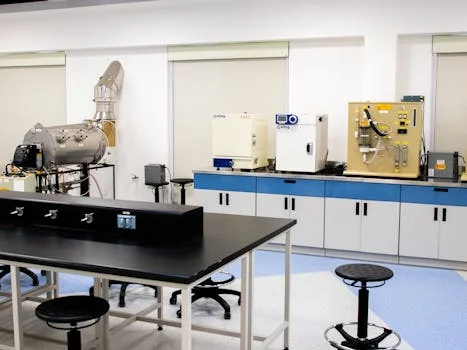
The capital cost of industrial wastewater treatment in Telangana varies significantly based on treatment capacity, technology selected, and site-specific requirements. As of 2025, capital costs for Telangana-based projects range from ₹4–8 Lakhs for a 50 KLD system, ₹12–20 Lakhs for a 100 KLD conventional ETP, and ₹30–50 Lakhs for a 500 KLD plant. Containerized ETPs, which offer faster installation and a smaller footprint, can be 20% cheaper than civil-based systems but are generally limited to capacities below 200 KLD.
| Capacity (KLD) | Conventional ETP (A/O + DAF) | MBR System | ZLD System (MBR + RO + Evaporator) | Typical Industries (Telangana) |
|---|---|---|---|---|
| 50 | ₹4–8 Lakhs | ₹10–15 Lakhs | ₹20–30 Lakhs | Small food processing, auto service centers |
| 100 | ₹12–20 Lakhs | ₹25–35 Lakhs | ₹40–50 Lakhs | Mid-size food processing, textile dyeing, small pharma |
| 200 | ₹25–35 Lakhs | ₹45–60 Lakhs | ₹70–90 Lakhs | Medium textile units, chemical plants |
| 500 | ₹30–50 Lakhs | ₹60–90 Lakhs | ₹1.2–1.8 Crore | Large pharma, integrated textile mills |
Operational Costs and ROI Drivers
Operational costs for conventional ETPs in Telangana range from ₹0.8–1.5/m³, while ZLD systems typically incur higher costs of ₹2–3/m³ due to increased electricity consumption for RO and evaporators, chemical usage, and sludge disposal. However, investing in an efficient wastewater treatment plant in Hyderabad offers significant returns:
- Water Reuse: Treated water reuse can save ₹50–100/m³ in water procurement costs, particularly valuable in water-stressed regions like Hyderabad.
- Penalty Avoidance: Avoiding TGPCB penalties, which can reach ₹10,000 per day, provides a direct financial incentive.
- Government Subsidies: Telangana’s 2025 Industrial Policy offers a 30% capital subsidy for ZLD systems, significantly reducing initial investment for compliant industries.
Hidden Costs in ETP Projects
Beyond direct equipment and installation, several hidden costs impact the overall ETP plant cost in Hyderabad:
- Land Acquisition: ₹5–10 Lakhs per acre in industrial zones for civil-based ETPs.
- TGPCB Approvals: ₹50,000–₹1 Lakh for various permits and No Objection Certificates (NOCs).
- Operator Training & Maintenance: ₹2–4 Lakhs per year for skilled labor and routine maintenance.
Compliance Checklist: Meeting TGPCB’s 2025 Effluent Discharge Standards
Achieving TGPCB's 2025 effluent discharge limits requires a systematic approach to wastewater treatment, from pre-treatment to advanced polishing. A robust compliance strategy ensures not only legal adherence but also operational efficiency and sustainability for industrial wastewater treatment in Telangana.
Pre-treatment Requirements
- pH Adjustment: Maintain influent pH between 6.5–8.5 using chemical dosing (acid/alkali).
- Oil and Grease Removal: Implement effective FOG separation to achieve levels below 10 mg/L before biological treatment.
- Equalization Tanks: Ensure 24-hour retention for pharma wastewater to buffer flow and concentration variations, preventing shock loads to biological units.
Secondary Treatment for Organic and Nutrient Removal
- Biological Process Selection: Choose processes based on influent characteristics and TGPCB limits. MBR is preferred for high BOD/COD (e.g., pharma with COD >5,000 mg/L) and high TSS removal. A/O processes are effective for industries requiring significant nitrogen removal.
- TGPCB Limits: Ensure post-secondary treatment BOD is below 30 mg/L, COD below 250 mg/L, and TSS below 100 mg/L.
Tertiary Treatment for Polishing and Disinfection
- DAF for FOG: Continue using DAF for final FOG removal, especially in food processing.
- Sand Filters: For additional TSS reduction to meet stringent norms.
- Disinfection: Employ chlorine dioxide generators for TGPCB-compliant disinfection to ensure E. coli levels are below 1,000 MPN/100mL before discharge or reuse.
ZLD Compliance and Documentation
For industries mandated to achieve ZLD (e.g., pharma, dyes), compliance extends beyond treatment to comprehensive documentation. This includes submitting monthly water balance reports, detailing water consumption, reuse, and evaporation/crystallization rates. Additionally, sludge disposal certificates from authorized recyclers or TSDFs (Treatment, Storage, and Disposal Facilities) are crucial for demonstrating proper waste management.
Monitoring and Real-time Data Submission
TGPCB mandates the installation of online sensors for key parameters such as pH, TDS, and flow at ETP outlets. Real-time data submission via the Online Continuous Effluent Monitoring System (OCEMS) is critical for continuous compliance tracking and early detection of violations. Regular calibration and maintenance of these sensors are essential to ensure data accuracy.
Case Studies: Telangana Industries Solving Wastewater Challenges with Engineered Solutions
Practical application of advanced wastewater treatment technologies has enabled numerous industries in Telangana to meet stringent TGPCB effluent discharge limits and achieve significant operational efficiencies. These case studies highlight the impact of engineered solutions tailored to specific industrial needs.
- Pharma Plant in Hyderabad (100 KLD): A leading pharmaceutical manufacturer in Hyderabad faced challenges with high-strength wastewater (COD 12,000 mg/L, TDS 4,500 mg/L) and a ZLD mandate. HydropureWater implemented an integrated MBR + RO system followed by a multi-effect evaporator. The system reduced COD to below 150 mg/L and achieved ZLD, allowing for 95% water recovery. The capital cost for this system was ₹45 Lakhs, with a payback period of 3.2 years driven by water cost savings of ₹2.5 Lakhs per month.
- Textile Unit in Patancheru (200 KLD): A textile dyeing unit in Patancheru struggled with high color (1,200 ADMI), elevated TDS (3,800 mg/L), and non-compliance with chromium limits (0.5 mg/L). An engineered solution comprising a DAF system for initial color and TSS removal, followed by an A/O biological system and activated carbon filtration, was installed. This system successfully removed 95% of the color and reduced TDS by 90%, bringing chromium levels down to 0.08 mg/L, well within TGPCB’s 0.1 mg/L limit. The project cost ₹28 Lakhs, with an operational cost of ₹1.1/m³.
- Food Processing Facility in Zaheerabad (50 KLD): A medium-sized food processing plant in Zaheerabad required an efficient solution for wastewater rich in FOG (800 mg/L) and high organic load. A containerized ETP was deployed, integrating screening, a DAF system, and a biological treatment followed by chlorine disinfection. This compact, plug-and-play solution reduced FOG to 8 mg/L and ensured effluent met all discharge norms. The system was installed in 6 weeks at a capital cost of ₹12 Lakhs, offering rapid deployment and minimal civil work.
Frequently Asked Questions
Addressing common inquiries provides clarity and actionable information for industries evaluating industrial wastewater treatment in Telangana.
Q: How many sewage treatment plants are there in Telangana?
A: Telangana has 2,179 operational industrial ETPs, reflecting a 98% compliance rate among industries. Additionally, there are 47 municipal STPs, including the 7 MLD Palapitta STP in Hyderabad, which utilizes Sequential Batch Reactor (SBR) technology, according to TGPCB 2024 data.
Q: What are the three types of industrial wastewater treatment?
A: The three primary types are: (1) Primary treatment, involving physical processes like screening and sedimentation for large solids removal; (2) Secondary treatment, which uses biological processes such as MBR or A/O for organic matter degradation; and (3) Tertiary treatment, focused on advanced polishing using methods like DAF, filtration, or reverse osmosis for specific contaminant removal and disinfection. Telangana’s pharma and textile industries often require all three stages, sometimes extended to ZLD.
Q: Which is the biggest industrial area in Hyderabad?
A: Patancheru, known for its textile and pharmaceutical sectors, and Bollaram, home to numerous chemical industries, are the largest industrial areas in Hyderabad. Together, they generate approximately 60% of Hyderabad’s industrial wastewater. Both areas are subject to strict TGPCB mandates, including ZLD for pharma and dye manufacturing units.
Q: What is the cost of a 100 KLD industrial wastewater treatment plant in Telangana?
A: The cost of a 100 KLD industrial wastewater treatment plant in Telangana varies significantly by technology. A conventional ETP (A/O + DAF) typically costs ₹12–20 Lakhs. An MBR-based system, offering higher efficiency and a smaller footprint, ranges from ₹25–35 Lakhs. A comprehensive ZLD system, which includes MBR, RO, and evaporators, can cost ₹40–50 Lakhs. Containerized systems generally offer a 20% cost reduction but are usually limited to capacities below 200 KLD.
Q: How do I choose between MBR and conventional ETP for my industry?
A: MBR systems are ideal for industries with high-strength wastewater (e.g., COD >5,000 mg/L) or those facing severe space constraints, offering superior TSS removal (99%) and consistent effluent quality but at a higher capital cost (₹25–35 Lakhs for 100 KLD). Conventional ETPs (₹12–20 Lakhs for 100 KLD) are suitable for lower-strength wastewater (e.g., COD <3,000 mg/L) and industries with ample land availability, providing a cost-effective solution with a larger footprint.