What Changes for Paris Manufacturers in 2026
The supplied evidence does not identify a new universal 2026 treatment mandate for Paris manufacturers. Project decisions still require the applicable permit, sewer agreement, sector-specific criteria and measured industrial-stream data. A current regional example is the Tire Industry Project pilot involving SIAAP, ERM and the Valenton plant, which runs through 2026 to assess tire and road wear particle removal in municipal wastewater (Tire Industry Project, 2026-06-16). It is relevant monitoring activity, but it is not a factory-scale treatment standard for high-COD trade waste.
SIAAP manages six wastewater treatment plants, 481 km of sewer lines and eight stormwater basins, treating approximately 2.5 million m³/day for more than 9 million people in the Paris region (Tire Industry Project, 2026-06-16). Manufacturers should therefore separate municipal monitoring evidence from their own acceptance criteria. The practical change is not a new generic treatment rule: it is a stronger requirement to base procurement on the applicable Paris-area authorization, current sewer conditions and measured stream characteristics rather than on municipal plant performance or broad treatment percentages. The associated review of how site-specific sewer limits shape treatment acceptance criteria provides useful procurement context, but its non-Paris setting cannot replace local approval.
Characterize the COD Before Selecting Equipment
High chemical oxygen demand is not a single treatment problem: the design must distinguish particulate, emulsified, soluble and toxic fractions because each responds differently to separation, chemistry and biology. A headline COD result does not tell the supplier which unit will remove the load. Required characterization includes flow, total COD, filtered or soluble COD, suspended solids, oil and grease, pH, temperature, conductivity and toxicity. Any missing parameter remains an explicit design gap rather than a value to assume.
Particulate and emulsified COD increases the demand on DAF or chemical separation and can inhibit biological treatment. Soluble biodegradable COD is the principal load addressed by aerobic biology. Toxicity and non-biodegradable compounds require separate evaluation because biological acclimation cannot be inferred from COD alone.
| Measured input | Design question | Information needed before final sizing |
|---|---|---|
| Total and filtered or soluble COD | How much load must biology remove? | Representative concentrations, COD fraction and time-based sampling |
| Suspended solids and particle size | Which solids must be separated before biology? | Mass loading and settleability or filtration behavior |
| Oil and grease | Is free oil, emulsified oil or both present? | Oil characteristics, emulsification and recoverability |
| pH, temperature and conductivity | What chemical correction or temperature control is needed? | Minimum, maximum and seasonal operating conditions |
| Toxicity | Can the biological community treat the wastewater? | Toxicity test method, response and inhibition threshold |
| Flow | What are average, peak and batch-discharge rates? | Time series covering production and cleaning cycles |
The Robert Gordon University thesis supports an integrated approach to mixed waste streams: it investigated mechanical separation, chemical treatment, electrocoagulation and advanced oxidation rather than expecting one unit to handle every contaminant (Robert Gordon University thesis, 2012). Its filtration-based mechanical separation reduced TSS, BOD and TOC in oily wastewater, but that result must not be converted into a universal DAF or COD-removal claim.
For batch discharges, variable production or cleaning cycles, one grab sample is inadequate. Require a time-based sampling plan that separates routine flow, production peaks, slug loads and cleaning events. The trade-waste characterization approach for high-COD effluent illustrates the decision logic, although its local requirements must not be transferred to Paris.
Build a Pretreatment Train That Protects the Biology
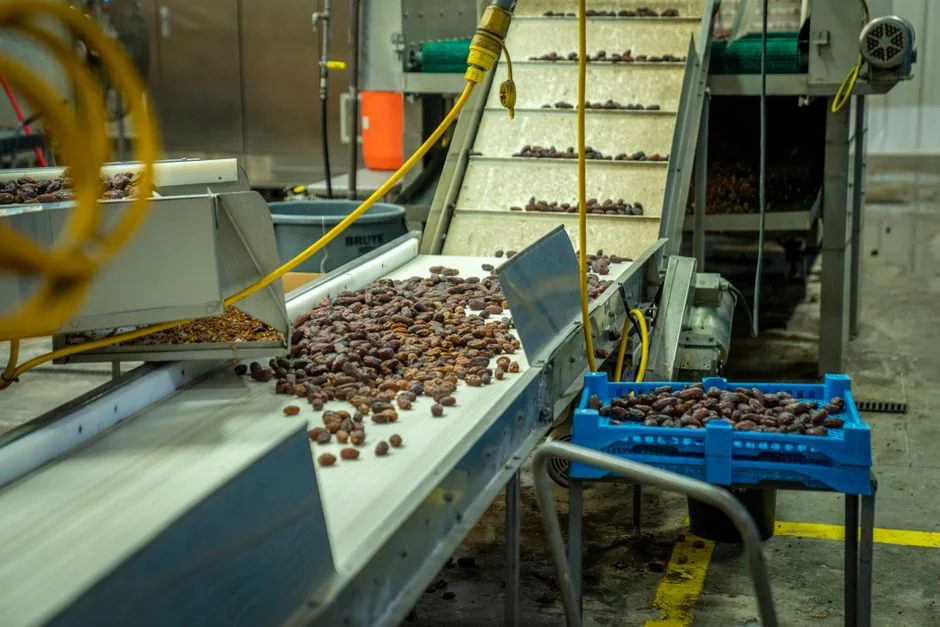
A defensible Paris industrial wastewater train starts with screening, flow equalization, pH control where needed, oil and colloid removal, particulate separation and only then biological treatment. The sequence controls shock loads and removes material that would impair biomass activity, sludge separation or membranes.
- Screen the influent: remove rags, fibrous debris and oversized solids before they enter pumps or treatment units.
- Equalize flow and load: blend batch discharges before treatment and provide sufficient residence time to smooth downstream loading.
- Control pH where required: protect separation chemistry and the biological process from unsuitable discharge conditions.
- Remove oil, grease and colloids: apply physical or chemical separation according to whether the contaminants are free, emulsified or finely dispersed.
- Separate remaining solids: reduce particulate COD and protect the biological stage from excessive solids loading.
- Treat soluble biodegradable COD biologically: select MBBR, SBR or MBR against the measured soluble load and operating constraints.
DAF is a pretreatment option where suspended solids, FOG, oil, grease or colloidal matter must be removed before biology. A DAF system for industrial pretreatment must be designed around oil characteristics, solids loading, chemical demand, flotation performance and sludge handling; skimming and residuals disposal are part of the unit rather than ancillary details.
The Robert Gordon University thesis supports combining mechanical and chemical stages for mixed waste streams (Robert Gordon University thesis, 2012). Its electrocoagulation module removed 99.9% of TPH from Sureclean interceptor effluent. That is a specific oily-effluent result, not a COD-removal result and not direct evidence for DAF. The same thesis demonstrated a 52.6% reduction in sewage-sludge volume through chemical-enhanced, filtration-based separation. Both findings show why sludge yield and residual handling belong in the plant comparison.
Actual oil, solids and chemical demand must be demonstrated with the plant’s wastewater. Unsupported flow and loading assumptions should not be used to order equipment. Screening equipment must protect downstream pumps, while metered chemical dosing should be tied to verified pH and coagulation demand, as discussed in the sewer-limit pretreatment context. Automatic chemical dosing systems should be specified from representative trials and the chosen control strategy, not from a generic dose rate.
Compare MBBR, SBR and MBR for Soluble COD
MBBR, SBR and MBR remove soluble biodegradable COD through different operating architectures, so the correct comparison depends on hydraulic variability, footprint, solids separation, reuse targets and operator capability. Published percentages are only useful when their test conditions are comparable with the Paris site.
MBBR uses carrier-supported biomass within a biological reactor. SBR is a fill-and-draw activated-sludge process with timed biological and settling phases. MBR combines activated-sludge treatment with membrane separation, providing fine solids separation without a conventional final clarifier. The integrated MBR membrane bioreactor catalog specifies filtration below 1 μm and a capacity range of 10–2000 m³/day; these are product-specific specifications, not independent effluent-performance guarantees.
| Decision factor | MBBR | SBR | MBR |
|---|---|---|---|
| Process form | Carrier-supported biological reactor | Timed fill, react, settle and draw cycle | Activated sludge with membrane separation |
| Soluble COD treatment | Biodegradable organics removed by attached and suspended biomass | Biodegradable organics removed during biological phases | Biodegradable organics removed biologically before membrane separation |
| Hydraulic variability | May suit retrofit applications with available reactor volume | Requires cyclic operation and adequate equalization | Requires membrane-flow control and protection from fouling |
| Footprint and solids separation | No membrane separator; suspended solids still require clarification | Clarification occurs during the settling phase | Compact membrane solids separation; treatment and sludge handling remain essential |
| Reuse orientation | Depends on final clarification and effluent quality | Depends on settling and effluent quality | Potentially attractive where fine solids separation supports reuse |
| Primary operating concern | Biomass condition, carrier movement and downstream solids handling | Cycle control, settling and hydraulic sequencing | Membrane cleaning, fouling control and sludge handling |
The Juniper Publishers lab-scale MBBR study reported 80% COD removal compared with 60–70% for activated sludge, but this was a K3-carrier study rather than proof of superior performance at every Paris plant (Juniper Publishers study). The PubMed record establishes aerobic SBR treatment as a high-COD topic but supplies no numerical performance that can be reused (PubMed record, “High COD wastewater treatment in an aerobic SBR”).
Choose MBR where compact solids separation and reuse-oriented effluent are priorities, subject to fouling and maintenance controls. MBBR may be more appropriate for a simpler biological retrofit, while SBR can suit operators able to manage cyclic sequencing. For a deeper comparison, MBR versus conventional activated sludge for plastics wastewater and the petroleum-wastewater comparison address application-specific conditions rather than establishing universal superiority.
Size the Biological Stage from Real Operating Data

Biological sizing should convert a measured COD mass load into the required reactor volume and oxygen demand, then test whether that design remains credible through temperature and loading variations. Required inputs are average and peak hourly flow, total and soluble COD mass loading, hydraulic retention time, temperature range, biomass concentration and the required effluent COD or reuse target.
| Juniper Publishers test condition | Published result | Correct engineering use |
|---|---|---|
| Influent COD 1000–3500 mg/L | Tested across increasing inlet COD | Application-specific benchmark, not a Paris design concentration |
| HRT tested at 3, 5, 8 and 12 hours | 8-hour HRT selected | Benchmark for pilot or manufacturer verification |
| Carrier filling ratio 50% | Used in the study matrix | One tested reactor configuration, not a universal requirement |
| 8-hour HRT | More than 80% COD removal | Must be matched to representative site conditions |
| 12-hour HRT | Approximately 86% COD removal | Three-percentage-point gain cited by the study |
| Temperature tests | About 70% at 20°C; about 90% at 25°C; 92% at 27°C; 94% at 32°C | Shows why cold-season performance and reactor heating or insulation require evaluation |
The study selected 8 hours because the three-percentage-point difference from the 12-hour result did not justify the longer treatment time (Juniper Publishers study). That selection logic cannot be transferred without matching the site’s flow, temperature, loadability and biological conditions. Its reported COD-removal percentages also compare lab-scale K3-carrier performance with activated-sludge results, not a guarantee for every full-scale installation.
Before ordering, require pilot testing or a written performance guarantee based on representative influent. Ask suppliers to state the measurement boundary, test duration, temperature conditions, carrier filling ratio, biomass basis and whether sludge age or start-up requirements are included. The Santiago high-COD treatment strategy and Vancouver high-COD trade-waste guidance can inform the sequence, but their locations and requirements do not establish Paris acceptance criteria.
Control the Risks That Decide Project Success
Variable batch discharges, misclassified COD fractions, emulsified oil, toxic or non-biodegradable compounds, pH shock and temperature variation can defeat an otherwise suitable treatment train. Sludge handling, odor, membrane fouling and DAF fouling also determine whether the plant remains operable after commissioning.
Require current analytical data and a mass balance covering flow, COD, solids, oil, recovered material and residual sludge. Average daily flow and one COD concentration do not establish peak load, hydraulic retention time or reagent demand. A mass balance should calculate daily and hourly COD loads using representative sampling periods.
Supplier evaluation should cover retention time, footprint, utilities, control philosophy, operator training, maintenance access and the approved sludge-disposal route. These operating requirements belong in the comparison alongside equipment price. A plate and frame filter press may form the solids-dewatering route, but its suitability depends on sludge characteristics, expected yield and disposal logistics.
Performance acceptance criteria should be written for flow, COD, solids, recovered oil, sludge and automatic controls. Clearly distinguish guaranteed performance from modeled, literature-derived or pilot-stage results. The supplied research does not establish current Paris-specific industrial effluent limits, so each permit, sewer agreement and sector-specific requirement must be checked before ordering.
A Decision Framework for Equipment Selection
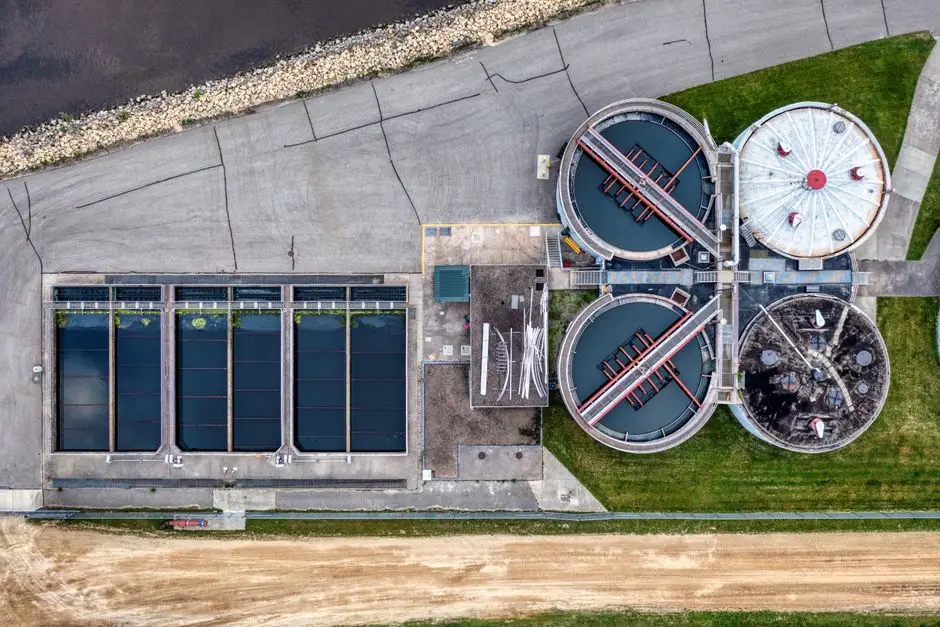
Equipment selection should begin with the discharge objective, not with a preferred unit. The possible outcomes are sewer discharge, controlled pretreatment for a municipal plant, process-water reuse or a defined lower-risk partial-treatment scope. Each objective changes the required solids separation, biological performance and documentation.
| Decision sequence | Selection rule | Evidence required from the supplier |
|---|---|---|
| Define the objective | Separate sewer, municipal pretreatment, reuse and partial treatment | Guaranteed effluent basis and applicable acceptance standard |
| Characterize the physical fraction | Use DAF for FOG, suspended solids and colloids; use chemical dosing where pH or coagulation chemistry must be controlled; use screening for rags and fibrous debris | Representative-sample trial data and residual-handling proposal |
| Match soluble COD removal | Select MBBR, SBR or MBR using load, variability, footprint, reuse target and operator capability | Design basis, mass balance, biological calculations and performance guarantee |
| Compare installed outcomes | Evaluate biological removal, clarified solids, sludge generation, energy, chemicals, footprint and maintenance together | Complete scope and transparent operating assumptions |
| Define commissioning | Set measurable tests using representative influent | Test protocol, instruments, sampling points and acceptance consequences |
Request DAF sizing from measured flow, oil, solids and colloid data using the method in calculating DAF capacity from industrial wastewater data. For sewer-facing pretreatment, meeting sewer pretreatment limits for industrial wastewater shows why acceptance criteria must be defined before comparing quotations.
Do not compare one skid price in isolation. A lower-cost DAF with excessive chemical demand or a biological system that fails under cold, peak loading can carry a higher whole-life cost. Require vendor testing or pilot data against representative samples and define how performance will be measured during commissioning.
Frequently Asked Questions
Should a Paris manufacturer choose MBR or MBBR for high-COD industrial wastewater?
Choose MBR when compact solids separation and reuse-oriented effluent are priorities and the site can support membrane maintenance and fouling control. Consider MBBR where a simpler biological retrofit is preferable. The Juniper Publishers study reported 80% COD removal for its lab-scale K3-carrier MBBR compared with 60–70% for activated sludge, but that result is not a Paris guarantee. Compare the systems using representative soluble COD load, temperature, hydraulic variability, operator capability and required effluent quality.
What data should I provide before requesting a DAF or biological-system quotation?
Provide average and peak hourly flow, total and filtered or soluble COD, suspended solids, oil and grease, pH, temperature, conductivity, toxicity and a time-based sampling plan. For biological sizing, also provide the target effluent COD or reuse specification, hydraulic retention time and temperature range. The Juniper Publishers matrix—influent COD of 1000–3500 mg/L, HRT options of 3, 5, 8 and 12 hours and a 50% carrier filling ratio—provides a benchmark for verification, not default design values.
How much will high-COD trade-waste treatment cost in the Paris area?
The supplied research provides no Paris equipment prices or whole-life cost figures. A defensible quotation needs the measured flow and COD load, pretreatment requirements, reuse target, utilities, footprint, sludge-handling route and automatic-control scope. Ask each supplier to separate equipment, installation, civil works, chemicals, energy, commissioning, operator training and maintenance. A skid price alone does not reveal the treatment cost per cubic metre or the cost of residual handling.
Which current permit and sewer criteria must a Paris factory check?
Check the site’s current permit, sewer agreement and applicable sector-specific requirements with the relevant authorities; the supplied research does not establish one universal Paris industrial effluent limit. Do not use the 2026 Valenton municipal pilot on tire and road wear particles as a high-COD acceptance standard. Define permit limits, analytical methods, monitoring frequency and commissioning criteria before the equipment order, using the MBR and conventional activated-sludge comparison for process context rather than regulatory authority.