What Changes for Bogotá Manufacturers in 2026?
Bogotá manufacturers treating trade waste with high COD generally need an engineered combination of characterization, equalization, physical or chemical pretreatment, biological treatment, clarification or membrane separation, and disinfection where required. Dissolved air flotation is useful for suspended solids, oil and grease, and colloidal material, but it does not by itself remove dissolved biodegradable COD; biological treatment is generally needed for that load. MBR can combine activated sludge with membrane separation for a compact train with low-turbidity effluent. No final train can be selected from the keyword alone: it depends on measured COD, flow, pH, toxicity, nutrients, suspended solids, fats, oils, biodegradability, discharge destination, and permit limits. Bogotá’s expanding municipal infrastructure does not replace the manufacturer’s own pretreatment and compliance obligations.
The World Bank’s Initial Project Information Document, prepared on 10 July 2026, states that Bogotá treats only about 30% of its wastewater and discharges the remainder untreated. The same document says the Canoas WWTP concession is intended to treat the remaining 70% under a US$1.8 billion Design-Build-Operate-Transfer structure. It identifies 7.3 million direct beneficiaries and US$500 million in first-phase financing, consisting of US$30 million from IBRD/IDA and US$470 million in counterpart funding.
Those figures describe a municipal infrastructure programme, not an exemption for factories. A factory discharging to a sewer still needs to verify its environmental permit, sewer authority requirements, prohibited materials, local discharge limits, monitoring frequency, and any applicable pretreatment agreement. A receiving WWTP may impose industrial pretreatment controls even where it is permitted to receive the discharge.
Source control remains material because the WSP project on the Bogotá River reports domestic and industrial wastewater discharges and estimates daily loads of chromium, lead, iron, detergent, and suspended solids entering the river. Industrial pretreatment should therefore be designed around contaminant-specific risks, not COD alone. The high-COD trade-waste treatment methodology provides a transferable process-selection framework, while MBR versus conventional activated sludge helps frame the biological-treatment decision.
Characterize the Trade Waste Before Choosing Equipment
COD concentration alone cannot define an industrial wastewater pretreatment design in Bogotá. The controlling distinction is how much of the COD is dissolved and biodegradable versus particulate, colloidal, inert, or toxic, because each fraction requires a different removal mechanism.
Request a representative wastewater profile covering average and peak flow, raw and treated COD, biochemical oxygen demand, suspended solids, oil and grease, pH, temperature, conductivity or salinity, nutrients, toxicity, and biodegradability. Sampling must cover production, cleaning, shutdown, and batch-discharge periods; otherwise, equalization and peak-load requirements will reflect only routine operation. Include operational variability, production schedules, and any water reused within the factory.
Use the data below to structure vendor submissions and identify missing information before comparing equipment.
| Information to obtain | Decision supported | Why a COD-only submission is inadequate |
|---|---|---|
| Average and peak flow, including batch discharges | Equalization, hydraulic loading, equipment size | COD concentration does not establish flow or peak-load capacity. |
| Raw and treated COD; biochemical oxygen demand | Biodegradable organic load and biological sizing | COD does not by itself establish whether the organic matter is biologically removable. |
| Suspended solids, oil and grease, and particle distribution | DAF, screening, coagulation, and solids handling | Particulate material may require physical removal before biological treatment. |
| pH, temperature, salinity, nutrients, toxicity, and biodegradability | Biological viability and chemical dosing | Concentrated COD may be non-biodegradable or inhibitory. |
| Discharge destination and current permit or sewer conditions | Treatment objective and monitoring | The applicable outlet limits are site-specific and cannot be inferred from a generic COD range. |
Confirm whether the final route is a sanitary sewer, a permitted receiving system, or another authorized destination. Obtain the current permit and sewer requirements, including prohibited discharges, local limits, monitoring frequency, pretreatment agreements, and any restrictions on concentrations or slug loads. The supplied research does not establish site-specific Bogotá COD limits or guaranteed outlet values; those must come from the applicable permit and sewer authority.
A structured characterization request is more defensible than a request for “a high-COD treatment package.” The trade-waste and high-COD treatment guide provides a useful starting point for separating characterization from equipment selection.
Build a Treatment Train from the Wastewater Profile
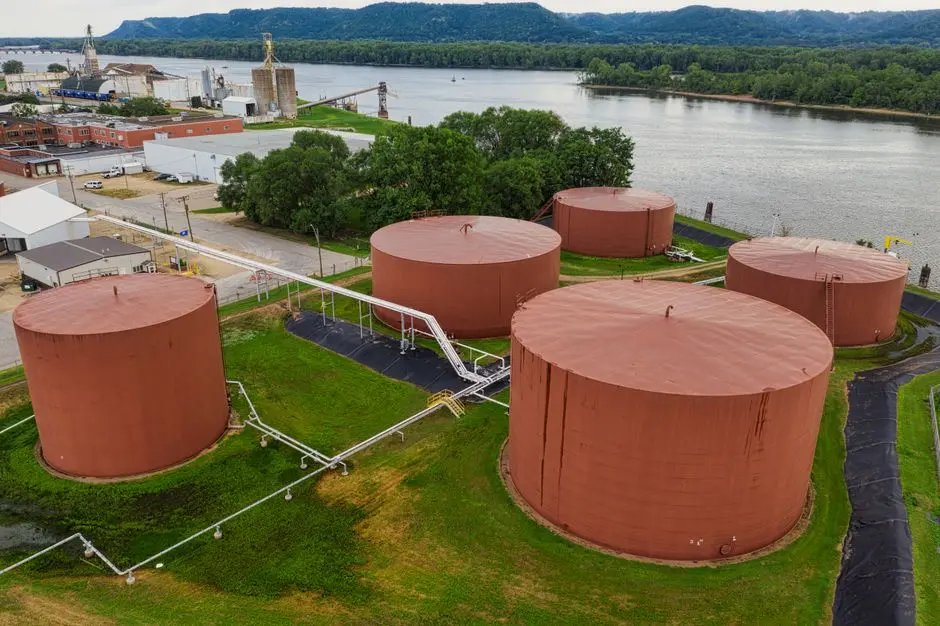
The practical treatment train begins with source control and segregation, then removes or controls physical contaminants before applying biological treatment to the biodegradable dissolved load.
- Control and segregate at source. Separate clean stormwater, high-strength process streams, cleaning solutions, and incompatible wastes where practical. Prevent spills and batch releases from overwhelming the treatment train.
- Screen and remove coarse solids. Protect pumps, membranes, biological systems, and sludge equipment from rags, packaging, and settleable debris.
- Equalize flow and load. Buffer batch discharges and production peaks before the main treatment process.
- Adjust pH and apply physical or chemical pretreatment where necessary. This stage may involve DAF, coagulation, flocculation, or pH control, depending on the wastewater.
- Remove biodegradable dissolved COD. Biological treatment is required when the objective is to remove dissolved organics that can be metabolized by an appropriate microbial system.
- Clarify or separate solids. A conventional biological train may use settling; an MBR train uses membrane separation within the biological process.
- Polish or disinfect only as required. Filtration, membrane treatment, or disinfection should follow from the permit, reuse requirement, or downstream sensitivity.
| Treatment stage | Primary role | Selection condition | Main design issue |
|---|---|---|---|
| Screening and equalization | Protect downstream equipment and buffer variability | Required where solids, batch flows, or load peaks are present | Peak flow, detention, pumping, and bypass control |
| DAF pretreatment | Remove suspended solids, FOG, oil and grease, and colloidal material | Use when physical contaminants would impair biological treatment | Feed condition, chemical demand, recovered sludge, and odor control |
| Biological treatment | Remove biodegradable dissolved organics | Use when toxicity and biodegradability support microbial treatment | Organic loading, nutrients, aeration, sludge age, and shock response |
| Clarification or MBR | Separate biological solids from treated liquid | Clarification for conventional trains; MBR for compact biological separation | Solids separation, membrane fouling, hydraulic control, and sludge extraction |
| Polishing and disinfection | Meet specified outlet or reuse requirements | Add only where the written objective requires it | Capital cost, energy, cleaning, monitoring, and residual management |
DAF is a pretreatment step, not a stand-alone solution for dissolved COD. For physical removal, a DAF pretreatment for suspended solids, FOG, oil and grease should be evaluated against the actual feed and downstream biological load. Biological systems can be packaged with clarification and disinfection, but the membrane bioreactor operating guide explains why membrane and biological duties must be evaluated together.
MDPI’s 2026 Biological Treatment of Organic Waste in Wastewater—towards a Circular and Bio-Based Economy identifies process operation, optimization, monitoring, modeling, pathogen removal, emerging pollutants, reuse, resource recovery, energy valorization, and life-cycle assessment as active research areas. Those subjects matter during equipment selection: biological performance cannot be separated from sludge handling, controls, operating stability, or downstream use.
Plan for DAF and biological sludge from the start. The World Bank PID prepared on 10 July 2026 flags sludge management as an environmental risk requiring controls against soil and water contamination. Industrial sludge dewatering, storage, transport, and disposal therefore belong in the original treatment design rather than being deferred to operations.
Choose Between DAF, Biological Treatment, MBR, and Membranes
DAF, biological treatment, MBR, and membrane polishing solve different problems; the principal contaminant and required outlet quality determine the train.
| Option | Best-fit role | Selection basis | Key caution |
|---|---|---|---|
| DAF | Physical and colloidal contaminant removal | Suspended solids, FOG, oil and grease, or material likely to inhibit downstream treatment | Does not provide complete removal of dissolved biodegradable COD. |
| Integrated biological package | Biological treatment, clarification, and conditional disinfection | A compact below-grade or mobile deployment matches the wastewater and site constraints | Requires a verified biodegradability and loading basis. |
| MBR | Combined biological treatment and membrane solids separation | Compact footprint, biological treatment, and low-turbidity separation are required together | Fouling control, membrane replacement, and skilled operation remain essential. |
| UF or RO | Polishing or reuse | The written outlet specification or reuse application justifies the added treatment burden | Adds energy, pretreatment, membrane maintenance, and concentrate-management requirements. |
HydropureWater’s catalog lists DAF capacities from 4 to 300 m³/h across 13 standard models. Its MBR catalog lists capacities from 10 to 2,000 m³/day and filtration below 1 micron. The integrated MBR membrane bioreactor is therefore a candidate when biological treatment and solids separation must be combined in a compact footprint. The WSZ catalog referenced for the biological package gives a range of 1–80 m³/h, suitable for preliminary screening when below-grade or mobile deployment is being evaluated.
Chemical dosing should be included only where jar tests and process design demonstrate a need. PLC-controlled dosing can be appropriate for coagulants, flocculants, pH adjusters, or specialty chemicals, but the bid should define the chemical, dose basis, storage, delivery, and control response rather than merely include a dosing skid.
Reserve UF and RO for a documented polishing or reuse requirement. For industrial RO, pretreatment, membrane replacement, fouling control, and concentrate handling materially affect performance and life-cycle cost; the industrial RO maintenance protocol from 2025 illustrates the operational burden that must be priced.
Do not accept universal COD-removal percentages or a generic guaranteed Bogotá discharge specification. The supplied sources do not support them. Require pilot testing, or process guarantees tied to the written design influent, duty cycle, and outlet requirement.
Turn the Design into a Vendor-Selection and Procurement Checklist
A comparable bid should state the same project basis, design assumptions, performance obligation, and commissioning evidence for every supplier.
- Design basis: design influent, average and peak flow, COD fraction, operating schedule, treatment objective, duty cycle, utilities, footprint, and sludge-production basis.
- Process fit: explain how the train handles toxicity, shock loading, pH imbalance, FOG, suspended solids, odor, and sludge separation.
- Controls: define the control philosophy, automatic operation, alarms, overload protection, fail-safe states, downstream protection, and local/remote access.
- Performance: guarantee the written outlet requirement at the agreed influent and operating conditions; specify sampling methods, test periods, correction factors, and remedies for non-compliance.
- Lifecycle cost: price energy, chemicals, membranes or media replacement, sludge handling, operator attention, spares, monitoring, and waste disposal.
- Installation: verify access, excavation, burial or trailer deployment, utilities, drainage, noise, odor control, and maintenance clearances.
- Commissioning: include shop testing, site acceptance, hydraulic testing, biological startup where applicable, operator training, and performance verification.
Distinguish a retrofit-ready package from a full custom process. A package should be evaluated against verified site dimensions, utilities, connections, access, and controls. A custom process should justify its additional engineering through site-specific characterization, pilot evidence, and a defined performance risk allocation.
Do not compare purchase price alone. A lower-cost bid can carry higher lifetime cost if it relies on more chemical use, frequent media replacement, higher aeration demand, or outsourced sludge handling. Ask bidders to state assumptions and provide operating-cost estimates for the agreed design basis.
The World Bank PID’s High environmental and social risk classification for Canoas illustrates why environmental, health, safety, and sludge controls matter in large wastewater projects. That rating applies to the municipal concession rather than an industrial skid, but the engineering lesson remains applicable: treatment acceptance should include risk controls, not only equipment availability.
Commission, Monitor, and Adjust the System
Commissioning should establish a defensible baseline against the permit and design basis, not simply demonstrate that the skid starts.
Baseline untreated and treated COD, flow, suspended solids, pH, oil and grease, and every permit-specific parameter. During biological startup, track the response to the actual production cycle rather than a controlled clean-water test. Where membranes are installed, record differential pressure, cleaning events, and normalized permeability; where DAF is used, record flotation performance and sludge withdrawal.
Track operating parameters such as aeration, recirculation, hydraulic retention, chemical dose, flotation performance, sludge concentration, and energy use. Define alarm and action thresholds from the supplier’s operating envelope and the approved permit. Generic equipment ranges are operating guidance, not regulatory limits.
Use trend review and campaign sampling to verify performance through production changes, cleaning events, and batch discharges. A single startup sample cannot demonstrate long-term compliance. Plan membrane cleaning, media replacement, sludge withdrawal, odor control, and contingency operation from project initiation, with the 2026 monitoring-platform cost guide providing a broader view of monitoring and operational-cost considerations.
Frequently Asked Questions
What information does a supplier need to size high-COD effluent treatment?
Request average and peak flow, operating and batch-discharge schedules, raw and treated COD, biochemical oxygen demand, suspended solids, oil and grease, pH, temperature, salinity or conductivity, nutrients, toxicity, biodegradability, discharge destination, and current permit limits. Ask the bidder to state which parameters control each unit’s size and to identify any assumed value. A quotation based only on COD concentration is not a defensible size basis.
How should a buyer select between DAF and biological treatment?
Select DAF when suspended solids, FOG, oil and grease, or colloidal material are the principal loads or would impair downstream biological treatment. Select biological treatment when dissolved biodegradable COD must be removed. A combined train may be necessary when both contaminant groups are significant, but the technical basis should be demonstrated through characterization and, where warranted, pilot work.
What should a factory budget for an industrial wastewater pretreatment system?
Ask for a complete lifecycle quotation covering equipment, installation, utilities, controls, chemical supply, membranes or media replacement, sludge dewatering and disposal, operator training, monitoring, maintenance, spares, and performance remedies. The supplied research does not establish Bogotá equipment prices or installation quotations, so request a site-specific quotation using the characterized wastewater and final discharge requirements.
What should be checked when selecting a treatment-package supplier?
Check process fit, references for comparable wastewater, design assumptions, controls, overload protection, service support, operator training, commissioning tests, and guarantees tied to the written permit. Also require a clear sludge and energy proposal. Confirm that the proposed package fits site access, utilities, drainage, footprint, and disposal routes; otherwise, a nominal package capacity may not translate into an operable installation.
Does Bogotá’s municipal wastewater expansion remove the factory’s discharge obligations?
No. Municipal treatment investment does not replace the manufacturer’s permit obligations, sewer rules, prohibited-discharge controls, or any pretreatment agreement. The factory must demonstrate that its discharge is acceptable to the applicable authority, while the municipality’s infrastructure and the generator’s on-site pretreatment remain separate responsibilities. Obtain the current permit and sewer conditions before procurement.
Related Equipment
- integrated MBR membrane bioreactor — specifications, capacity range, and technical data