Start with the permit that actually controls the discharge
Food and beverage plants near Madisonville meet pretreatment limits by treating wastewater to the stricter applicable POTW permit before sewer discharge. The governing framework combines 40 CFR 403, the relevant food-processing categorical standard in 40 CFR Parts 405–409, and site-specific local limits. A defensible treatment train typically starts with screening and equalization, then applies DAF for FOG and suspended solids, biological treatment for BOD/COD, chemical precipitation for phosphorus, and final polishing. Equipment must be sized from measured flow, peak-to-average ratio, raw BOD, raw FOG and permit limits—not generic food-processing assumptions.
The first document to obtain is the industrial-user permit issued by the receiving POTW or sewer authority. The federal framework establishes pretreatment requirements, the categorical standard supplies a numerical floor for the applicable processing category, and the local permit can impose stricter limits and monitoring conditions. HydropureWater’s 2026 pretreatment overview describes this hierarchy as federal categorical limits being the floor and local permit conditions being the enforceable ceiling; it is also the basis for the food and beverage wastewater compliance guide for a nearby plant.
| Requirement layer | What it establishes | Plant action before equipment selection |
|---|---|---|
| 40 CFR 403 | Federal National Pretreatment Program framework administered through authorized local programs | Confirm the facility is an industrial user and identify its control authority |
| 40 CFR 405–409 | Categorical standards applicable to the plant’s processing category | Determine whether production falls within the relevant category and identify applicable subparts |
| Site-specific POTW permit | Enforceable local limits, monitoring, sampling and reporting conditions | Use the current permit—not a generic food-processing standard—as the acceptance basis |
The categorical scope must match the actual operation: Part 405 covers dairy products, Part 406 grain mills, Part 407 canned and preserved fruits and vegetables, Part 408 canned and preserved seafood, and Part 409 meat products. HydropureWater identifies these as process-based standards for parameters including BOD, TSS, FOG and pH. A brewery, dairy processor and meat plant therefore cannot share one assumed categorical basis.
“Near Madisonville” is a permit-jurisdiction question, not proof of which authority controls. Confirm the receiving sewer authority, permit expiration, local-limit table, monitoring frequency, sample method, discharge-point restrictions and noncompliance-notice procedure. Also verify whether continuous pH and flow monitoring applies. The F&B design context in the food processing wastewater treatment engineering guide supports treating these requirements as part of the design basis rather than paperwork added after equipment selection.
Build one waste stream profile for every discharge point
Food processing wastewater must be characterized by stream because production wastewater, product loss, CIP chemicals, floor washing and cooling water create different permit and treatment implications. Combining them only by daily volume can conceal a short, high-strength discharge that determines equalization volume, DAF recycle and biological loading. The permit-to-equipment process begins by mapping each source to its discharge point and sampling each materially different stream.
HydropureWater identifies BOD/COD, TSS, FOG, total phosphorus, pH and temperature as six core pretreatment design parameters. Its 2026 food and beverage wastewater overview reports that dairy and meat processing commonly produce 1,000–10,000 mg/L BOD; FOG can reach several thousand mg/L in fryer, rendering and stickwater streams; and cereal, dairy and meat wastewater commonly contains 10–100 mg/L total phosphorus as P. These are raw-waste contexts, not plant design limits or predicted treatment performance.
| Design input | Why it is needed | Evidence a buyer should request |
|---|---|---|
| Forward flow | Establishes hydraulic loading and basin volume | Continuous or production-period flow record, including peak periods |
| Peak-to-average ratio | Tests whether equalization and biological capacity handle washdown peaks | Flow series covering normal production and sanitation cycles |
| Raw BOD | Determines organic loading on biological treatment | Composite laboratory results by representative stream and operating condition |
| Raw FOG | Determines DAF feed load, conditioning needs and recycle | Representative FOG concentrations, including high-FOG production segments |
| CIP timing and duration | Identifies slug loads and pH excursions | Cleaning schedule, dump volume, chemicals used and discharge routing |
Sample production water separately from product-loss and CIP drains where permitted or operationally feasible. Floor washing and cooling-water streams also need characterization because chemicals, food solids, lubricants and temperature can change their treatment implications. A single plant-wide grab sample is not a defensible substitute for stream-specific data.
pH and temperature require attention to timing. HydropureWater’s 2026 overview states that CIP and cooking operations routinely can produce temperature excursions above 40 °C. Crystal Clean likewise reports that food processing wastewater can swing between acidic and alkaline conditions as acidic and caustic cleaning chemicals cycle through a facility. Capture both normal conditions and CIP dump periods so equalization and pH-trimming requirements are based on observed sequences, not an average.
Match each pollutant to the unit operation that controls it
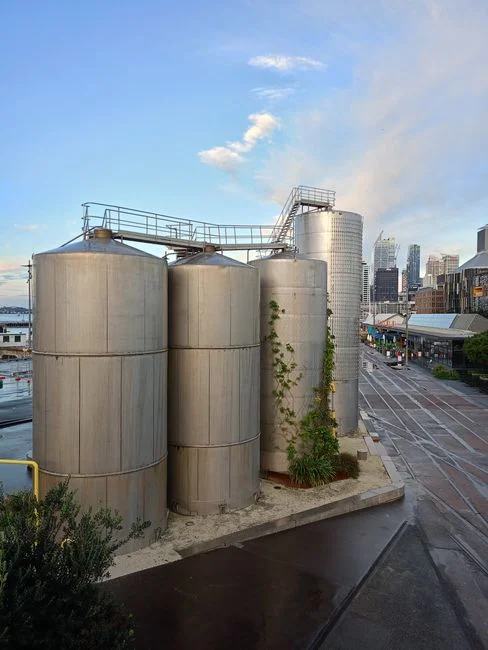
Each pretreatment stage should be justified by the pollutant it removes and the failure it prevents. HydropureWater’s 2026 pretreatment overview identifies the defensible F&B sequence as screening, equalization, DAF, biological treatment, chemical precipitation and final polishing. A shortened train may be appropriate, but only when measured influent data and the controlling permit show that omitted stages are unnecessary.
| Unit operation | Primary target | Design evidence and diagnostic purpose |
|---|---|---|
| Screening | Debris and coarse suspended solids | Protect downstream equipment and prevent channel blockage |
| Equalization basin | Hydraulic peaks and pH instability | Blend production and CIP flows; insufficient volume causes peak overload and failed pH trimming |
| DAF | FOG, oil, grease, colloids and suspended solids | HydropureWater cites 4–25 m/h surface loading, 0.005–0.02 air-to-solids ratio and 20–40% recycle as F&B sizing ranges |
| Biological treatment | BOD and COD | Source ranges: 8–24 hours HRT and 3,000–5,000 mg/L MLSS for conventional activated sludge; 4–10 hours HRT and 8,000–12,000 mg/L MLSS for MBR |
| Chemical precipitation | Total phosphorus | HydropureWater cites 50–250 mg/L alum or 30–150 mg/L ferric chloride; dose must follow mixed-liquor testing |
| Final clarification or polishing | Residual solids or phosphorus | HydropureWater cites 20–40 m/h surface loading for lamella clarification |
DAF is the primary FOG-removal step in this sequence, not a substitute for biological treatment. Its conditioning and hydraulic capacity must follow measured FOG and TSS. HydropureWater also reports 25–50 mg/L oil and grease and 50–100 mg/L TSS as typical performance contexts for a properly conditioned DAF, but these are not universal guarantees. An industrial DAF system for FOG and solids removal should therefore be evaluated against the permit and site loads, not a generic removal percentage.
Biological treatment controls BOD and COD. Where nitrification is required, HydropureWater’s 2026 source gives a dissolved-oxygen setpoint of 1.5–2.5 mg/L. The source’s HRT and MLSS ranges are design references, not substitutes for site testing. Higher-strength or variable food-processing loads can increase oxygen demand, sludge production and sensitivity to pH or temperature.
Phosphorus precipitation depends on phosphorus form, alkalinity and mixed-liquor characteristics. Poor flocculation can cause solids breakthrough even when the chemical pump is operating. Final polishing belongs where residual solids or phosphorus targets require it after upstream treatment is stable. As the DAF versus clarifier comparison illustrates, clarification and flotation solve different removal problems and should be compared by application requirements.
Size the system for production peaks and sudden CIP loads
Food-processing pretreatment capacity must be sized from four measured inputs: forward flow, peak-to-average ratio, raw BOD and raw FOG. Average daily flow alone can hide the sanitation event that overloads equalization, drives pH outside permit limits or sends a FOG slug through the DAF. The sizing calculation should show the demand at each design condition rather than one blended number.
HydropureWater’s 2026 pretreatment overview identifies 6–24 hours HRT as the typical equalization range. That range must be tested against the plant’s actual flow record, equalization volume available and permitted discharge constraints. A longer production schedule does not necessarily create the controlling event: a short CIP release can have the highest flow, FOG concentration or chemical concentration. Equalization must attenuate that event without creating an impermissible storage or release condition.
For DAF, peak FOG and hydraulic loading affect recycle and retention requirements. A peak FOG condition may require more recycle, more retention or both; an undersized flotation cell can pass FOG even when its average loading is acceptable. Equalization reduces that variability, but the final DAF selection still needs the measured peak case.
Biological systems need a separate peak-organic assessment. If the production schedule includes clean-in-place dumps, rendering operations or high-strength product loss, the biological design must show how those loads affect oxygen demand, mixing and solids inventory. The production schedule, each cleaning cycle, expected downtime and future product changes should appear as explicit design cases.
Future products matter because a dairy line, brewery, cannery and meat-processing operation do not create the same wastewater. A design based only on present average conditions should document which changes require rechecking equalization, DAF feed, biological capacity, chemical storage or sludge handling. This is also where pilot testing earns its place: use representative high-strength and high-FOG conditions to verify the proposed response before final acceptance.
Prove performance before accepting the system
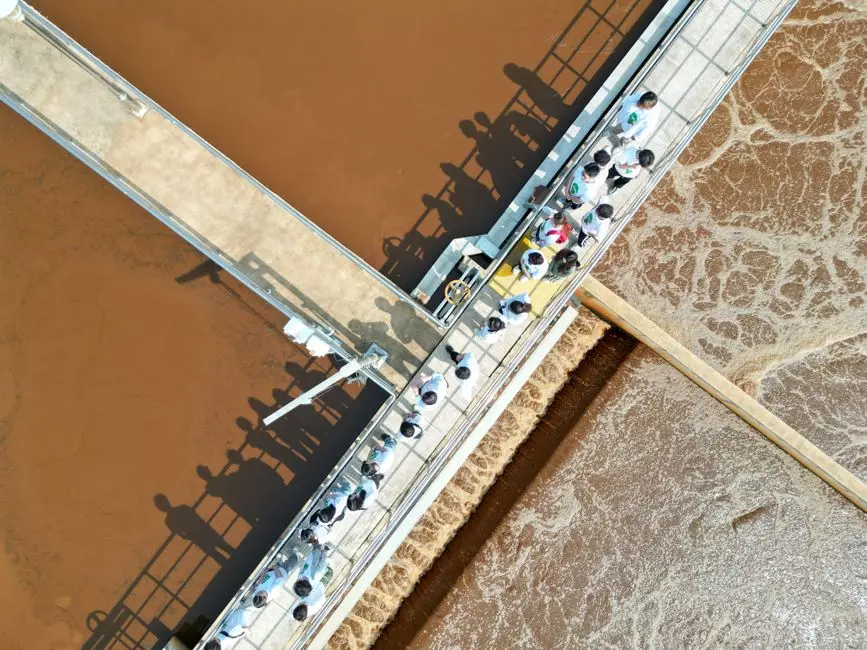
Acceptance criteria should reproduce the controlling POTW permit, including the applicable parameter limits, sample type, monitoring frequency and reporting rules. Generic vendor guarantees do not establish compliance unless the test conditions and acceptance method match the permit. The permit, sampling plan and operating scenario should therefore become the performance-test protocol.
HydropureWater’s 2026 source states that most F&B categorical permits require 24-hour composite samples for BOD, TSS, FOG and total phosphorus at frequencies from monthly to quarterly, with continuous pH and flow monitoring for significant industrial users. Those statements provide context, not a Madisonville requirement; the actual permit controls. A defensible protocol should define test duration, flow conditions, sampling point, laboratory method, calibration records and who witnesses the test.
- FOG pass-through: investigate under-dosed DAF coagulant or flotation-cell hydraulic overload.
- pH excursions: investigate inadequate equalization, an undersized basin for the CIP sequence or a failed trim loop.
- Solids breakthrough: investigate poor flocculation control, especially around phosphorus precipitation.
- Organic overload: investigate hydraulic surge, insufficient biological capacity and the actual timing of the load.
Run diagnostic sampling across operating conditions. A single passing grab sample does not test a CIP peak, and a DAF sample taken after chemical feed or equalization has already masked the upstream problem. Preserve simultaneous flow, pH, chemical-dose, air, recycle, biological and sample data so the investigator can distinguish hydraulic failure from dosing or biological inhibition.
Sludge handling belongs in the acceptance scope. HydropureWater states that a plate-and-frame filter press can dewater combined DAF skummings and biological waste activated sludge to 22–28% dry matter. The final design must still establish the applicable solids destination, handling method and operational interface. The activation testing framework for industrial wastewater illustrates why equipment verification should connect treatment results to operating evidence and documented corrective actions.
Turn operating data into defensible compliance records
A passing sample is one part of the compliance record. The complete record links flow, pH, chemical dosing, DAF operation, biological conditions, sample results, operator actions and reporting submissions. HydropureWater’s 2026 pretreatment overview identifies the SCADA event log, electronic Discharge Monitoring Report submission and state noncompliance portal as the practical 2026 compliance stack.
Configure alarms for permit-relevant excursions and preserve the event sequence, operator response and corrective action. This matters during unstaffed periods because a Saturday CIP release still requires a defensible record even if no one is watching the trend screen. The operating procedure should define who may authorize continued discharge, when the POTW must be notified and how the incident record is reconciled with the next monitoring report.
Digital reporting should not be separated from process control. A PLC-controlled chemical dosing system can retain feed commands, actual dose, flow and alarms in the same event history used for compliance review. The point is not automation by itself; it is traceable control that shows what the system did during a production or sanitation event.
HydropureWater uses Connecticut DEEP’s electronic reporting for RCSA Section 22a-430 as evidence of the wider 2026 digital-reporting trend. That Connecticut example does not establish Kentucky requirements. A Madisonville-area plant must verify Kentucky’s applicable reporting rules and its POTW’s portals, forms, deadlines and data-exchange expectations rather than assuming another state’s process applies.
Retain sample chain-of-custody forms, laboratory reports, calibrations, equipment logs, alarm records, work orders, chemical delivery records, sludge manifests and proof of report submission under a consistent naming and retention convention. The audit trail should make it possible to reconstruct any excursion from its first detection through closure without relying on an operator’s memory.
Use a decision framework to compare pretreatment equipment
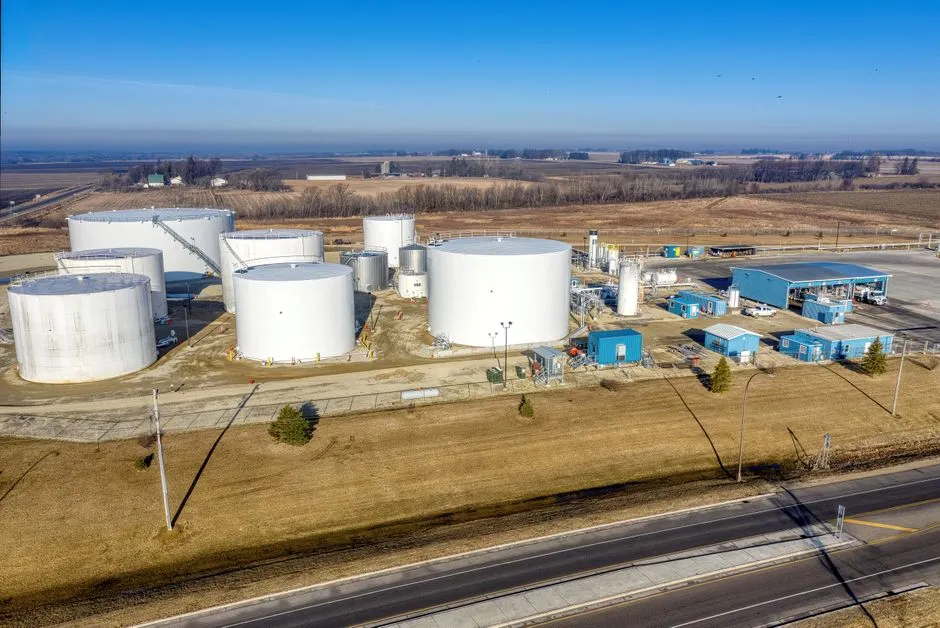
Equipment comparison should begin with the permit condition and measured influent, then test whether each option controls the intended pollutant and can be verified in service. Hydraulic footprint, operator attention, chemicals, energy, sludge generation and controls are lifecycle consequences; they are not secondary to the discharge limit. Compare alternatives against the same flow, load and reporting cases.
| Option | Best-supported role | Principal failure mode to test | Key comparison issues |
|---|---|---|---|
| DAF | Primary FOG and solids removal before biological treatment | FOG pass-through from poor conditioning or hydraulic overload | Surface loading, recycle, air requirement, skum handling and footprint |
| MBR | Higher-performance biological treatment with membrane solids separation | Organic or solids overload and membrane fouling | HRT, MLSS, aeration, membrane maintenance, controls and operator labor |
| Chemical precipitation | Phosphorus removal after biological treatment | Poor flocculation or chemical dose mismatch | Chemical demand, alkalinity impact, sludge and dose control |
| Clarification or filtration | Additional solids or phosphorus separation where justified | Residual-solids breakthrough or hydraulic overload | Footprint, loading, solids removal and polishing performance |
| Sludge handling | Stabilizes DAF skum and biological residuals | Storage capacity, plugging or uncontrolled return liquor | Equipment, chemicals, labor, destination and dewatering performance |
Treat DAF as the primary FOG and solids-removal step rather than a complete biological system, and treat MBR as a higher-performance biological and solids-separation option. Add clarification or filtration only where residual solids or phosphorus targets justify another stage after the upstream train is stable.
When pH, coagulant or nutrient control must track variable loading, evaluate PLC-controlled dosing. HydropureWater’s 2026 source reports 10–20% lower chemical consumption than manual feeding through flow-proportional trimming. That is a design comparison, not a guaranteed saving for every plant; confirm feed strategy, chemical cost, response time and actual load variability.
Make three gates final: the controlling permit conditions, measured influent data and vendor performance guarantees. A proposal should state proposed effluent values, test protocol, operating basis, exceptions and remedy for noncompliance. If a supplier cannot connect its guarantee to the permit and site data, the equipment selection is not yet defensible.
Frequently Asked Questions
How do food&bev plants near Madisonville, United States meet pretreatment limits before sewer discharge?
They meet limits through a permit-specific treatment train that addresses each measured pollutant: screening and equalization for solids, hydraulic peaks and pH; DAF for FOG and suspended solids; biological treatment for BOD/COD; chemical precipitation for phosphorus; and polishing where required. The facility must demonstrate the applicable 40 CFR 403 and categorical-standard requirements and the stricter site-specific POTW permit conditions through representative testing and retained operating records.
What should a Madisonville-area plant request before pricing an on-site pretreatment upgrade?
Request measured forward flow, peak-to-average ratio, raw BOD, raw FOG and stream-specific pH and temperature data, plus the current POTW permit. The supplied research provides no Madisonville-specific pretreatment quotation, so the defensible budget must be assembled from the required unit operations, civil work, chemicals, sludge handling, controls, monitoring, testing and commissioning. Require each priced item to identify its design input and permit condition.
How should a supplier be selected for food-processing wastewater equipment?
Require proposed performance values tied to the controlling permit, a test protocol, written guarantees, references for comparable food-processing streams and documented after-sales support. Ask how the supplier will handle FOG pass-through, pH excursions, solids breakthrough and high-strength CIP loads. Verify that every guarantee states its flow, load, operating and sample conditions rather than relying on generic removal percentages.
What sizing data is essential before selecting DAF, equalization or biological treatment?
Require forward flow, peak-to-average ratio, raw BOD and raw FOG rather than average daily flow alone. Add CIP dump timing and duration, production schedules, downtime and future-product scenarios. For DAF, evaluate peak FOG and hydraulic loading; for equalization, evaluate the actual washdown sequence; and for biological systems, evaluate the organic and hydraulic peak that determines HRT, MLSS and oxygen demand.