
What Can—and Cannot—Be Calculated from Public Information
No defensible DAF-capacity figure can be calculated for Volkswagen’s new EV assembly plant in Hungary from the supplied evidence because it contains no plant-specific peak flow, stream inventory, pollutant concentration, permitted discharge limit, or hydraulic profile. The target is capacity for the new EV operation, so actual production peaks, cleaning cycles, commissioning conditions, and future expansion scenarios must come from the project design basis. Public corporate reporting provides context, not plant-level sizing data: Volkswagen AG – Water Security 2023, published February 2024, covers the reporting year January 1–December 31, 2022 and includes Hungary among the countries where the group operates, but it does not establish the duty for this project.
A DAF unit must be assigned to a defined wastewater stream. The combined plant flow cannot automatically be treated as the DAF inlet flow because sanitary wastewater, stormwater, clean leakage, metalworking fluids, oily drainage, and wash water have different treatment requirements and operating profiles. The DAF engineering specifications and selection guide provides the technical basis, but the missing site data must be closed before selecting a model.
| Publicly available or required | What it establishes | Capacity implication |
|---|---|---|
| Hungary included in Volkswagen’s reporting scope | Corporate operating context for the 2022 reporting year | No plant or EV-project design flow |
| Plant peak wastewater flow | Hydraulic inlet duty | Sets the m³/h entering the sizing calculation |
| Stream segregation and pollutant data | Treatment objective and contaminant load | Determines whether DAF is justified and its solids and oil-and-grease duty |
| Permit, sewer agreement, and operating scenarios | Lawful route and required reliability | Defines the complete treatment train and operating reserve |
Build the DAF Design Basis from Site Data
The DAF design basis must start with measured site data and a segregated stream inventory, not a production target. Request at least 12 months of production-linked flow and pollutant records; if the plant is not yet operating, supplement them with commissioning-period or short-duration campaign sampling. Record the production schedule beside each flow and pollutant result so intermittent equipment washing, coolant losses, floor drainage, and other campaign discharges remain visible.
Do not combine streams merely because they eventually reach the same sewer. Metalworking fluids, machining coolant, wash water, oily drainage, sanitary wastewater, stormwater, and clean cooling or process-water leakage are not interchangeable. The project team should identify which streams enter the proposed DAF duty, which receive local treatment, which are excluded by design, and which may lawfully be combined without weakening separation performance or creating an unauthorized discharge route.
For every assigned stream, collect average flow, instantaneous and campaign peaks, operating duration, temperature, pH, oil and grease, total suspended solids, COD/BOD, metals, and relevant emulsifier or reject characteristics. Volkswagen AG – Water Security 2023, published February 2024, states that wastewater-discharge volume is generally measured continuously with analog or digital flowmeters, while defined exceptions use freshwater input, COD/BOD load, or other site-specific methods. Those group-level methods do not replace project metering.
Confirm the legal route at the same time. Obtain the current authorization, sewer pretreatment or discharge agreement, monitoring plan, and correspondence, and ask the Hungarian authority and relevant sewer operator whether the expansion requires notification, amendment, re-approval, or a new authorization.
| Required input | Minimum use in sizing | Decision it supports |
|---|---|---|
| Production-linked flow history | Average, instantaneous peak, and campaign peak | DAF design inflow |
| Stream-by-stream characterization | Oil, grease, TSS, COD/BOD, metals, temperature, and pH | DAF duty and conditioning |
| Operating and reject scenarios | Duration and coincidence with normal production | Equalization and reserve |
| Legal and operating records | Authorization, sewer agreement, monitoring, bypasses, and outages | Complete-train scope |
Calculate Hydraulic and Pollutant DAF Duties
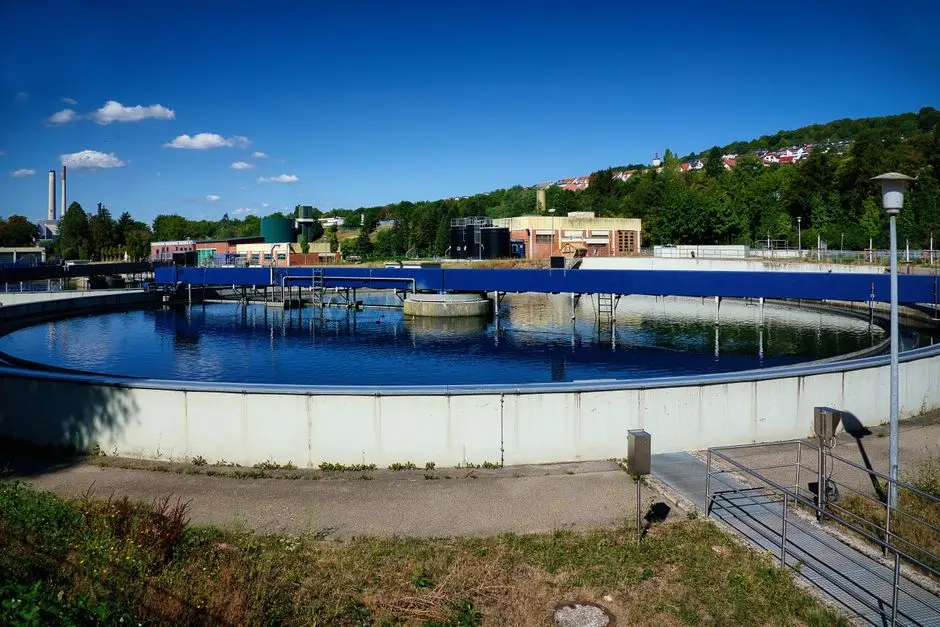
Design inflow is the simultaneous peak of every stream assigned to the DAF duty, including production, campaign, cleaning, and off-spec or reject scenarios. An annual average hides the coincidence and duration of loading events. The calculation is then a two-part check: hydraulic capacity establishes whether the unit can pass the peak flow, while pollutant loading establishes whether its surface area, recycle system, conditioning, and solids handling can perform the required separation.
For a preliminary hydraulic check, divide design flow by the selected flotation surface area to obtain hydraulic loading. Compare that result with the operating envelope in the DAF engineering specifications and selection guide, which states a saturation-pressure range of 3–6 bar and a bubble-size range of 20–100 μm. These conditions must be coordinated with the selected surface area, recycle ratio, and contaminant load; they are not independent catalogue attributes.
- Establish design inflow: use the simultaneous peak of all streams included in the DAF duty.
- Calculate hydraulic loading: divide design flow by the proposed tank surface area.
- Calculate solids duty: combine design flow with measured suspended-solids concentration and evaluate the resulting load against the proposed separation duty.
- Evaluate oil and floatable material: base the duty on mixed influent rather than a single clean or laboratory sample.
- Verify recycle capability: confirm that the pump and saturation system can deliver the required recycle flow and dissolved-air conditions.
- Check downstream handling: include the resulting sludge quantity and characteristics in the train design.
Do not infer DAF capacity from Volkswagen’s group objective that water consumption should not exceed 3 m³ per vehicle. Volkswagen AG – Water Security 2023, published February 2024, identifies that objective as a company-wide water-consumption goal, not a wastewater-flow or treatment-duty value.
| Calculation | Inputs required | Output |
|---|---|---|
| Hydraulic loading | Simultaneous peak design flow and selected flotation surface area | Hydraulic loading rate for comparison with the selected design |
| Suspended-solids duty | Design flow and mixed-influent TSS | Solids loading for flotation verification |
| Oil-and-grease duty | Design flow, oil and grease concentration, emulsifier characteristics | Separation and conditioning requirement |
| Recycle duty | Required recycle ratio, pressure, and bubble regime | Pump and saturation-system verification |
Any resulting m³/h value remains preliminary until the complete train is tested against actual mixed and fluctuating automotive assembly wastewater.
Apply Reserve and Check the Entire Treatment Train
A correctly sized flotation vessel is still an incomplete pretreatment system. Check peak hydraulic capacity, equalization, chemical conditioning, flocculation, DAF separation, sludge handling, biological compatibility, monitoring, bypasses, and outage response as one train. This is the appropriate use of the industrial DAF system within a process design, not as a substitute for site characterization.
Review installed capacity, hydraulic reserve, bypass arrangements, chemical storage, sludge handling, sampling points, online monitoring, and the operating history of the highest treatment level actually achieved. Nameplate capacity alone does not demonstrate that the train can treat peak flow and variable pollutant loads. Equalization and conditioning must remain effective when production, cleaning, or reject streams overlap.
DAF sludge is part of the equipment decision. Assess its required moisture reduction, final handling route, and compatibility with the available dewatering method before finalizing the flotation package. Where sludge volume and moisture-reduction requirements justify it, evaluate the DAF sludge dewatering filter press as a downstream option.
Where chemical conditioning is necessary, define the reagent range, mixing requirements, control sequence, storage capacity, and operator response before comparing automatic and manual arrangements. The automatic chemical dosing system should be evaluated against the verified reagent duty, not selected merely to increase automation.
Match the DAF Model to the Verified Duty
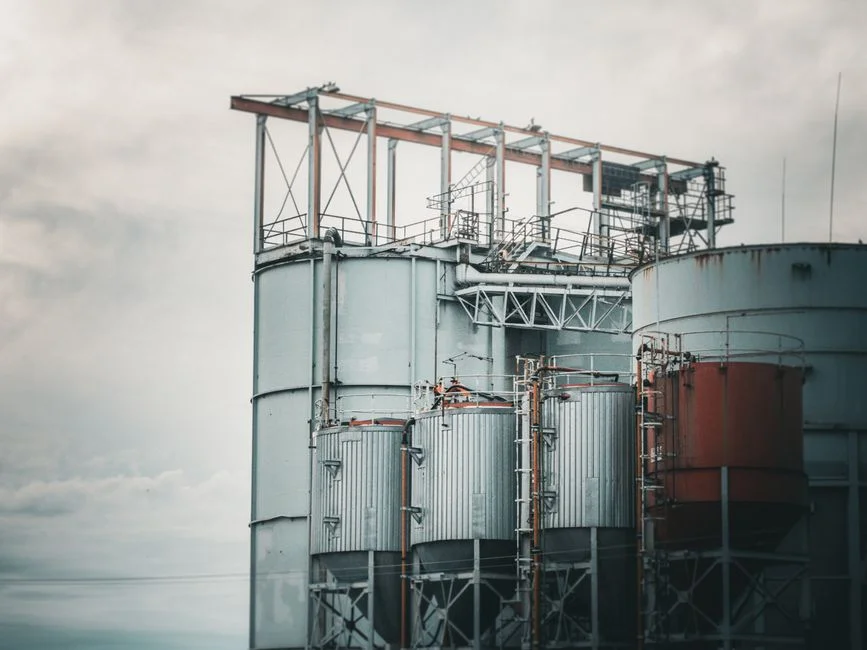
A catalogue range can shortlist equipment only after the verified design duty is established. HydropureWater’s DAF catalogue contains 13 standard models spanning 4–300 m³/h, but this range is not a plant-capacity conclusion. Use it after calculating the required design flow, reviewing the operating reserve, and confirming that the full treatment train can meet the project and permit requirements.
Require every bidder to state its design flow, flotation surface area, hydraulic loading, recycle ratio, saturation pressure, bubble regime, anticipated contaminant loading, equipment materials, controls, and performance-demonstration method. The DAF versus clarifier for metalworking wastewater provides a useful technical screening framework, but wastewater testing must establish whether flotation is the correct duty.
Performance should be demonstrated with actual mixed and fluctuating automotive wastewater, not clean water or a single synthetic contaminant. The test must establish how the proposed system handles oil, grease, suspended solids, floatable material, and colloidal matter before compatible biological treatment. It should also demonstrate the control response to mixed influent, off-spec water, and changing loads.
Compare the complete scope, including downstream biological treatment, sludge removal, instrumentation, utilities, maintenance access, controls, and permit documentation. A low-priced flotation tank is not necessarily the lowest-cost compliant solution if the required equalization, conditioning, sludge handling, monitoring, or biological pretreatment falls outside the quoted package.
| Bid comparison point | Acceptable evidence | Why it matters |
|---|---|---|
| Design capacity | Peak design flow and associated operating reserve | Separates calculated duty from catalogue capacity |
| Performance | Test protocol using actual mixed automotive wastewater | Checks removal under realistic variation |
| Process design | Surface area, recycle ratio, pressure, and bubble regime | Connects hydraulic and contaminant duties |
| Train scope | Equalization, conditioning, DAF, sludge, biological compatibility, controls, and monitoring | Prevents a unit-only comparison |
| Compliance | Permit interface and operating documentation | Connects equipment selection with lawful use |
Procurement and Compliance Checklist
The 12-month production-linked dataset, stream-segregation plan, and peak-flow scenarios should be contractual preconditions of final capacity selection. This prevents bidders from locking the project to unsupported flow assumptions and gives the owner an auditable basis for comparing offers.
Ask bidders to distinguish guaranteed inlet capacity, hydraulic reserve, chemical-conditioning capacity, and downstream biological or sewer pretreatment capacity. Also require them to identify which performance results come from site wastewater, which come from clean-water testing, and which remain unverified. The review should cover the entire train: equalization, conditioning, flotation, sludge removal, biological compatibility, sampling, online monitoring, bypasses, and outage response.
Before award, obtain the proposed training protocol, off-spec-water controls, sludge route, sampling plan, monitoring, and failure-response sequence. Verify with the Hungarian authority and relevant sewer operator whether the expansion requires notification, permit amendment, re-approval, or a new authorization. Nameplate capacity is neither a permit nor proof of legally usable treatment capacity.
Separate post-closing investments from the base package where current lawful operation can be maintained. Reuse expansion, additional polishing, energy-efficiency projects, and longer-term monitoring improvements should be evaluated on their own technical and commercial merits rather than concealed inside the minimum DAF purchase price.
Frequently Asked Questions
What peak wastewater flow should be used to size DAF for Volkswagen’s new EV assembly plant in Hungary?
Use the simultaneous peak of the streams actually assigned to the DAF duty, including production, campaign, cleaning, and reject scenarios. The supplied evidence contains no plant-specific flow from which to state a defensible m³/h value. Establish the preliminary figure from production-linked measurements and verify it with mixed-wastewater testing of the complete treatment train.
How much should the DAF equipment and complete pretreatment system cost?
The supplied research contains no plant-specific DAF price or installation quotation, so a defensible cost cannot be stated. Request itemized pricing for the flotation vessel, equalization, conditioning and flocculation, recycle and saturation equipment, controls, sludge handling,
Frequently Asked Questions
How do I calculate the required DAF capacity for an automotive assembly plant?
Required Dissolved Air Flotation (DAF) capacity is determined by calculating the peak hydraulic loading rate (HLR) based on the plant's maximum daily wastewater discharge volume, typically ranging from 200 to 500 cubic meters per day for mid-sized EV assembly lines. You must account for a peak factor of 1.5 to 2.0 to accommodate batch discharges from paint booth overflows and metal pretreatment rinses, ensuring the system can handle hydraulic surges without compromising solids separation efficiency.
What DAF flow rate should I request when quoting Volkswagen's Hungary EV plant?
For an EV assembly plant of this scale, specify a design flow rate between 40 and 80 cubic meters per hour, depending on the specific integration of the paint shop’s wastewater recycling loop. It is critical to request a system capable of turndown ratios of at least 50% to maintain stable surface loading rates, which should generally stay within the 2.0 to 5.0 meters per hour range for effective oil and grease removal.
Which DAF specifications should I include in an equipment supplier comparison?
Ensure all quotes specify the air-to-solids (A/S) ratio, typically targeted between 0.02 and 0.05 ml air/mg solids to ensure optimal bubble-to-particle attachment. Compare suppliers based on the saturation pressure (5–6 bar), the type of dissolved air release nozzles (non-clogging design preferred), and the inclusion of automated sludge removal mechanisms such as integrated flight scrapers or high-torque skimming systems.
How much does industrial DAF equipment cost for automotive wastewater pretreatment?
The capital expenditure (CAPEX) for a fully automated, stainless steel (SS304/SS316) DAF system for an automotive application typically ranges from 120,000 to 350,000 EUR. This cost includes the flotation tank, air saturation system, chemical dosing skids for coagulants and flocculants, and basic PLC-based control panels, excluding site-specific installation, civil works, and secondary sludge dewatering equipment.
What Hungarian permits and sewer approvals are needed for a new automotive wastewater pretreatment system?
You must obtain a Water Usage Permit (vízjogi engedély) from the local regional water authority (Vízügyi Igazgatóság) in accordance with Government Decree 147/2010. Additionally, the system must comply with the National Environmental Health Center (OKK) standards for industrial discharge into municipal sewer networks, requiring a formal sewer connection agreement (csatornabekötési hozzájárulás) that specifies strict limit values for emulsified oils, heavy metals, and chemical oxygen demand (COD).