Start with the permit and the expansion scenario, not a treatment catalog
Wastewater from a Volkswagen EV assembly expansion in Hungary should be managed through a site-specific permit and stream-segregation plan, not a generic pretreatment package. Volkswagen Group’s 2024 Annual Report, as cited in the supplied research, states that nearly all production sites use pretreatment, untreated wastewater is not released into receiving waters, and treated wastewater is increasingly reused. The applicable authorization, sewer agreement, effluent limits and reuse conditions must nevertheless be confirmed from the plant record and with the authority or sewer operator. The design basis should include at least 12 months of production-linked flow and pollutant data, with capacity checked against measured peaks, complete treatment-train performance and a lawful route for off-spec water.
Before selecting equipment, assemble the environmental and wastewater approvals, sewer pretreatment or discharge authorization, water-abstraction records, monitoring plans, compliance reports, inspection findings and regulator correspondence. Confirm the authorized route: sewer, receiving water, external treatment plant or waste disposal. Identify each permitted discharge point, applicable condition, monitoring duty, reporting requirement and approval expiry. Do not assume that an ownership change or expansion automatically transfers an approval. Ask the Hungarian authority and relevant sewer operator whether notification, amendment, re-approval or a new authorization is required, and record the response.
The supplied research does not establish the applicable permit name, numeric effluent limit or local pretreatment threshold for an unidentified Hungarian plant. Those items must be obtained from the permit and confirmed with the authority or sewer operator. The Volkswagen plant-acquisition wastewater due-diligence guide provides the broader acquisition review, but it cannot substitute for the plant’s legal record.
| Decision item | Evidence required | Approval gate |
|---|---|---|
| Legal discharge basis | Current authorization, sewer agreement, regulator correspondence and expiry dates | Confirm transfer, amendment, notification or replacement before expansion approval |
| Authorized route | Approved points for sewer, receiving water, external treatment or disposal | Reconcile every planned stream with a lawful destination |
| Compliance history | Monitoring reports, exceedances, inspection findings and outstanding submissions | Resolve material findings through legal and engineering review |
| Expansion trigger | Approved production scenario, product mix and operating-hour changes | Determine whether the proposal requires a permit revision |
Build a wastewater map from the EV production processes
Automotive wastewater must be matched by source because paint, oils, metals, coolant and incompatible cleaners can damage a biological process or prevent lawful reuse. The expansion review should therefore begin with a process-by-process flow map, not a combined daily discharge figure. A Hungarian industrial-plant wastewater segregation and permitting framework provides a related approach for separating streams before assigning treatment duties.
Cover paintshop and body-shop wash water, metalworking fluids, machining coolant, cleaning chemicals, oily runoff, sanitary wastewater, cooling blowdown and laboratory wastewater. For each stream, record flow variability, incompatible constituents, required pretreatment, final destination and any bypass that could move untreated or off-spec water outside the permitted route. Request at least 12 months of records for each production process, together with production volumes and batch-operation schedules. The record set should include hourly peak flows, storm and firefighting water, laboratory wastewater, cooling blowdown, canteen and sanitary flows.
Characterize metals, oils and grease, suspended solids, pH and biodegradable organics. Add paint-shop, plating, cleaning and coolant constituents where those processes exist. Sampling points must distinguish individual streams from the combined wastewater leaving each treatment stage. Identify seasonal changes, shutdowns, restart discharges and any expansion or product-mix change that could alter wastewater characteristics.
The important engineering decision is where a stream can be combined without weakening pretreatment performance or creating a new discharge route. Paint and coating residues may require dedicated solids removal or precipitation. Metalworking fluids and coolant may contain emulsified oil, metals and high suspended-solids loads. Free oil, sanitary flow, cooling chemicals and laboratory waste each need a defined collection and treatment sequence.
| EV assembly stream | Characterization focus | Treatment decision |
|---|---|---|
| Paintshop and body-shop wash water | Paint solids, coating residues, pH, cleaning chemistry and variability | Characterization-based solids removal, precipitation or dedicated treatment where required |
| Metalworking fluids and machining coolant | Emulsified oil, suspended solids, metals and reject characteristics | DAF or another separation step before compatible biological treatment |
| Free and emulsified oil | Oil fraction, settleable solids and flow peaks | Dedicated oil management and separation |
| Active cleaning chemicals | Active constituents, pH, concentration and segregation practices | Controlled collection, neutralization or specialty treatment |
| Sanitary, canteen, cooling and laboratory flows | Organic load, solids, cleaning chemicals, biocide, conductivity, metals and detergents | Separate review before blending, discharge or reuse |
Size the treatment train for peak loads and complete-process performance
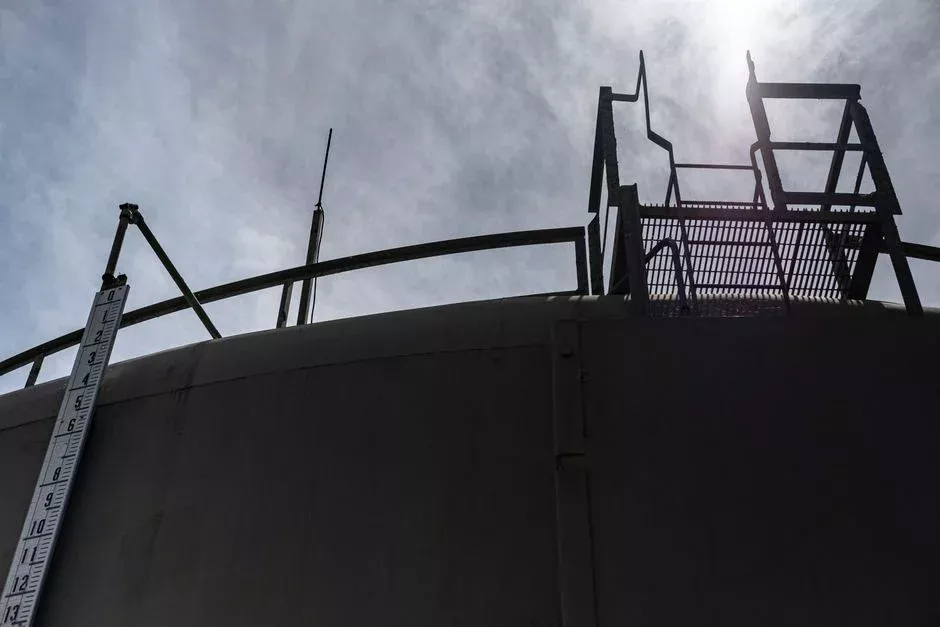
Equipment must be sized from measured peak flows and verified pollutant loads, not average discharge or another plant’s catalogue capacity. Supplier proposals should state hydraulic and organic loading assumptions, operating schedule, stream segregation, treatment objectives and design reserve. The 2026 MBR sizing and process-design guide provides a technical reference, but the site data remain the controlling inputs.
Review installed capacity, hydraulic reserve, bypasses, chemical storage, sludge handling, sampling points, online monitoring and the operating history of the highest treatment level actually achieved. A unit’s nameplate capacity does not demonstrate that the complete train can treat the site’s peak flow and variable pollutant loads. Check how the expansion changes operating hours, batch releases, product mix and peak combinations, including restart and shutdown conditions.
DAF is appropriate where the required duty is separation of suspended solids, oil and grease, floatable material and colloidal matter before biological treatment. An industrial DAF pretreatment system should be tested against actual mixed and fluctuating automotive wastewater, not selected from catalogue performance claims alone.
MBR is appropriate where biological treatment, solids separation and a low-turbidity reuse stream are required. The MBR membrane bioreactor for wastewater reuse product description specifies near-reuse-quality effluent below 1 μm filtration. That is a product description, not evidence of performance at this site; representative process trials and site-specific acceptance criteria are required.
Require pilot work or acceptance testing with defined test conditions, sampling methods, acceptance criteria and remedies for failure. The test protocol should address variable loads, chemical shocks, bypass conditions and maintenance outages.
| Sizing parameter | Minimum evidence before order | Supplier statement required |
|---|---|---|
| Hydraulic load | Measured peak flow by stream and production scenario | Design flow, operating schedule and reserve |
| Pollutant load | Representative concentrations, mass loads and sampling methods | Organic and constituent loading assumptions |
| Treatment objective | Permitted discharge or defined reuse specification | Unit-operation sequence and expected performance |
| Complete-train performance | Existing operating history and bypass records | Worst-case conditions and failure response |
| Acceptance | Representative wastewater and agreed test protocol | Sampling method, criteria and remedy for failure |
Design a lawful pretreatment and final-disposal route
Oil, paint, heavy metals and incompatible chemical streams must not enter ordinary biological treatment merely because a biological unit exists. Each stream needs an identified pretreatment sequence and a lawful final route. The complete train should preserve separation where a downstream biological, polishing or reuse process cannot tolerate the constituent.
Evaluate paintshop and body-shop wash water for paint solids, pH, coating residues, cleaning chemistry and variability. The response may be characterization-based solids removal, precipitation or dedicated treatment. Evaluate metalworking fluids and machining coolant for emulsified oil, suspended solids, metals and reject characteristics; DAF or another separation process may be justified before compatible biological pretreatment. Treat free and emulsified oil through dedicated oil management, and collect active cleaning chemicals for controlled neutralization or specialty treatment where required.
Review sanitary, canteen, cooling-blowdown and laboratory streams separately. A final discharge or reuse route must remain lawful after blending. Automatic chemical dosing also requires review for containment, duty cycle, fail-safe operation, compatibility, storage and the consequences of dosing loss.
The supplied commercial source states that wastewater not treated on site is treated at an external plant or, in individual cases, disposed of as waste. Verify that any third-party route is permitted, contractually secure, adequately controlled and economically sustainable. Disposal does not remove the operator’s responsibility for lawful handling and chain of custody. Technical screening can use the site’s DAF-versus-clarifier comparison, including the referenced fabricated-metals guide, but wastewater testing must determine the duty.
| Treatment question | Decision rule | Required verification |
|---|---|---|
| Must paint solids be removed before the shared train? | Yes, if characterization or downstream compatibility identifies a separation duty | Representative sampling and solids-removal trial |
| Is DAF justified? | Yes, when oil, grease, floatables or settleable solids interfere with the next process | Mixed-waste performance under fluctuating loads |
| Can the stream enter biological treatment? | Only after compatibility is demonstrated | Constituent review, pH control and treatability evidence |
| Is an external route acceptable? | Only if permitted and contractually secured | Permit, contract, capacity commitment and chain-of-custody controls |
| Where does off-spec water go? | To a lawful, available residual route | Capacity, bypass controls and operating procedure |
Treat closed-loop reuse as a tested project, not an assumed outcome
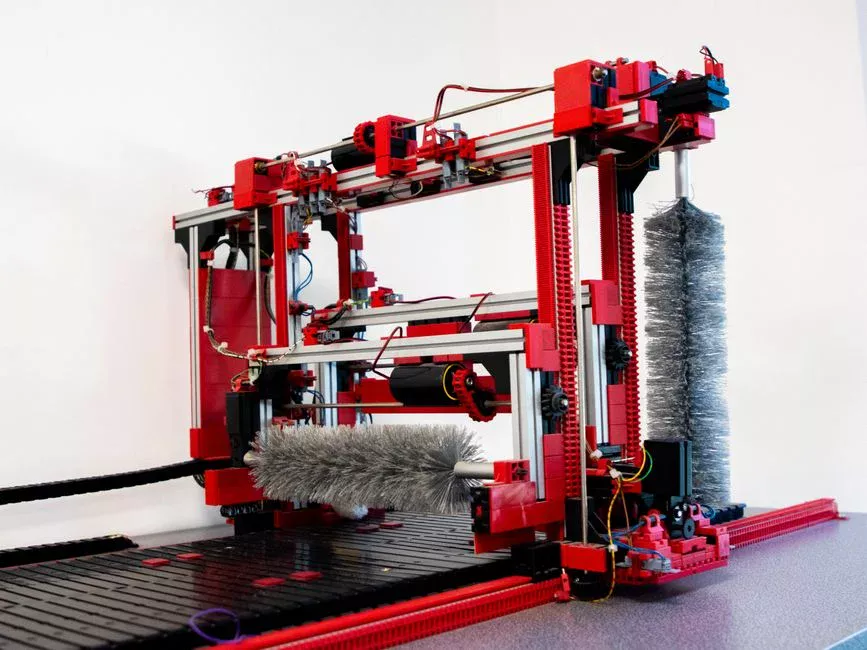
Wastewater reuse is viable only when water quality, process compatibility and legal permission are demonstrated together. Classify each intended reuse application by its required process-water quality: production reuse, cooling towers, sanitary uses and irrigation have different analytical, operational and public-health considerations. Confirm that the relevant Hungarian approval permits the intended use; corporate environmental policy is not an authorization.
Test membrane fouling, scaling, biological stability, disinfection, storage, distribution and seasonal variation before committing the reuse train. For a cooling application, the focus is the water entering the cooling system and its interaction with the heat-transfer and chemical-control equipment. For production reuse, evaluate process compatibility alongside the specified water quality. Sanitary and irrigation reuse require their own quality, operational and public-health basis.
Define bypass, isolation and residual-disposal arrangements for off-spec water. A reuse system without a lawful disposal route is not a complete design. The treatment train should be able to isolate the affected stream, maintain required downstream operations and route rejected water without exposing workers or the receiving environment.
Volkswagen Group’s 2024 Annual Report, as cited in the supplied research, reports that a production-wastewater recycling system operating since 2023 is expected to reduce water withdrawal at that site by around 15%. This is an expectation for the reported system, not a guaranteed saving for a Hungarian plant. A historical Volkswagen statement published on 2014-06-26 reported that 45 sites used 3.8 million cubic metres of recycled water, corresponding to 8% of their combined freshwater uptake at that time. Both figures provide corporate context, not a design basis. The cooling-blowdown treatment reference illustrates why application-specific checks are necessary.
Separate closing risks from post-expansion investments
A wastewater issue is a closing risk when it threatens lawful operation or creates a material unresolved liability; it is an investment when lawful operation can continue while capability is improved. Classify a non-transferable permit, missing discharge authorization, material historical non-compliance, absent sludge records or a treatment train unable to meet current lawful operating conditions as closing-risk issues requiring legal and engineering review.
Legal counsel should allocate responsibility for pre-closing exceedances, remediation, reporting failures and third-party claims through transaction protections. Check the current rules and the conduct recorded before closing. Relevant evidence includes permit fees, sewer charges, outstanding correspondence, historical exceedances, incomplete monitoring, unreported discharges, remediation obligations, sludge destinations and wastewater charges.
Treat reuse expansion, additional polishing capacity, energy-efficiency upgrades and longer-term monitoring improvements as post-closing investments where current lawful operation can be maintained. Compare on-site treatment, external treatment and waste disposal against discharge-route constraints, production interruptions and future expansion. The corporate closed-loop objective is a design input; it does not prove that every reuse application is technically or legally feasible.
No defensible price can be given without the site-specific flow profile, wastewater characterization, treatment-performance history, discharge route, reuse target and required capital work. Require itemized proposals covering equipment, installation, utilities, chemicals, sludge handling, commissioning, monitoring, service, consumables, energy, lifecycle maintenance and contingency. Compare external treatment and waste disposal separately. For every remaining action, assign an owner, budget, approval path, completion date and commissioning milestone.
| Issue classification | Examples | Transaction or investment response |
|---|---|---|
| Closing risk | Invalid or non-transferable authorization; unlawful discharge route; material non-compliance; absent sludge evidence; treatment incapable of lawful operation | Condition precedent, indemnity, escrow or holdback as advised by legal counsel |
| Post-closing investment | Reuse expansion, additional polishing, energy improvement or monitoring enhancement with lawful interim operation | Funded action plan with owner, budget, permit path, procurement date and commissioning milestone |
| Unpriced uncertainty | Missing permit text, peak data, pollutant profile, contract terms or regulator position | Obtain evidence and price the uncertainty rather than underwriting the outcome |
Use a supplier and acceptance checklist before the expansion goes live
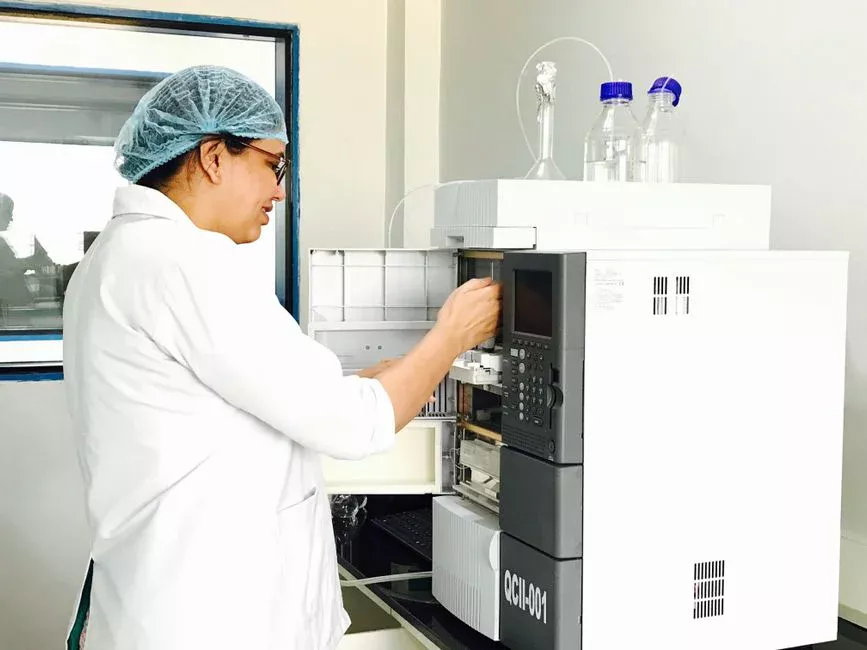
Each proposal should be tied to verified wastewater characterization, measured peak flows, the future production scenario, the reuse target and existing treatment performance. Require suppliers to document hydraulic and organic loading assumptions and test the proposed process against representative automotive wastewater. Average discharge alone is not a sound sizing basis.
Evaluate process fit, footprint, utilities, chemical requirements, sludge production, automation, maintainability, local service capability, installation disruption and provisions for future expansion. Confirm how the plant will operate lawfully during tie-ins and identify the destination of off-spec water during commissioning, bypass conditions and maintenance outages.
The acceptance protocol should define the compliance basis, sampling method, test conditions, acceptance criteria and remedy for failure. Suppliers must explain how the system responds to variable loads, chemical shocks and outages. Also verify that personnel, sampling procedures, calibration records and treatment knowledge transfer with the operating organization.
Do not copy examples from other countries or another plant’s installed system as a design basis for the Hungarian expansion. A comparable VW installation can demonstrate experience; it cannot establish local permit limits, Hungarian wastewater characteristics or the receiving route.
Frequently Asked Questions
What wastewater permits apply to a Volkswagen EV plant expansion in Hungary?
The applicable set cannot be identified from the supplied research alone. Obtain the current industrial wastewater authorization, sewer pretreatment or discharge agreement, water-abstraction records, monitoring plan and correspondence, then ask the Hungarian authority and sewer operator whether the expansion requires notification, amendment, re-approval or a new authorization. Confirm permitted discharge points and the route for every wastewater stream.
How much does an industrial wastewater treatment system cost for an EV assembly plant expansion?
No defensible price can be given without the measured flow profile, wastewater characterization, treatment history, authorized route, reuse target and capital scope. Request itemized quotations for equipment, installation, utilities, chemicals, sludge handling, commissioning, monitoring, service, consumables, energy, lifecycle maintenance and contingency. Compare external treatment and waste disposal as separate alternatives.
How should treatment equipment be sized when production increases?
Size from measured peak flows and verified pollutant loads associated with future production and product-mix scenarios. Require each supplier to state hydraulic and organic loading assumptions, operating schedule, treatment objectives and design reserve. Review the complete train, including storage, bypasses, sludge handling and outages; do not rely on a unit’s nameplate capacity or average discharge.
Should the project use DAF, MBR or both?
Use DAF when the required pretreatment duty is oil, grease, floatable or settleable-solids separation before biological treatment. Use MBR where biological treatment, solids separation and low-turbidity reuse are required. The choice depends on stream characterization, discharge limits and reuse quality; pilot testing against representative automotive wastewater should settle the process selection.
What should a wastewater equipment supplier include in an acceptance test?
Require representative wastewater, agreed test conditions, sampling methods, measurable acceptance criteria and a contractual remedy for failure. The test should cover variable loads, chemical shocks, bypass conditions and maintenance outages. Also require verification of off-spec-water handling, lawful operation during tie-ins and the destination of rejected water during commissioning and outages.