
What decision is Phelps-area mining wastewater buyers making?
For mining and metals wastewater in Phelps, MBR is usually the stronger option when reuse, water scarcity, a constrained footprint or stable solids separation justifies membrane capital and maintenance. CAS can remain economical for large dilute flows and sites with usable aeration and clarifier assets. MBR retains biomass on submerged PVDF membranes and produces cleaner effluent, but it does not replace metals precipitation. Both systems must be evaluated against the current NPDES permit and 40 CFR Part 440, with site-specific pilot testing before final selection.
The procurement decision is not simply “MBR or CAS.” It is whether the site needs a new biological treatment train, a hybrid clarifier-plus-membrane arrangement, or an upgrade around existing aeration and clarification assets. Review the mining wastewater permit and compliance guide before freezing process assumptions.
Separate discharge compliance from reuse. MBR can reduce suspended solids and turbidity, but a reuse project may still require ultrafiltration, reverse osmosis, or another validated barrier. The minimum design inputs are flow duration and peak factors, the current NPDES permit, metals, hardness, sulfate, TDS, pH, toxicity, reuse demand, available footprint, power price, and the condition of existing aeration, clarifier, screening, equalization, and sludge-handling assets.
Federal 40 CFR Part 440 establishes the baseline for ore-mining and dressing discharges, including daily-maximum and monthly-average limits for arsenic, lead, zinc, copper, nickel, and cadmium. It is not a substitute for the current Phelps-area permit or applicable state conditions. That distinction matters: no authoritative state-specific limits for Phelps were supplied, so those limits must be obtained rather than assumed.
How MBR and conventional activated sludge treat mining wastewater differently
CAS separates wastewater from biological solids by gravity, while MBR separates them through physical membrane filtration. That single difference changes the footprint, sludge behavior, pretreatment burden, and sensitivity of the plant to settling problems.
In conventional activated sludge, mixed liquor receives aeration, microorganisms degrade biodegradable material, and the mixed liquor enters a secondary clarifier. Settled solids are returned through the RAS line, excess solids leave through the WAS line, and clarified overflow exits the clarifier. Performance depends on sludge settleability. Bulking, density-driven solids, or poor flocculation can carry biomass into the effluent and disrupt downstream filtration or reuse.
An MBR retains activated sludge in an aerated biological tank and uses submerged PVDF membrane modules to produce permeate while retaining solids. Controlled scouring limits membrane-surface deposits, and chemical cleaning is used when cleaning is needed. Academic work describes MBR as an advanced treatment process, but that qualitative literature does not establish mining-site guarantees. Phelps-area operating ranges and cost estimates discussed here are instead identified as HydropureWater field estimates.
MBR does not automatically remove dissolved metals. Chemical precipitation and pH control may still be required before the biological and membrane stages. Conversely, retaining solids in MBR does not make the biological stage immune to toxic metal pulses, high salinity, or inhibitory wastewater chemistry. The organisms still have to function; the membrane only performs physical separation.
For a like-for-like review of process arrangements and preliminary economics, the 2026 MBR cost and sizing guide provides the relevant manufacturer-source framing.
Performance, footprint and operating requirements compared
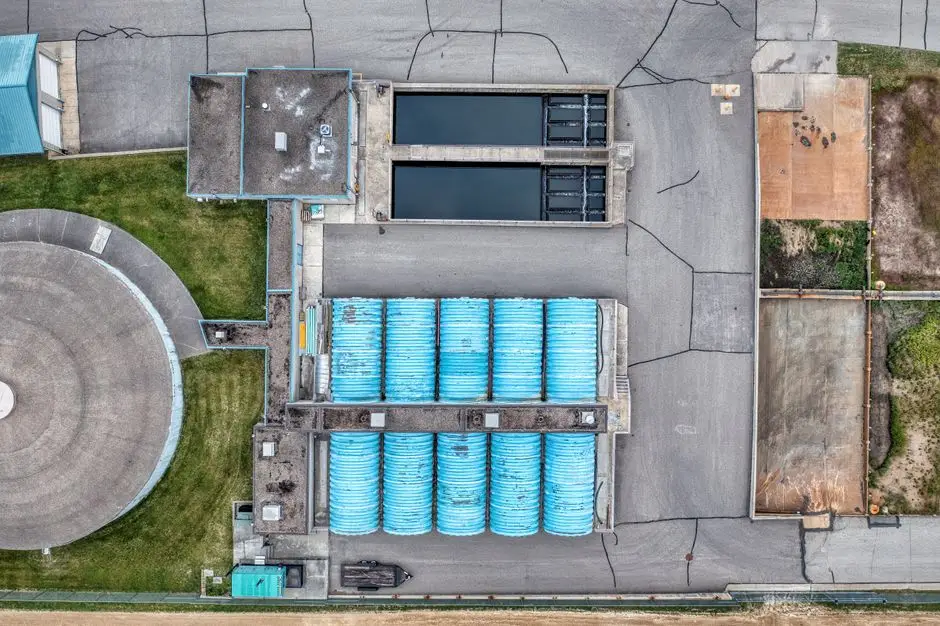
MBR offers more stable solids separation than CAS, but its quoted performance values come from an EPA MBR Fact Sheet rather than mining-specific guarantees. The comparison below preserves that source distinction.
| Parameter | MBR | Conventional activated sludge | Source and qualification |
|---|---|---|---|
| Biomass concentration | 8,000–12,000 mg/L MLSS, up to 15,000 mg/L | 2,000–4,000 mg/L MLSS | HydropureWater 2026 comparison; not a universal design rule |
| Reported effluent turbidity | 0.01–1.31 NTU | Clarifier performance depends on sludge settleability | EPA MBR Fact Sheet values quoted in HydropureWater’s 2026 comparison; not mining-specific |
| Reported effluent BOD5 | 0.10–0.72 mg/L | Permit-specific; no directly comparable supplied value | EPA MBR Fact Sheet values quoted in HydropureWater’s 2026 comparison |
| Solids separation | Primary separation by submerged PVDF membrane; may reduce downstream sand-filtration demand | Gravity separation in a secondary clarifier; tertiary filtration may be needed | Process-role comparison |
| Footprint and flow band | Product-catalog footprint claim of 60% smaller than conventional systems; applicable to 10–2,000 m³/day | No product-catalog comparison supplied | HydropureWater verified product catalog; not a universal footprint factor |
| Headworks screening | 1–2 mm for hollow-fiber modules; 2–3 mm for flat-plate modules | Not established by the supplied MBR screening criteria | HydropureWater 2026 comparison; verify against module instructions |
| Primary operating burden | Aeration, scouring, TMP monitoring, chemical cleaning, controls, and spare-element planning | Aeration, RAS/WAS management, and sludge settling | Process comparison |
| Waste-sludge handling | Generally lower settleability and greater colloidal content; plate-and-frame filtration is a logical option | Sludge handling depends on waste activated sludge properties | HydropureWater 2026 comparison |
| Membrane life | 5–8 years with rigorous pretreatment and disciplined cleaning | Not applicable | Manufacturer-reported claim; require warranty validation |
Upstream treatment must remove floatables, fibrous debris, and particles that can obstruct or foul membranes. Equalization is important where feed quality varies, while pH adjustment may be required for precipitation and biological compatibility. The rotary mechanical bar screen should be specified around the selected module format rather than treated as a universal screen selection.
MBR adds membrane scouring, chemical cleaning, permeate pumping, transmembrane-pressure monitoring, PLC controls, and replacement planning. CAS has fewer membrane-related duties but remains sensitive to aeration performance and clarifier sludge settleability. For biological sludge dewatering, the plate-and-frame filter press provides a logical MBR-sludge option because the manufacturer comparison identifies greater colloid content and lower settleability.
The supplied integrated MBR wastewater treatment system combines activated sludge treatment with submerged PVDF filtration and is positioned for flows from 10 to 2,000 m³/day. Its footprint and reuse claims remain manufacturer statements, not independent guarantees for a Phelps installation.
Why mining and metals influent changes the answer
Mining and metals influent can disrupt biological treatment and membrane operation simultaneously, so the feed matrix must be characterized before selecting equipment. The relevant ranges below are HydropureWater field observations from 2026, not universal acceptance limits.
Those observations describe mining and metals influent with BOD/COD ratios below 0.3, hardness in the thousands of mg/L as CaCO3, sulfate often above 1,000 mg/L, and TDS above 5,000 mg/L in arid districts. Such conditions can impair biological organisms, reduce sludge settleability, promote scaling, and increase membrane cleaning demand. They are screening signals, not substitutes for site analysis.
Variable metal pulses, cyanide, ammonia, and thiosulfate can produce substantial oxygen-demand swings. Equalization should therefore be evaluated before biological selection. A membrane cannot correct a failed biological reaction: it retains solids but does not make inhibited organisms active. Likewise, CAS and MBR both need appropriate metal precipitation where dissolved metals drive permit compliance.
Build a metals mass balance around precipitation, pH adjustment, total and dissolved metal fractions, sludge generation, and residual concentrations. MBR TSS control alone does not demonstrate dissolved-metals compliance. Upstream automatic chemical dosing equipment may be required, while high-turbidity or oil-bearing streams may justify the DAF equipment identified for floatables removal.
Request laboratory analysis covering flow duration and peak factor, pH, COD, BOD, TSS, sulfide, ammonia, cyanide, thiosulfate, oil and grease, arsenic, lead, zinc, copper, nickel, cadmium, sulfate, chloride, TDS, hardness, and toxicity. For DAF versus clarifier selection for mining wastewater, use the same representative and peak-event basis.
Permit and reuse requirements that decide the treatment train
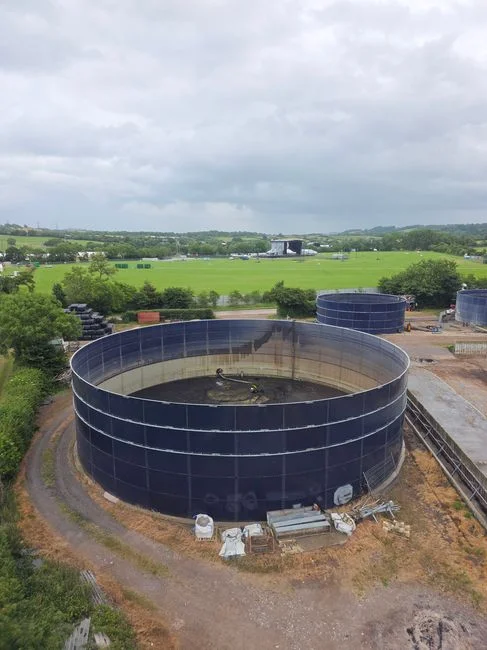
40 CFR Part 440 establishes federal daily-maximum and monthly-average effluent limits for arsenic, lead, zinc, copper, nickel, and cadmium in ore-mining and dressing discharges. The site-specific NPDES permit and applicable state conditions must still be reviewed before selecting the treatment train.
MBR’s stronger TSS and turbidity separation can reduce downstream polishing requirements, but it does not eliminate chemical precipitation when dissolved metals determine compliance. The membrane process must therefore be evaluated downstream of the required metals and pH controls, not as a substitute for them.
Discharge compliance also differs from near-reuse quality. The integrated MBR product is positioned below 1 μm filtration for reuse projects, but the intended reuse still requires validation. Fine solids and colloids may call for ultrafiltration equipment; dissolved salts may require industrial reverse osmosis; another application-specific barrier may be necessary.
HydropureWater’s 2026 comparison identifies make-up water above about $2/m³ and electricity above about $0.09/kWh as conditions that strengthen MBR economics. These are manufacturer sensitivity thresholds, not universal break-even points. Validate them with the site’s actual tariff, make-up-water purchases, disposal cost, recovered-water value, and achievable reuse yield.
The reuse decision should identify the next required treatment barrier and its operating demand. A high-quality MBR permeate does not automatically meet boiler, cooling, process, or irrigation requirements, and it does not establish that the volume can be used continuously.
Cost, payback and retrofit trade-offs in 2026
HydropureWater’s preliminary 1,000 m³/day example places MBR CAPEX at 20–40% above CAS and MBR OPEX at 15–30% higher per m³. These are manufacturer field estimates for planning comparison, not quotations or project guarantees.
| Cost or decision item | MBR | CAS | Buyer check |
|---|---|---|---|
| Preliminary CAPEX | 20–40% above CAS for the 1,000 m³/day example | Baseline in the same example | Obtain comparable quotations on identical hydraulic and solids bases |
| Preliminary OPEX | 15–30% higher per m³ | Baseline in the same example | Price electricity, air scour, chemicals, labor, cleaning, and membrane replacement |
| Main equipment drivers | Membrane cassettes, fine screens, permeate pumps, PLC controls, scouring, cleaning, and replacement | Simpler clarification arrangement and lower membrane-related maintenance | Separate first cost from life-cycle cost |
| Premium-payback claim | 4–6 years where a documented reuse driver applies | Applicable where reuse value is insufficient | Calculate from actual water savings, disposal avoidance, and reusable yield |
| Retrofit dependency | Needs basin volume, depth, screening, permeate pumping, controls, and CIP capacity | Can retain usable aeration and clarifier assets | Survey asset condition and remaining useful life |
MBR’s equipment premium is purchased in exchange for compact, gravity-independent solids separation and reuse potential. CAS retains its economic advantage where substantial aeration and clarification assets remain useful and no reuse value supports the membrane investment.
Retrofits require a separate hydraulic and structural check. An existing aeration basin may host submerged cassettes only if its volume supports the selected MLSS condition and its depth accommodates the modules. The retrofit also needs permeate pumps, fine screens, controls, and a cleaning skid; those omissions can erase the apparent installation saving.
Request both bids using the same flow basis, influent solids concentration, duty point, chemical assumptions, membrane-replacement allowance, power tariff, labor rate, sludge-disposal route, and contingency. Use the 2026 MBR cost and sizing guide only as a preliminary reference, not a substitute for site-specific pricing.
Use a pilot and procurement checklist before selecting MBR
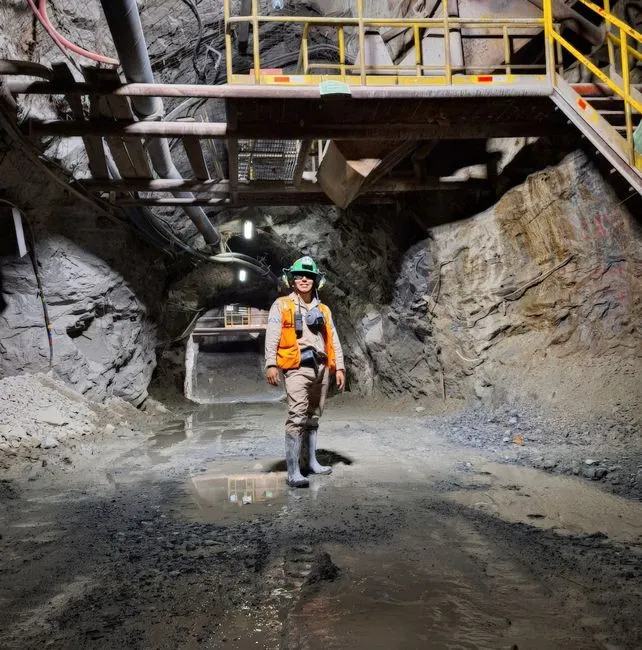
A site pilot is the defensible step between a shortlist and an equipment order because it tests the actual Phelps-area wastewater rather than a generic process model. The acceptance criteria should be approved before the pilot begins.
- Characterize representative and peak influent, including dry-weather, storm, shutdown, upset, and metal-pulse conditions. Use a composite sample only where it represents the required design event.
- Run a side-by-side or sequential pilot with actual site wastewater. Verify metal removal, solids separation, biological response, membrane flux, normalized permeability, cleaning frequency, and sludge production.
- Apply pretreatment consistently: module-specific fine screening, pH control, equalization, and upstream floatables removal.
- Compare flat-sheet and hollow-fiber formats through the complete process train rather than ranking them by membrane price or quoted area alone.
- Approve the process only after reconciling the metals mass balance, permit pathway, pilot acceptance criteria, total cost of ownership, and contingency.
HydropureWater recommends a 60–90 day membrane-cassette pilot; this is a manufacturer recommendation, not a universal regulatory requirement. The pilot should include enough representative variability to expose fouling and cleaning behavior. The supplied catalog describes DF-series flat-sheet MBR modules as 0.1 μm PVDF flat sheets with integrated aeration boxes and replaceable elements.
| Procurement item | Information required in every bid | Reason it matters |
|---|---|---|
| Membrane | Material, pore size, active area, design flux, and module format | Defines hydraulic loading and pretreatment requirements |
| Operation | Scouring basis, normalized permeability limits, cleaning chemistry, and expected cleaning interval | Tests the fouling and maintenance assumptions |
| Lifecycle | Element life, replacement basis, spare strategy, and warranty exclusions | Connects the initial quotation to operating cost |
| Controls | PLC scope, TMP and flux monitoring, controls philosophy, and integration requirements | Defines operability and operating labor |
| Performance evidence | Site-representative pilot results and acceptance criteria | Reduces reliance on generic or municipal performance data |
A pilot result should not be accepted as a permit guarantee. It should demonstrate whether the selected process can meet the agreed site conditions, after which the permit pathway and final design remain separate approvals.
Frequently Asked Questions
How much more does MBR cost than conventional activated sludge for a mining wastewater plant?
HydropureWater’s preliminary 1,000 m³/day comparison estimates MBR CAPEX at 20–40% above CAS and MBR OPEX at 15–30% higher per m³. These are manufacturer field estimates rather than quotations. Request both bids using the same hydraulic basis, influent solids, chemicals, power tariff, labor, sludge disposal, replacement allowance, and contingency.
What MBR flow capacity and module size should be specified for a Phelps plant?
The supplied product catalog covers integrated MBR flows from 10 to 2,000 m³/day, while the DF modules are available in 80–225 m² configurations producing 32–135 m³/day. Do not size from catalog limits alone: final selection requires representative influent testing, pilot flux and cleaning data, peak flow, equalization performance, pretreatment design, and the selected MLSS condition.
How should an engineer select an MBR supplier?
Require each supplier to state membrane material, pore size, active area, design flux, scouring basis, normalized permeability limits, cleaning chemistry, cleaning interval, element life, controls scope, spare strategy, and warranty exclusions. Evaluate those commitments through a site-representative pilot rather than comparing quoted membrane area or purchase price alone.
Does an MBR meet mining wastewater permit limits without precipitation?
No. MBR improves solids separation but does not replace chemical precipitation where dissolved metals drive compliance. The current NPDES permit and 40 CFR Part 440 must be reviewed, together with applicable state conditions, before the treatment train is fixed. Reuse requirements may also add treatment barriers beyond discharge compliance.