
Which contaminants should each separator remove?
The separator should be matched to the contaminant fraction rather than selected by product label. Dissolved air flotation (DAF) pressurizes recirculated water and releases 30–50 µm microbubbles that attach to conditioned floc; a skimmer then removes the floating blanket (Clearwater Industries, “Dissolved Air Flotation for Industrial Wastewater Treatment”). This mechanism suits oils and greases, residual flotation reagents, biological flocs, fine precipitates, and colloidal fines that can be conditioned for flotation. Conventional clarification instead relies on gravity settling. A lamella clarifier for dense mineral solids increases effective settling area through inclined plates but does not change the basic mechanism.
Dense mineral fines, tailings, and metallurgical sludges with a specific gravity greater than water are normally stronger candidates for clarification. Fluence, in “What Is Dissolved Air Flotation?”, identifies high silt and clay loadings as a DAF limitation because heavier particles do not float effectively. Metals do not independently identify the correct unit. Dissolved metals remain in solution unless additional chemistry changes their form, while metals attached to settleable, floatable, or precipitable particles must be conditioned and physically separated. A flotation clarifier is therefore not equivalent to a gravity or lamella clarifier. Review the proposed industrial DAF system by mechanism and target fraction, not by its name.
Use the wastewater fraction to choose the unit
Route each source according to its dominant behavior, then evaluate combined streams separately. Tailings-thickener overflow and mill discharge dominated by dense mineral fines favor conventional or lamella clarification. Streams with meaningful free or emulsified oil, flotation-reagent carryover, or conditionable colloidal solids favor DAF. For a combined stream containing substantial heavy solids and a meaningful buoyant or colloidal fraction, evaluate a clarifier followed by a DAF polisher: clarification removes the bulk settleable load, while flotation targets material that escapes.
Sequential units are justified only when distinct fractions, separate removal targets, or downstream reuse requirements make both stages useful. Substantial sand or grit can justify a mechanical bar screen for solids pretreatment before either separator. Treat metal-finishing rinse water, acid-mine-drainage neutralization overflow, and combined plant streams independently because their chemistry and floatability differ.
| Wastewater condition | First technical screen | Reason |
|---|---|---|
| Dense, readily settling mineral fines | Conventional or lamella clarification | Gravity settling directly targets the dominant load. |
| Oil, flotation reagents, or conditionable colloids | DAF | Microbubbles attach to floc and carry it to the surface. |
| Heavy solids plus a meaningful buoyant or colloidal fraction | Clarifier followed by DAF polisher | Each stage has a distinct contaminant target. |
| Substantial sand or grit | Mechanical pretreatment before separation | Protecting the selected unit from abrasive or excessive solids. |
How Little Rock plants should characterize the wastewater
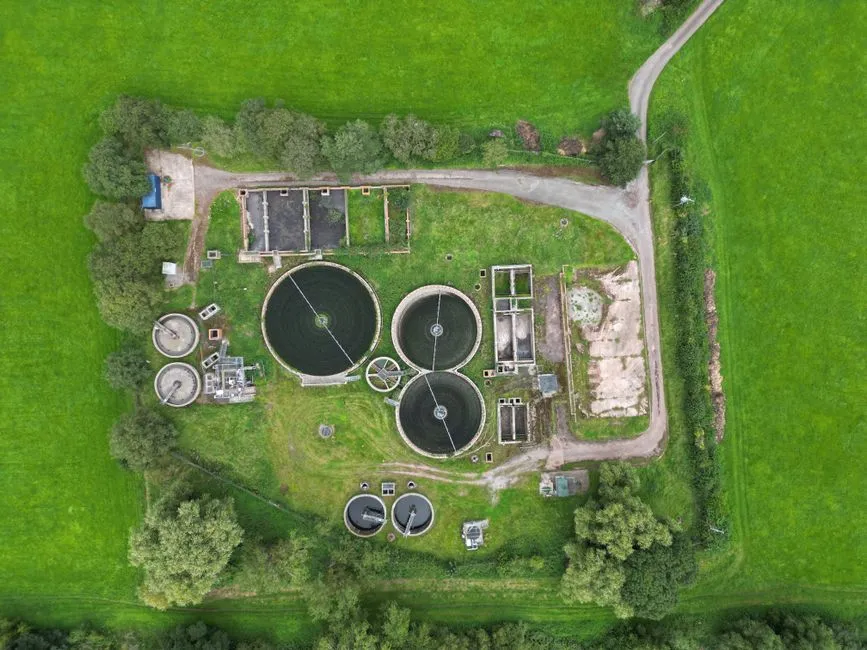
Equipment selection should be based on source-specific hydraulic and mass loading, not an averaged plant flow. Document flow by source, peak flow, batch discharges, washdown events, stormwater contribution, equalization volume, TSS, particle-size distribution, settleability, oils and greases, pH, temperature, alkalinity, and total and dissolved metals. Sample representative streams across production and seasonal conditions. A single composite result can conceal the batch load that determines tank and sludge-handling capacity.
Separate total metals from dissolved metals and establish whether the metal-bearing material is dense, colloidal, precipitated, or oil-attached. Jar-test records should identify the coagulant, pH target, flocculant, dose range, mixing conditions, and observed floatability or settleability. Use peak hydraulic flow and peak solids mass load when evaluating alternatives; the supplied research identifies peak solids loading, not average flow alone, as a key DAF design consideration.
For DAF, request the proposed rise rate, recycle flow, air-to-solids basis, and solids-handling capacity. For clarification, request the surface overflow rate, effective settling area, sludge collection method, and underflow capacity. HydropureWater lists 13 DAF models spanning 4–300 m³/h, but that published model range is not a substitute for site-specific sizing. Chemical feed should be treated as part of the process: require the PLC-controlled chemical dosing skid to be sized around the tested dose and operating sequence.
| Design input | Why the buyer needs it | Required proposal detail |
|---|---|---|
| Source flow, peak flow, and batch profile | Defines hydraulic duty and equalization needs. | Design flow, peak-flow response, and controls sequence. |
| TSS, particle size, settleability, and contaminant fractions | Identifies the separation mechanism. | Daf basis or clarification design basis tied to the characterized stream. |
| Total and dissolved metals, pH, alkalinity, temperature | Defines chemical and materials requirements. | Conditioning scheme and corrosion-resistant material selection. |
| Peak solids load and sludge characteristics | Sets solids-handling and dewatering duty. | Solids withdrawal, storage, pumping, and downstream dewatering route. |
Confirm the choice with jar testing and pilot work
Chemical dose must be established from the actual wastewater rather than copied from a generic equipment proposal. A Logan, Utah wastewater treatment plant study recorded 30 mg/L aluminum sulfate as the optimum for algae and phosphorus removal from lagoon effluent; the study treated DAF optimization as a jar-test exercise rather than a default supplier value (Elder, 2011, Utah State University). That result does not establish an optimum dose for a Little Rock metals stream, but it demonstrates why the RFQ should require dose-versus-response evidence.
Clearwater describes chemical conditioning as a combination of coagulant, pH adjustment, and polymer flocculant. Its configurations use a 15–45 second flash-mix contact in flocculation tubes or longer contact in impeller mix tanks where required; contact time is determined empirically through jar testing (Clearwater Industries, “Dissolved Air Flotation for Industrial Wastewater Treatment”).
Screen DAF and clarification alternatives using the same wastewater, chemical assumptions, hydraulic profile, and performance criteria. Pilot work should identify the contaminant fraction removed by each candidate and measure final TSS and metal results, sludge volume and moisture content, chemical consumption, and sensitivity to peak and batch loads. Any commitment must state the sampling point, analytical method, wastewater, flow, temperature, chemical dose, and acceptance criterion. Comparable metal-bearing pilot data or project references are useful evidence, but neither is a guarantee for the Little Rock site.
Compare hydraulics, footprint, materials, and controls
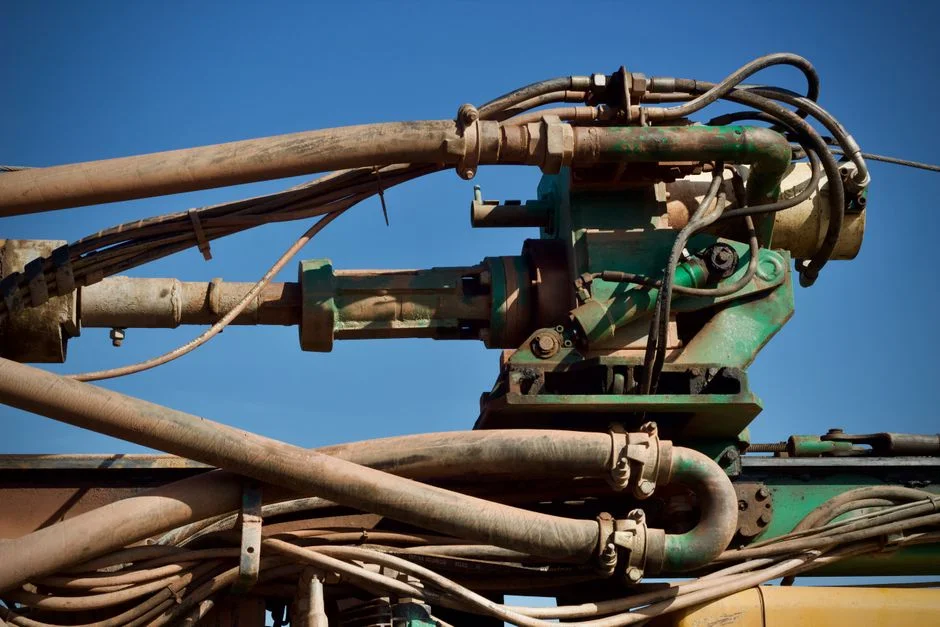
The bids should expose the operating variables that determine fit and reliability. Require each supplier to state the separation mechanism because “clarifier” alone is ambiguous. A DAF proposal should identify tank area, rise-rate basis, recycle system, nozzle and saturation details, skimmer duty, sludge withdrawal, controls, and peak mass-loading capacity. A clarification proposal should identify tank geometry, effective settling area, surface overflow rate, feed distribution, sludge recirculation, rake or collection design, underflow arrangement, and the selected footprint.
Clarification generally needs a larger civil footprint; inclined plates can compress the footprint for a given effective settling area. Clearwater’s cited configurations distinguish FPAC for small-to-medium flow with very high contaminant loads, FPBC for low-to-medium loads with very low overflow rates, and FPHF for large flows with medium-to-large loads (Clearwater Industries, “Dissolved Air Flotation for Industrial Wastewater Treatment”). These are configuration distinctions, not equipment-selection guarantees.
Choose materials from the actual chemistry and temperature. Clearwater identifies 304SS as standard for its DAF clarifiers, with 316SS, polypropylene, and other materials available on request (Clearwater Industries, April 27, 2026). Acidic or abrasive service requires a documented engineering justification. Integrate the PLC-controlled chemical dosing skid with flow, level, pH, skimmer or sludge withdrawal, alarms, monitoring, and data logging rather than pricing it as an accessory.
| Bid item | DAF response required | Clarification response required |
|---|---|---|
| Separation duty | Rise rate, recycle, saturation, skimmer, and peak mass loading | Effective area, surface overflow rate, feed distribution, and underflow capacity |
| Solids route | Floated-blanket withdrawal and handling capacity | Rake or collection design and sludge-recirculation arrangement |
| Materials | Chemistry-specific selection with corrosion basis | Chemistry-specific selection for basin, mechanism, and sludge contact |
| Controls | Flow, recycle, pH, chemical feed, skimmer, alarms, and logging | Flow, level, sludge withdrawal or recirculation, alarms, and logging |
Price the complete treatment train
The supplied research does not provide a defensible 2026 unit price for either DAF or a clarifier. Request a budgetary quotation linked to flow, TSS, contaminant fractions, seasonal variation, and peak loads. A purchase price for a tank or skid is not comparable until pretreatment, pH control, coagulant and flocculant equipment, recycle pumps and compressors, controls, utilities, installation, maintenance, and downstream sludge handling are included.
Clarification and DAF also create different solids routes. Clearwater states that a correctly conditioned DAF can produce a thick floated sludge that may need little further dewatering (“Dissolved Air Flotation for Industrial Wastewater Treatment”). Clarifier underflow still requires collection and disposition. Compare the complete route: storage, sludge-feed pumping, filter-press operation, polymer use if applicable, cake transport, and disposal frequency.
HydropureWater’s plate-and-frame options span filtration areas from 1 m² to 500 m². Final selection depends on sludge characteristics, feed rate, operating cycle, target cake condition, and available solids-handling method—not filter area alone. Require each bid to state utilities, spare parts, maintenance tasks, manufacturer service scope, commissioning boundaries, and performance exclusions. For the complete sludge route, request pricing around the plate-and-frame sludge filter press rather than accepting an undefined dewatering allowance.
Build a Little Rock procurement and compliance checklist
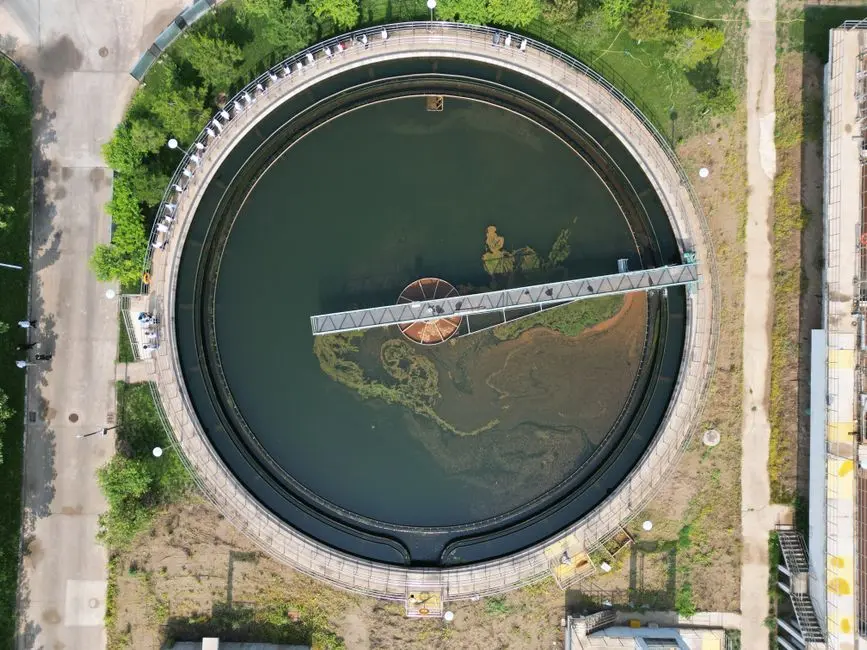
A comparable RFQ should attach the same engineering basis to every bid: influent characterization, sampling plan, jar-test record, pilot evidence, design flow, peak solids load, target effluent quality, and downstream reuse or discharge objective. Require the supplier to evaluate the alternative process rather than excluding it solely because of product preference. For a mixed stream, ask whether both a clarifier-first/DAF-polisher train and a single-stage alternative were technically screened.
Check the facility’s current permit, Arkansas discharge authorization, and any applicable federal categorical or pretreatment requirements against the proposed treatment train. The engineering package should identify which requirement applies to each effluent parameter; it should not assume that a generic equipment claim satisfies the site’s authorization. Regional industrial wastewater engineering and compliance guidance can support that review, but current site-specific requirements remain controlling.
Request evidence of experience with comparable metal-bearing wastewater, relevant quality-management certification, commissioning support, controls integration, and spare-parts availability. Make acceptance testing conditional on defined influent conditions, sampling points, analytical methods, chemical doses, and performance targets. Do not accept a statement that a unit will “meet all limits”; tie each guarantee to the applicable site requirement.
| RFQ package | Required information | Acceptance check |
|---|---|---|
| Wastewater basis | Source flows, peak loads, batch events, characterization, and variability | All bid assumptions reconcile with the same site data. |
| Process screening | DAF, clarification, combined train, pretreatment, and downstream treatment | Alternative mechanisms were technically evaluated. |
| Performance evidence | Jar tests, pilot data, analytical methods, and operating conditions | Results apply to the characterized Little Rock wastewater. |
| Commercial scope | Equipment, chemicals, controls, utilities, installation, service, and sludge route | Exclusions and complete treatment costs are visible. |
| Compliance | Current authorization, applicable requirements, and acceptance criteria | Every guarantee references a defined site requirement. |
Frequently Asked Questions
How should a Little Rock plant budget for DAF versus gravity clarification in 2026?
Request a budgetary RFQ quotation instead of relying on an unsupported unit-price range. Give each bidder the same flow, TSS, contaminant fractions, peak loads, seasonal variation, materials, controls, pretreatment,
Frequently Asked Questions
How much does a DAF or clarifier cost for a mining wastewater plant in 2026?
For a standard mining wastewater application in 2026, a high-rate Dissolved Air Flotation (DAF) unit typically ranges from $150,000 to $450,000 depending on throughput capacity and metallurgical construction requirements. A traditional circular or rectangular clarifier generally costs between $100,000 and $350,000 for equipment alone, though total installed costs including civil works and concrete basins often exceed equipment costs by 200% to 300%.
Operating expenditures for DAF systems are typically higher due to energy consumption for air saturation pumps and chemical coagulant/flocculant dosing, whereas clarifiers rely on gravity settling and lower chemical inputs but require significantly larger site footprints and periodic sludge handling automation upgrades.
Which supplier qualifications should I require when buying a mining wastewater DAF?
Ensure the supplier provides verifiable experience with specific mineral processing ore types, as tailings characteristics vary significantly in density and rheology. Require a proven track record of installations that have successfully handled suspended solids concentrations exceeding 5,000 mg/L, as standard municipal DAF units often fail under high-solids mining loads.
Mandate that the supplier holds active certifications for corrosion-resistant materials, such as 316L stainless steel or epoxy-coated carbon steel, to withstand the acidic or alkaline pH levels common in mining effluent. Furthermore, request a list of regional references in Arkansas or similar geological regions to confirm their ability to meet local environmental discharge standards.
Should I size a DAF from average flow or peak solids loading?
A DAF unit must be sized primarily based on peak solids loading rather than hydraulic average flow. Mining processes are inherently batch-oriented or prone to process upsets, leading to significant surges in Total Suspended Solids (TSS) that can overwhelm a system sized only for average hydraulic throughput.
If the system is undersized for peak solids, the air-to-solids (A/S) ratio will drop below the critical threshold of 0.01 to 0.05, resulting in poor float blanket formation and immediate permit exceedance. Engineers should utilize the maximum anticipated mass loading rate, often calculated in kg/m²/hr, to ensure the flotation surface area can handle transient spikes in tailings concentration.
Do I need a clarifier before DAF for mining wastewater?
In most mining applications, a primary clarifier is recommended before DAF if the influent TSS consistently exceeds 10,000 mg/L or contains significant amounts of coarse, heavy grit. The clarifier acts as a protective buffer, removing larger particles that would otherwise cause high wear on DAF pumps and saturation nozzles or lead to rapid sludge blanket compaction.
If the influent stream is characterized by low-density, fine-grained particles that do not settle readily within a 2-4 hour retention period, a clarifier may be bypassed in favor of a robust DAF system equipped with advanced multi-stage flocculation. A site-specific settling velocity test (jar test) is necessary to determine if the settling time justifies the capital investment of a primary clarifier.
What evidence should I require before a wastewater treatment system is guaranteed to meet my permit limits?
Require a comprehensive pilot study report conducted on-site using a representative wastewater sample that accounts for seasonal variations in the mine's water chemistry. This study must demonstrate consistent removal efficiencies for the specific contaminants listed in your discharge permit, such as heavy metals (e.g., arsenic, lead, copper) or specific ionic species.
Demand a formal performance guarantee backed by a process warranty that specifies the effluent quality targets (e.g., < 30 mg/L TSS) under defined influent conditions. This should include a detailed chemical consumption matrix and a mass balance calculation showing how the system will maintain compliance during both low-flow and peak-load scenarios.