
When an SBR Is the Right Biological Treatment for a Sugar Mill
An SBR is a credible biological treatment option for sugar mill wastewater because sugar-processing effluent is highly biodegradable, but average COD alone is not a sufficient basis for selection. Sugar mill wastewater can contain 1,100–12,200 mg/L COD, 350–5,100 mg/L BOD, suspended solids, calcium, and wide campaign-related fluctuations. A defensible design separates wash water and process streams, screens and equalizes the wastewater, removes suspended solids before biology, and confirms performance against seasonal loads, temperature, pH, calcium, and the required effluent quality. If a co-located distillery sends spent wash into the same train, that high-strength stream requires a separate treatment path.
ClearFox describes sugar factory wastewater as highly biodegradable, making aerobic biological treatment a logical starting point. An SBR can fit where the objective is organic-load removal before discharge, irrigation reuse, lower-grade cooling reuse, or integration with downstream polishing. The reactor does not remove every problem associated with sugar milling: beet-washing solids, calcium-related scaling, temperature changes, and distillery spent wash need upstream control or a separate treatment route.
The comparison should therefore be against the required effluent specification, reuse destination, available footprint, campaign operating pattern, and operator capability—not simply installed reactor cost. Mill wastewater, satellite wash-water, staff-camp sewage, and distillery spent wash should not be treated as interchangeable streams. The 2026 sugar mill wastewater recycling and reuse guide provides the broader reuse context for comparing discharge, cooling, boiler, and imbibition options.
| Decision condition | Initial SBR assessment | Required check before approval |
|---|---|---|
| Biodegradable mill wastewater with variable seasonal flow | Potential biological core after pretreatment | Full-campaign stream data and pilot performance |
| Discharge with biodegradable organic load | Plausible where discharge limits can be met | Current permit and signed effluent guarantee |
| Irrigation or cooling reuse | Possible with treatment appropriate to the reuse destination | Quality specification and reuse demand |
| Boiler feed | Not established by biological treatment alone | Salts, hardness, silica, conductivity, and polishing scope |
| Co-located distillery spent wash | Not suitable for uncontrolled blending into the mill SBR | Separate high-strength treatment route |
Characterize the Wastewater Before Sizing the Reactor
Reactor sizing must be based on stream-specific campaign data because beet and cane processing wastewater differ substantially in composition and variability. ClearFox reports the following ranges for sugar beet wastewater: COD 3,000–6,600 mg/L, BOD 3,500–4,000 mg/L, nitrogen 10–44 mg/L, phosphorus approximately 3 mg/L, solids up to approximately 6,000 mg/L, calcium 400 mg/L, and pH approximately 7–8. It reports wider ranges for cane processing: COD 1,100–12,200 mg/L, BOD 350–5,100 mg/L, nitrogen 15–40 mg/L, phosphorus 1–12 mg/L, solids 760–9,000 mg/L, pH 5–9.5, calcium up to approximately 2,400 mg/L, and chloride up to approximately 3,000 mg/L (ClearFox, Wastewater Treatment in the Sugar Industry, 2026).
The cane ranges are broader because campaign operating conditions and recirculation can materially change concentrations. ClearFox specifically reports greater fluctuations in cane processing, with concentrations continuing to rise in partially closed loops. A single composite sample can therefore conceal the short-duration organic, solids, pH, or temperature excursions most likely to affect settling and biological performance.
| Parameter | Sugar beet wastewater | Cane-processing wastewater | Design implication |
|---|---|---|---|
| COD | 3,000–6,600 mg/L | 1,100–12,200 mg/L | Use stream and time-series loads, not one composite value |
| BOD | 3,500–4,000 mg/L | 350–5,100 mg/L | Do not transfer a loading rate between cane and beet without verification |
| Nitrogen | 10–44 mg/L | 15–40 mg/L | Confirm whether nutrient removal is required |
| Phosphorus | Approximately 3 mg/L | 1–12 mg/L | Confirm the governing reuse or discharge specification |
| Solids | Up to approximately 6,000 mg/L | 760–9,000 mg/L | Establish whether solids removal is required before biology |
| Calcium | 400 mg/L | Up to approximately 2,400 mg/L | Check scaling and precipitation conditions |
| pH | Approximately 7–8 | 5–9.5 | Specify equalization and feed-conditioning requirements |
| Chloride | Not stated in the supplied beet range | Up to approximately 3,000 mg/L | Assess reuse and biological-process implications |
Test COD, BOD, TSS, TDS, temperature, pH, calcium, and flow separately for every major stream. The full-scale sugar-mill study by Processes, “Novel Treatment of Sugar Mill Wastewater in a Coupled System of Aged Refuse Filled Bioreactors,” supports the viability of full-scale biological treatment, but its ARFB arrangement is not an SBR loading, cycle, or sizing specification (Processes, 2024).
Before finalizing reactor volume or an equipment guarantee, obtain at least one complete campaign of stream-specific data. The required dataset should connect measured concentrations to flow and operating events, including wash-down, startup, shutdown, recirculation changes, and any distillery discharge.
Build the SBR Treatment Train from Upstream to Downstream
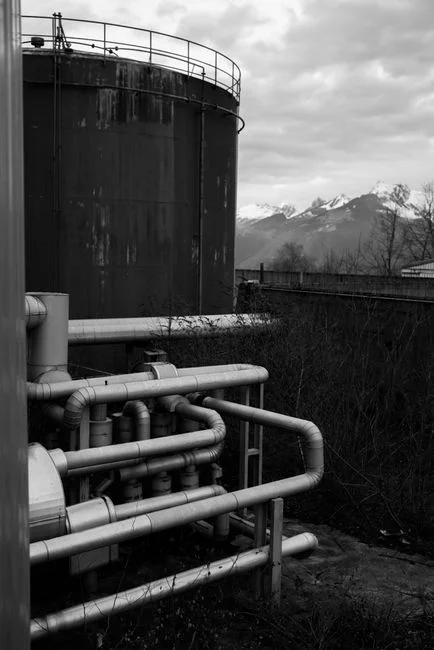
The SBR should sit inside a controlled treatment train rather than receive untreated mill wastewater directly. ClearFox identifies soil, sand, stones, leaves, beet residues, sugar residues, and calcium compounds among relevant constituents. Screening and grit removal come first because coarse solids can obstruct equipment and disrupt downstream biological and solids-separation stages. An automatic rotary bar screen for continuous solids and debris removal should be evaluated within the mechanical scope.
Dispersed, colloidal, oily, or high-solids material may require additional physico-chemical separation. ClearFox describes dissolved air flotation as an optional stage after mechanical pretreatment, where it removes suspended solids, oil and grease, and flocculated material before aerobic treatment. An industrial DAF pretreatment for sugar mill wastewater is relevant when the measured solids and oil-and-grease load justifies it; it is not a substitute for biological removal of soluble biodegradable material.
- Screen and remove coarse solids: protect the equalization and biological stages from stones, residues, and fibrous material.
- Equalize the selected stream: HydropureWater’s 2026 reuse guide scopes equalization at 12–24 hours HRT and 1.5–2.0 times average hourly flow.
- Condition and pretreat as required: use DAF where the measured constituent load and downstream treatment require it.
- Operate the SBR sequence: fill, react, settle, decant, and idle, with cycle allocation controlled by measured load and the effluent objective.
- Separate and handle sludge: provide biological solids removal, sludge withdrawal, storage, and dewatering. A plate-and-frame filter press for separated biological sludge is relevant where further dewatering is required.
- Protect the reuse destination: add filtration, reverse osmosis, or disinfection only where the specified end use requires them.
| Stage | Primary function | SBR-specific requirement |
|---|---|---|
| Mechanical screening | Remove stones, residues, and fibrous debris | Protect pumps, valves, and biological equipment |
| Equalization | Buffer flow and concentration variation | Maintain a stable feed basis during the campaign |
| DAF, if justified | Remove suspended, colloidal, and oily material | Reduce solids entering the biological stage |
| SBR | Biologically remove biodegradable organics | Allocate fill, react, settle, decant, and idle phases from measured performance |
| Sludge separation | Separate biomass and precipitated solids | Define withdrawal, storage, and dewatering routes |
| Polishing, if justified | Meet reuse or discharge requirements | Select filtration, MBR, RO, or disinfection by specification |
A conventional SBR includes biological solids separation through its settling and decant sequence. An integrated MBR alternative to a conventional SBR instead combines activated sludge with submerged PVDF filtration and eliminates a separate secondary clarifier; that is a materially different plant scope.
Handle Seasonal Loads, Scaling, and High-Strength Side Streams
Equalization must be sized around verified campaign conditions rather than assumed stable operation. ClearFox warns that wastewater volume, organic load, temperature, and elevated calcium must be verified before design because incorrect inputs can reduce performance and jeopardize discharge compliance (ClearFox, Wastewater Treatment in the Sugar Industry, 2026).
Partially closed water loops can concentrate salts and contaminants during a campaign. That operating pattern affects equalization, biological feed variability, scaling, and reuse-water quality. It is not defensible to prescribe a fixed SBR cycle without testing it against the mill’s actual load profile. Where calcium-related precipitation is credible, the design must address it explicitly rather than treating the SBR as a universal solution.
Distillery spent wash should be excluded from uncontrolled mill-stream blending. HydropureWater’s 2026 reuse guide reports spent wash at 80,000–120,000 mg/L COD, 35,000–55,000 mg/L BOD, 15,000–30,000 mg/L TSS, 90–105 °C, pH 3.8–4.5, and 30,000–50,000 mg/L TDS. The guide states that this high-strength stream is normally kept on a separate treatment path. ClearFox identifies anaerobic alternatives primarily for very high loads exceeding approximately 30,000 mg/L COD (ClearFox, 2026).
Before adding advanced polishing, quantify cooling, boiler, and imbibition demand. HydropureWater’s 2026 reuse guide reports that a matched five-stage reuse train can recover 60–85% of freshwater intake. That recovery depends on the treatment train and actual reuse demand; DAF, MBR, reverse osmosis, and disinfection should be included only when the destination specification requires them.
Compare SBR with Competing Biological Treatment Options
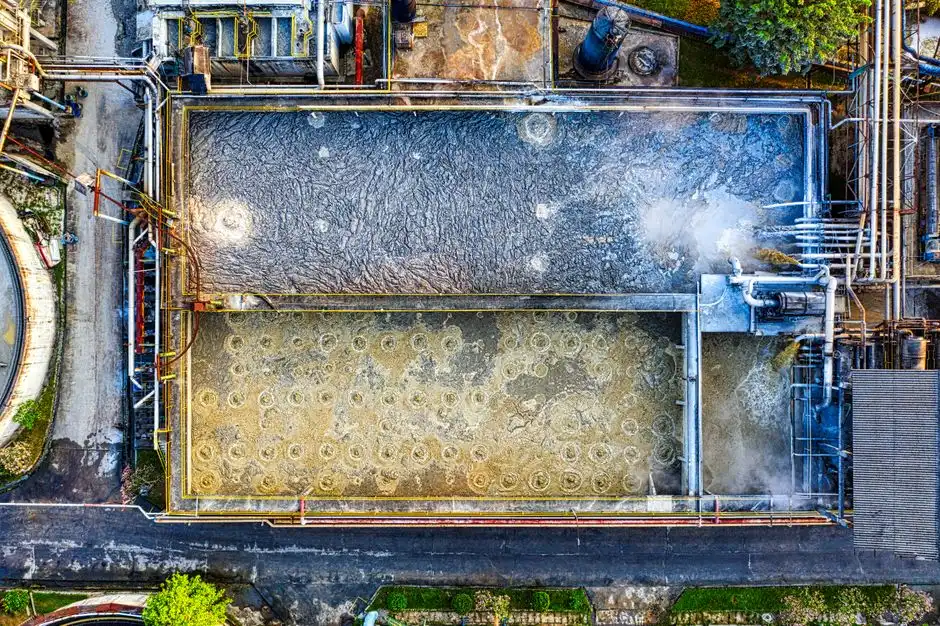
The appropriate biological process depends on load, footprint, reuse quality, seasonal variation, and operator capability; there is no universal winner. An SBR separates biological treatment and settling in a time-based sequence, while MBBR retains biomass on fixed carriers, activated sludge relies on a mixed bioreactor and separate clarification, anaerobic treatment targets high-strength organic loads, and MBR couples activated sludge with membrane filtration.
Against MBBR, an SBR offers a different footprint and cycle-control strategy but requires disciplined sequencing and settling performance. The 2026 MBBR design and buying guide is useful when comparing carrier management and continuous biological treatment. Against conventional activated sludge, SBR incorporates settling and decantation within the reactor sequence, while activated sludge requires downstream clarification. The choice should reflect available footprint, hydraulic variation, and operator capability rather than generic efficiency claims.
For high-strength organic wastewater, UASB or another anaerobic route can precede aerobic polishing. ClearFox places anaerobic alternatives primarily above approximately 30,000 mg/L COD, a threshold below the reported spent-wash COD range (ClearFox, 2026). DAF alone cannot replace biological removal of biodegradable organics.
| Use case | SBR assessment | Alternative to assess | Decision driver |
|---|---|---|---|
| Permitted discharge | Potential core stage after pretreatment | Activated sludge, MBBR, or anaerobic-aerobic train | Organic load, footprint, and guarantees |
| Irrigation reuse | Possible with qualification for the irrigation specification | DAF plus biological treatment, MBR where justified | Quality, pathogen control, salinity, and end-use requirements |
| Cooling reuse | Possible if biology is sufficient for the intended service | MBR-based polishing | Conductivity, suspended solids, and reuse demand |
| Boiler feed | Not established by SBR biology alone | MBR, RO, and additional treatment | Hardness, silica, conductivity, and salt removal |
| Co-located distillery wastewater | Do not use uncontrolled blending | Separate UASB or digester-based route | Spent-wash concentration, temperature, and TDS |
| Constrained site | Depends on configured footprint and equalization | MBR or modular alternatives | Available area, expansion plan, and reuse quality |
HydropureWater’s 2026 guide describes its integrated MBR as combining activated sludge with submerged PVDF filtration, producing near-reuse-quality effluent, occupying a footprint stated to be 60% smaller than conventional systems, and being offered from 10–2,000 m³/day. Those are catalog facts, not automatic reasons to prefer MBR over SBR. The final selection must satisfy the site’s actual reuse quality and operating constraints.
Specify, Commission, and Operate the SBR with Measurable Controls
Procurement documentation should convert the SBR concept into measurable equipment and operating obligations. The supplier should identify the design flow, average and peak organic load, hydraulic profile, equalization volume, reactor configuration, cycle strategy, sludge-removal method, control philosophy, and performance-guarantee basis. No reactor volume or cycle time should be accepted without the site-specific inputs needed to derive it.
The governing performance criterion should be the applicable discharge permit or reuse specification, confirmed against current site requirements. The supplied research does not establish a universal SBR effluent specification, so a generic “sugar-mill performance guarantee” is not an adequate procurement basis.
| Procurement item | Evidence required | Acceptance check |
|---|---|---|
| Design basis | Stream-specific flow and pollutant data | Peak and average loads reconcile with campaign data |
| Equalization | Hydraulic model and campaign operating profile | 12–24 h HRT and 1.5–2.0 times average hourly flow are addressed |
| Reactor and cycle | Biological loading basis, settling criteria, and cycle logic | Cycle is adjustable from measured performance |
| Controls | PLC functional description and instrument list | pH, turbidity, conductivity, and free chlorine are addressed where relevant |
| Reuse protection | Silica, hardness, conductivity, and diversion logic | Automatic diversion is specified where boiler or cooling quality can be exceeded |
| Commissioning | Startup method, acceptance tests, training, and support | Acceptance is tied to site-specific guarantees |
For reuse, HydropureWater’s 2026 guide specifies online pH, conductivity, turbidity, and free chlorine monitoring at the reuse header, plus silica and hardness monitoring on boiler-feed lines. For DAF preceded by coagulation or flocculation, automatic chemical dosing is required; an PLC-controlled automatic dosing skid should cover coagulant, flocculant, and pH adjustment.
The commissioning scope should include campaign testing, operator training, sludge handling, DAF or membrane maintenance where applicable, and a measured startup plan. Generic literature performance is not a substitute for site-specific pilot or operating data.
Frequently Asked Questions
Is an SBR suitable for sugar mill wastewater?
Yes, subject to verification. ClearFox describes sugar factory wastewater as highly biodegradable, which supports biological treatment. Selection still requires stream-specific COD, BOD, solids, calcium, temperature, pH, and campaign variability. Solids control, equalization, calcium management, and the required effluent quality determine whether an SBR remains appropriate.
How should an SBR be sized for a sugar mill?
Sizing requires measured flow, organic load, hydraulic profile, equalization volume, biological loading basis, settling performance, sludge removal, and the reuse objective. The supplied research does not provide a defensible generic SBR reactor-volume formula, so a supplier should show the derivation and site data used rather than quote a volume from average COD alone.
How should a buyer select an SBR supplier?
Ask for site-specific data, a complete P&ID, pretreatment and equalization scope, a campaign operating plan, cycle controls, equipment guarantees, maintenance support, and after-sales service. For cost and budget review, request a transparent quotation separating civil work, mechanical equipment, biological reactor internals, controls, pretreatment, sludge handling, commissioning, and reuse polishing. The research states that treatment costs depend on wastewater volume, contamination, required effluent quality, technology, space, and automation, but it does not provide an SBR quotation.
Can an SBR alone produce cooling- or boiler-grade reuse water?
No such conclusion can be made from biology alone. Biological treatment does not establish compliance for salts, conductivity, silica, hardness, turbidity, or disinfection. A conventional SBR may form part of a cooling-reuse train, while boiler-feed reuse requires the additional salt-removal and control scope defined by the site specification.
How should distillery spent wash be managed?
Keep it on a separate high-strength treatment route rather than blending it into the mill SBR. HydropureWater’s 2026 guide reports spent-wash COD of 80,000–120,000 mg/L and TDS of 30,000–50,000 mg/L. ClearFox identifies anaerobic alternatives primarily for loads exceeding approximately 30,000 mg/L COD, supporting separate anaerobic or digester-based treatment rather than uncontrolled dilution.