
Which Limits Control Sewer Discharge Near Central?
Mining and metals plants near Central, United States, meet sewer pretreatment limits by proving that their wastewater meets the receiving POTW’s local limits, applicable categorical pretreatment standards, prohibited-discharge rules, monitoring, and best-management requirements. EPA’s Local Limits Development Guidance identifies a five-stage process: determine pollutants of concern, collect and analyze data, calculate maximum allowable headworks loadings, designate and implement limits, and address collection-system concerns. In practice, a plant characterizes variable streams, controls pH, precipitates or removes metals, separates solids, verifies compliance, and manages the resulting sludge before discharge.
A plant sending wastewater to a POTW is an indirect discharger. Its industrial user permit, the POTW’s sewer-use ordinance and local limits, applicable categorical standards, and state or local enforcement conditions define the discharge envelope. An NPDES permit may also govern other site discharges, but it does not replace the POTW’s requirements for wastewater entering the sewer. The regional mining pretreatment compliance guide describes this distinction, while the receiving authority—not a generic “Central” label—must be identified before design begins.
EPA’s Local Limits Development Guidance is 134 pages long and is not itself a regulation. EPA states that a discharger’s obligations are determined by its permit or applicable regulatory requirements, and that a permit or regulation controls if it conflicts with the guidance. The guidance provides a useful decision chain: identify pollutants of concern; collect and analyze data; calculate maximum allowable headworks loadings; designate and implement local limits; and address collection-system concerns.
Do not infer the applicable federal mining subcategory from a generalized label such as “metal mining.” Confirm the subcategory cited in the facility’s permit and supporting regulatory record. The equipment procurement package should also establish which requirements apply to each source stream, rather than treating all wastewater as one permitted discharge.
| Document or dataset | Decision supported | Question to resolve before sizing |
|---|---|---|
| Receiving POTW sewer-use ordinance and pretreatment limits | Site-specific prohibited discharges, local limits, monitoring, BMPs, fees, and enforcement | Which POTW owns the receiving sewer, and what current limits and discharge prohibitions apply? |
| Industrial user permit | Authorized discharge location, constituent limits, sampling, reporting, monitoring, and operating conditions | Does the facility qualify as a significant industrial user, and what self-monitoring is required? |
| Applicable 40 CFR categorical subcategory | Federal pretreatment floor applicable to the facility’s regulated process | Which subcategory is cited in the permit and industrial user documentation? |
| Current NPDES permit, if applicable | Requirements for any direct site discharge and related operating context | Which outfalls, if any, are covered separately from sewer discharge? |
| Recent monitoring and discharge data | Observed concentrations, loads, variability, excursions, and historical treatment performance | What do current records show under production, storm, and campaign conditions? |
For additional local context, compare the mining and metals pretreatment compliance guide for a Central-area facility, but use it as a framework—not as evidence that its POTW limits apply at another site.
Characterize the Wastewater Before Sizing Equipment
Treatment equipment should be sized from the wastewater that can reach the treatment system, not from an annual average or a single clean-water sample. Mining and metals operations can combine pit dewatering, concentrator slurry water, contact stormwater, acid mine drainage, and finishing rinsate. Their pollutant fingerprints, flow patterns, and manageability differ enough that stream segregation may be necessary before equalization and treatment.
Build a 12-month influent characterization covering ordinary production, mill campaigns, ore-grade changes, contact-water events, shutdowns, and the most demanding combinations of flow and concentration. Record flow together with pH, suspended solids, oil and grease, metals, hardness, and any flotation reagents or other constituents identified in the industrial user permit or POTW application. Sampling frequency should reflect the variability of those operating states; annual averages conceal the peaks that can cause an excursion.
EPA’s sampling framework recognizes three possible locations: the POTW, the collection system, and industrial users. It also treats initial program-development sampling and ongoing-evaluation sampling as separate activities. For an industrial user, that distinction translates into a defensible baseline program followed by recurring compliance monitoring at the locations and frequencies required by the permit.
| Design input | Required evidence | Engineering use |
|---|---|---|
| Flow and load envelope | Flow records linked to production, storm events, campaigns, and shutdowns | Equalization volume, pumping, equalization residence, chemical-feed capacity, and hydraulic loading |
| Constituent envelope | Representative and composite analytical data from each source stream | Precipitation chemistry, clarifier solids loading, filtration duty, polishing requirements, and monitoring plan |
| Worst-case condition | Documented combination of high flow and adverse concentration or chemistry | Equipment sizing and verification of treatment under upset conditions |
| Variability | Time-series data for pH, flow, solids, and relevant process variables | Equalization strategy, control setpoints, chemical storage, redundancy, and contingency operation |
| Validated chemistry | Representative jar or pilot testing plus supplier process review | Chemical dose, reactor residence, floc performance, filtration loading, and expected residual quality |
Convert permit limits into treatment targets using worst-case composite concentrations and calculated loads, while retaining separate source-stream data for allocation and routing decisions. Jar tests then establish chemical dose and settling or flotation behavior under site chemistry; they do not replace design data or replace the required permit monitoring. The DAF versus lamella clarifier for mining wastewater is useful for identifying the variables that must be settled before equipment selection.
Build a Treatment Train with a Purpose for Each Stage
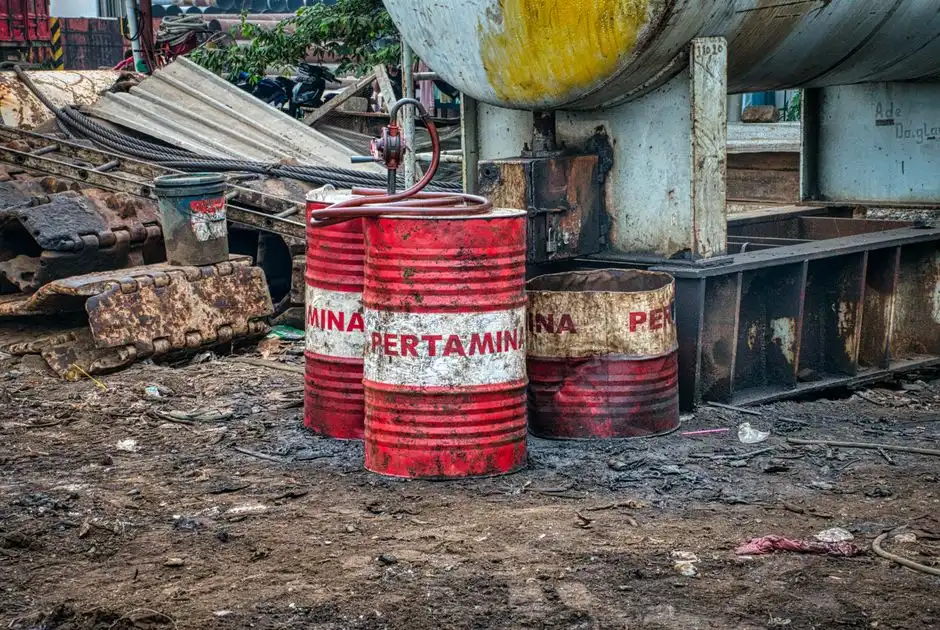
Equalization should precede chemistry-sensitive treatment because variable flow and load otherwise pass directly into pH control and solids separation. The commercial mining pretreatment guide identifies equalization as the first engineering decision and identifies pH adjustment as the next necessary step. Equalization should buffer hydraulic and constituent surges, but it cannot correct an undersized downstream unit or remove accumulated metals.
Automatic pH adjustment creates the controlled chemical condition needed for precipitation. Under an appropriate pH regime, dissolved metals can form hydroxide precipitates that later coagulation, flotation, or clarification can remove. A PLC-controlled chemical dosing skid should therefore be specified around measured flow and pH, validated chemical demand, chemical storage, duty continuity, and the permit’s operating limits—not around a generic dosing rate.
The precipitation chemistry must follow the validated pollutant inventory. Lime or sodium hydroxide supports hydroxide precipitation. Sulfide may be relevant where the selected chemistry and required residual metals justify its risks and controls. Ion exchange or another specialty process should be considered as downstream polishing when the target requires it. No reagent is universally optimal, and mixed-metal streams may require staged chemistry because pH can shift solubility in opposite directions.
Follow precipitation with solids separation. A DAF system for metal-bearing solids removal can collect buoyant or low-density flocs; a lamella clarifier is an alternative where settled-solids separation and footprint constraints support it. This choice depends on floc characteristics, hydraulic loading, chemical conditioning, available space, maintenance access, and the downstream sludge route. Filtration then removes residual solids, colloids, and particles that escaped clarification. An integrated multi-media filtration system may protect downstream reuse or membrane equipment, but it should follow the solids-removal step rather than attempt to replace it.
Specialty polishing belongs after the bulk solids load has been reduced. Ion-exchange resins and membranes are vulnerable to suspended solids, oil and grease, hardness, and other fouling constituents, so their feed quality must be established before selection. Biological polishing or disinfection is not a default requirement for mining wastewater. Add either when the industrial user permit, POTW discharge conditions, reuse target, or validated wastewater composition requires it.
| Process stage | Primary engineering purpose | Verification required before final sizing |
|---|---|---|
| Segregation and equalization | Buffer variable flow and load before chemistry-sensitive treatment | Worst-case hydraulic and constituent envelopes; mixing behavior; tank and pump duty |
| Automatic pH adjustment | Create a controlled condition for metal precipitation | Probe range, control logic, chemical consumption, storage, and fail-safe response |
| Precipitation and conditioning | Convert dissolved metals into separable precipitates and condition flocs | Jar or pilot results across representative chemistry; residual-metal targets |
| DAF or lamella clarification | Remove metal-bearing flocs and suspended solids | Solids loading, flotation or settling behavior, overflow, sludge withdrawal, redundancy |
| Filtration | Remove residual solids and protect downstream polishing | Filtrate quality, loading, backwash or cleaning, media selection, filtrate disposal |
| Specialty polishing, biological treatment, or disinfection | Meet a permit condition or validated reuse objective | Documented process need, feed-quality limit, and performance test |
Each stage should leave a measurable output for the next: equalized flow, controlled pH, settled or floated solids, filtered residual solids, and finally compliance with the applicable discharge limit. A flowsheet without those interfaces is not a treatment design.
Prove Compliance Through Monitoring and Control
Each permit condition must have a traceable verification path. For every limit, identify the treatment step, control variable, sensor, laboratory method, sample point, monitoring frequency, and record owner. This converts “meet pretreatment limits” into an auditable control loop rather than an untested design assumption.
Use continuous pH and conductivity measurements at the headworks for process control, but retain representative sampling for permit-relevant constituents. Continuous instruments support immediate adjustment; they do not replace required analytical sampling unless the permit expressly authorizes an alternative method. EPA’s guidance distinguishes initial sampling used to develop a local-limits program from ongoing evaluation sampling. The industrial user must follow the monitoring framework in its own permit and POTW requirements.
Verify final effluent after representative flow spikes, batch mill campaigns, storm-driven changes, and chemical or equipment upsets. The operating record should include equipment status, pH and flow trends, chemical use, calibration, operator checks, bypass interlocks, alarms, nonconformance response, and corrective-action closure. Each discharge sample should be traceable to a representative operating period; a sample collected during unrepresentative startup conditions does not close the compliance loop.
Compliance is continuous operating performance, not a one-time equipment acceptance test. Commissioning should prove control logic, sampling access, chemical handling, alarms, redundancy, and operating procedures. Thereafter, management systems should identify excursion trends before they become permit violations. The regional mining pretreatment compliance guide provides a useful cross-check for organizing monitoring and operating records.
Treat and Dispose of Metal-Bearing Sludge
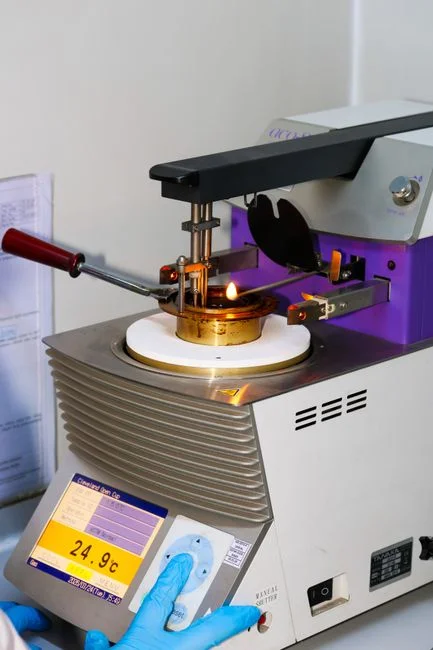
Heavy metals precipitation creates a residual that must be included in the equipment decision before the treatment train is ordered. Estimate the expected dry-solids and wet-sludge generation from pH adjustment and metals precipitation, then evaluate thickening or conditioning, dewatering, sampling, storage, transport, and final disposal acceptance. A low-cost treatment flowsheet can become an expensive operating problem if the sludge cannot be dewatered or accepted by the intended waste facility.
Where the site needs a handleable cake, a thickener or conditioning step can precede a plate-and-frame filter press. A plate-and-frame filter press for metals-bearing sludge dewatering is available with a supplier-stated filtration area of 1–500 m² and manual, hydraulic, or PLC-controlled options. Those are selection parameters, not a basis for choosing an area without feed-solids data, batch or continuous operating mode, cycle requirements, filtrate-return capacity, and cake-handling constraints.
Before issuing the equipment order, obtain waste characterization results, destination acceptance criteria, transport arrangements, and written confirmation of the disposal route. These checks must cover the metals and constituents actually present in the precipitate rather than assuming a generic “metals sludge” category. Confirm whether sampling at the filter press or before transport is required and who owns the resulting records.
Plan filtrate return to the treatment train or another approved process location. Dewatering should not create an unmanaged wastewater stream with its own metals, pH, or solids load. If the waste route cannot accept the anticipated cake, revise the chemistry, conditioning, dewatering method, or disposal plan before the treatment train is fixed.
Choose Between Sewer Discharge, Reuse, and Membrane Polishing
The commercial sources do not establish a defensible Central-area price or a universal choice among sewer discharge, partial reuse, and full zero liquid discharge. The decision requires site-specific POTW fees, freshwater cost, discharge-limit trajectory, water-recovery value, energy demand, and residual-management obligations. Sewer discharge is the rational baseline when it remains permitted and the treatment-to-sewer lifecycle cost is acceptable; reuse and ZLD require a defined quality target and quantified recovery benefit.
UF is a polishing and pretreatment technology, not a substitute for pH control, metals removal, and solids separation. The supplier-published UF specification uses 0.03-micron PVDF membranes, accepts turbidity up to 300 ppm, and has a capacity range of 2,000–40,000 L/h. Verify actual duty against the validated wastewater envelope, feed chemistry, recovery target, and downstream membrane requirements. The UF system specification and operating envelope should be evaluated as an equipment option, not assumed to fit every mine-water stream.
Add an MBR when the approved biological or near-reuse process requires it. Do not add it merely because biological treatment is available; its selection depends on the required effluent quality, organic biodegradability, process configuration, solids handling, and reuse objective.
| Decision | Question that controls the choice | Equipment implication |
|---|---|---|
| Sewer discharge | Can the permitted treatment train reliably meet local and categorical requirements? | Equalization, pH control, precipitation as required, solids separation, filtration, monitoring, and sludge handling |
| Partial reuse | What quality and recovery are required at each reuse point? | Add only the polishing needed for the validated reuse specification, including UF before RO where justified |
| Full ZLD | Does the site have a defensible need, energy case, and residual-management route? | Evaluate the broadest treatment and recovery train, including concentrate and solids management |
| DAF versus lamella clarification | Which unit best fits validated floc behavior, hydraulic loading, footprint, infrastructure, and sludge handling? | Do not select from equipment availability alone; use pilot or operating evidence where possible |
The mining wastewater DAF and clarifier buyer’s guide provides a more detailed hardware comparison. Use it to frame the site-specific decision, not to create a universal winner.
Pre-Purchase Checklist for a Compliant Pretreatment System
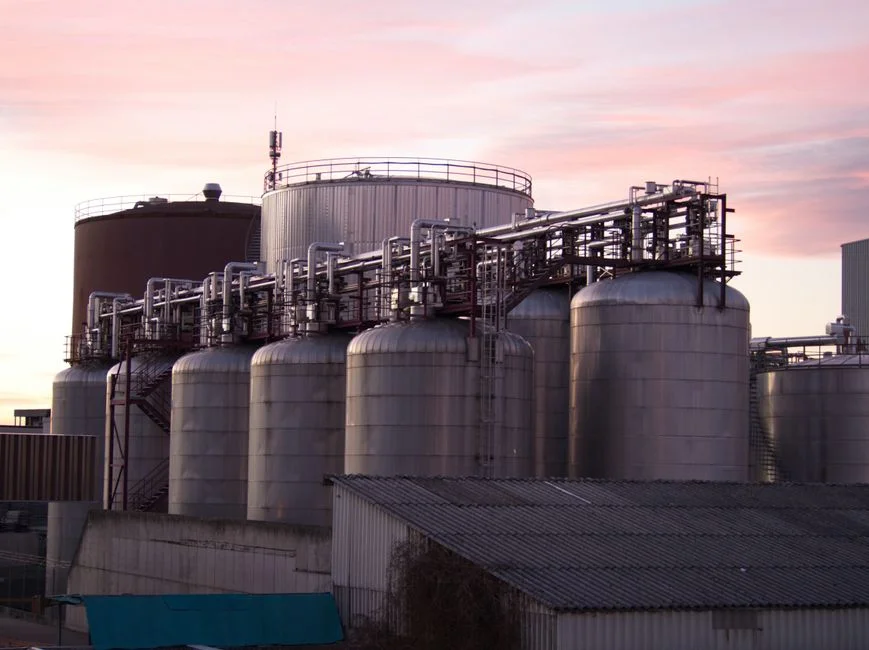
Do not accept a final equipment quote until the supplier has reviewed the POTW limits, industrial user permit, applicable categorical subcategory, current NPDES permit if applicable, recent monitoring data, and the 12-month influent characterization. If the categorical citation remains unresolved, record that gap rather than allowing the supplier to assume one.
Request a process flow with a stated design basis and duty assumptions, control narrative, sampling points, chemical storage and handling, redundancy, bypass provisions, and commissioning acceptance criteria. Every guarantee should identify the permit parameter, test method, sample point, operating condition, and responsible party. A performance promise without those elements cannot be tested consistently.
Screen suppliers for demonstrated chemistry competence, relevant industrial wastewater experience, startup support, critical-spares availability, and maintenance access. Ask how the supplier will handle a change in ore grade, reagent use, storm inflow, or mill campaign when a permitted limit is at risk. Confirm sludge characterization, dewatering, transport, and disposal arrangements before finalizing the mechanical scope. The industrial filter-media selection guide from 2025 can support media review, but the media still must be selected against the actual solids and chemistry. The 2026 DAF and clarifier guide provides another useful procurement framework for solids-separation equipment.
Frequently Asked Questions
What documents are required before a mining or metals plant can size pretreatment equipment near Central?
Obtain the receiving POTW’s sewer-use ordinance and local limits, the industrial user permit, the applicable 40 CFR categorical subcategory, the current NPDES permit if applicable, recent monitoring and discharge data, and a 12-month influent characterization. These documents define the legal envelope, observed variability, and treatment duty; equipment should not be sized before gaps in them are resolved.
Is DAF or a lamella clarifier better for mining pretreatment?
Neither is universally better. DAF can remove low-density metal-hydroxide flocs effectively, while lamella clarification may increase solids-separation capacity within an existing footprint. Decide using jar or pilot results, flow and solids loading, floc properties, available space, maintenance access, and the resulting sludge route.
How much does a compliant pretreatment system cost?
The supplied research does not provide a defensible Central-area price. Request itemized quotations after the permit conditions, flow and load envelope, chemical requirements, reuse target, monitoring scope, and sludge disposal route are defined. Require each price to identify its basis so alternative quotations can be compared consistently.
Should UF or MBR be added for sewer compliance?
Add UF when the validated process requires solids removal before RO or membrane-quality polishing. Add MBR when the approved biological or near-reuse process requires it. Neither should be added merely as a substitute for pH control, metals removal, and solids separation that the sewer permit requires.
How can a buyer reduce the risk of noncompliance after commissioning?
Require a traceable limit-to-treatment map, calibrated instruments, representative sampling, defined operating ranges, bypass alarms, corrective-action procedures, and documented acceptance testing. Then verify performance during representative production and upset conditions, not only during the supplier’s favorable commissioning run.
Related Equipment
- DAF system for metal-bearing solids removal — specifications, capacity range, and technical data