What wastewater profile determines DAF or clarifier selection?
For industrial organic chemicals wastewater in Pasadena, factories should generally choose DAF when emulsified oil, FOG or fine colloids control the treatment objective; clarifiers are more suitable for dense, readily settleable solids with low oil content. A mixed chemical stream often warrants DAF followed by a lamella clarifier. HydropureWater's 2026 field data indicates a representative range of 200–2,000 mg/L TSS and 50–800 mg/L oil and grease, but each plant must characterize its own waste. The final choice should follow applicable 40 CFR Part 414 subparts, local pretreatment limits, pilot results, footprint, energy use and sludge-handling requirements—not a generic removal guarantee.
The selection should begin with the physical behavior of the contaminants, not the plant label. Dissolved air flotation uses microbubbles to attach to oil droplets, FOG and suitable fine particles, then carry them to the surface for skimming. A clarifier uses gravity sedimentation: dense particles settle, while a lamella sediment tank adds inclined settling area without changing that basic mechanism (Ecologix, 2026).
HydropureWater's 2026 screening profile also includes pH 2–11, but that range is not a design guarantee. Chemical plants may receive batch slugs, changing product formulations and combined streams from reactors, wash water, catalyst handling and utilities. Before ordering equipment, request oil and grease, free-versus-emulsified oil observations, TSS, settleable solids, particle-size distribution, pH, continuous flow records, batch volumes and the applicable discharge or sewer limits. Follow DAF wastewater design criteria when translating those observations into a test program.
Free oil may separate or be skimmed readily; a stable emulsion may remain dispersed and require conditioning before flotation. Likewise, dense catalyst fines or metal hydroxides may settle quickly, while low-density floc can be difficult to capture. The U.S. EPA's Refining Waste Disposal Screening Study (June 1979) identified distinct refinery residues—including dissolved air flotation skimmings, slop oil emulsion solids, API separator sludge and biosludge—showing why each side stream requires separate characterization rather than one average for “chemical wastewater.”
How do the two unit operations perform under chemical-plant conditions?
Differences in removal mechanism become material when emulsified oil and settleable solids are present together: flotation targets buoyant material, while clarification targets particles that can settle under gravity. The figures below describe operating concepts and source-specific design data, not guaranteed performance at an uncharacterized Pasadena plant.
| Design or comparison point | DAF | Clarifier |
|---|---|---|
| Separation mechanism | Microbubbles float oil, FOG and attachable fine particles | Gravity sedimentation separates settleable solids |
| HydropureWater product data, 2026 | Recycle pressurized to 60–80 psi; 10–100 µm microbubbles; 5–15 minute flotation window | Lamella surface loading of 20–40 m/h, compared with 1–2 m/h for a conventional basin |
| Oil-and-grease performance | 95–97% removal with chemical pretreatment, reported as HydropureWater product data | 70% removal in Ecologix's 2026 paired food-processing example |
| Solids performance | Captures suitable fine solids when conditioned and floated | 90% solids reduction in Ecologix's 2026 mining example |
| Electrical demand | 0.5–2.0 kWh/m³ for recycle pump and air supply, reported by HydropureWater | Largely passive apart from the rake drive |
| Design verification | Influent-specific jar or pilot test with selected conditioning | Influent-specific settleability test and loading check |
The Ecologix comparison is illustrative, not transferable: its food-processing DAF achieved 95% oil-and-grease removal versus 70% for clarification on the same stream, while its mining clarifier reduced solids by 90%. The engineering conclusion is conditional: emulsified oil tends to favor flotation, while heavy, genuinely settleable solids can favor gravity.
Neither unit should be credited with rated removal before conditioning and hydraulic testing. A proposal should show the HydropureWater dissolved air flotation system or HydropureWater lamella clarifier against the actual wastewater, including batch peaks, expected chemical demand and the required effluent concentration.
Which wastewater scenarios point to DAF, clarifier or hybrid treatment?
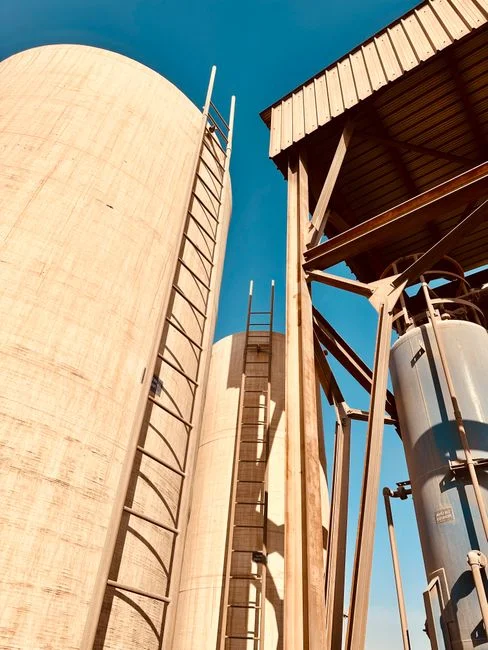
A defensible selection separates the oil-removal objective from the solids-removal objective and then tests whether one train can perform both functions without creating an oversized or unjustified installed cost.
- Specialty batch chemicals with emulsified oil: favor DAF if oil remains dispersed rather than settling. Establish the coagulant, flocculant, dose and mixing sequence through jar testing, then confirm flotation in pilot work.
- Catalyst fines, lime or metal hydroxides with low oil content: favor clarification when the solids are demonstrably settleable. A lamella arrangement increases effective settling area while retaining gravity separation.
- Mixed petrochemical blending, additives and batch slugs: evaluate DAF followed by a lamella clarifier. The first stage can remove buoyant oil; the second can polish remaining settleable solids and provide an underflow stream for solids management.
| Plant condition | Initial direction | Required verification |
|---|---|---|
| Emulsified oil | DAF | Emulsion stability and conditioned flotation test |
| Free oil | DAF or upstream separation, subject to hydraulic review | Batch characterization and skimming/carry-over assessment |
| Fine floc | DAF if it will attach and float; otherwise test clarification | Particle size, conditioning and recovery test |
| Dense solids | Clarification | Settleability and solids loading test |
| Variable batch loading | Hybrid may be appropriate | Peak-flow, equalization and upset testing |
| Footprint constraint | Evaluate compact DAF against the complete installed train | Building dimensions, access and utilities |
| Energy constraint | Evaluate passive clarification where the waste permits it | Full utility and residual-handling comparison |
HydropureWater lists DAF float at 3–6% solids and clarifier underflow at 2–4% solids in its 2026 product material. These are source-specific handling characteristics, not universal outcomes; bench or pilot work must confirm them. For hybrid operation, the practical flowsheet is:
Equalization and pretreatment → DAF oil/FOG removal → lamella clarification for residual solids → final compliance sampling
DAF float + clarifier underflow → defined thickening/dewatering → residual characterization and disposal
Conditioning should be developed from the actual formulation rather than copied from another chemical process. The automatic chemical dosing system should therefore be specified around the tested dose range, mixing requirement, control response and chemical-storage constraints.
How should a factory compare capital cost, footprint and operating burden?
A pump price is not an installed-cost comparison. The relevant budget includes the treatment train required to meet the permit target, not only the flotation or settling vessel.
| Cost element | DAF train | Clarification train |
|---|---|---|
| Purchase-price indication | HydropureWater estimates $80,000–$350,000 for packaged systems at 4–50 m³/h | HydropureWater states comparable lamella clarifiers generally cost 30–50% less in capital |
| Footprint | Often more compact, but the complete skid and service clearances still require verification | HydropureWater states comparable units occupy more floor area |
| Product-capacity range | HydropureWater lists 13 standard models from 4–300 m³/h; this is not a recommended plant flow | Final hydraulic loading must be based on wastewater characteristics and test results |
| Utilities | HydropureWater reports 0.5–2.0 kWh/m³ for recycle pump and air supply | Largely passive operation apart from the rake drive |
| Additional scope | Compressed air, recycle equipment, chemical conditioning and controls | Basin, rake, sludge withdrawal, chemical conditioning and controls |
The capital and operating figures above are HydropureWater's 2026 product guidance, not independent project quotations. A comparison for industrial wastewater capital and operating cost should also price pretreatment chemicals, compressed-air infrastructure, electrical service, controls, building modifications, odor control, access and maintenance, and downstream residual-solids handling.
A clarification-only train may have lower energy demand, but a DAF can eliminate the need for a larger settling area or deliver the required oil removal. Conversely, DAF operating costs rise with recycle, air and chemical demand, while a clarifier transfers more of the burden to land, basin volume and sludge removal. No responsible quotation should be selected from influent averages alone; request design flow, peak flow, hydraulic loading, waste characterization, utility availability and site dimensions.
What should the pretreatment and residual-solids train include?
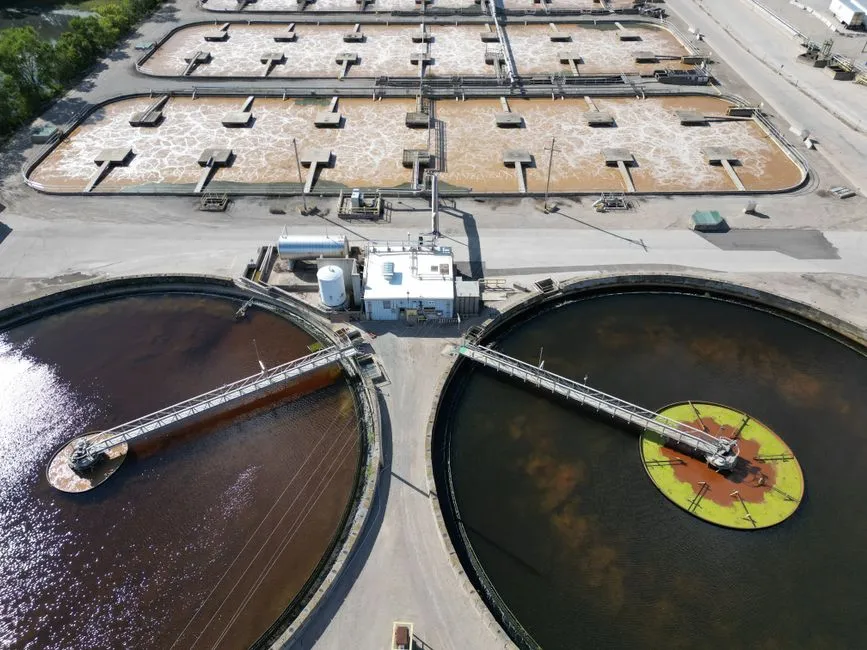
The nominal separator does not define performance unless conditioning, solids capture and residual handling are part of the same design basis.
HydropureWater identifies a chemical-industry DAF air-to-solids window of 0.02–0.06 lb air per lb solids and warns that oil carry-under increases below its stated window. This is HydropureWater design data, not a substitute for influent-specific testing. Establish pH adjustment, emulsion stability, coagulant and flocculant type, dose and mixing through jar and pilot trials. The coagulant and flocculant dosing criteria should be reviewed before fixing chemical storage, metering pumps or control logic.
Route DAF float and clarifier underflow into a defined residual-management plan. HydropureWater reports DAF float at 3–6% solids and clarifier underflow at 2–4% solids, both requiring confirmation for the actual waste and conditioning chemistry. A common line may be practical, but it needs a solids balance, compatible pumping and a dewatering duty selected for the combined—not average—residue.
HydropureWater's 2026 article states that a common plate-and-frame filter press can handle both side streams and produce 18–25% dry cake. That is supplier design data, not a universal outcome. Cake solids depend on chemistry, conditioning, feed solids and press operation. The plate-and-frame filter press should therefore be selected with representative residuals and a required filtrate-quality and cake-handling specification.
The U.S. EPA's Refining Waste Disposal Screening Study (June 1979) concluded that better characterization of refinery wastes would aid treatment, disposal and resource-recovery system design. The same discipline applies to chemical-plant residues: characterize composition, reactivity, hydrocarbon content and disposal route before choosing equipment.
How do permit and sampling requirements affect the final selection?
Equipment selection must follow the applicable permit and sewer agreement, because the required effluent concentration—not the raw influent—determines the treatment objective.
40 CFR Part 414 contains subparts for the organic chemicals, plastics and synthetic fibers category. The applicable subpart must be confirmed from the plant's actual manufacturing process, discharge point and permit rather than assumed from the broad category name. The Water Environment Federation's Industrial Wastewater Management, Treatment, and Disposal manual, third edition (2008), organizes industrial pretreatment around regulations, local limits, permitting, sampling and analysis; it therefore supports checking both federal categorical requirements and the local sewer agreement.
Do not treat numerical values quoted in general vendor articles as universal Pasadena limits. Obtain the current permit, sewer agreement and written local limits from the receiving authority. The design target should be the required effluent concentration, and the analytical program should pair total and soluble analyses with observations of emulsified oil, settleability, particle distribution and batch variability.
Sampling design should also reflect how the plant operates. Composite samples can hide short oil slugs, while a single grab can overstate a normal batch. Use the WEF sampling framework and the receiving authority's monitoring requirements to define sample types, locations, frequency and analytical methods. Earlier coordination with the receiving authority can resolve whether proposed treatment assumptions, sampling points or residual-disposal arrangements are acceptable.
For a broader review of industrial sampling and monitoring design, compare the 2026 industrial compliance guidance and the chemical-wastewater monitoring guide against the actual permit. Neither replaces the written requirements held by the discharger and receiving authority.
What should a factory request before approving a DAF or clarifier proposal?
A proposal should be reviewed as a traceable engineering package, not as a collection of equipment-performance claims.
| Approval item | Information to request |
|---|---|
| Waste and flow basis | Characterization report, flow record, batch-load log, permit review and applicable local limits |
| Performance basis | Jar or pilot results, conditioning recipe, test methods, sample points and acceptance criteria |
| Equipment duty | Design flow, peak flow, retention, surface loading, recycle rate, air-to-solids ratio, capture assumptions and skimming or sludge-removal basis |
| Mass balance | Signed accounting for contaminant capture, water, chemicals, float, underflow and dewatered residual |
| Commercial scope | Utilities, chemical storage, controls, odor control, access, maintenance, installation, startup and downstream dewatering |
| Contingencies | Response to carry-under, carry-over, chemical overfeed, power loss, air-compressor failure and mixed-waste changes |
Require suppliers to separate guaranteed performance from estimated or vendor-typical values. Ask them to identify the governing test method, sample locations, operating conditions and acceptance criteria. If a guarantee depends on a specific chemical dose, pH or air-to-solids ratio, that dependency belongs in the guarantee and operating envelope.
Also test whether the proposal reflects the intended 2026 design basis. Recent operating data should reveal batch variability, changed formulations and carry-over events. Use the structure of an industrial DAF versus clarifier comparison as a review checklist, but do not transfer another industry’s wastewater assumptions or performance figures to a chemical plant.
Frequently Asked Questions
Which option has the lower installed cost for a Pasadena chemical plant?
Clarification generally has lower equipment capital and energy demand, but DAF may be necessary for emulsified-oil removal. Compare complete installed trains: pretreatment chemicals, compressed air, recycle equipment, controls, building work, odor control and sludge handling. Request a site-specific quotation based on flow, batch peaks, waste characterization, utilities and residual-solids duty; no defensible price can be assigned from average influent data alone.
How should DAF or clarifier capacity be sized for a 2026 capital plan?
Do not select a model from average flow alone. Request hourly flow records, batch volumes, oil and solids characterization, the applicable effluent targets and jar or pilot results. These inputs must support design flow, peak equalization, hydraulic loading, recycle or air demand, solids capture and downstream dewatering. HydropureWater’s product capacity ranges identify available configurations, not the correct capacity for a specific plant.
What should procurement check when comparing equipment suppliers?
Request guaranteed duty, test methods, sample points, utility requirements, controls scope, residual handling, spare parts, service support and relevant local project references. Ask the supplier to identify which performance values are guarantees and which are vendor-reported examples. Also check whether the proposed scope includes chemical storage, installation, startup support, maintenance access and downstream dewatering.
What compliance risks should be resolved before approving the treatment train?
Confirm the applicable 40 CFR Part 414 subpart, current discharge permit, sewer agreement and written local limits with the plant’s compliance team and receiving authority. Avoid relying on universal TSS or FOG values quoted without authority. Define sampling methods, locations and acceptance criteria, then obtain written confirmation that the proposed treatment and residual-disposal assumptions are acceptable before releasing final equipment specifications.