Which separator fits a Jacksonville motor or generator factory?
Jacksonville motor and generator factories should choose DAF when oil, FOG, or poorly settleable solids are the main separation target; a gravity clarifier is more defensible when the wastewater is dominated by readily settleable solids. Confirm the choice with representative wastewater analysis and flotation or settleability testing, not an equipment label. DAF depends on chemical conditioning, air saturation, microbubble contact, and skimming, while clarification depends on gravity settling and hydraulic loading. Compare complete bids covering equalization, coagulation, flocculation, controls, solids removal, sludge handling, commissioning, and the required effluent or reuse outcome.
Motor manufacturing wastewater and generator manufacturing wastewater should be evaluated stream by stream. Likely streams include oily floor-wash runoff, wash-water concentrates, coolant or process blowdown, and paint-related wastewater where applicable. Excluded stormwater must remain outside the treatment basis so diluted runoff does not conceal the demand from concentrated process wastewater.
DAF produces a skimmable surface float; gravity clarification produces settled sludge. Both remove oil and solids from the treated stream, but neither independently establishes compliance or suitability for wastewater reuse. Applicable discharge, pretreatment, or reuse criteria must come from the factory, sewer authority, or other responsible authority because the supplied research does not establish Jacksonville-specific limits.
If nutrients or other dissolved contaminants must be addressed, the separator may be only the first stage of an industrial ETP or combined treatment train. For early process screening, compare an industrial dissolved air flotation system against a gravity clarifier using the contaminant and outcome criteria below.
How DAF and gravity clarification separate wastewater solids
DAF separates oil-bearing particles by attaching conditioned solids to microbubbles and floating them to a skimmer, whereas gravity clarification removes conditioned particles by settling them under gravity. The mechanism determines which operating tests and residual-handling systems matter.
- Flow enters equalization and flow control.
- Coagulation destabilizes oil, FOG, and suspended contaminants.
- Flocculation forms particles suitable for the selected separation mechanism.
- For DAF, the conditioned stream is saturated with dissolved air and pressurized.
- Pressure release forms microbubbles that contact and lift particles.
- Float is removed from the surface while heavier solids collect at the bottom.
Clearwater Industries, dated 2026-04-27, reports that its DAF systems use 30–50 micron microbubbles to lift suspended solids, oils, and fats for surface skimmer removal. That is equipment context, not a universal performance guarantee. The same source describes its COMPACT DAF as a turnkey skid containing chemical-conditioning equipment, sensors, instruments, and a control panel. A tank price should therefore not be assumed to exclude those functions.
In conventional clarification, conditioned particles settle when gravity overcomes their settling tendency. Performance depends on particle settleability, tank geometry, hydraulic loading, solids collection, and withdrawal. A broader industrial DAF versus sedimentation comparison is useful for understanding this distinction, while the Elsevier paper Combining Dissolved Air Flotation (DAF) and Modified Moving Bed Biofilm Reactors (MMBBR) Forsynthetic Oily Wastewater Treatment establishes DAF as a recognized component in combined oily-wastewater treatment.
| Process stage | DAF | Gravity clarification |
|---|---|---|
| Conditioning | Coagulation and flocculation must create particles that attach to bubbles. | Coagulation and flocculation must create particles that settle at the required rate. |
| Separation | Microbubbles lift conditioned material to the surface. | Gravity moves conditioned material toward the bottom. |
| Primary recovery | Skimmable float containing oil, FOG, and floated solids. | Settled sludge containing separated solids. |
| Critical operating check | Chemical dose, mixing, bubble contact, skimming, and bottom-solids withdrawal. | Hydraulic loading, settling rate, solids collection, and withdrawal. |
DAF versus clarifier: choose by contaminant and required outcome
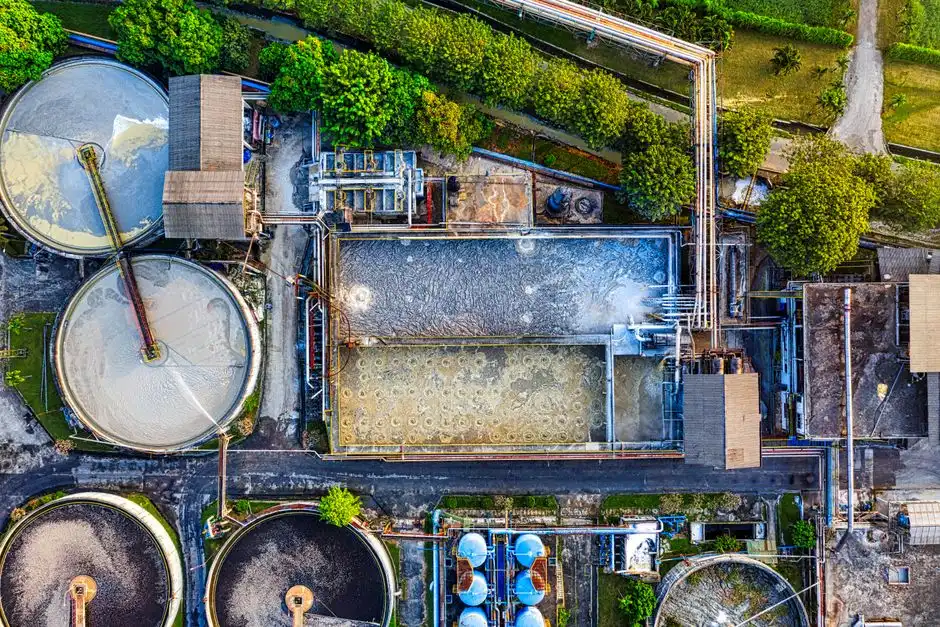
DAF is the stronger candidate when floatable oil, FOG, or suspended solids that do not settle readily are the primary treatment concern; gravity clarification is stronger when the target is predominantly settleable suspended solids. The required outcome—not the equipment category—should drive the decision.
| Decision factor | Favor DAF when | Favor gravity clarification when |
|---|---|---|
| Primary contaminant | Floatable oil, FOG, or poorly settleable solids dominate. | Readily settleable suspended solids dominate. |
| Separation mechanism | Conditioned particles must attach to microbubbles and be skimmed. | Conditioned particles must settle at the required clarification rate. |
| Residual | Recovered surface float; heavier solids may also collect at the bottom. | Primarily settled sludge. |
| Operating dependencies | Chemical feed, effective mixing, bubble generation, skimming, and solids withdrawal. | Controlled solids collection, withdrawal, inspection, and adequate settling performance at design loading. |
| Validation needed | Flotation test with proposed conditioning and representative wastewater. | Settleability test and clarification-rate verification. |
| Downstream dependency | Recovered float and bottom solids require defined handling routes. | Settled sludge requires a defined handling route. |
Clarification can assist settling through chemical conditioning, but the necessary treatment must come from testing. The 2026 DAF versus clarifier comparison methodology also demonstrates why stream characterization and a common treatment basis matter more than industrial analogy.
Quotation terminology is a material risk. Clearwater Industries, dated 2026-04-27, describes its DAF units as “dissolved-air flotation clarifiers.” A request for a “clarifier” may therefore conceal flotation, bubble generation, and skimming. Specify whether separation occurs by flotation or gravity settling and list all included equipment.
No supplied source supports a blanket claim that a gravity clarifier will have lower flow capacity, smaller footprint, or lower cost. A high-efficiency sedimentation tank may be appropriate for settleable solids, but its geometry and performance must match the actual wastewater and required outcome.
What wastewater data Jacksonville bidders should receive
A fair bid requires the same wastewater and operating basis for every supplier. Capacity selected from average flow alone does not establish treatment of a washing batch, oily floor-wash release, or production-driven peak.
| Data package | Required information | Why bidders need it |
|---|---|---|
| Flow history | Hourly and daily ranges, peak-hour flow, daily totals, batch-discharge duration, and production schedule. | Defines hydraulic demand, equalization, pump, and tank basis. |
| Stream map | Every included or excluded stream, including stormwater boundaries. | Prevents dilution from masking concentrated process wastewater. |
| Representative analysis | TSS, oil and grease, FOG, settleable solids, pH, and temperature. | Supports contaminant loading and mechanism selection. |
| Conditioning inputs | Inputs relevant to chemical conditioning and the proposed dose. | Tests whether coagulation and flocculation can achieve the required separation. |
| Design condition | Worst credible hydraulic flow and contaminant loading, including batch events. | Prevents an undersized unit from being selected on an average-flow basis. |
| Required outcome | Discharge, sewer pretreatment, industrial pretreatment, or reuse criteria from the responsible authority. | Defines the performance and downstream treatment required. |
Require each bidder to identify the wastewater data used, design flow, contaminant loading, operating range, and assumptions still requiring validation. Also require an explanation of how chemical dose, mixing sequence, pH, temperature, flow variability, and batch discharges affect the proposed treatment basis. The coagulant dosing system design criteria are relevant because conditioning is central to both flotation and gravity settling.
Document the stormwater boundary explicitly. Otherwise, an average diluted flow can conceal the treatment demand of oily floor wash or concentrated wash water. Conversely, including unverified stormwater flows can create equipment that is unnecessary for the permitted process scope.
Published DAF references and what they mean for sizing

Published capacity and performance figures provide screening information for industrial wastewater pretreatment, not project-specific guarantees. They help identify possible architectures; they do not replace representative wastewater analysis, load calculations, or pilot evidence.
| Published reference | Scope | Procurement meaning |
|---|---|---|
| 30–50 micron microbubbles | Clearwater Industries DAF equipment context, dated 2026-04-27. | Describes the stated bubble-generation approach, not a factory guarantee. |
| 48 GPM to 11,000 GPM | DAF Corporation complete-system reference cited by HydropureWater’s 2026 article. | Defines published equipment screening range only. |
| 66 GPM or less | Clearwater Industries single-skid COMPACT DAF reference, dated 2026-04-27. | Identifies a possible skid architecture; it does not size the factory system. |
| 92%–98% TSS removal | DAF Corporation round FC Maximizer supplier-published reference. | Screening performance, not a Jacksonville guarantee. |
| 85%–90% TSS removal | DAF Corporation rectangular RC UniMax supplier-published reference. | Screening performance, not a Jacksonville guarantee. |
| Below 20 ppm filterable solids | DAF Corporation operating reference cited by HydropureWater’s 2026 article. | Must be reconciled with project-specific feed and operating conditions. |
| 2%–4% thickened-sludge consistency | DAF Corporation supplier-published reference. | Relevant to downstream sludge handling, not an acceptance value for this project. |
| 4–300 m³/h across 13 standard models | HydropureWater catalog screening range. | Supports preliminary supplier screening, not final selection. |
Flow rating alone does not establish contaminant-removal capacity. The selected geometry must address peak flow, solids capture, and the specified treatment duty. Sludge consistency and filtration performance also affect disposal or reuse economics, so they belong in the total-cost comparison. If residual solids require dewatering, evaluate an industrial sludge dewatering filter press within the complete waste-handling scope.
Compare complete systems, not separator prices
A comparable bid must separate the separator price from the functions needed to produce the promised result. Missing chemical conditioning, controls, sludge withdrawal, or commissioning can make the lowest equipment quotation the most expensive operating option.
- Separator tank or skid.
- Equalization and flow control.
- Coagulation and flocculation.
- Pumping and skid piping.
- Controls, sensors, and instrumentation.
- Automatic skimming and bottom-solids withdrawal.
- Installation and downstream integration.
- Commissioning, training, and documentation.
Ask bidders to define automatic skimming, sludge discharge, physical access for cleaning and inspection, spare parts, operator training, preventive maintenance, and local support. Compare clarified-effluent quality, recovered oil or FOG, sludge characteristics, chemical consumption, energy, maintenance, installation, commissioning, and reuse potential—not purchase price alone.
Tie energy evaluation to the selected duty and operating mode rather than an abstract efficiency claim. The 2010 Energy Efficiency in Wastewater Treatment in North America compendium, co-published by the Water Environment Research Foundation and the EPA-connected research program, supports a lifecycle and operations-optimization view of wastewater energy decisions.
Specify project-specific acceptance: a treatment demonstration, startup testing with representative wastewater, operating verification across the intended flow and chemistry range, and documentation of chemical dose, skimming, solids withdrawal, clarified effluent, and recovered material. If laboratory feasibility work or an on-site pilot is proposed, require the objectives, sampling procedures, measured parameters, and acceptance criteria in advance.
For a DAF bid, verify that the PLC-controlled chemical dosing system matches the actual control philosophy, not merely a pump count. A separate pressure flotation system engineering guide can help identify flotation-specific scope questions, although the factory wastewater remains the controlling design basis.
Material, maintenance, and downstream risks to resolve before purchase
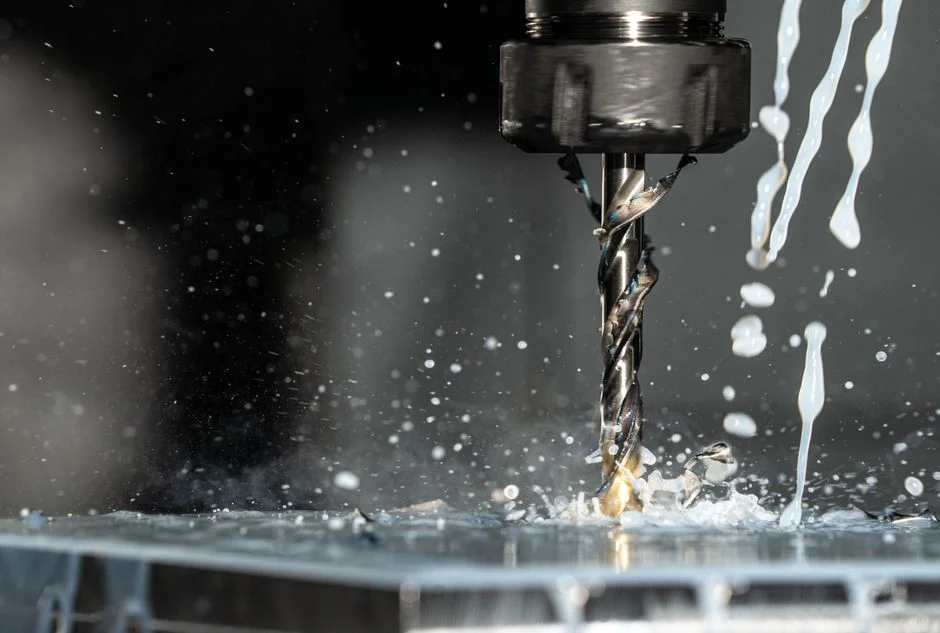
A technically suitable separator can still fail after commissioning if its materials, maintenance access, or residual destinations were not resolved in the bid. Clearwater Industries, dated 2026-04-27, reports standard DAF construction in 304 stainless steel, with 316 stainless steel, polypropylene, and other materials available on request. Require the bidder to define the actual wetted-material environment rather than accept a generic material schedule.
Check chemical compatibility, storage, metering, and the sequence of coagulation and flocculation. Poor mixing can prevent effective bubble attachment and impair gravity settling. Physical access must support skimming, inspection, cleaning, and sludge removal. Operator training, preventive maintenance, spare-parts availability, and local support should be included in the acceptance plan.
Confirm where clarified water, recovered float, and settled sludge will go. A separator does not establish reuse suitability or discharge compliance by itself. If clarified water requires further filtration, biological treatment, nutrient removal, or dissolved-contaminant control, include those steps in the treatment train.
HydropureWater’s lamella clarifier lists surface-loading rates of 20–40 m/h and up to 30% lower chemical consumption as product references. These figures are not project guarantees and must not be presented as measured outcomes for a Jacksonville factory. HydropureWater’s filter presses span filtration areas from 1 m² to 500 m²; that range can frame preliminary solids-handling screening, but residual quantity, required consistency, and disposal route remain missing project inputs.
No defensible local cost claim can be made from the supplied research because it contains no quotation, factory-specific flow, wastewater analysis, or treatment duty. Require those inputs before evaluating capital cost, lifecycle cost, or compliance exposure.
A procurement sequence that reduces compliance and sizing risk
The defensible sequence moves from stream mapping to representative testing, common-basis bids, mechanism selection, and project-specific acceptance. It prevents a published equipment range from becoming an unsupported factory guarantee.
- Map every stream. Identify oily floor wash, wash-water concentrates, coolant or process blowdown, paint-related wastewater where applicable, and stormwater excluded from treatment.
- Establish flow and loading. Provide hourly, daily, peak-hour, batch-discharge duration, and representative contaminant data.
- Test separation feasibility. Conduct laboratory settleability or flotation work and, where justified, an on-site pilot with defined objectives, sampling procedures, measured parameters, and acceptance criteria.
- Issue one data package. Give DAF and clarifier bidders the same wastewater, flow, operating, and required-outcome information.
- Evaluate complete trains. Compare DAF, gravity clarification, and combined downstream treatment against reuse, discharge, pretreatment, and solids-disposal outcomes.
- Compare lifecycle scope. Price equipment, installation, energy, chemicals, maintenance, recovered material, sludge handling, commissioning, and local support consistently.
- Establish the operating baseline. Complete startup testing and the agreed acceptance protocol before finalizing operating values.
This sequence is consistent with the DAF versus clarifier approach used in the sewer-limits procurement case and the DAF versus clarifier comparison methodology: verify actual wastewater and applicable requirements before accepting published equipment claims.
Frequently Asked Questions
Is DAF usually more expensive than a gravity clarifier for a Jacksonville motor or generator factory?
The supplied research does not support a defensible price comparison because it contains no quotation, factory flow, wastewater analysis, or treatment duty. Request like-for-like bids covering conditioning, controls, sludge handling, installation, energy, chemicals, maintenance, and commissioning, then compare lifecycle cost and residual management.
Which unit should be sized first for a plant with batch oily wash-water discharges?
Do not size either unit from average flow alone. Include peak flow, worst credible contaminant loading, batch-discharge duration, and equalization requirements. A pilot or laboratory flotation test can then confirm whether DAF can recover the oil and solids at the specified loading.
How should a supplier be asked to quote DAF versus clarifier equipment?
Require the separation mechanism, wastewater data used, design flow, contaminant load, operating range, conditioning, controls, solids removal, commissioning, and assumptions needing validation. If the supplier labels a flotation unit a “DAF clarifier,” require clarification of the mechanism rather than accepting the label.
Does a DAF system alone make the water safe for reuse?
No. DAF may be the first stage when nutrients or dissolved contaminants require further treatment. Obtain the required reuse, discharge, or pretreatment criteria from the responsible authority and demonstrate them through project-specific startup testing.
Is a “DAF clarifier” different from a gravity clarifier?
Yes. A DAF clarifier uses dissolved-air flotation, microbubbles, and surface skimming; a gravity clarifier separates conditioned particles by settling. Specify the mechanism and complete treatment scope, then compare the options against the actual wastewater and required outcome.