Which Treatment System Fits Rocket Center Transportation-Eipment Factories?
Transportation-equipment factories should choose dissolved air flotation when wastewater contains floatable oil, FOG, or suspended solids that do not settle readily, provided coagulation and flocculation are designed into the process. A conventional gravity clarifier is more appropriate when the target material is predominantly settleable and can be removed through gravity separation. The 2026 decision should be based on wastewater characterization, variable-flow testing, materials, controls, sludge handling, and permit requirements—not equipment name alone. Published DAF references report 30–50 micron microbubbles, systems from 48 GPM to 11,000 GPM, and skid designs for 66 GPM or less, but final selection still requires application-specific analysis.
“Clarifier” does not reliably identify the mechanism in a quotation. Clearwater Industries, dated 2026-04-27, describes its DAF units as dissolved-air flotation clarifiers. A procurement document should therefore specify whether separation is by flotation or gravity settling and list the coagulation, flocculation, pumping, controls, instrumentation, and sludge-handling equipment included in the price.
The factory should characterize its transportation-wastewater DAF and clarifier comparison stream by stream. Relevant streams may include wash-water concentrates, oily floor-wash runoff, paint-related wastewater where applicable, cooling or process blowdown, and stormwater excluded from the treatment system. DAF Corporation states that each industry produces characteristic wastewater with unique treatment problems and that a comprehensive wastewater study is often warranted.
Selection follows from the required outcome. If the objective is oil or FOG recovery, flotation deserves serious consideration. If it is clarification of mainly gravity-separable solids, a conventional clarifier may be sufficient. If the effluent must be reused or treated further for nutrients or dissolved contaminants, the selected separator may only be the first stage of industrial ETP versus DAF.
How DAF and Conventional Clarification Separate Wastewater
DAF separates conditioned solids by flotation, while a conventional clarifier separates them by gravity settling. Clearwater Industries reports that its DAF systems use 30–50 micron microbubbles to lift suspended solids, oils, and fats to the surface for removal by a skimmer; this is equipment context, not a universal performance guarantee for factory wastewater.
Within a DAF train, flow control and equalization precede chemical conditioning. Coagulation destabilizes contaminants, and flocculation creates particles with improved bubble attachment. The conditioned stream is saturated with dissolved air, and microbubbles form when pressure is released. Floated material is removed from the surface while heavier material settles into a bottom collection zone.
Clearwater Industries describes its COMPACT DAF as a turnkey skid containing chemical-conditioning equipment, a DAF clarifier, sensors, instruments, and a control panel. The PLC-controlled chemical dosing system is therefore part of the separation process, not an optional accessory that can be treated as a line item after the tank is selected.
| Decision point | Dissolved air flotation | Conventional gravity clarification |
|---|---|---|
| Separation mechanism | Conditioned particles attach to microbubbles and float to a skimmer. | Suspended material settles because gravity overcomes particle buoyancy. |
| Primary material target | Floatable oil, FOG, and solids that do not settle readily. | Predominantly settleable solids. |
| Chemical conditioning | Coagulation and flocculation support contact with microbubbles. | May assist settling; the required treatment must be established from wastewater testing. |
| Removed material | Surface float plus heavier bottom solids. | Bottom sludge. |
| Decisive question | Can the particles be conditioned and attached to bubbles, then skimmed reliably? | Will the target material settle quickly enough at the required clarification rate? |
DAF vs. Clarifier: Which Technology Meets the Factory's Treatment Objective?
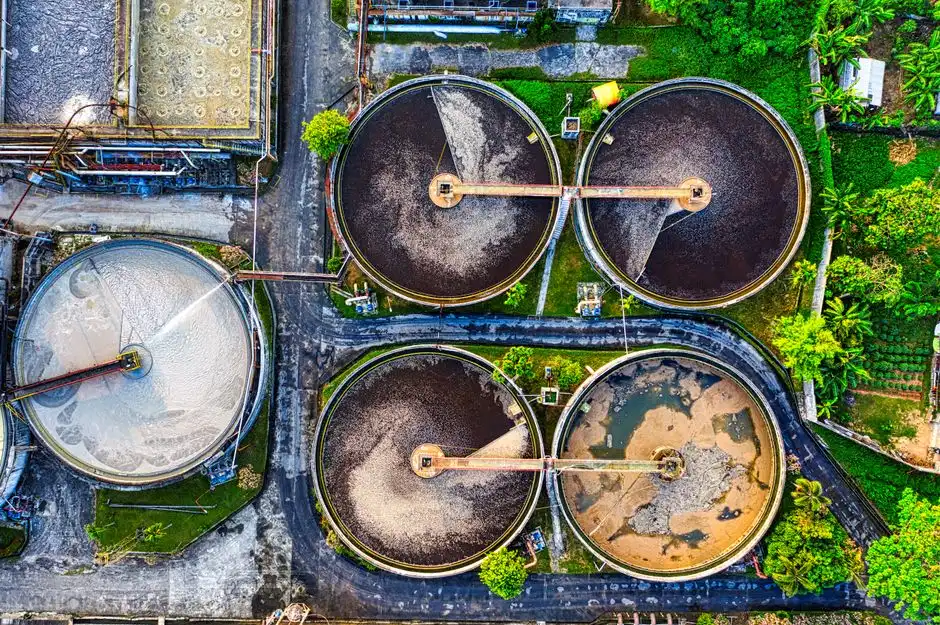
DAF is the stronger candidate when floatable oil, FOG, or poorly settleable solids are the primary treatment concern, but the selection still depends on successful chemical conditioning. A gravity clarifier is a credible candidate for wastewater dominated by readily settleable solids, without assuming that it will deliver a lower flow rate, smaller footprint, or lower cost.
The mechanism changes what the factory recovers and how it must operate. DAF produces a surface float that can be skimmed, including oils and FOG, while conventional clarification produces settled sludge. A DAF skid may integrate conditioning, sensors, instruments, and controls; a gravity clarifier’s performance remains tied to settleability and hydraulic loading. Neither option removes the need to manage the solids or oil that leave the process.
| Selection factor | DAF | Conventional gravity clarifier | Buyer’s required evidence |
|---|---|---|---|
| Dominant contaminants | Floatable oil, FOG, suspended solids, including poorly settleable material. | Readily settleable suspended solids. | Representative wastewater analysis and settleability or flotation test results. |
| Chemical sensitivity | Coagulation and flocculation are central to the process. | Chemical demand depends on the solids and required settling rate. | Proposed dose, mixing sequence, and response to production-variable chemistry. |
| Recovered material | Skimmable float; heavier solids also collect at the bottom. | Concentrated settled sludge. | Expected oil or FOG recovery and sludge-handling route. |
| Controls and maintenance | Requires bubble generation, chemical feed, skimming, and bottom-solids withdrawal. | Requires solids collection, withdrawal, and inspection. | Complete equipment scope, service access, controls narrative, and maintenance plan. |
| Downstream treatment | Clarified water and recovered float still require the specified destination. | Clarified water and sludge still require the specified destination. | Reuse, discharge, pretreatment, and sludge-disposal requirements. |
Published results must remain separated from project guarantees. DAF Corporation reports 92%–98% TSS removal for its round FC Maximizer and 85%–90% for its rectangular RC UniMax. The same source indicates operation below 20 ppm of filterable solids and a thickened-sludge consistency of 2–4%. These are supplier-published equipment references, not guaranteed performance for a Rocket Center factory. Its industrial DAF system should therefore be evaluated on the treatment basis submitted for the factory’s wastewater.
Compare bids on more than purchase price: clarified-effluent quality, recovered oil or FOG, sludge characteristics, chemical consumption, energy, maintenance, and reuse potential. The proposed DAF energy consumption by treatment capacity should be tied to the selected duty and operating mode, not compared as an abstract efficiency claim.
How to Size a DAF or Clarifier for Variable Industrial Wastewater
Wastewater equipment sizing must be based on both hydraulic flow and contaminant loading at the worst credible operating condition. A unit selected only for average flow may be overloaded by a washing batch, oily floor-wash discharge, or production-driven peak.
Give each bidder the same information package: hourly and daily flow range, peak-hour flow, TSS, oil and grease, FOG, settleable solids, pH, temperature, flow duration, batch-discharge events, and the required reuse or discharge quality. Record which streams enter the proposed system and which are excluded. Without representative data, the bidder should state assumptions and validation needs rather than present a nominal capacity as a complete design.
Published equipment ranges help identify likely architecture. DAF Corporation lists a complete line from 48 GPM to 11,000 GPM. It also lists skid-mounted FC Maximizers from 48 GPM to 450 GPM, corresponding to 6-foot and 15-foot diameter tank examples. Clearwater Industries, dated 2026-04-27, describes a single-skid COMPACT DAF for flows of 66 GPM or less and a modular two-skid arrangement for larger flows. These figures are selection data, not a Rocket Center design.
| Sizing input | What the supplier must state | Why it affects selection |
|---|---|---|
| Representative flow and duration | Hourly, daily, peak-hour, and batch-discharge basis. | Establishes hydraulic demand and equalization requirements. |
| Contaminant loads | TSS, oil and grease, FOG, and settleable-solids basis. | A flow rating alone does not establish separation capacity. |
| Wastewater chemistry | pH, temperature, and relevant process-conditioning inputs. | Influences coagulation, flocculation, and flotation performance. |
| Separation basis | Tank geometry, surface loading, solids capture, retention basis, and hydraulic reserve. | Shows how the selected geometry treats the specified duty. |
| Residuals handling | Skimmer and sludge-withdrawal arrangement. | Confirms that recovered float and settled solids have a route out of the system. |
| Validation | Laboratory analysis and, where justified, an on-site pilot plan. | Tests the proposed treatment basis against actual wastewater. |
DAF Corporation explicitly offers laboratory DAF feasibility analysis and on-site pilot feasibility studies. A pilot is particularly useful where the wastewater is variable, oil and FOG recovery is required, or a nominal model comparison does not distinguish the two mechanisms. The factory should require test objectives, sampling procedures, measured parameters, and acceptance criteria before authorizing the trial.
What to Require From a DAF or Clarifier Supplier Before Ordering
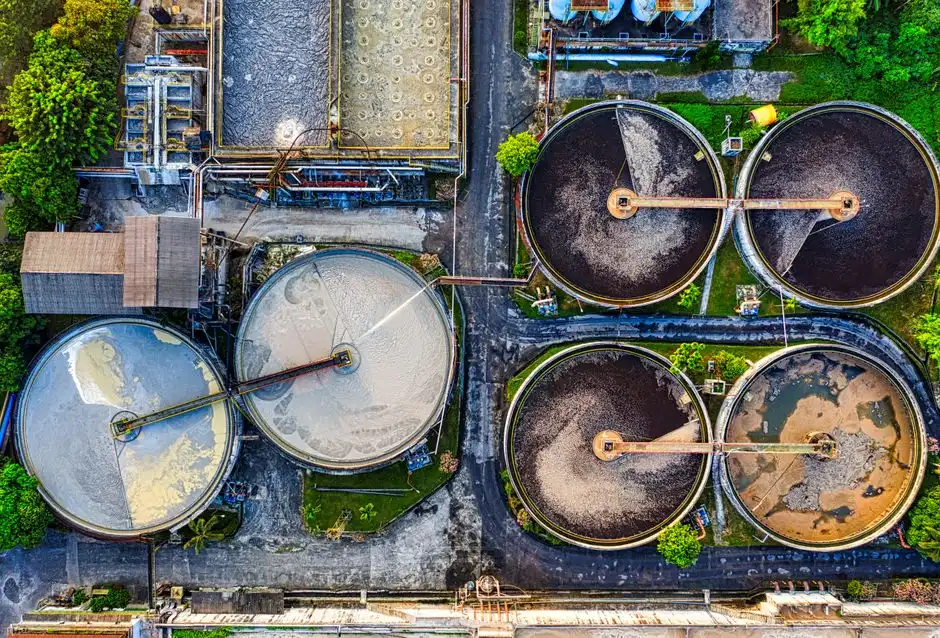
A comparable bid must identify the separation mechanism and the complete treatment scope. Require separate line items for the separator, coagulation, flocculation, pumping, controls, sensors, skid piping, installation, commissioning, training, and any downstream integration. Otherwise, a clarification price can conceal the equipment needed to achieve the stated result.
The proposed treatment basis should identify the wastewater data used, design flow, contaminant loading, operating range, and assumptions requiring validation. Ask the supplier to explain how peak flows, batch discharges, chemical variability, and the required reuse or discharge outcome affect the selected geometry. A project-specific plate-and-frame filter press or other solids-dewatering unit may also need to be included in the overall waste-handling scope.
| Bid item | Information to request | Decision check |
|---|---|---|
| Process basis | Representative wastewater data, design flow, contaminant load, operating range, and assumptions. | Is the offer based on factory conditions or a generic application? |
| Equipment scope | Separation, conditioning, pumping, controls, sensors, piping, sludge removal, and commissioning. | Are essential functions omitted or hidden in allowances? |
| Wetted materials | Material schedule for the actual chemical and temperature environment. | Do the selected materials match the wastewater service? |
| Operation and maintenance | Automatic skimming, sludge discharge, access, spare parts, training, and support. | Can plant personnel maintain and inspect the system? |
| Compliance and validation | Applicable criteria, treatment demonstration, startup test, and acceptance protocol. | Does the supplier commit to a project-specific basis? |
Clearwater Industries, dated 2026-04-27, reports standard DAF construction in 304 stainless steel, with 316 stainless steel, polypropylene, and other materials available on request. The factory should define the wetted-material environment rather than accept a generic material list. For compliance, obtain the applicable discharge or reuse criteria from the responsible authority and require the proposed treatment basis to be demonstrated against those criteria.
Installation, Startup, and Operating Risks
Equalization and flow control must be settled before final DAF sizing because washing, painting, and other production activities can create batch flows. Without adequate equalization, chemical dose, bubble contact, skimming, and solids withdrawal may all be exposed to sudden loading changes.
Check chemical compatibility, storage, metering, and the conditioning sequence. Coagulation and flocculation must occur in the intended order and with effective mixing; otherwise, particles may not attach effectively to microbubbles. A PLC-controlled chemical dosing system should be checked against the actual control philosophy rather than specified only by pump count.
Plan physical access for skimming, inspection, cleaning, and sludge removal. Include operator training, preventive maintenance, spare-parts availability, and local support in the acceptance plan. Commission the system with representative wastewater, verify operation across the intended flow and chemistry range, and document the chemical dose, skimming behavior, solids withdrawal, clarified effluent, and recovered material before establishing the operating baseline.
Frequently Asked Questions
How much should a DAF or gravity clarifier cost for a transportation-equipment factory?
No defensible price can be given from the supplied research because it provides no quotation and no factory-specific flow, wastewater analysis, or treatment duty. Request a treatment study, flow and load data, material schedule, controls scope, validation plan, and complete supply list. Compare bids on the same scope and lifecycle elements, including chemical consumption, energy, recovered material, sludge handling, maintenance, installation, and commissioning.
Which published DAF capacity should be selected for a Rocket Center factory?
Published capacities are screening data, not a factory-specific guarantee. DAF Corporation lists 48 GPM to 11,000 GPM, including skid-mounted units from 48 GPM to 450 GPM; Clearwater Industries describes a single COMPACT DAF skid for 66 GPM or less and a modular two-skid arrangement for larger flows. Select only after evaluating representative flow, peak contaminant load, wastewater chemistry, and the required effluent or reuse outcome.
When is a conventional gravity clarifier more practical than DAF?
A gravity clarifier is most defensible when the target material is predominantly settleable and the wastewater can be separated reliably by gravity. Confirm that conclusion with representative wastewater analysis and settleability testing, and verify that the selected clarifier maintains the required clarification rate at peak conditions. A supplier’s generic claim that gravity clarification is less complex or less expensive is not a sufficient basis.
How should buyers separate manufacturer performance claims from project guarantees?
Treat DAF Corporation’s 92%–98% and 85%–90% TSS-removal figures, its below-20-ppm filterable-solids indication, and its 2–4% thickened-sludge consistency as supplier-published equipment references—not promises for a Rocket Center installation. Obtain the applicable discharge or reuse criteria from the factory or responsible authority, then require the proposed treatment basis, startup testing, and acceptance protocol to demonstrate compliance with those project-specific requirements.