How to Choose DAF or a Clarifier for a Parsons Factory
Transportation-equipment factories in Parsons should choose DAF when wastewater contains emulsified oil, grease, or fine, low-density solids and available floor space is limited; choose a clarifier when solids are predominantly heavy and settleable and lower operating cost is the priority. Published 2026 comparison data lists DAF at 92–97% TSS removal and 95–99% FOG removal, versus 80–90% TSS removal for clarifiers, according to HydropureWater’s 2026 comparison. DAF generally costs more to buy and operate, so the defensible decision is based on sampled wastewater characteristics, treatment objectives, flow variability, plot area, and applicable discharge limits—not tank price alone.
Begin by defining the treatment objective: primary solids removal, oil recovery, free-oil separation, pretreatment compliance, or polishing before biological, membrane, or reuse treatment. That objective determines which contaminants must be removed and whether a clarifier is the primary separator or only one stage in a treatment train.
Before requesting a quote, obtain a wastewater analysis covering TSS, FOG, oil type, particle size or settleability, COD, BOD, pH, temperature, average flow, and flow variation. Sample machining, hydraulic, cutting, wash, and floor-wash streams separately where practical. A single averaged sample can conceal batch dumps, emulsified oil, dilution changes, and high-solids events that determine whether an industrial dissolved air flotation system or a high-efficiency lamella clarifier is appropriate.
Use jar testing or pilot testing when the stream contains emulsified oil, mixed machining chemistry, or variable production discharges. Ecologix’s 2026 selection guide identifies wastewater analysis and expert review as the basis for choosing between DAF and clarification; testing is therefore more defensible than selecting from a generic removal percentage.
Transportation Wastewater Streams That Change the Decision
Free oil, emulsified oil, fine solids, and heavy solids require different separation mechanisms, so contamination form—not simply total wastewater volume—should drive the primary-equipment decision. Treating a transportation-equipment manufacturing wastewater stream as one blended flow can conceal the specific load that controls flotation, clarification, downstream biological treatment, and polishing requirements.
| Manufacturing stream or contaminant | Selection implication | Information to document |
|---|---|---|
| Free oil | May be recoverable by gravity separation before DAF; emulsified oil is the stronger DAF case. | Oil type, free-versus-emulsified fraction, FOG, temperature, and whether recovery is required. |
| Emulsified oil, grease, or fine low-density solids | DAF is the leading primary separator because these materials are preferentially floated when bubble attachment and conditioning are effective. | FOG, particle size, oil stability, and results of chemical conditioning tests. |
| Dense metal fines, abrasive grit, or mineral sludge | Clarification is the leading primary separator when the material settles readily. | TSS, settleability, particle distribution, and bottom-solids loading. |
| Mixed machining or wash water | Treat as separate streams during characterization because hydraulic, cutting, and wash-water chemistry may respond differently. | Production shifts, batch dumps, floor-wash contributions, dilution, pH, and temperature. |
Clearwater Industries’ April 27, 2026 DAF guidance identifies 30–50-micron microbubbles and states that effective DAF treatment should be paired with coagulation and flocculation. Hydrophobic oils and grease attach readily to bubble surfaces, while fine hydrophilic particles may require conditioning before reliable flotation.
Heavy solids fall into a different category. Dense metal chips, abrasive grit, and high-mineral sludge can settle, so gravity clarification may provide the simpler primary route. A clarifier can also remove heavy material from a DAF tank, where Clearwater describes a bottom collection zone for settled solids.
Do not size from an average sample alone. Record production shifts, batch discharges, floor-wash contributions, temperature, and dilution, then assess both design and peak conditions. Confirm whether biological treatment, ultrafiltration, or another polishing step is required. An MBR integrated wastewater treatment system or ultrafiltration water treatment system may follow primary separation, but neither should be treated as a substitute for removing oil and solids at the front of the train.
How DAF and Gravity Clarification Remove Different Contaminants
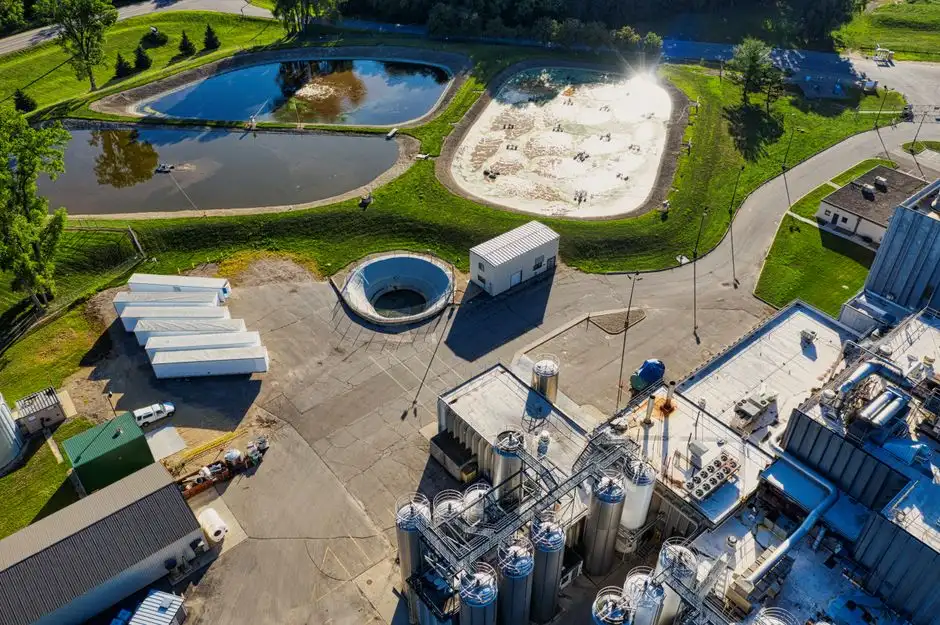
DAF separates oil and fine solids by flotation, while gravity clarification separates heavier material by sedimentation; the contaminant’s physical behavior determines which mechanism fits the treatment objective. Clearwater Industries’ April 27, 2026 equipment guidance describes microbubbles lifting conditioned solids to the surface for skimming, and Clearwater’s clarifier guidance describes heavier particles settling to a bottom collection zone.
In a DAF unit, dissolved air is released as microbubbles in a treatment tank. After suitable conditioning, the bubbles attach to oils and flocculated particles, creating float that is removed by a skimmer. Clarified water leaves from the lower portion of the unit. A pressurized recycle stream and air-saturation equipment support bubble generation, so DAF adds mechanical and electrical demands that a gravity unit generally does not have in the same form.
Chemical conditioning can make the difference between flotation and carryover. Clearwater’s April 27, 2026 guidance states that coagulation and flocculation increase particle size and attachment ability. Hydrophilic particles may not float reliably without a coagulant and flocculant. A controlled automatic chemical dosing system should therefore be specified when stable removal depends on repeatable mixing and dose control.
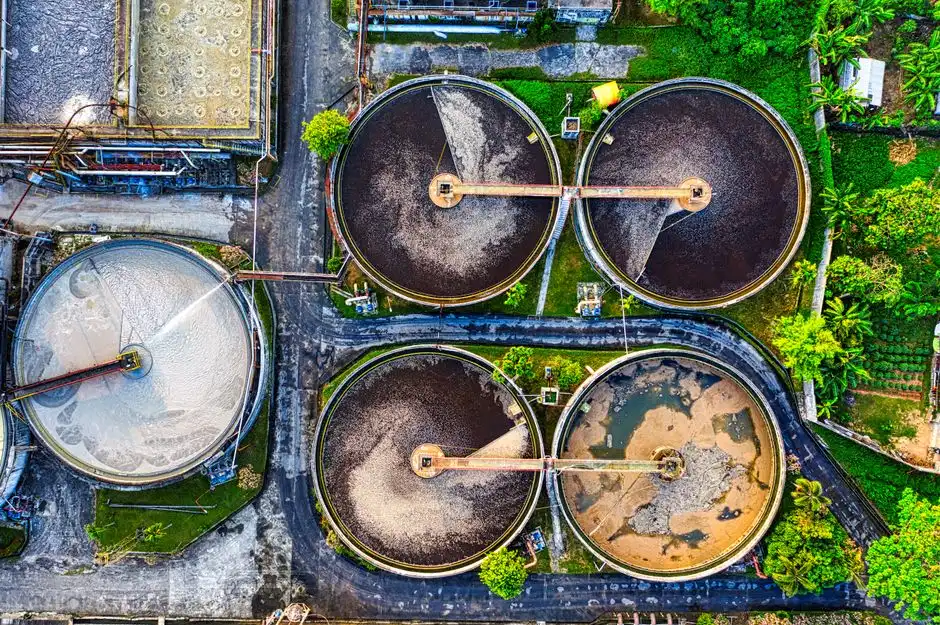
A clarifier relies on gravity and adequate settling area. Heavier particles move to the bottom and leave as underflow sludge. A lamella clarifier uses inclined plates to improve separation within a more compact structure, but the underlying objective remains sedimentation rather than preferential flotation of emulsified oil.
The two mechanisms can also be combined. Ecologix’s 2026 selection guide confirms that hybrid systems can combine DAF oil removal with clarifier sedimentation for complex wastewater. That arrangement can be appropriate when the stream contains both emulsified oil and heavy solids, but the sequence must be tested because upstream removal, hydraulic distribution, and sludge handling affect downstream performance.
Performance, Footprint and Operating Requirements
HydropureWater’s 2026 comparison reports higher DAF removal efficiency and hydraulic loading than clarification, with corresponding differences in footprint, retention, energy, and chemical demand. These figures are industry-comparison values from the publisher, not guaranteed performance for a Parsons site, and each needs validation against representative wastewater and the selected supplier’s design criteria.
| Comparison parameter | DAF | Clarifier |
|---|---|---|
| Published TSS removal | 92–97% | 80–90% |
| Published FOG removal | 95–99% | No comparable value stated |
| Hydraulic loading | 5–15 m/h | 1–3 m/h |
| Retention | 10–30 minutes | 2–4 hours |
| Comparative footprint | 0.2–0.5 m²/m³/h | 0.5–1.0 m²/m³/h |
| Energy use | 0.2–0.5 kWh/m³ | 0.1–0.3 kWh/m³ |
| Chemical cost | $0.05–$0.20/m³ | $0.02–$0.10/m³ |
| Typical polymer use | 2–10 mg/L | 1–5 mg/L |
| Sludge solids reported | 2–5% float solids by weight | 0.5–2% underflow solids |
All values in this table are attributed to HydropureWater’s 2026 DAF-versus-clarifier comparison. The footprint figures are comparative sizing indicators, not guaranteed installed areas. Final dimensions must reflect tank arrangement, access, equalization, chemical equipment, sludge removal, electrical service, and the supplier’s own loading calculations.
HydropureWater identifies a DAF TSS range of 50–500 mg/L as favorable and states that gravity clarifiers suit heavier solids loads, often above 1,000 mg/L. These are screening ranges from the same 2026 comparison, not project guarantees. Representative testing should establish whether the solids are truly settleable and whether the flow contains emulsified oil that gravity separation will not remove effectively.
DAF sludge can also complicate ownership costs. HydropureWater reports DAF float at 2–5% solids by weight and notes that entrained air can make it more voluminous on a dry-solids basis. The same comparison reports clarifier underflow below that concentration range. Request the expected solids production, dewatering method, disposal route, and installed sludge-handling cost from each bidder.
Compare Five-Year Cost Before Comparing Equipment Bids
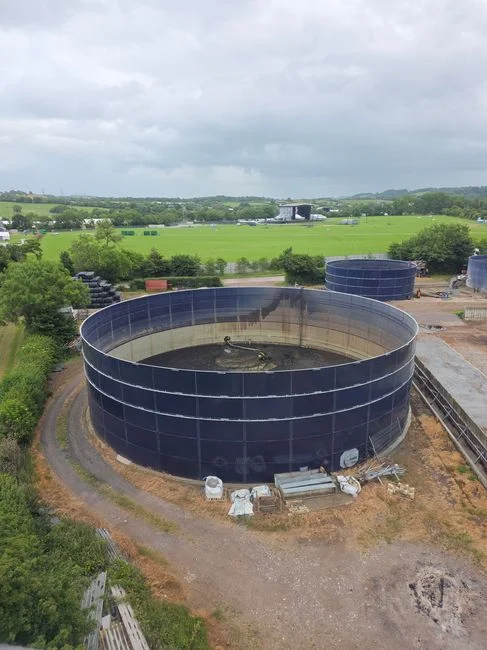
A lower equipment price is not necessarily the lower ownership cost: HydropureWater’s 2026 comparison gives DAF higher normalized capital cost, operating cost, and five-year total cost than clarification. The comparison also warns that performance and cost assumptions should be checked because published information may not represent the selected site or current field performance.
| Published 2026 comparison | DAF | Clarifier |
|---|---|---|
| CAPEX, normalized treated-volume basis | $150–$400/m³ treated | $80–$200/m³ treated |
| Five-year total cost of ownership | $1.50–$4.50/m³ | $0.80–$2.50/m³ |
| Energy use | 0.2–0.5 kWh/m³ | 0.1–0.3 kWh/m³ |
| Chemical cost | $0.05–$0.20/m³ | $0.02–$0.10/m³ |
These are HydropureWater’s 2026 publisher estimates, not quotations for a Parsons factory. Ask each bidder to price the same treatment flow, average and peak load, duty cycle, materials of construction, foundations, chemical equipment, controls, electrical service, sludge handling, installation, maintenance, operator labor, and disposal basis. Without that normalization, a bid comparison may simply reflect different scope boundaries.
Include the cost of underperformance in the decision model. Inadequate oil or solids removal can add chemical use, sludge-surcharge exposure, downstream treatment, production downtime, or permit exposure. The EPA’s March 2013 Emerging Technologies for Wastewater Treatment and In-Plant Wet Weather Management report cautions that some technology and cost information may have been supplied by manufacturers, may lack full-scale case-study support, and should be checked against current information. That warning is especially relevant to accepting generic performance or savings claims.
Do not omit disposal from the comparison. If either option produces enough sludge for mechanical dewatering, request a common basis for equipment selection. A plate-and-frame filter press is a dewatering option, but the press does not remove the need to define solids production, conditioning, polymer demand, cake handling, and disposal cost.
Build the Right Treatment Train for Parsons
The primary separator should be selected as part of a treatment train that addresses screening, flow variation, conditioning, oil and solids removal, sludge handling, and final discharge or reuse—not as an isolated tank.
- For a high-oil stream containing fine solids, use equalization and screening, chemical conditioning, DAF, biological treatment where required, and polishing or reuse treatment if the final objective requires it. Downstream MBR integrated wastewater treatment should follow adequate primary treatment rather than compensate for an unstable oil load.
- For heavy, readily settleable solids with low emulsified-oil risk, use equalization, screening, clarification, and sludge dewatering. Add biological or polishing stages only when the treatment objective and permit require them.
- For a stream containing both emulsified oil and heavy solids, consider DAF for oil and fine material followed by clarification or a hybrid arrangement. Validate the sequence with jar and pilot testing before fixing equipment scope.
HydropureWater’s DAF catalog lists 13 standard models from 4 to 300 m³/h. Confirm whether a standard configuration covers the design flow and whether the project requires a custom tank, recycle system, foundations, or special materials. An rotary mechanical bar screen can protect downstream equipment from larger debris, but the supplier must define its duty and included installation scope.
Specify automatic chemical dosing, skimmer control, operating interlocks, and abnormal-discharge provisions as integral to the train when stable removal depends on conditioning. These controls should respond to flow and operating conditions without allowing chemical over- or under-dosing to produce carryover, excessive foam, or unstable sludge.
Questions to Ask Before Ordering Equipment
A defensible equipment award requires every supplier to use the same wastewater, flow, performance, and cost basis. A tank price is not a comparable offer unless the treatment duty, operating conditions, civil work, utilities, and downstream responsibilities are also defined.
- Ask each supplier to state the design flow, peak flow, TSS, FOG, oil type, temperature, hydraulic loading, retention, removal target, and treated-volume basis used in its proposal.
- Require a performance guarantee tied to representative wastewater or clearly defined influent ranges. Disclose start-up requirements, chemical consumption, available power, and sludge-solids assumptions.
- Request the footprint, civil requirements, utilities, controls, materials of construction, maintenance schedule, spare-parts list, delivery scope, and installation responsibilities.
- Ask how the equipment will handle variable production flows, emulsified oil, abnormal discharges, high TSS, short-circuiting, and chemical over- or under-dosing.
- Require equal treatment-flow data, design life, and scope boundaries before comparing any cost estimate. If a performance guarantee is unavailable, ask for a documented pilot result and define the acceptance procedure.
For additional context on transportation equipment plant pretreatment requirements, compare the proposed equipment against the sewer authority’s local limits and acceptance procedures. A published removal percentage does not by itself demonstrate compliance.
Frequently Asked Questions
What does a DAF system cost compared with a clarifier for a transportation-equipment factory in Parsons?
HydropureWater’s 2026 comparison lists DAF CAPEX at $150–$400 per cubic metre treated and a five-year total cost of ownership at $1.50–$4.50/m³. The same source lists clarifier CAPEX at $80–$200/m³ and five-year cost at $0.80–$2.50/m³. These are publisher estimates rather than site quotations. Request a flow-based quotation using the same influent data, treatment flow, materials, utilities, sludge handling, installation scope, and design life.
How should a Parsons factory size DAF or clarification equipment?
Size from peak hydraulic flow, hydraulic loading, retention, TSS, and FOG loads—not flow alone. Confirm the waste’s oil form, particle behavior, temperature, and production variability through wastewater analysis. Where emulsified oil or mixed machining chemistry is present, require jar or pilot testing and ask the supplier to state how its proposed loading and removal claims apply to the tested wastewater.
How should a factory select a wastewater equipment supplier?
Require every bidder to use the same influent basis, treatment flow, removal guarantees, utility assumptions, civil and installation scope, control requirements, and sludge assumptions. A useful selection check is whether the supplier can explain variable-flow operation, abnormal-discharge controls, chemical dosing, maintenance, spare parts, and delivery responsibilities in the proposal rather than relying on generic performance claims.
What determines whether the equipment meets local pretreatment or discharge requirements?
Compliance depends on the applicable sewer, pretreatment, or discharge permit and its local limits, not on a generic TSS or FOG removal percentage. Have the proposed treatment train checked against the governing permit, monitoring requirements, and acceptance procedure. Published figures from HydropureWater’s 2026 comparison and Ecologix’s 2026 selection guide should be treated as screening evidence until verified for the actual wastewater and operating conditions.
When is hybrid treatment better than selecting only DAF or only a clarifier?
Consider hybrid treatment when the stream contains both emulsified oil and heavy solids, or when primary separation must be followed by biological treatment, membrane filtration, or reuse polishing. Ecologix’s 2026 guide confirms that DAF and clarifiers can be combined. Test the proposed sequence because the upstream oil-removal duty, downstream solids loading, hydraulic distribution, and sludge-handling arrangement affect the overall result.