What Changes the Choice for a Foundry or GaAs Fab
For a semiconductor foundry or GaAs factory, choose DAF when the segregated stream contains fine, colloidal, oily, or chemically conditioned solids that can be made floatable. Choose a lamella or gravity clarifier when particles settle reliably, hydraulic loading is stable, and simpler operation or existing civil capacity is more valuable. Neither device independently removes dissolved fluoride, metals, or cleaning chemicals. In 2026, the defensible decision is based on stream-level characterization and a matched pilot using actual production and cleaning wastewater—not a generic TSS-removal claim.
A fab header is not a design basis. The review A Review of Semiconductor Wastewater Treatment Processes: Current Status, Challenges, and Future Trends identifies fluoride, nitrogen, phosphate, turbidity, organics, photoresist, and washing solutions as relevant constituents, while also listing wafer manufacturing, oxidation, photolithography, etching, deposition, ion implantation, metallization, electrical die sorting, and packaging as fabrication activities. Those activities do not produce identical wastewater.
Separate CMP slurry wastewater from dilute CMP wastewater, back-grinding coolant, photoresist-bearing streams, cleaning and rinse streams, and metal-bearing rinse water. A mixed header can conceal the stream that controls solids loading, conditioning demand, or downstream fouling. The semiconductor fab wastewater stream segregation guide provides useful context, but the project still needs stream-specific measurements.
Production and cleaning cycles can alter flow and chemistry, so a site-wide average may conceal the controlling duty. The bid basis should therefore identify each stream’s segmented minimum, average, and peak flow; TSS; particle-size distribution; pH; metals; FOG where relevant; conditioning compatibility; and the applicable reuse or pretreatment specification.
| Stream to characterize separately | Principal separation question | Minimum design context |
|---|---|---|
| CMP slurry and dilute CMP wastewater | Which solids fraction dominates: fine, colloidal, settleable, or conditioned? | Solids and particle-size distribution; abrasive or crystalline character; flow variability |
| Back-grinding coolant | Can particles be conditioned to float, or do they settle reliably? | Oil and emulsified content; suspended solids; relevant FOG |
| Photoresist-bearing stream | Which treatment creates manageable solids without impairing downstream treatment? | Organic composition; solids production; chemical compatibility |
| Cleaning and rinse streams | Are dissolved constituents dominant, and what pretreatment is required before reuse? | pH; metals; fluoride; flow envelope; target use |
| Metal-bearing rinse water | Must dissolved metals first be precipitated into particulate floc? | Metals; pH; precipitation chemistry; required solids separation |
How DAF and Gravity Clarification Separate Different Solids
Dissolved air flotation separates particles by attaching microbubbles to them, lifting them to the surface, and creating a skimmable float; coagulation and flocculation may improve bubble contact and floatability. Gravity clarification instead depends on settling velocity and available area. Inclined plates increase effective separation area, while flocculation can improve settling where required. These are different mechanisms, not interchangeable labels for suspended-solids removal.
The commercial reference cited by the 2026 DAF vs. Clarifier for Semiconductor Wastewater article describes 30–50 μm microbubbles in Clearwater Industries DAF systems. That is an equipment statement, not a universal DAF design requirement. The actual bubble-production and saturation arrangement must be tested with the selected wastewater because conditioning chemistry, solids concentration, and operating conditions affect flotation behavior.
The solids outputs also create different downstream obligations. A DAF generates a surface float and may accumulate settled heavy material that requires withdrawal and possibly float return. A clarifier produces concentrated underflow, but its inclined plates can foul and its solids-withdrawal behavior must remain reliable. Neither arrangement, by itself, removes dissolved fluoride, metals, or cleaning chemicals.
That boundary matters when a supplier offers an industrial dissolved air flotation system or a high-efficiency lamella clarifier. The equipment should be evaluated as a suspended-solids stage within a defined treatment train, not as a complete compliance solution.
| Mechanism | How solids are separated | Conditioning role | Solids and operating issues |
|---|---|---|---|
| Dissolved air flotation | Microbubbles attach to particles and lift them to the surface | Coagulation and flocculation may enlarge particles and improve bubble contact | Surface float, possible settled heavy solids, float return, carryover, air saturation, and skimming |
| Gravity sedimentation | Particles settle according to settling behavior and available area | Flocculation may create particles that settle more readily | Concentrated underflow, sludge withdrawal, plate fouling, and accumulated inventory |
| Lamella clarification | Gravity settling is enhanced by inclined separation plates | Conditioning is needed only if the raw solids do not settle adequately | More effective separation area, but plate maintenance and reliable withdrawal remain necessary |
Match the Candidate to the Stream’s Separation Behavior
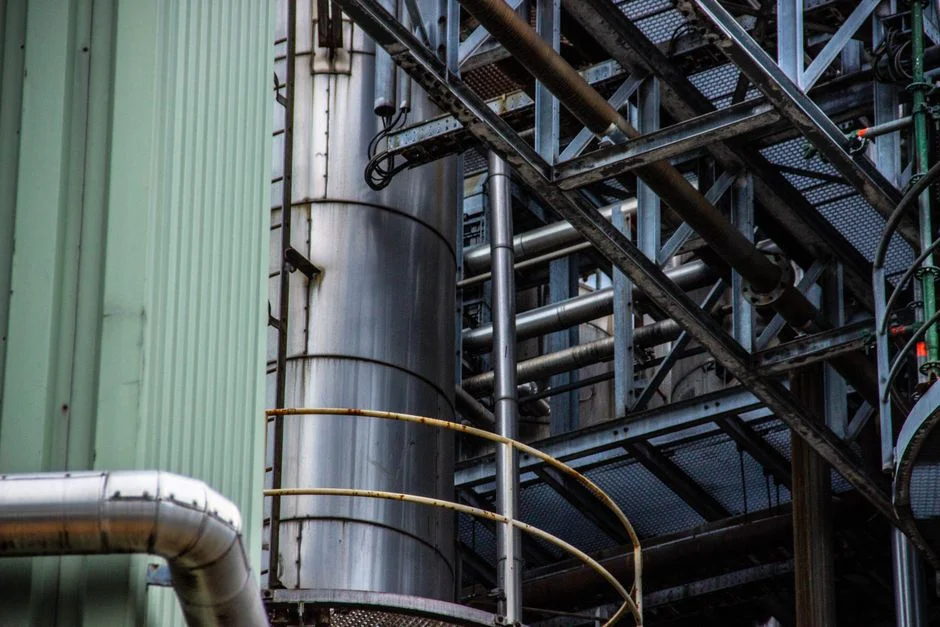
Choose DAF as the primary candidate when the segregated stream contains fine or colloidal solids, oily or emulsified material, or particles that become floatable after conditioning. Choose a lamella or gravity clarifier when particles demonstrate reliable settling, flow is comparatively stable, and simpler operation or existing civil capacity outweighs the additional controls associated with flotation. The controlling evidence is observed separation behavior, not a generic TSS percentage.
Conditioning is part of the process, not an accessory to add after equipment selection. The same chemicals can create floatable floc, create heavier settleable floc, or leave residuals that interfere with filtration, membranes, or reuse. A proposed automatic chemical dosing system therefore needs to be evaluated with the separator, using a defined chemical identity, dose basis, mixing arrangement, pH response, and control strategy.
Chemical precipitation creates a different separation duty. For dissolved metals, precipitation may convert contaminants into particulate floc before flotation or sedimentation. The separator does not perform the precipitation, and the resulting solids still require capture and removal.
Mixed solids require a complete solids balance. If floatable and sinking fractions are both significant, a DAF-primary arrangement followed by clarification polishing may be appropriate. Clarifier performance then depends on removal of residual heavy solids and floc; DAF performance depends on conditioning dose, float recovery, carryover, and management of both float and settled heavy material. The multi-media filtration system may follow clarification, but outlet compatibility must be demonstrated rather than inferred from TSS alone.
| Observed stream behavior | Primary candidate | Condition to verify | Key failure mode to prevent |
|---|---|---|---|
| Fine, colloidal, oily, emulsified, or floatable solids | Dissolved air flotation | Conditioning produces stable bubble contact and recoverable float | Poor float recovery, carryover, or excessive chemical residuals |
| Reliably settleable solids with stable hydraulics | Lamella or gravity clarifier | Settling remains reliable at the required flow and solids loading | Plate fouling, inventory accumulation, or withdrawal failure |
| Dissolved metals requiring particulate removal | Precipitation followed by separation | Precipitation creates floc compatible with the selected mechanism | Presenting the separator as the metals-removal stage |
| Significant floatable and sinking fractions | DAF primary with clarification polishing | Each stage receives and captures the relevant solids fraction | Leaving heavy solids unaddressed or double-counting captured solids |
Size the Separator from Real Operating and Solids Data
A separator should be sized from segmented minimum, average, and peak flow; TSS; particle-size distribution; pH; metals; relevant FOG; conditioning compatibility; and downstream reuse or pretreatment requirements. A catalog flow range can exclude an unsuitable model, but it cannot establish a plant design. Hydraulic capacity, solids loading, separation behavior, and treatment-train boundaries all remain to be demonstrated.
The HydropureWater DAF catalog lists 4–300 m³/h across 13 models, according to the supplied 2026 product information. Use that only as an initial equipment screen. The proposed unit must remain within the hydraulic and wastewater envelope shown during representative testing. For conditioning, request coagulant and flocculant dosing design criteria with the separator rather than evaluating dosing separately.
The lamella clarifier’s stated 20–40 m/h surface-loading range is also product information, not a plant guarantee. Normalize it against actual flow, solids loading, settling behavior, and the complete treatment train. Performance claims need the feed definition, conditioning state, flow condition, measurement method, and sample point attached to them.
DAF Corporation reports 92%–98% TSS removal for the FC Maximizer, 85%–90% for the RC UniMax, and sludge consistency reaching 2%–4% in the reported configuration, according to the 2026 commercial reference. These are model-specific references, not semiconductor-fab guarantees.
Each bid should state the wastewater basis, conditioning concept, proposed model, operating envelope, treatment-train boundaries, utility requirements, controls, solids route, and the test method and sample point behind every performance claim. Compare model-specific quotations with chemical consumption, air, power, water, labor, maintenance, and downstream solids-handling costs rather than using a universal equipment price. The microelectronics wastewater cost breakdown provides a structure for that comparison, but project-specific quotations remain necessary.
| Claim or input | Correct use in the bid | Evidence required |
|---|---|---|
| DAF catalog envelope of 4–300 m³/h across 13 models | Initial model screen only | Selected model and demonstrated project operating envelope |
| Lamella surface loading of 20–40 m/h | Catalog screening reference | Actual flow, solids loading, settling behavior, and treatment-train normalization |
| Model-specific DAF TSS and sludge-consistency references | Comparison context, not a guarantee | Defined feed, conditioning, flow, test method, sample point, and solids route |
| Capital and operating cost | Lifecycle comparison of defined scopes | Itemized quotation, utility estimates, chemical consumption, labor, maintenance, and solids handling |
Prove the Choice with a Matched Pilot
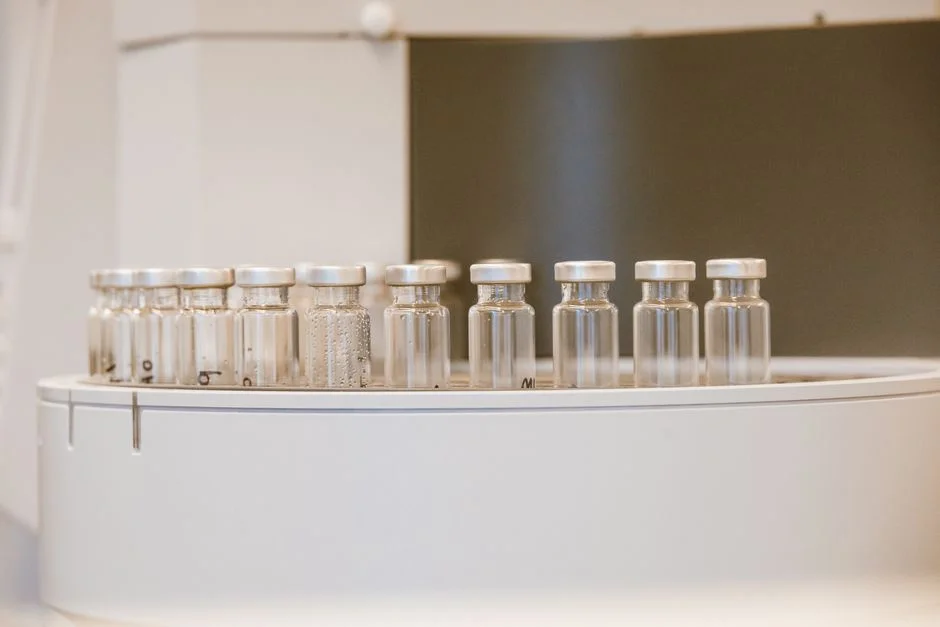
A matched pilot tests whether flotation or settling works on the factory’s actual production and cleaning wastewater. Run DAF and clarifier pilots on the same feed condition, representative flow range, conditioning state, and measurement points. A grab-sample TSS result cannot establish plant performance.
- Establish the duty: test minimum, average, and peak hydraulic conditions, recording segmented flow, TSS, particle-size distribution, pH, metals, relevant FOG, and production or cleaning-cycle status.
- Control conditioning: record chemical identity, dose basis, mixing, pH response, residual chemistry, and floc stability. Document whether the chemistry enables flotation, settling, or both.
- Compare separation: measure TSS, particle carryover, float or sludge concentration, recovered-solids withdrawal, accumulated inventory, and dewatering requirements.
- Verify the downstream duty: test clarified output with the actual proposed filtration or membrane-protection unit. TSS alone does not establish membrane compatibility, reuse quality, or residual-chemistry risk.
- Close the solids route: evaluate float return, heavy-solids withdrawal, storage, and dewatering in parallel with separator selection. A UF water treatment system can expose downstream solids issues, while a plate-and-frame filter press may be needed if recovered float or sludge cannot use the existing route.
The pilot report should distinguish captured solids discharged from the unit from solids merely accumulated inside it. It should also state the sample point, analytical method, feed condition, operating duration, and any deviations. Without those records, the result is not auditable enough for a technical bid.
Build a Technically Comparable Equipment Bid
A technically comparable bid identifies the wastewater source, production variability, flow envelope, TSS, particle distribution, chemistry, target outlet, measurement method, sample point, and next treatment step as mandatory proposal information. Without them, nominal TSS claims cannot be normalized or technically checked.
Request itemized pricing that separates the separator, coagulation and flocculation equipment, tanks, pumps, air-saturation system, instrumentation, controls, installation, and sludge handling. Require utility and chemical-consumption estimates so the comparison covers lifecycle inputs rather than purchase price alone. Identify the proposed model and exact treatment-train boundaries; a catalog envelope is not project sizing.
Also require the governing permit, reuse specification, pretreatment duty, pilot evidence, control strategy, and solids balance. Float or sludge quantities must be reconciled across capture, discharge, storage, and accumulation. The downstream reverse-osmosis system requirement must be stated because the separator prepares its feed; it does not independently remove dissolved contaminants.
Approve the separator together with its conditioning equipment, controls, solids route, and downstream filtration or membrane duty. This is also the practical boundary of a broader semiconductor DAF versus clarifier buyer’s guide: a separator becomes defensible when its operating evidence, chemistry, controls, and solids handling fit the factory’s complete treatment train.
Frequently Asked Questions
Should a semiconductor factory choose DAF or a lamella clarifier based on the highest flow or the lowest equipment price?
No. Flow and purchase price are screening inputs, not the selection criterion. The controlling decision is the segregated stream’s separation behavior after conditioning, supported by representative testing. Compare model-specific quotations and lifecycle inputs only after the separator, conditioning system, controls, utilities, and solids route are technically defined.
How much wastewater data is needed to size a DAF or clarifier for a Foundry or GaAs fab?
Request segmented minimum, average, and peak flow; TSS; particle-size distribution; pH; metals; relevant FOG; production variability; conditioning compatibility; and the downstream reuse or pretreatment specification. If those inputs are absent, request them from each stream owner rather than filling the gap with a catalog range or generic fab average.
Can DAF or a clarifier meet semiconductor reuse or discharge requirements by itself?
No. Both capture suspended solids, but neither independently removes dissolved fluoride, metals, or cleaning chemicals. The actual facility permit, reuse specification, and pretreatment duty control, and the clarified output must be verified through the specified next process step.
What evidence should a wastewater-equipment supplier provide before a factory awards a DAF or clarifier package?
Require representative pilot evidence, defined feed and flow conditions, conditioning details, proposed model boundaries, utilities, controls, sample points, analytical methods, and a complete solids balance. Ask the supplier to identify which results are catalog references and which were demonstrated on representative wastewater.
Can one separator handle both floatable and settling solids?
Not reliably without proving the behavior of both fractions. If floatable and sinking solids are both significant, evaluate a DAF-primary arrangement with clarification polishing. The trial must measure capture, carryover, withdrawal, inventory, and the route for float, underflow, and accumulated solids.