What the Evidence Does—and Does Not—Prove
MBBR can treat fruit-processing wastewater as a biological stage, but no supplied study establishes a universal reactor size, removal rate, fill fraction, or operating cost for this application. The strongest MBBR reference tested laundry wastewater with Kaldnes K1 carriers at 20% media fill; after 10 days, COD fell from 910 mg/L to 56.3 mg/L and BOD from 441 mg/L to 39.67 mg/L. Those results are not a fruit-plant guarantee. A defensible 2026 design starts with stream segregation, screening, equalization, site-specific solids and oil control, a loading and nutrient balance, representative pilot testing, and an acceptance test tied to the applicable discharge or reuse requirement.
A moving bed biofilm reactor uses protected biofilm media carriers on which microorganisms colonize, aeration to support treatment, and a solids-release mechanism that lets excess biomass slough from the media. That is the relevant definition for evaluating an MBBR for fruit juice effluent: the reactor treats biodegradable material biologically, but it does not by itself provide the solids separation required for a final effluent specification.
The available references are not interchangeable. A 2021 pilot study examined MBBR treatment of piggery wastewater. A sequencing-batch cheese-effluent study investigated a different wastewater and operating sequence. The December 2024 fruit-juice study examined MBR, not MBBR. These boundaries matter because a result from another feed cannot establish the hydraulic loading, media area, aeration demand, startup time, or effluent quality of a fruit plant.
| Source and date | Process and wastewater | Reported evidence | Valid use in a fruit-plant decision |
|---|---|---|---|
| Tanjungpura University, 2019-01-10 | MBBR with Kaldnes K1 carriers; laundry wastewater | 20% media fill; 15-day seeding; on day 10, COD decreased from 910 to 56.3 mg/L and BOD from 441 to 39.67 mg/L | A documented MBBR trial and media reference, not a guarantee for fruit-processing wastewater |
| Journal of Analytical Methods in Chemistry, 2021 | Pilot MBBR; piggery wastewater | 10 m³ reactor; polyethylene carriers; COD removal of 68–78% under the reported loading and retention conditions | Evidence of MBBR operation with a different wastewater and contaminant profile |
| Sequencing-batch MBBR cheese-effluent reference | Anaerobic, aerobic, and anoxic stages; cheese-making effluent | Carbon removal and nitrification behavior under a sequencing-batch configuration; 33 days were required to establish nitrification when aeration was extended | A basis for investigating staged treatment, not a continuous fruit-juice MBBR template |
| Membranes, 2024-12-06 | MBR; real fruit-juice wastewater | Average removals of 82% COD, 80% BOD, 83% NH₄⁺-N, and 79% TN | Biological-feasibility evidence for the tested stream; not transferable to an MBBR guarantee |
MBBR normally retains biomass on carriers and requires downstream clarification or another solids-separation route. MBR combines biological treatment with membrane separation, so its reported nutrient and solids performance cannot be attributed to an MBBR configuration. The supplied research does not establish a universal MBBR removal rate, reactor volume, media fill, hydraulic retention time, operating cost, or price for fruit juice wastewater. Use the detailed MBBR process design for fruit juice wastewater as the starting point for evidence-gated design rather than a catalogue selection.
Build the Wastewater Basis Before Sizing the MBBR
The reactor can only be sized after the wastewater streams that will actually enter it have been separated and characterized. Fruit plants combine flows that may require different treatment: soluble juice loss, pulp and concentrate, fruit-piece washing, floor drainage, washdown, and CIP rinse water can differ substantially in solids, biodegradability, toxicity, and operating concentration.
Source segregation is therefore the first design decision. Do not combine product-loss juice, washdown, and sanitizer-bearing discharge merely because they discharge to the same pipe. A concentrated batch dump may set the organic load, while washdown may control peak flow. CIP rinse water may introduce pH swings or chemical residues that require a different response from high-strength organic wastewater. The broader MBBR design guide for food processing wastewater provides wider context, but plant-specific segregation remains essential.
Build a time-based dataset across normal production, washdown, and cleaning cycles. Average flow plus one COD result cannot identify the peak hydraulic or organic loads that determine equalization volume, reactor staging, and aeration. Characterize each relevant stream and its composite over a representative operating period, including seasonal or campaign changes where relevant to the plant.
| Design input | What to establish | Why it affects the MBBR |
|---|---|---|
| Flow | Average, peak, batch-dump, washdown, and cleaning contributions | Determines hydraulic loading, equalization, retention, and overflow risk |
| Organic load | COD, BOD, soluble and particulate fractions, and biodegradability | Distinguishes biologically treatable carbon from material that must be removed or treated separately |
| Solids and oils | Pulp, suspended solids, colloids, FOG, and oil-and-grease | Identifies carrier, pump, aeration, and downstream separation risks |
| Nutrients | Ammonia, total nitrogen, total phosphorus | Supports the oxygen, carbon, and nutrient balance |
| Process conditions | pH, temperature, sanitizers, and potential process toxicity | Identifies neutralization, acclimation, or exclusion needs |
| Destination | Discharge permit, sewer pretreatment requirement, or reuse specification | Defines the final solids, nutrient, and water-quality obligations |
Separation of soluble biodegradable material from pulp, colloids, oils, and process-toxic constituents is critical. Pulp can accumulate in equipment and on carrier surfaces; colloids may impair separation; oils can interfere with oxygen transfer and biological activity; sanitizers or extreme pH may cause toxicity or upset. The supplied research does not establish allowable MBBR limits for these constituents or for pH swings. Obtain site-specific test data and require representative pilot evidence rather than borrowing limits from unrelated studies.
The resulting design-basis request should state the selected flow, COD, BOD, nitrogen, phosphorus, suspended solids, temperature, pH, biodegradability, applicable discharge or reuse target, and the operating envelope. That package becomes the common basis for pilot design, equipment sizing, supplier comparison, and contractual acceptance.
Protect the Biological Stage with Screening, Equalization, and Solids Control
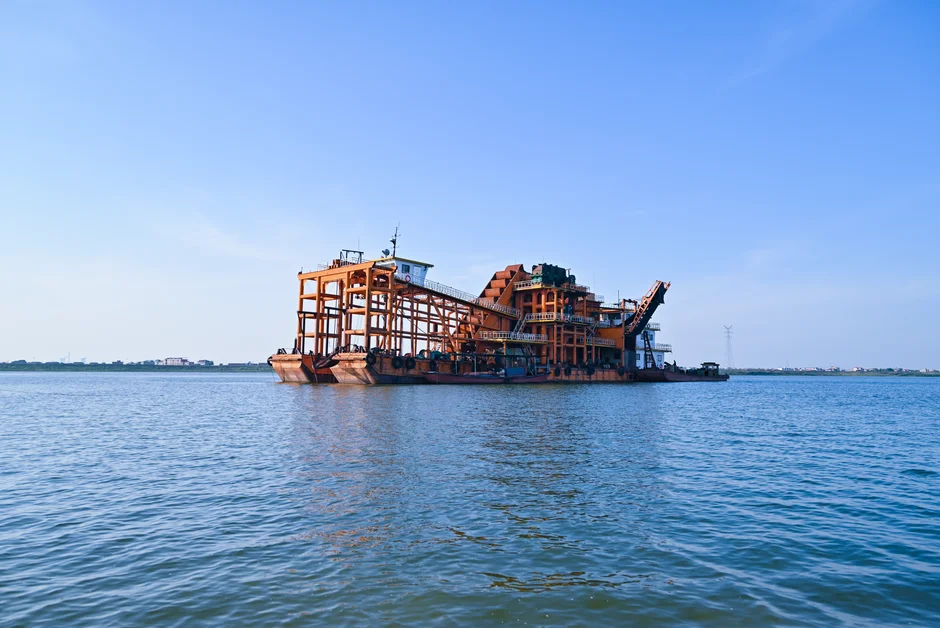
Source segregation, screening, and equalization should precede the MBBR because biological performance depends on a controlled feed, not on the reactor compensating for every upstream variability. A rotary bar screen for fruit-wastewater headworks can remove suspended solids, rags, plastics, and fibrous debris that could obstruct pumps, valves, or the reactor. Screen selection still requires the actual particle size, solids loading, and waste-removal method.
Equalization moderates flow and organic peaks and can prevent accumulated pulp release or biological upset. It does not remove biodegradable COD, so equalization volume must be based on measured inflow variability, batch-dump behavior, and the operating response of the downstream biological stage. It is a control device, not a substitute for source reduction or solids removal.
| Stage | Selection evidence | Design output | Supplier or pilot evidence to obtain |
|---|---|---|---|
| Source segregation | Stream inventory and representative sampling by origin | Defined MBBR influent and separately managed streams | Mass and load balance for each stream, including bypass and reuse routes |
| Screening | Suspended solids, particle characteristics, and debris loading | Screen aperture and solids-removal duty | Selected screen, extracted-solids route, measured headloss and maintenance access |
| Solids or oil control | Material solids, colloidal, FOG, and oil-and-grease results | Requirement and performance duty for DAF or another unit | Representative removal data, solids inventory, and downstream handling route |
| Equalization | Time-based flow and COD, BOD, suspended solids, oil and grease, pH, and temperature | Usable volume, mixing arrangement, and controlled return arrangement | Simulated batch response and demonstrated control under representative cycles |
| MBBR feed protection | Condition after upstream units | Stable hydraulic and organic feed | Measured feed variability and pilot evidence that the reactor remains stable |
Where testing shows a material solids, FOG, oil-and-grease, or colloidal load, DAF pretreatment for fruit-processing wastewater may be warranted before MBBR. Neither DAF nor screening is justified solely by the word “juice.” Equipment selection should follow the measured material load, particle characteristics, downstream fouling risk, recovered-solids handling, and operating constraints. The applicable discharge or reuse specification then determines how much pretreatment remains necessary.
Design the MBBR Around Loading, Nutrient Balance, and Effluent Goals
An MBBR design should begin with a hydraulic and organic loading profile assembled from time-based flow and quality data, not average flow and a single laboratory result. The design must define media type, active surface-area basis, fill fraction, hydraulic retention, biofilm thickness, aeration, excess-biomass control, and solids-retention assumptions. These variables interact; changing one without revising the others can invalidate the biological basis.
The 2019 laundry study provides a documented operating reference: Kaldnes K1 media at 20% fill, a 15-day seeding period, and processing tested over 6, 8, and 10 days. Its authors identified media volume, treatment time, and media type for further research. Accordingly, neither 20% fill nor 15 days of seeding is a default for a fruit plant. The laundry COD and BOD results were obtained on a different wastewater.
| Design element | Required engineering basis | Evidence needed before selection |
|---|---|---|
| Hydraulic loading | Representative flow profile, equalization arrangement, and stage configuration | Pilot flow record across production, washdown, and cleaning cycles |
| Organic loading | COD and BOD loads, biodegradability, and soluble fraction after solids control | Load calculations tied to measured inputs rather than study averages |
| Media | Carrier type, active surface-area basis, fill fraction, and access for inspection | Supplier data plus representative pilot media movement and biofilm observations |
| Hydraulic retention | Stage volumes, staged HRT, and peak-flow behavior | Calculations and pilot confirmation under the agreed operating envelope |
| Aeration | Oxygen demand, bulk and biofilm transfer assumptions, redundancy | Aeration calculation and demonstrated response during peak organic loading |
| Solids retention | Biomass inventory, wasting route, and downstream separation | Measured sludge production and solids balance from the pilot |
| Nutrients and alkalinity | Nitrogen, phosphorus, carbon allocation, and pH control | Measured balance and any demonstrated chemical-dosing requirement |
Carbon allocation is a central constraint. Aerobic oxidation removes biodegradable carbon, while anoxic denitrification requires sufficient remaining electron donor. Adding anoxic capacity without checking the carbon balance can make the combined aerobic and anoxic design unworkable. The cheese-effluent reference used anaerobic, aerobic, and anoxic stages and reported that extending aeration required 33 days to establish nitrification. That is a documented trial condition, not a universal startup duration or proof that the same sequence fits juice effluent.
Check pH, temperature, nutrient ratios, dissolved oxygen, toxicity, and any controlled chemical addition against the actual feed. Where characterization shows that neutralization or nutrient dosing is necessary, an automatic chemical dosing system may form part of the package, but the chemical, dose, and control basis should come from testing. The supplied evidence does not establish site-specific limits for these variables.
Treat Solids, Sludge, and Reuse Water as Separate Design Obligations

MBBR performance and downstream solids handling are separate acceptance issues. Attached biomass is eventually released, so the excess-biomass inventory and all solids separated after the reactor must enter one auditable mass balance. Plan wasting, thickening, dewatering, and disposal from the retained biomass and separated solids rather than sizing sludge equipment from an assumed percentage.
Use downstream clarification or another solids-removal route after MBBR. A lamella clarifier can be evaluated where inclined-plate separation suits the solids characteristics and hydraulic basis, but sedimentation performance must be confirmed against the actual mixed liquor and peak flow. The solids inventory generated by the pilot should then determine whether high-efficiency sedimentation is appropriate and what downstream solids capacity is required.
| Obligation | Decision basis | Acceptable evidence | Common design error |
|---|---|---|---|
| Excess-biomass wasting | Measured solids production and retention assumptions | Pilot solids inventory and operating record | Omitting sloughed biomass from the plant mass balance |
| Clarification | Solids characteristics, settling behavior, and hydraulic duty | Representative solids separation trial | Assuming MBBR biomass remains attached indefinitely |
| Sludge dewatering | Demonstrated solids inventory and target cake condition | Feed-solids and dewatering trial | Choosing a press before the waste stream is defined |
| Reuse polishing | Final water specification and identified contaminants | Pilot water-quality data against the specification | Assuming biological treatment alone meets reuse requirements |
| Phosphorus management | Measured phosphorus balance | Influent, process, and effluent phosphorus results | Transferring MBR phosphorus findings to MBBR |
Connect sludge dewatering only to the demonstrated solids inventory. A plate-and-frame filter press may be evaluated where the waste stream and required dryness justify it. For reuse, set the barrier from the final water specification: additional solids removal, nutrient control, or membranes may be necessary, and an ultrafiltration system for reuse polishing should be included only where the specification requires that separation.
Song et al. reported in the Membranes study dated 2024-12-06 that a portion of total phosphorus was retained in the MBR system. That finding does not establish phosphorus removal for MBBR. Measure the proposed phosphorus balance against the applicable target.
Prove Performance Through a Representative Pilot and Acceptance Test
A pilot is useful only if it tests the wastewater and operating conditions the purchased system will face. Run the pilot across representative production, washdown, and cleaning cycles rather than relying on a single grab sample. The test should establish whether equalization and pretreatment protect the MBBR and whether biology remains stable during actual batch and cleaning peaks.
Instrument enough to distinguish load, treatment, and equipment behavior. Track the water-quality parameters, operating conditions, and physical responses listed below, together with samples tied to production and cleaning events. An industrial wastewater pilot and treatment-system guide can help structure the broader evaluation, but the acceptance protocol must describe this plant’s test conditions.
| Test area | Measurements | What the result must demonstrate |
|---|---|---|
| Influent and load | Flow, COD, BOD, NH₄⁺-N, TN, TP, suspended solids, pH, temperature | The stated design and operating envelope represents the actual feed |
| Process stability | Dissolved oxygen, aeration response, media movement, biofilm establishment, headloss | The reactor and its controls remain stable during representative cycles |
| Separation and residuals | Effluent suspended solids, solids inventory, sludge production | Downstream clarification and sludge handling remain within their design duty |
| Compliance outcome | All parameters named in the permit, sewer requirement, or reuse specification | The system meets the applicable destination, not a generic removal percentage |
Define acceptance criteria from the applicable discharge permit, sewer pretreatment requirement, or reuse specification. A generic percentage is not a compliance guarantee. The protocol must state the influent basis, sampling period, production and cleaning conditions, analytical methods, operating envelope, and treatment of outliers. It should also define what happens if the supplier’s pretreatment or equalization assumptions are not achieved.
Startup duration should be treated as an outcome to be verified, not a preset sales claim. The laundry study recorded a 15-day seeding period, while the cheese-effluent reference reported 33 days to establish nitrification when aeration was extended. Neither period transfers directly to fruit-processing wastewater. Acceptance should use demonstrated biological and effluent performance under the agreed feed, not elapsed time alone.
Compare Supplier Offers on the Same Design Basis
Supplier comparison is defensible only when every offer resolves the same wastewater, treatment objective, and commercial scope. Start with a signed or otherwise controlled design basis. If the assumed flow, contaminant loads, operating conditions, or target effluent differ between quotations, their prices and guarantees are not comparable.
Require each proposal to disclose the engineering basis rather than simply provide equipment dimensions. That disclosure should include the selected media, fill fraction, active surface-area basis, reactor configuration, hydraulic retention, aeration calculations, solids-retention assumptions, controls, redundancy, maintenance access, and downstream interfaces. A nominal catalogue capacity does not demonstrate suitability for this wastewater.
| Supplier disclosure | Specific information to request | Procurement check |
|---|---|---|
| Design basis | Flow, COD, BOD, nitrogen, phosphorus, suspended solids, temperature, pH, and target effluent | Does it match plant data and the agreed destination? |
| Reactor engineering | Media, fill, active-area basis, configuration, hydraulic retention, aeration, solids retention, controls, and redundancy | Can each assumption be traced to calculation, test, or manufacturer data? |
| Performance evidence | Representative pilot results, operating record, analytical methods, and startup methodology | Does the wastewater and operating envelope match the quotation? |
| Operations | Monitoring, operator training, maintenance access, spare parts, and media-replacement assumptions | Are routine tasks and access clear to plant staff? |
| Commercial scope | Equipment, media, aeration, controls, pretreatment, installation, energy, chemicals, sludge handling, maintenance, and downtime | Are all items and assumptions separately priced? |
| Acceptance | Guarantee conditions, test duration, sampling rules, analytical methods, remedies, and exclusions | Is the guarantee tied to the agreed wastewater and protocol? |
Request itemized energy, chemical, media-replacement, sludge-handling, installation, maintenance, and downtime assumptions. The supplied research provides no defensible MBBR price per cubic metre for fruit juice wastewater, so procurement should require a site-specific quotation based on the agreed design basis rather than compare unsupported unit prices. A related clarifier-selection discussion can help frame treatment boundaries, but it does not replace an MBBR duty calculation: DAF versus clarifier selection for wastewater treatment.
Finally, make every performance guarantee conditional on the stated wastewater, operating envelope, and acceptance test. Guarantees transferred from laundry, piggery, cheese-making, or MBR studies are not valid substitutes. The more defensible supplier is the one that exposes assumptions, supports them with applicable evidence, and accepts measurable responsibility for the stated duty.
Frequently Asked Questions
How much does an MBBR cost for fruit-processing wastewater?
The supplied research provides no MBBR price for fruit juice wastewater. A defensible quotation should itemize equipment, media, aeration, controls, pretreatment, installation, energy, chemicals, sludge handling, media replacement, maintenance, and downtime using one agreed wastewater basis and effluent target.
Can I size an MBBR from the 2019 laundry study?
No. The 20% Kaldnes K1 fill and 10-day treatment result belong to laundry wastewater, as reported by Tanjungpura University on 2019-01-10. Use them only as operating references and develop the fruit-processing design from representative loading data and pilot testing.
What should a supplier provide to demonstrate MBBR suitability?
Require the influent and effluent basis, media and active-area information, fill fraction, reactor configuration, hydraulic retention, aeration design, solids-retention assumptions, controls, redundancy, representative pilot results, startup plan, acceptance criteria, and lifecycle O&M assumptions. Check that each item is linked to a calculation, test result, or clearly stated assumption.
When is MBR more appropriate than MBBR for fruit-processing wastewater?
Consider MBR when integrated solids separation has direct value against the discharge or reuse specification and representative evidence supports membrane flux, cleaning, and chemical compatibility. Choose MBBR when a robust biological stage and a separate downstream solids-removal route are acceptable. The December 2024 fruit-juice MBR result provides a reference for that comparison, not a universal MBBR alternative.
What pretreatment does fruit-processing wastewater usually need before MBBR?
Base the decision on measured pulp, suspended solids, colloids, oil and grease, sanitizer load, and pH swings. Screening and equalization are first considerations, while DAF should be justified by a material solids or oil load and downstream fouling risk. Use the plant’s food and beverage plant sewer-limit compliance guide to connect pretreatment decisions to the applicable destination.