What treatment does a Mysuru data center actually need?
A data center in Mysuru needs source-specific treatment, not one generic wastewater plant. Segregate cooling tower blowdown, reverse-osmosis concentrate, domestic sewage, equipment and floor washdown, laboratory drains, and other process discharges, then measure their average and peak flows, temperature, chemistry, chemicals, and operating schedules. The practical base case is to filter and polish cooling blowdown for reuse as make-up water, while keeping RO concentrate separate and proving a lawful management route. Conventional blowdown RO generally achieves 50–85% recovery, while IDE reports 75–80% for brackish RO before scaling limits; higher recovery requires chemistry-aware design. Mysuru design inputs and approvals must be established through site sampling and current Karnataka requirements, not copied from generic or U.S. benchmarks.
The first design decision is the destination and required quality for every stream. Cooling tower blowdown, domestic sewage, RO concentrate, washdown, laboratory drains, and process discharges should not be combined simply because they eventually reach the same site drain. Their chemistry, reuse potential, permit route, and failure consequences are different.
Cooling water deserves early engineering attention. IDE’s 2026 reference describes a 100-megawatt facility as using up to 2 million litres per day, while Genesis Water Technologies states that cooling systems represent 80–90% of data-center water demand in the United States. Neither figure is a Mysuru design input; they show why the cooling-water balance should be resolved before other wastewater treatment equipment is specified.
The practical hierarchy is to optimize the existing cooling system first, control blowdown through measured cycles of concentration, reuse lower-grade water where quality permits, and use high-quality polishing when recovered water must enter the cooling loop. Similar site-specific frameworks are discussed in the Hubballi data center wastewater treatment guide and the Sultanah data center blowdown treatment guide, but their technical findings must not be transferred to Mysuru without site data.
Build a measured water balance before choosing equipment
A defensible Mysuru design starts with reconciled flow measurements and a dated sampling program, not with a vendor’s nominal treatment capacity. Install meters on make-up water, blowdown, evaporation, domestic sewage, washdown, and other discharge routes. Record average flow, peak flow, temperature, operating schedule, and batch events. A daily average is inadequate for equalization or membrane sizing when washdown and recovery operations coincide with peak waste generation.
Sample cooling feed and blowdown for TDS or conductivity, hardness, alkalinity, silica, calcium, magnesium, chloride, sulfate, suspended solids, and pH. Also record residual corrosion inhibitors, scale inhibitors, dispersants, and biocides. Chemical carry-over affects membrane compatibility, cooling chemistry, biological control, and the quality of the next blowdown event.
Cycles of concentration provide the first operating lever, but the relationship must be stated correctly. Genesis reports that at 4 cycles of concentration, blowdown is 25% of make-up water; at 6 cycles, it is 20%. Moving from 4 to 6 cycles therefore reduces blowdown by 5 percentage points, or 20%, not 50%. The same source reports actual blowdown can exceed theoretical calculations by 15–30% because of unmeasured losses and emergency dumps. That finding is a reconciliation warning, not an allowance to add to Mysuru design flow.
| Water-balance input | Measurement required | Engineering use |
|---|---|---|
| Make-up water | Average and peak flow, operating hours, chemistry | Establishes incoming-water quality and the baseline cooling balance |
| Cooling tower blowdown | Continuous flow, temperature, chemistry, cycles of concentration | Determines treatment peak load and recovered-water opportunity |
| Evaporation | Measured or reconciled estimate tied to operating conditions | Separates consumptive loss from discharge |
| Domestic sewage and washdown | Average, peak, batch profile, organics, solids, detergents | Sets biological-treatment and equalization requirements |
| RO concentrate and residuals | Flow, TDS, scaling constituents, chemicals, solids | Tests whether a disposal or concentration route is feasible |
Use the measured data to construct peak-flow and recovery scenarios. One scenario should cover normal cooling operation, another a batch washdown, and another a recovery condition with a higher-than-normal blowdown rate. The data-center wastewater sizing framework provides a useful process reference, but the Mysuru flow model must remain tied to this site’s meters and operating schedule.
Keep each wastewater stream on its own treatment path
Stream segregation determines the process train because mixing changes membrane loading, chemical demand, biological treatment requirements, and concentrate volume. The matrix below is a screening framework; final equipment selection still requires representative sampling and pilot evidence.
| Source stream | Screening treatment path | Critical design issue |
|---|---|---|
| Cooling tower blowdown | Equalization; side-stream or media filtration; UF for biological and particulate control; NF for limited hardness and sulfate reduction; RO where dissolved-solids control is required | Complete chemical compatibility, scale control, concentrate route, and cooling make-up quality |
| Domestic sewage and high-organic washdown | Segregated biological treatment and disinfection | Organic loading, nutrients, pathogens, and no uncontrolled mixing with cooling streams |
| RO concentrate | Permitted partial discharge, managed brine disposal, evaporative concentration, or crystallization | Quantity, composition, regulatory route, and solids or brine destination |
| Batch or episodic process streams | Dedicated collection, equalization, and source-specific treatment | Contaminant identity, batch volume, discharge timing, and potential shock loading |
For cooling blowdown, filtration is the first control step because suspended solids and biological material affect both downstream membranes and cooling surfaces. Hollow-fiber ultrafiltration pretreatment is relevant where a defined microbial and particulate barrier is required. Nanofiltration may be adequate when the required outcome is reduced hardness or sulfate rather than low dissolved solids. An industrial reverse osmosis system for blowdown reuse should be considered when cooling make-up requires stronger dissolved-solids control.
Domestic sewage and high-organic washdown require biological treatment and disinfection. Keeping them outside the cooling-blowdown train prevents surfactants, organics, and pathogens from changing membrane performance or contaminating recovered water. Batch streams also need dedicated collection where their chemistry or timing differs materially from continuous wastewater flow.
RO concentrate must remain physically separate from the cooling feed. Its destination must be compared before the recovery process is fixed. Zero liquid discharge should be evaluated as a contingency against permit conditions, available energy, brine management, and recovered-water value; it should not be assumed as the Mysuru base case.
Chemical control is part of the treatment train. An automatic chemical-dosing system should be reviewed with the membrane supplier and the complete cooling-water chemical program, rather than selected as a stand-alone accessory.
Compare filtration, reverse osmosis and high-recovery options
Filtration, UF, NF, and RO solve different problems, so their recovery values cannot be compared as if they were equivalent equipment. Genesis reports 90–95% recovery for UF, 70–85% for NF, 95–99% dissolved-salt removal by RO with permeate commonly at 10–50 mg/L TDS, and 60–85% recovery for cooling make-up reuse. These are commercial reference ranges, not guaranteed Mysuru performance.
| Technology | Reported performance scope | Best-fit decision | Evidence still required |
|---|---|---|---|
| UF | 90–95% recovery, according to Genesis | Suspended-solids, microbial, and particulate barrier before polishing | Flux, cleaning frequency, chemical compatibility, and feed loading |
| NF | 70–85% recovery, according to Genesis | Partial hardness and sulfate reduction where full desalination is unnecessary | Permeate hardness, alkalinity, silica, and concentrate scaling |
| Conventional RO | 50–85% blowdown recovery, according to Genesis; 75–80% conventional brackish-RO recovery, according to IDE | Dissolved-solids control for cooling make-up | Site recovery, normalized flux, cleaning frequency, permeate quality, and concentrate composition |
| Chemistry-aware high recovery | IDE’s MAXH₂O industrial desalter operated at around 95% recovery with permeate silica of about 1 mg/L | A demonstrated solution to scale-prone, high-salinity streams | Representative pilot, solids route, energy demand, and whole-life comparison |
IDE identifies silica, calcium carbonate, and calcium sulfate accumulation as the constraint that causes conventional brackish RO to plateau at 75–80% recovery before scaling becomes unmanageable. Pushing recovery higher with additional RO stages, booster pumps, and recirculation loops may increase complexity and cost. A chemistry-aware design can instead precipitate sparingly soluble salts as dense solids and dynamically operate the membrane stage, but the resulting solids require a confirmed destination.
Higher recovery is not automatically the better environmental or economic choice. Open Engineering’s 2026 life-cycle analysis found that treatment energy accounted for roughly 80% of the wastewater scenario’s global-warming-potential difference; energy in the UF-plus-RO treatment scenario exceeded five times the freshwater case. The same analysis calculated an indirect water penalty of approximately 0.93 L/m³, less than 0.1% of the direct displacement benefit. Mysuru evaluation should therefore include local grid emissions, freshwater value, concentrate handling, and cooling reliability rather than selecting the highest recovery number.
A pilot using representative Mysuru water must establish recovery, normalized flux, cleaning frequency, permeate quality, and concentrate composition across expected TDS, hardness, silica, temperature, and cycles of concentration. The comparison should include multi-media pretreatment where measured solids loading justifies it, not because media filtration is automatically required.
Protect cooling performance while the treatment plant changes operating modes
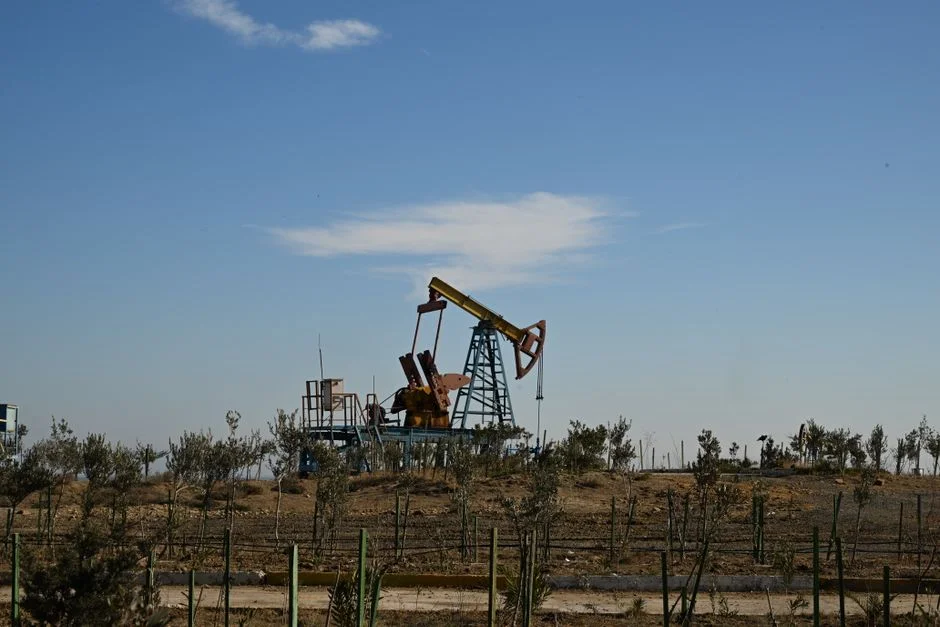
Cooling continuity is a design constraint on the treatment plant, not an operational issue to resolve after commissioning. The complete cooling chemical package must be treated as a compatibility risk. Residual biocides, corrosion inhibitors, scale inhibitors, and dispersants can foul membranes or remain in recovered water. A pilot should therefore test the full chemical program rather than evaluating each chemical independently.
Set cycles of concentration from measured cooling chemistry, heat-transfer conditions, and treatment capability. Selecting the highest nominal value offered by the equipment can increase silica, calcium carbonate, calcium sulfate, corrosion, and biological challenges. The recovered-water decision should answer a specific question: can the treated stream support the selected cooling chemistry without unacceptable scaling, corrosion, or biological growth?
Provide permeate storage, pumping, controls, and interlocks tied to cooling demand. During membrane cleaning, high-blowdown operation, storage depletion, or maintenance shutdown, the system must not compromise cooling continuity. The controls strategy should define the permitted response for each event, including when return to the cooling loop stops, how the high-blowdown mode is initiated, and which duty trains remain available.
Disinfection should be a validated process step where microbial control is required. Do not assume that a residual entering the cooling loop will remain within the required condition after recovery. Evaluate the oxidant, dose, contact, residual, by-products, and compatibility with the cooling chemistry. The chlorine dioxide process is one option to assess, but only after chemistry and safety review.
Representative pilot testing should also record how recovered permeate affects heat-transfer surfaces, biological control, and subsequent blowdown quality. Membrane and RO and UF filter elements should be selected against those results, with cleaning frequency and replacement expectations stated in the commercial offer.
Confirm the Mysuru compliance and disposal route
The supplied research does not establish Mysuru- or Karnataka-specific abstraction, effluent, reuse, or concentrate-disposal limits. Those requirements must be confirmed with the relevant authorities and the receiving-route owner. Foreign discharge benchmarks, including U.S. values, cannot be imported into the Mysuru consent application.
Before freezing the process design, document a destination for every residual stream: partially treated blowdown, RO concentrate, sludge, and solids from advanced treatment. For each route, define the receiving system, applicable conditions, operating responsibility, and contingency if the route becomes unavailable. A technically suitable train has little commercial value if its concentrate or discharge route cannot be secured.
Request current local abstraction charges, wastewater tariffs, permit conditions, disposal fees, and vendor quotations. Do not transfer U.S. treatment costs or discharge fees into a Mysuru budget. The Mumbai data center cooling blowdown treatment guide offers a useful India-oriented comparison, but it does not replace confirmation of the current Karnataka requirements.
Approval-route risk belongs in the bid comparison. Each bidder should identify the permits and approvals assumed, the evidence required, and the interface with any sewer, surface-water, or managed-brine receiving route. Where a discharge is contemplated, the consent conditions should be matched to the proposed treatment performance rather than used to justify an assumed treatment envelope.
The Delhi effluent treatment engineering guide can support the structure of a local approval review, but jurisdiction-specific assumptions must be discarded unless confirmed for Mysuru.
Turn the engineering basis into a vendor-ready procurement package
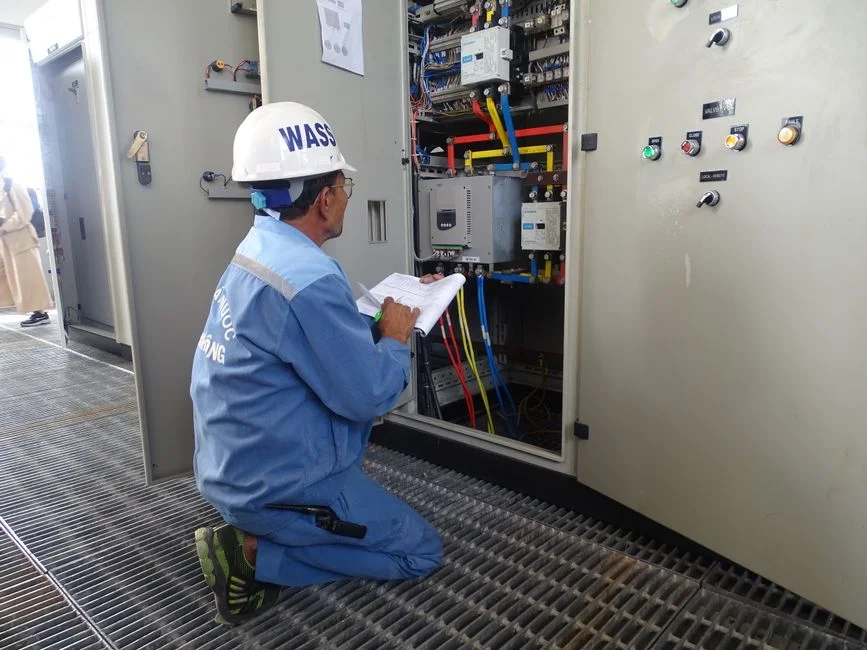
Issue the request for quotation from measured peak and average flows, source analyses, operating hours, recovery basis, reuse destination, concentrate route, available energy, redundancy, and current local utility and disposal charges. State which values are measured design data and which are commercial benchmarks. This prevents a supplier from sizing the project around generic product capacity or a borrowed water balance.
Require each bidder to submit its feed characterization, representative pilot evidence, water balance, permeate-quality guarantees, membrane data, cleaning expectations, redundancy details, control interlocks, chemical-compatibility evidence, and O&M support plan. The recovery guarantee must identify the recovery basis and the operating conditions on which it applies. A nominal system recovery without defined feed chemistry is not an enforceable site guarantee.
Compare lifecycle energy, membrane replacement, chemicals, sludge or brine handling, operator labor, and disposal—not equipment purchase price alone. Ask the bidder to separate equipment, membranes, pretreatment, chemical dosing, storage, installation, power backup, controls, commissioning, labor, replacement consumables, and lifecycle energy. This structure allows the evaluation team to compare otherwise similar bids on complete operating obligations.
Require an availability assumption and a fail-safe response for membrane cleaning, high-blowdown mode, storage depletion, and maintenance shutdown. Ask how the proposed plant preserves cooling continuity under each condition and who owns the final responsibility for that interface. Include local O&M coverage, spare-parts planning, operator competency, and response time in the technical and commercial evaluation.
The quotation and approval logic can be consolidated into a sequence:
- Measure and sample every source stream.
- Reconcile the site water balance and cooling cycles of concentration.
- Select treatment trains and residual routes for each stream.
- Complete representative pilot and chemical-compatibility testing.
- Confirm the Mysuru approval and disposal pathway.
- Compare lifecycle cost, guarantees, redundancy, and fail-safe cooling integration.
The hybrid zero-liquid-discharge resource-recovery framework can inform contingency analysis, but its financial and recovery claims should not be inserted into the Mysuru business case without the required site and local-cost inputs.
Frequently Asked Questions
Should a Mysuru data center size one treatment plant using total site water use?
No. First size the cooling-blowdown train from the measured peak blowdown and recovery scenario, then provide equalization for batch and emergency flows. Domestic sewage, washdown, RO concentrate, and episodic process streams need separate flow bases and treatment criteria. A single total-site-water number can conceal the hydraulic peak, chemical incompatibility, and residual-stream volumes that actually govern equipment selection.
When is a lower-cost conventional RO skid preferable to a high-recovery system?
Conventional RO may be appropriate when representative Mysuru feed chemistry, pilot recovery, concentrate composition, and the approved disposal route support the selected performance. A high-recovery system needs evidence that its additional recovery justifies the added energy, chemical control, equipment complexity, and solids handling. Require bidders to price these life-cycle differences and provide enforceable recovery and permeate-quality guarantees; do not accept literature recovery as a substitute.
Which checks should an engineering team use to select a treatment supplier?
Check representative pilot data, membrane-compatible pretreatment, compatibility with the complete cooling chemical program, enforceable performance guarantees, cleaning plans, redundancy, fail-safe controls, and local O&M support. The commercial response should also show how the system preserves cooling continuity during membrane cleaning, high-blowdown mode, storage depletion, and maintenance shutdown.
Can published recovery benchmarks be used for the Mysuru design and consent application?
No. Genesis’s 75–80% conventional brackish-RO figure and IDE’s around 95% industrial-desalter result describe different applications and conditions. They are screening references, not guaranteed Mysuru performance. The project needs representative pilot results, measured feed chemistry, a site water balance, and an enforceable guarantee. Mysuru abstraction, discharge, reuse, and concentrate-handling requirements must also be confirmed locally because the supplied sources do not establish the applicable legal limits.
Related Equipment
- industrial reverse osmosis system for blowdown reuse — specifications, capacity range, and technical data