
How MBR and Conventional Activated Sludge Differ
A membrane bioreactor combines activated-sludge biology with membrane filtration, retaining biomass and solids in the reactor through membrane separation rather than relying only on gravity settling. Conventional activated sludge uses biological treatment followed by clarification, with final effluent quality dependent on settling and any downstream filtration or disinfection. Both systems may require equalization, pH control, toxicity management, and contaminant-specific treatment before biology can operate effectively. An integrated MBR membrane bioreactor system illustrates a catalog process flow of biological treatment, submerged PVDF membrane filtration, and a solids-retention stage; those catalog specifications are not independently validated field-performance results for a North Little Rock mining or metals facility.
Mining and Metals Wastewater Changes the Decision
Mining and metals wastewater requires characterization by its variability, chemistry, and receiving or reuse route before either biological architecture is selected. Request flow data across operating conditions; pH; suspended and settleable solids; metals; hardness; acidity or alkalinity; toxicity; and organic contamination. Without that record, a bidder cannot distinguish a biological removal problem from a precipitation, filtration, or polishing problem. The project team should also establish whether the objective is a new discharge, closed-loop reuse, or an upgrade to an existing pretreatment train.
Upstream requirements may include flow equalization, screening, grit removal, pH adjustment, and contaminant-specific solids removal. A rotary mechanical bar screen can address gross solids at the headworks, while an automatic chemical dosing system may support pH control; neither establishes treatment performance for the site stream. MBR membrane separation improves biological solids separation, but it does not by itself establish dissolved-metals removal or permit compliance. Particulate metals may be removed with the captured solids, while dissolved metals require a separately validated treatment step.
| Design input | Why it affects treatment selection | Information required from the site or bidders |
|---|---|---|
| Flow variability and batch discharges | Determines equalization, biological loading, membrane-flow control, and redundancy needs. | Flow duration, maximum flow, recurring discharge profile, and upset conditions. |
| pH, metals, hardness, toxicity, and organic load | Determines pretreatment, biological inhibition limits, and downstream polishing needs. | Site characterization and confirmation that proposed chemistry remains within the biological process envelope. |
| Discharge or reuse route | Sets the required evidence, treatment objectives, and sampling basis. | Applicable permit, pretreatment requirements, reuse specification, and receiving conditions. |
| Land, staffing, and operating model | Influences the balance between membrane capital requirements and conventional treatment simplicity. | Available footprint, operator competence, maintenance access, and remote-support expectations. |
Effluent Quality, Solids Separation, and Reuse
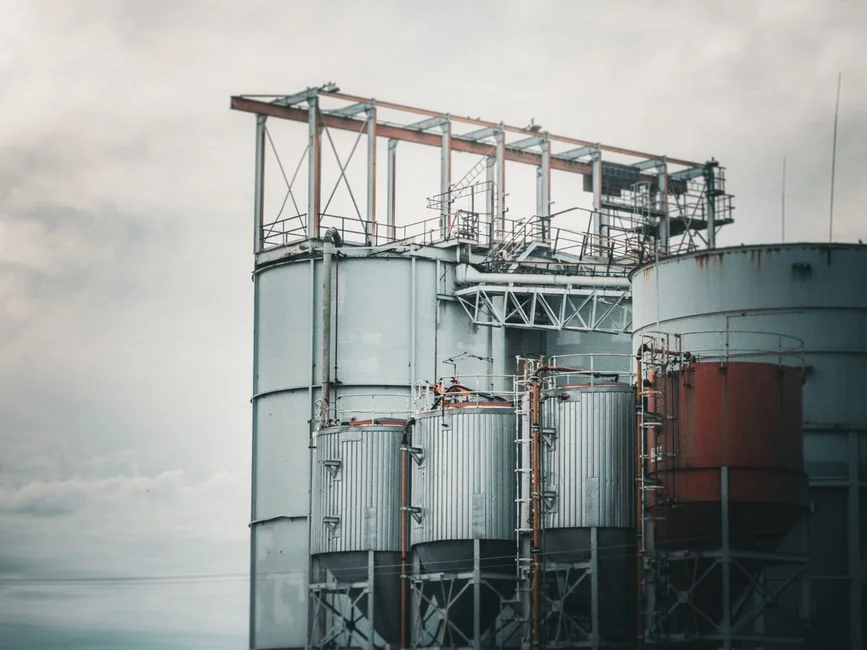
The University of Manitoba pilot showed strong MBR effluent quality under a defined municipal community test, but its results cannot be transferred directly to mining and metals wastewater. During Phase I, the MBR operated at a 20-day SRT and 10-hour HRT and produced BOD below 6 mg/L, TSS below 5 mg/L, and TKN of 1.3 mg/L. In the same Phase I comparison, the community’s SBR with sand filter produced BOD of 30.3 mg/L, TSS of 27.5 mg/L, and TKN of 8.4 mg/L. The source reports that the MBR outperformed the SBR/sand-filter combination in every tested category despite mechanical and electrical failures that caused biomass loss (University of Manitoba, 2006).
| University of Manitoba Phase I result | MBR | SBR with sand filter |
|---|---|---|
| Operating conditions | 20-day SRT; 10-hour HRT | Existing community system |
| BOD | <6 mg/L | 30.3 mg/L |
| TSS | <5 mg/L | 27.5 mg/L |
| TKN | 1.3 mg/L | 8.4 mg/L |
For industrial wastewater reuse, membrane separation can reduce dependence on gravity clarification and provide a solids-controlled stream for subsequent polishing. It does not remove every dissolved contaminant. Dissolved metals, scaling constituents, salinity, and other specified contaminants may require precipitation, reverse osmosis, ion exchange, or another process. An industrial reverse osmosis system should therefore be selected from the target water chemistry and recovery requirement, not from the MBR label alone.
The same University of Manitoba study also identifies a sampling and integrity lesson. In Phase II, the 0.034 μm membrane system produced higher coliform and TSS results than in Phase I; the source identified possible membrane compromise, faulty sampling, or downstream biological regrowth as possible causes and noted that tertiary disinfection might be needed (University of Manitoba, 2006). A membrane therefore does not replace sample integrity controls or any required disinfection. Buyers should define membrane-cleaning acceptance, integrity checks, and the sampling locations used to demonstrate compliance.
Footprint, Energy, Maintenance, and Reliability
Membrane selection creates additional operating interfaces that conventional activated sludge does not have, including membrane fouling monitoring, cleaning, and integrity management. The HydropureWater verified product catalog reports filtration below 1 μm, a footprint 60% smaller than conventional systems, and capacities from 10 to 2,000 m³/day for its integrated MBR system. These are supplier specifications, not demonstrated North Little Rock operating results, and they should be matched to site flow, pretreatment, reuse objectives, and space constraints.
The DF flat-sheet module provides a different commercial comparison point. Its catalog specifications list a 0.1 μm pore size, 80–225 m² configurations, 32–135 m³/day output, and energy consumption 10–20× lower than external cross-flow systems. Product data require project-specific validation: nominal membrane area and output do not establish sustainable flux, cleaning frequency, membrane life, or net energy use at the actual wastewater composition. These differences should appear as measured acceptance items in the pilot and as priced line items in the bid.
| Comparison item | Conventional activated sludge | MBR |
|---|---|---|
| Core equipment and controls | Mixing, aeration, biological reactor, clarifier, recycle and sludge wasting. | Biological reactor, membrane modules, membrane permeate withdrawal, aeration, controls, and solids-retention arrangement. |
| Primary operating concern | Aeration control, settling, sludge inventory, and clarification performance. | All conventional biological duties plus membrane fouling, scaling, cleaning, and integrity management. |
| Failure exposure to address | Clarifier carryover, biological upset, aeration or pumping failure, and sludge handling constraints. | Loss of membrane capacity, fouling or scaling, mechanical failure, biological upset, and cleaning-related downtime. |
| Bid evidence required | Clarifier design, aeration and pumping redundancy, sludge strategy, and lifecycle operating costs. | Module isolation, aeration and pumping backups, cleaning strategy, spares, monitoring, warranty scope, and loss-of-capacity response time. |
Conventional activated sludge depends on mixing, aeration, settling, sludge wasting, and clarification performance. An MBR retains those biological duties and adds membrane-cleaning chemicals, replacement elements, controls, and specialist maintenance. The supplied research does not provide mining-site cleaning frequency, membrane life, or energy demand, so bidders should not substitute generic MBR figures for site evidence. A project should also request membrane and filter-element replacement scope, including lead time and compatibility responsibilities.
Which Treatment Train Fits the Site?
Choose MBR when compactness, robust solids separation, reuse potential, or stringent effluent consistency justify the additional membrane capital and maintenance demands. Choose conventional activated sludge when flow is stable, land is available, the treatment objective is primarily bulk organic and solids removal, and operating simplicity is more valuable than membrane-specific benefits. Neither choice should be made from a generic flow figure or from the filtration rating of a proposed polishing system.
A hybrid train may be the more defensible answer for mining and metals wastewater. Equalization and chemical precipitation can address variable pH, suspended solids, or particulate metals, while biological treatment or membrane separation performs final polishing. The industrial ultrafiltration system should be assessed only after the target contaminant, required flux or pressure, pretreatment need, and recovery requirement are defined. A finer nominal rating does not establish effective metals removal, reuse suitability, or lower lifecycle cost.
| Selection factor | Evidence to compare | Decision implication |
|---|---|---|
| Wastewater variability and pH | Characterization across normal, peak, batch, and upset conditions. | Supports equalization and pH-control scope before biological or membrane selection. |
| Metals and dissolved contaminants | Separate particulate and dissolved results, with toxicity and scaling indicators. | Prevents MBR or biological performance from being mistaken for metals removal. |
| Land and reuse objective | Available footprint, reuse specification, and required polishing steps. | Distinguishes a compact solids-separation solution from a conventional biological train. |
| Discharge route | Permit, pretreatment requirements, and receiving conditions. | Sets the enforceable performance and sampling basis. |
| Operator capability and reliability | Staffing, maintenance plan, backups, spares, controls, and response times. | Tests whether the selected architecture can be sustained in operation. |
| Lifecycle cost | Comparable capital, energy, chemicals, cleaning, labor, sludge, and replacement assumptions. | Prevents membrane capital or conventional operating simplicity from being evaluated in isolation. |
Pilot Testing, Cost Comparison, and Vendor Due Diligence
A defensible procurement sequence begins with site-representative testing, not a brochure comparison. The pilot should cover expected flow and chemistry variation and include startup, steady-state operation, upset conditions, fouling development, membrane cleaning, and recovery testing. Analytical monitoring should follow the permit or reuse specification, with acceptance values left undefined until those project requirements are issued. A bidder should demonstrate how the proposed train performs through variable flow, pH excursions, solids loading, and relevant metal conditions rather than relying only on municipal evidence.
The pilot must also test the consequences of cleaning. Operators need a defined method for deciding when cleaning is required, what condition triggers acceptance after cleaning, how recovery is measured, and what happens when membrane capacity is lost. A plate frame filter press may support residual-solids handling, while a high-efficiency sedimentation tank may be relevant to solids pretreatment; each remains a candidate item subject to wastewater chemistry and pilot results.
| Procurement package | Items each bidder must provide | Buyer check |
|---|---|---|
| Performance basis | Applicable permit or reuse limits, analytical methods, sampling points, test duration, and performance guarantees. | Confirm that guarantees are measurable and tied to the governing requirement. |
| Pilot protocol | Flow and chemistry matrix, startup, steady state, upset, fouling, cleaning, and recovery tests. | Reject results based only on clean-water or ideal-feed testing. |
| Total cost | Equipment, civil work, membranes, aeration, pumping, chemicals, energy, sludge, cleaning, labor, spares, and disposal. | Normalize exclusions, replacement intervals, escalation, and disposal assumptions. |
| Supplier commitment | Warranty scope, controls, remote monitoring, spare-parts lead time, service response, and failure-response time. | Make each commitment measurable in the contract. |
| Evidence status | Separation of municipal pilot data, catalog specifications, and project-specific test results. | Do not convert supplier specifications or municipal evidence into a binding North Little Rock guarantee. |
The University of Manitoba results are municipal pilot evidence, while HydropureWater specifications are commercial catalog data. Neither substitutes for a North Little Rock mining/metals pilot or a binding project guarantee. The related MBR cost per m3 guide can support bid-document preparation, but validated site-specific cost inputs are still required. For another location, the mining-wastewater MBR comparison for another US location illustrates how site conditions must shape the decision rather than dictate a universal process.
Frequently Asked Questions
What will
Frequently Asked Questions
Is MBR better than conventional activated sludge for mining and metals wastewater?
MBR (Membrane Bioreactor) is generally superior for mining applications because it achieves superior effluent quality by eliminating the need for secondary clarifiers, which are prone to sludge bulking and settling issues common in industrial wastewater. MBR systems operate at higher Mixed Liquor Suspended Solids (MLSS) concentrations, typically 8,000 to 15,000 mg/L, compared to 2,000 to 4,000 mg/L in conventional activated sludge, allowing for a smaller physical footprint and better resilience against the variable organic loads often found in mine drainage.
How much does an MBR cost compared with activated sludge for a mine wastewater plant?
While MBR systems typically incur 20% to 40% higher capital expenditure (CAPEX) due to the cost of membrane modules and sophisticated aeration control systems, they often provide lower long-term operational costs when discharge regulations are strict. Operational expenditure (OPEX) for MBRs is driven by energy consumption for membrane scouring, which ranges from 0.3 to 0.8 kWh/m³ of treated water, compared to significantly lower energy requirements for conventional gravity-based clarification systems.
What flow rate can an MBR handle, and how should the system be sized?
MBR systems are highly scalable, ranging from small modular units handling 50 m³/day for remote mining camps to large-scale plants exceeding 20,000 m³/day for primary process water treatment. Systems should be sized based on the Net Flux rate, typically ranging from 15 to 25 LMH (liters per square meter per hour), while accounting for a 15% to 20% safety factor to accommodate peak hydraulic loads and potential membrane fouling cycles during seasonal variability.
Which questions should I ask an MBR supplier before approving a bid?
You should request the specific membrane life expectancy guarantee, typically 5 to 8 years, and the projected chemical cleaning frequency (CIP). It is critical to ask for the guaranteed flux rate under the specific wastewater chemistry of your site, the power consumption per cubic meter of permeate produced, and the supplier's history of providing on-site technical support for membrane integrity testing in remote mining environments.
Does an MBR remove heavy metals and meet discharge limits automatically?
An MBR does not remove heavy metals automatically; while it effectively removes metals associated with suspended solids through physical filtration, soluble metals require pre-treatment such as pH adjustment, chemical precipitation, or ion exchange before the biological process. While MBRs consistently meet stringent BOD (<5 mg/L) and TSS (<1 mg/L) limits, the removal of dissolved heavy metals to meet regulatory discharge standards depends entirely on the efficacy of the upstream chemical conditioning and precipitation stages.