What Bradford mining operators need to compare
For mining and metals wastewater in Bradford, United States, MBR is usually the stronger choice when a plant needs compact equipment, consistently low suspended solids, and permeate suitable for downstream reuse or polishing. Conventional activated sludge may cost less initially and be easier to expand with familiar staff, but it typically needs more footprint and does not remove dissolved metals by itself. Neither system should receive untreated, variable metal-bearing wastewater without characterization. Heavy metals may require precipitation, adsorption, ion exchange, or a hybrid membrane step before biological treatment, while MBR energy and fouling must be evaluated against the actual flow and loading.
The purchase decision is therefore not simply “MBR or conventional activated sludge.” It is a choice among a lower-complexity suspended-growth plant, a membrane-based clarifier and biological system, or a hybrid train with dedicated metal control. Bradford industrial wastewater suitability depends on flow variability, pH, salinity, temperature, suspended solids, organic loading, metal species, toxicity, discharge or reuse targets, footprint, and operator capability.
The scope of the npj Clean Water review is broader than mining: industrial wastewater may contain high organic strength, non-neutral pH, variable temperature, salinity, turbidity, and heavy metals. No supplied source establishes a universal MBR or CAS choice for Bradford. The defensible route is to characterize the site wastewater, test the proposed train, and then compare equipment against the permit or reuse specification. The 2026 heavy-metal removal process guide provides a useful pretreatment reference, but it does not replace site data.
How each system removes contaminants
Conventional activated sludge is a suspended-growth biological process followed by clarification: microorganisms degrade biodegradable organics, and a clarifier separates the resulting biomass and settled solids from the treated liquid. A membrane bioreactor retains the activated-sludge biology and replaces the clarifier with membrane separation. The integrated submerged-PVDF MBR treatment system combines those functions and specifies filtration below 1 μm.
This distinction matters because suspended solids and particulate pollutants are physically separated more readily than dissolved metals. Biological degradation does not, by itself, constitute a dissolved-metal removal mechanism. A membrane’s pore size is also not a universal guarantee of metal rejection: dissolved ionic species can pass through a membrane unless the process includes suitable chemistry, adsorption, complexation, or another dedicated removal mechanism.
| Separation function | Pore-size classification reported by npj Clean Water (2022) | Primary contribution in a treatment train |
|---|---|---|
| Microfiltration | 100–1,000 nm | Separates suspended solids and larger particulates |
| Ultrafiltration | 5–100 nm | Separates colloids, suspended material, and many microorganisms |
| Nanofiltration | 1–5 nm | Retains a broader range of dissolved species than UF, subject to solute, membrane, and operating conditions |
| Reverse osmosis | Tight barrier used for dissolved-solute separation | Requires a controlled, high-quality feed and concentrates the rejected stream |
Those classifications come from npj Clean Water’s 2022 review, Recent developments in hazardous pollutants removal from wastewater and water reuse within a circular economy. The below-1 μm threshold attached to the integrated MBR is a product specification, not a general effluent-quality guarantee. For a Bradford plant, the expected suspended-solids separation should be distinguished from dissolved-metal treatment in the purchase specification.
Mining and metals wastewater: the pretreatment question comes first
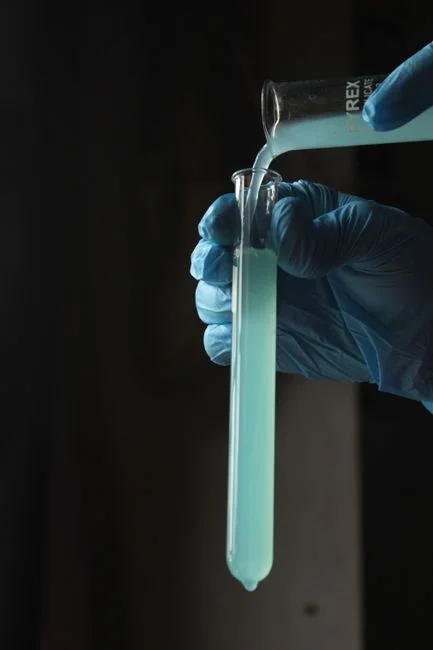
Metal-bearing wastewater must be characterized before a biological reactor or membrane system is selected. Request flow and diurnal variation, pH, temperature, conductivity, TSS, COD or TOC, nutrients, toxicity, and metals by species and concentration. Batch dumps, slug loads, and variable metal concentrations should be recorded as design cases, not smoothed into an average.
The npj Clean Water review identifies chemical precipitation, flotation, and ion exchange as conventional heavy-metal treatment options, while noting limitations including low removal efficiency in some cases, high energy consumption, and toxic-sludge generation. These limitations vary by process and waste; they do not justify assuming that one method will meet every Bradford site. The practical sequence is to establish the metal species, pH relationship, flow profile, and target concentration before selecting precipitation, adsorption, flotation, ion exchange, or a combined process.
| Available evidence | Result and exact scope | What it means for selection |
|---|---|---|
| Adsorption plus UF | 10 g/L vermiculite at pH 8 produced more than 99% removal of Pb²⁺, Ni²⁺, Cu²⁺, and Zn²⁺ in an industrial-wastewater study reported by npj Clean Water (2022) | A hybrid process can be considered when water analysis supports the tested chemistry; the result is not a Bradford mining design guarantee |
| UF alone | Removed 59.4–78.3% of Cu²⁺ in an activated-sludge-permeate study reported by npj Clean Water (2022) | Solids separation and dissolved-metal rejection should not be treated as equivalent objectives |
| RO on synthetic wastewater | Removed 98% of Cu²⁺ and 99% of Cd²⁺ | Tight membranes can provide substantial metal removal under the tested synthetic conditions; feed chemistry and concentrate handling still require design |
| NF on synthetic wastewater | Removed approximately 90% of both Cu²⁺ and Cd²⁺ | NF may be considered as polishing when its performance and operating requirements are verified for the actual stream |
pH adjustment, equalization, solids removal, and toxicity control should precede biological treatment when the stream is variable or inhibitory. For solids, oil, and colloidal loads, DAF pretreatment for suspended solids and colloids is an option to evaluate. For reagent-intensive conditions, automatic chemical dosing for pH and metal pretreatment should be sized from water analysis, not a generic dose. If a tighter membrane barrier is justified, the UF polishing or pretreatment system should be evaluated as part of the whole train rather than as a substitute for chemistry and solids management.
MBR versus conventional activated sludge for Bradford
MBR is the stronger choice when low suspended solids, compact equipment, reuse, or a high-quality intermediate stream has measurable value. Conventional activated sludge is often the stronger choice when land is available, the feed is well characterized and biologically compatible, capital is constrained, and operators already understand settling, aeration, and sludge handling. Neither choice removes the need for heavy-metal pretreatment.
| Decision factor | Membrane bioreactor | Conventional activated sludge |
|---|---|---|
| Solids separation | Membrane separation provides strong control of suspended solids without a clarifier | Depends on clarifier design, floc properties, sludge inventory, and operating control |
| Footprint | HydropureWater’s verified catalog specifies 60% less footprint than conventional systems | Usually requires separate aeration, reactor, and clarification areas |
| Biological retention control | Supports explicit SRT control through biomass inventory and wasting | Also permits SRT control, but clarifier and settling performance affect the available inventory |
| Downstream polishing | Produces a lower-solids intermediate that may simplify reuse treatment | May require more solids removal before sensitive polishing steps |
| Mechanical complexity | Adds membranes, controls, air scour, pumping, cleaning, and replacement requirements | Uses more familiar basin, aeration, pump, and clarifier equipment |
| Operating energy | Includes membrane filtration, cake scouring, pumping, and aeration demands | Primarily aeration and pumping, with no membrane system in the biological stage |
| Sludge handling | Retains solids in the reactor and requires a defined wasting and disposal route | Produces waste sludge from biological wasting and clarifier solids |
| Expansion and staffing | Modular, but requires membrane specialists or trained operators | Often easier to expand and staff with conventional process experience |
The 60% footprint reduction and 10–2,000 m³/day coverage are product specifications in the HydropureWater verified catalog, not Bradford field measurements. A smaller bioreactor does not automatically reduce total site area once equalization, pretreatment, chemical storage, residual polishing, and sludge handling are included.
Evidence from real textile wastewater must also be used within its scope. A 2024 high-rate MBR study reported COD removal of 86–92% at SRTs between 2 and 5 days and identified membrane fouling as the most limiting disadvantage. It also noted higher oxygen demand at long SRTs and energy requirements for membrane filtration and cake scouring. Because textile wastewater is not mining wastewater, these results support the comparison of fouling and energy mechanisms but do not establish Bradford design values. The mining-wastewater MBR versus CAS comparison provides a useful decision framework, but site testing remains necessary.
Size the biological and membrane stages separately

A quotation based only on average flow is incomplete because biological loading and membrane capacity respond to different constraints. Required inputs include average and peak flow, hydraulic and contaminant loading, selected sludge retention time (SRT) and hydraulic retention time (HRT), mixed-liquor suspended solids, temperature and pH range, metal-toxicity limits, membrane flux, and operating redundancy.
The 2024 high-rate MBR study operated real textile wastewater at SRTs of 0.5–5 days, HRTs of 1.2–24 hours, and SRT/HRT ratios of 5, 10, and 20. That tested envelope shows why the two retention times must be engineered together rather than selected independently. It does not supply a mining-wastewater design: textile COD, color, temperature, conductivity, toxicity, and fouling behavior may differ materially from a Bradford mine or metals-process stream.
| Sizing input | Why it is required | Buyer or bidder deliverable |
|---|---|---|
| Flow profile | Determines equalization, instantaneous hydraulic demand, and batch-dump handling | Daily flow record plus peak and batch-case data |
| Contaminant loading | Connects flow and concentration to biological capacity and residual loads | COD or TOC, TSS, nutrients, and metal loading calculations |
| SRT and HRT | Controls biomass inventory, processing time, and separation behavior | Selected values with mass-balance and equipment calculations |
| Mixed-liquor conditions | Controls flux, resistance, and fouling tendency | MLSS, viscosity, soluble microbial products, and relevant wastewater chemistry |
| Membrane configuration | Links installed area to permeate production and peak loading | Design flux, peak flux, area, cleaning method, recovery, and redundancy |
| Operating cases | Tests whether average-flow sizing survives adverse operations | Normal, peak, upset, startup, shutdown, and maintenance cases |
Membrane area, permeate production, flux, cleaning frequency, and peak-load capacity must be verified with the actual mixed liquor. Instantaneous flow, batch dumps, and variable metal concentrations should be explicit design cases. A supplier offering a standard module should show how that module behaves under those cases, including membrane and permeate pump constraints. This is where a configured MBR module can be evaluated against the complete biological and pretreatment design, rather than selected by nominal flow alone.
Build a treatment train that reduces membrane fouling
A defensible mining and metals treatment train normally progresses through screening and equalization, pH or toxicity control, removal of solids, oil, or colloids where needed, metal-specific pretreatment, biological treatment, membrane separation, residual polishing, and sludge management. The order is not universal, but it reflects the need to protect biomass activity and membrane performance from variable upstream loads.
The 2024 MBR study identifies wastewater characteristics, SRT, HRT, biomass concentration, viscosity, and microbial products as factors affecting fouling. Each should therefore be addressed in design and pilot work. The study also notes that the presence of extracellular polymeric substances and soluble microbial products matters, so a supplier’s cleaning frequency cannot be transferred reliably from another feed without confirmation.
DAF can be considered for suspended solids, oil and grease, and colloidal material before biological treatment or membrane separation. Chemical dosing may be required for pH adjustment, coagulation, flocculation, precipitation, or specialist treatment, but dosage must follow jar or pilot testing. The DAF pretreatment option and automatic chemical dosing system should therefore be specified by function and verified with actual wastewater.
Sludge is part of the MBR decision, not an afterthought. Biological solids, membrane-retained solids, and metal-bearing precipitates may require different disposal routes. The npj Clean Water review identifies toxic-sludge generation as a potential drawback of conventional heavy-metal treatment. The owner should therefore compare waste classification, dewatering, storage, transport, and final destination before selecting the process. A plate-and-frame filter press can be evaluated for dewatering, but the selected solids-conditioning route must match the sludge chemistry.
Compare lifecycle costs without false precision

Neither an MBR purchase price nor a generic cost per cubic metre is sufficient for a Bradford project. The comparison should use five cost groups populated from site data and supplier quotations. The 2026 MBR cost-per-m³ guide provides the next modeling step, not a substitute for local costing.
| Cost group | Conventional activated sludge | MBR |
|---|---|---|
| 1. Pretreatment | pH control, equalization, aeration, clarification, and feed conditioning | pH and toxicity control, solids removal, metal control, equalization, and feed conditioning |
| 2. Reactor and membrane equipment | Basins, aeration equipment, clarifier, pumps, and controls | Bioreactor, membrane modules, pumps, air scour, controls, and related equipment |
| 3. Civil and installation | Larger process footprint, foundations, access, and utility connections | More compact reactor arrangement, but equalization, pretreatment, chemical storage, and sludge areas still require space |
| 4. Energy, chemicals, and labor | Aeration, pumping, chemicals, monitoring, and conventional maintenance | Adds membrane cleaning, air scour, pumping, replacement planning, specialist labor, and standby-capacity obligations |
| 5. Sludge and residual management | Sludge production, withdrawal, thickening, storage, transport, and disposal | Includes biological sludge plus membrane-retention solids and any pretreatment residues |
For either option, include equalization, chemical storage, analytical monitoring, odor control where relevant, redundancy, residual polishing, and future expansion. MBR quotations should disclose membrane replacement assumptions, cleaning frequency, chemical consumption, air scour, recovery, and standby assumptions. CAS quotations should disclose aeration, clarifier loading, sludge production, and expansion provisions.
The request for quotation should include design flow, peak flow, wastewater analysis, target effluent, reuse demand, available footprint, power cost, chemical cost, sludge route, and expected operating hours. No supplied source establishes a defensible local price for a Bradford mining or metals train, so any number presented without those inputs would be false precision.
Choose, pilot, and procure with fewer project risks
The safest selection sequence has three stages: characterize the feed, compare the candidate trains in bench or pilot work with actual wastewater, and issue performance-based bids tied to a defined influent and effluent envelope. The permit or reuse specification should be included before vendors finalize equipment guarantees.
MBR bidders should state membrane material, filtration threshold or pore size, design and peak flux, cleaning method, chemical use, replacement assumptions, recovery, and redundancy. CAS bidders should state SRT, HRT, clarifier design, aeration, sludge production and withdrawal, odor controls, and treatment capacity at peak loading. Both should identify every auxiliary unit and state which performance assumptions depend on upstream pretreatment.
Acceptance criteria should specify the flow basis, analytical methods, sampling points, compliance or reuse targets, availability, recovery, and consequences for missed guarantees. Peak, batch, upset, startup, shutdown, and maintenance cases should be included rather than relying on a daily average.
The final decision rule is conditional. Choose MBR where compact equipment, low suspended solids, reuse enabling, or a high-quality intermediate stream creates more value than the added mechanical and operating burden. Choose conventional activated sludge where land is available, biology can be kept stable, the feed is well characterized, capital is constrained, and familiar operating skills carry greater value. Neither conclusion should be made before the metal-toxicity and pretreatment questions are resolved.
Frequently Asked Questions
How much does MBR cost compared with conventional activated sludge for mining and metals wastewater?
There is no defensible local price without a wastewater analysis, flow profile, treatment target, and supplier quotation. Compare five cost groups: pretreatment; reactor and membrane equipment; civil and installation; energy, chemicals, and labor; and sludge disposal or reuse. MBR quotations should also disclose membrane replacement, cleaning, air scour, pumping, controls, and standby capacity.
What flow capacity should I specify for a Bradford MBR or activated-sludge quotation?
Average flow alone is inadequate. Provide average and peak flow, hydraulic and contaminant loading, SRT, HRT, mixed-liquor suspended solids, temperature and pH range, metal-toxicity limits, membrane flux, fouling behavior, and redundancy. Batch dumps and variable metal concentrations should be included as explicit design cases.
Which documents should I request before selecting an MBR supplier?
Request membrane material, pore size or filtration threshold, design and peak flux, cleaning method, chemical-use assumptions, recovery, replacement interval assumptions, redundancy, and a performance guarantee tied to the defined influent and effluent envelope. For CAS, request SRT, HRT, clarifier design, aeration, sludge handling, and peak-capacity calculations. Supplier selection should follow a like-for-like technical review, not a capacity or price comparison alone.
Does choosing MBR or CAS guarantee compliance with mining and metals discharge limits?
No. MBR and conventional activated sludge are biological treatment configurations, not universal metals-removal guarantees. Treatment selection must follow the applicable permit or reuse specification, and dissolved metals may require precipitation, adsorption, ion exchange, or tighter membrane treatment. The mining and metals pretreatment comparison reinforces the need to select upstream control before comparing biological reactors.
Related Equipment
- DAF pretreatment for suspended solids and colloids — specifications, capacity range, and technical data