The three-layer compliance stack for a Dade City mining discharge
Mining and metals plants near Dade City, Florida meet sewer pretreatment limits by satisfying three stacked authorities: the federal Mineral Mining and Processing Effluent Guidelines at 40 CFR Part 436 (EPA, 2026-02), an FDEP-issued NPDES permit, and the Pasco County Utilities or City of Dade City industrial pretreatment ordinance. A 2026 treatment train runs equalization, pH correction, coagulation, DAF or lamella clarification, multimedia filtration, and an RO polish that rejects more than 99% of dissolved metals and salts (AMPAC USA, 2025-09). Reuse of the RO permeate can cut freshwater intake 40–60% versus once-through discharge.
The federal floor is 40 CFR Part 436 — the Mineral Mining and Processing Effluent Guidelines and Standards. EPA promulgated 40 CFR Part 436 in 1975 and amended the regulation through 1979; the requirements cover wastewater discharges from mine drainage, mineral processing operations, and stormwater runoff, and the Mineral Mining regulatory requirements are incorporated into NPDES permits (EPA, 2026-02). Several subparts that matter to eastern Pasco County operators — Dimension Stone (Subpart A), Lightweight Aggregates (Subpart H), Lithium (Subpart U), Ball Clay (Subpart AH), Feldspar (Subpart AI), Talc/Steatite/Soapstone/Pyrophyllite (Subpart AJ), and Garnet (Subpart AK) — are reserved, meaning there is no current numeric federal effluent limit for those minerals before the state and local layers apply (EPA, 2026-02).
The Florida layer sits on top: an FDEP-issued NPDES permit and the F.A.C. industrial pretreatment framework — chapter 62-625 for pretreatment and chapter 62-660 for domestic wastewater arrangements — add monitoring, reporting, and limit conditions that stack onto 40 CFR Part 436. The local layer is the Pasco County Utilities industrial pretreatment program or the City of Dade City sewer use ordinance, where the POTW reconciles EPA categorical standards with locally established limits for heavy metals, pH, and TSS before issuing a discharge permit. The operating instruction is direct: pull the latest FDEP NPDES fact sheet and the local POTW ordinance and provide both to the design engineer before unit-operation selection begins. Designing to only one layer is a common compliance error, which the DAF vs clarifier factory selection guide addresses in the parallel Florida context.
What is actually in the wastewater: AMD, process water, and tailings pond effluent
Acid mine drainage is the dominant stream wherever sulfide minerals are disturbed. Oxidation of pyrite and pyrrhotite in waste rock and tailings produces sulfuric acid that leaches Fe, Mn, Cu, Zn, As, and Cd at concentrations exceeding regulatory limits (AMPAC USA, 2025-09). The result is a low-pH, high-metal stream that no POTW will accept without treatment.
Process water from flotation, heap leach, cyanide gold extraction, or chlorination circuits adds process chemicals, reagents, ammonia, chloramines, or cyanide to the AMD load. Tailings pond effluent carries fine solids and residual metals. Dewatering discharge is geology-dependent and may be relatively clean or heavily loaded (AMPAC USA, 2025-09). AMD and process streams together drive the need for pH correction, metals precipitation, and a membrane polish step if salts persist.
Phosphate and sand-and-gravel operations in eastern Pasco County generate less AMD than sulfide-metal mines, but they still face pH excursions, suspended solids, and trace metals that the POTW will not accept without treatment. The trap to avoid is the "one stream fits all" assumption — a copper mine, a coal operation, and a dimension-stone quarry produce fundamentally different wastewaters and cannot share a single default treatment train (AMPAC USA, 2025-09). Operators must characterize each stream individually before consulting a treatment supplier, a logic that also applies to the DAF vs clarifier for Gainesville mining factories comparison.
The 2026 unit-operation sequence that holds up to FDEP and POTW review
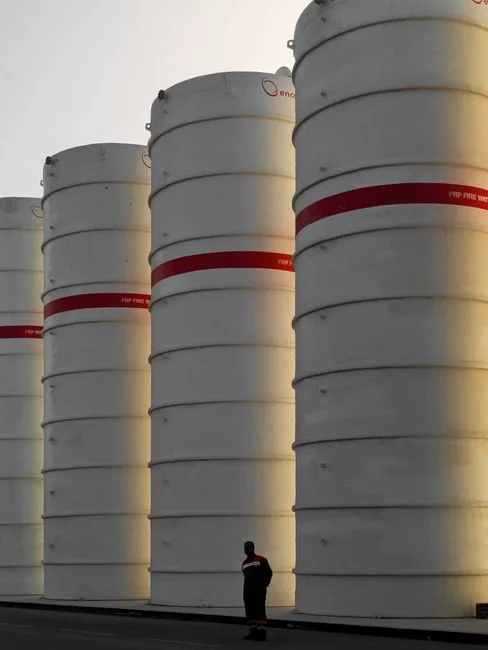
The six steps below mirror the order a Florida supplier would quote, with each step tied to a specific unit operation.
| Step | Unit operation | Basis of design |
|---|---|---|
| 1. Equalization | EQ basin sized to peak anticipated daily discharge | Peak flow, not average, drives pump and chemistry setpoint selection |
| 2. pH correction | PLC-controlled lime and flocculant dosing skid | Lime raise to pH >10 so dissolved metals precipitate as hydroxides and gypsum drops out (PMC review, 2024-02) |
| 3. Coagulation / flocculation | Inline mixers and flocculant dosing matched to floc density | Match coagulant and flocculant to the floc density the next step must handle |
| 4. Solids separation | DAF system for mining wastewater solids separation or lamella clarifier for metal hydroxide sludge | DAF for buoyant floc or oily/floating fines; lamella for sludge volume and footprint |
| 5. Multimedia filtration | Multi-media filter as RO pretreatment | Specify target SDI after the filter, not inlet turbidity |
| 6. Membrane polish | Industrial RO polish for dissolved metals and salts | >99% rejection; 50–70% recovery on AMD feed, 70–85% on a ZLD RO stage (AMPAC USA, 2025-09) |
| 7. Sludge dewatering | Filter press for mining sludge dewatering | Plate-and-frame sized to cake volume from chemical precipitation |
Step 1 is the equalization basin, sized to the highest anticipated daily discharge to ensure pump selection and chemistry setpoints align with peak flow. Step 2 is pH correction with a PLC-controlled lime and flocculant dosing skid; lime raised to pH greater than 10 before thickening allows dissolved metals to precipitate as hydroxides and gypsum to drop out (PMC review, 2024-02). Step 3 involves inline mixers and flocculant dosing matched to the specific floc density. Step 4 uses a DAF system for mining wastewater solids separation for buoyant floc or oily fines, or a lamella clarifier for metal hydroxide sludge when footprint is the constraint. Step 5 is a multi-media filter as RO pretreatment, specified to a target SDI, while Step 6 is an industrial RO polish for dissolved metals and salts, providing greater than 99% rejection. The final step is sludge dewatering with a filter press for mining sludge dewatering sized to the chemical precipitation cake volume. This sequence is documented in the Tenino mining pretreatment 2026 compliance guide.
DAF or lamella: which clarifier does a Dade City mining site actually need
The decision is influent-driven rather than supplier-driven. DAF is the right pick when the influent carries oils, floating fines, or buoyant floc, or when air-to-solids ratio and polymer compatibility can be tuned for high overflow rate. Lamella is the right pick when sludge volume, footprint, and heavy metal-hydroxide floc dominate and there is no oil or buoyant load (Fluence, S5). For a typical Florida sand-and-gravel or aggregate washing operation, lamella is usually the right fit; for an oily process line or a heap-leach overflow with surfactants, DAF is the safer option. Engineering best practice is to run jar tests on the actual influent to determine the unit operation based on floc density.
| Criterion | DAF system | Lamella clarifier |
|---|---|---|
| Floc character | Buoyant floc; oil or floating fines present | Heavy metal-hydroxide floc; no oil loading |
| Key design variable | Air-to-solids ratio; polymer compatibility | Plate spacing; underflow solids |
| Footprint / sludge volume | Larger footprint, lower sludge volume | Smaller footprint, handles higher sludge volume |
| Best fit in Florida | Heap-leach overflow, oily process line, surfactant-bearing effluent | Sand-and-gravel wash water, aggregate washing, phosphate rinse |
The comparison above resolves the "depends on the floc" requirement. This selection logic is covered in depth in the DAF vs clarifier factory selection guide and the DAF vs clarifier for Gainesville mining factories page, which frame the question for other Florida jurisdictions.
Reuse economics: where the compliance spend pays back
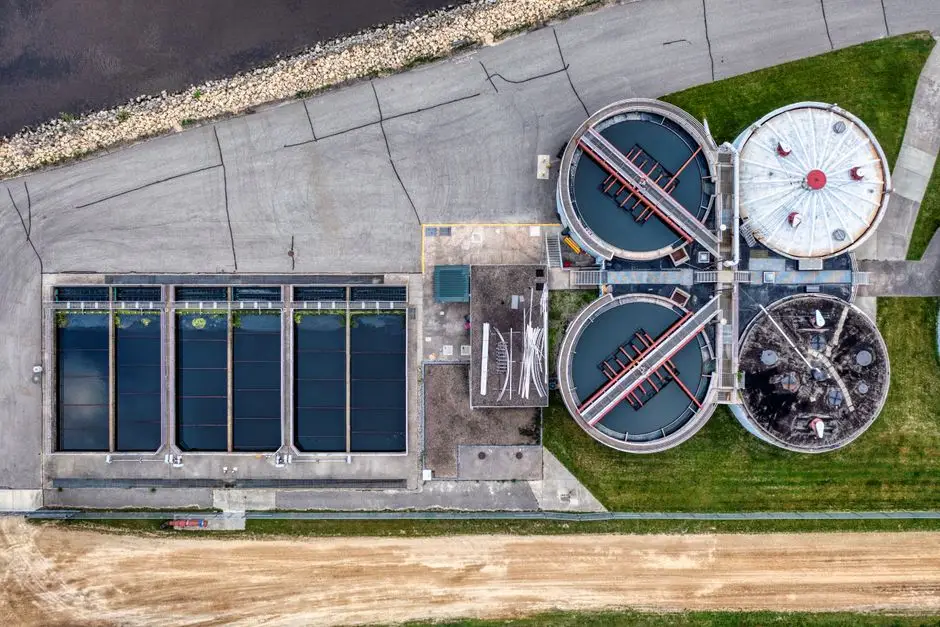
RO reuse can cut freshwater intake 40–60% versus once-through discharge for mines operating in water-stressed catchments (AMPAC USA, 2025-09). Monetizing the compliance investment occurs by reducing the cubic meters required for discharge or freshwater withdrawal. RO handles bulk water recovery — 70–85% in a ZLD stage — before energy-intensive thermal stages handle the concentrate.
Buyers should request a recovery curve from suppliers rather than a nameplate number, as recovery on AMD feed drops to 50–70% (AMPAC USA, 2025-09). For a small Dade City / Pasco operation, the operating logic is to reuse as much as economics allow and polish the rest to sewer quality, typically packaged as a single integrated water purification skid to share control systems and footprint.
What to put in a 2026 RFQ so quotes are actually comparable
The buyer must supply the basis of design before any supplier can return a defensible quotation. Minimum inputs include peak and average flow in m³/h, influent pH, a metal profile from representative sampling, local POTW discharge limits, and the desired RO recovery percentage. The acceptance check on the quote is to confirm the scope ties the chemistry dosing skid, the PLC/HMI controls, and the membrane skid into one integrated system, and that the supplier has installed the same unit operations — DAF or lamella, multi-media filter, RO, and sludge dewatering — at flows similar to the Dade City site. Because price points for a complete pretreatment train are not standardized, buyers must request quotes against their specific basis of design.
Frequently Asked Questions
What capital budget should a small Dade City mining plant plan for a 2026 pretreatment train?
Published price points for a complete pretreatment train are unavailable. The defensible move is to issue an RFQ with the basis of design — peak and average flow, influent pH and metal profile, local POTW limits, and target RO recovery — and request line-item pricing for each of the six unit operations to ensure comparability across suppliers.
Which subpart of 40 CFR Part 436 applies to a sand-and-gravel or dimension-stone operation in Pasco County?
Several subparts relevant to eastern Pasco County — Dimension Stone (Subpart A), Lightweight Aggregates (Subpart H),
Frequently Asked Questions
What discharge limits does the City of Dade City or Pasco County Utilities apply to mining and metals wastewater in 2026?
Discharge limits are governed by the local sewer use ordinance in conjunction with federal categorical pretreatment standards. For mining and metals operations, facilities must typically adhere to local limits for Total Suspended Solids (TSS) often capped at 300 mg/L, Oil and Grease (O&G) capped at 100 mg/L, and specific heavy metal concentration caps, such as Total Chromium at 2.0 mg/L, Copper at 3.0 mg/L, and Zinc at 5.0 mg/L. Facilities must also maintain a pH range between 5.5 and 9.5 standard units to prevent infrastructure corrosion.
How much does a complete Dade City mining pretreatment train cost in 2026, and what inputs drive the quote?
A complete turnkey pretreatment system for a mining facility typically ranges from $150,000 to $650,000 depending on flow volume and contaminant complexity. Primary cost drivers include the average daily flow rate (measured in gallons per day), the influent chemical oxygen demand (COD) levels, the specific mineralogical composition of the waste stream, and the degree of automation required for remote monitoring and reporting to local authorities.
Which unit operation should a Florida sand-and-gravel or aggregate operation choose — DAF or lamella clarifier?
For sand-and-gravel operations, a lamella clarifier is generally preferred due to its ability to handle high-density inorganic solids and its smaller footprint, which is ideal for space-constrained industrial sites. Dissolved Air Flotation (DAF) is only recommended if the waste stream contains significant amounts of emulsified oils, greases, or light-weight organic particulates that refuse to settle via gravity, as DAF systems carry higher operational costs related to chemical coagulants and air saturation energy requirements.
How long does it take to design, build and commission a mining pretreatment skid to meet FDEP and local POTW requirements?
The total project lifecycle typically spans 20 to 32 weeks. This includes 4 to 6 weeks for engineering design and permitting with the Florida Department of Environmental Protection (FDEP) and the local Publicly Owned Treatment Works (POTW), 12 to 20 weeks for equipment fabrication and procurement of specialized components, and 4 to 6 weeks for site installation, system integration, and final performance testing to ensure compliance with local discharge parameters.
What is the compliance risk if a Dade City mining plant discharges to sewer without meeting 40 CFR Part 436 and the local pretreatment ordinance?
Non-compliance can result in severe legal and operational consequences, including daily administrative fines that can exceed $10,000 per violation under the Clean Water Act. Beyond financial penalties, the city may issue a Cease and Desist order, forcing an immediate plant shutdown, or revoke the facility's wastewater discharge permit. Furthermore, the facility may be classified as a Significant Industrial User (SIU) in non-compliance, leading to mandatory public notification in local newspapers and increased oversight by environmental regulators.