Why Textile Wastewater in Ghana Needs a Dedicated Treatment Train
A wet-processing mill in Ghana discharges a mixed stream of desizing, scouring, bleaching, dyeing and finishing residues, with high colour, COD, salts and temperature swing between batches. This stream is the subject of active in-country research, including the OpenAlex-indexed paper Effects of radiation on wastewater from textile industries in Ghana (W3201048219), which confirms that dye-house effluent remains a recognised treatment problem in 2026 rather than a solved one.
The country-level context shapes how regulators, neighbours and export buyers read a mill's compliance posture. Greenpeace's 2024 annex, Fast Fashion, Slow Poison, documents open burning of textile waste at Old Fadama washhouses and at dumpsites around Korle Lagoon, and concludes that the lack of formal infrastructure will result in significant emissions of microplastic fibres into the air, land, water and coastal environment of Accra (Greenpeace, 2024). The same annex cites a 2023 survey showing that textile waste makes up an estimated 1.7–2.2% of Accra's municipal waste, a figure that the Used Clothing Dealers Association puts forward and that the report places inside a wider textile flow drawing public attention.
A 2026 mill decision should be framed against EPA discharge limits, water scarcity, community relations near receiving waters such as the Korle Lagoon catchment, and any export-buyer sustainability requirement. Designing only to the discharge permit leaves the reputational side of the project unmanaged; designing only to a buyer's ESG checklist risks under-sizing the biology for the actual dye-house load. The following engineering content shows up in our Kumasi industrial wastewater guide for high-TDS cooling blowdown, where a single receiving-water narrative drives the whole design.
Ghana EPA and Compliance Anchors You Should Verify First
The current 2026 research available to a buyer does not include a copy of the Ghana EPA textile effluent guidelines, the schedule of parameters, or any 2024–2026 amendment circular. A mill engineer should request these documents directly from the EPA regional office, along with the current sampling protocol, before any hydraulic or biological sizing is locked in. Designing against a guessed limit is the most common route to a non-compliant plant.
Adjacent obligations are visible from the supplied research even where the EPA numbers are not. The Greenpeace 2024 annex shows heightened public and NGO scrutiny of textile flows in Accra, including open burning around Korle Lagoon and at Old Fadama, which means a mill that can demonstrate compliant treatment and reuse holds a reputational advantage with international buyers and with surrounding communities. A documented reuse line, a daily discharge logbook and a current EPA permit letter are part of the compliance picture, not optional attachments.
Before sizing, request a site-specific influent characterisation covering pH, temperature, COD, BOD, TSS, colour (Pt-Co or ADMI), total nitrogen, sulphate, chloride and any residual peroxide or hypochlorite carried over from bleaching; confirm average and peak hourly flow; and decide the discharge route — municipal sewer, surface water, land irrigation, or full reuse back into the dye house. Until those three inputs are in writing, no quoted CAPEX figure is reliable.
The 2026 Process Train: From Equalisation to Polishing
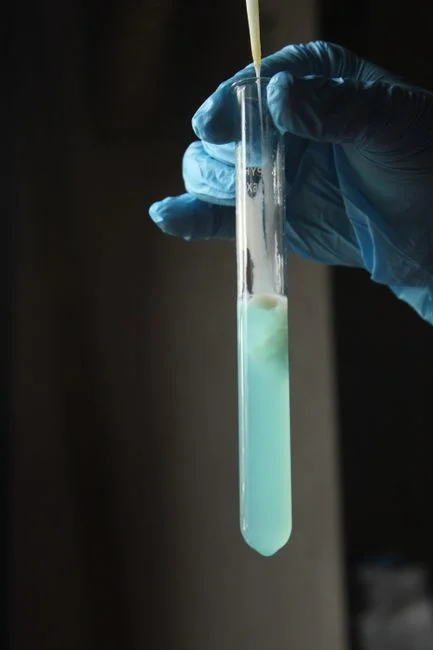
A dye-house treatment train in Ghana is built as a sequence of unit operations, each handling a different fraction of the load. The sequence below is the order in which the stream should flow.
- Headworks. A rotary mechanical bar screen removes fibrous debris, rags, lint and plastics that would rag downstream pumps and blind biological tanks. In a mill that also washes fabric, this step is not optional.
- Equalisation. A buffer tank smooths peak flows from batch dyeing and absorbs temperature spikes, typically with mixing and aeration to keep the contents aerobic and prevent hydrogen sulphide odour.
- pH and temperature correction. Acid/alkali dosing from an automatic chemical dosing skid brings pH into the band required by the next stage, plus cooling where batch discharges exceed biological tolerance.
- Coagulation, flocculation and DAF. A dissolved air flotation (DAF) system is the workhorse for suspended solids, colloidal dye and the colour load tied to those colloids. The supplied research identifies pulp and paper, food, textile, metalworking and petrochemical as established DAF application areas, which puts textile squarely inside the technology's design envelope.
- Biological treatment. Conventional activated sludge, or an MBR membrane bioreactor combining activated sludge with submerged PVDF membranes where footprint is tight or effluent quality targets are higher.
- Polishing for reuse. An ultrafiltration system in the 0.03–0.1 µm PVDF range for residual turbidity, colloids and macromolecular colour; downstream industrial RO system if the goal is reuse for dyeing or rinsing, with explicit handling of the concentrate.
- Disinfection and sludge handling. A UV sterilizer or chlorine dioxide for any reuse loop, and a plate and frame filter press for DAF and biological sludge dewatering.
| Stage | Primary removal target | Typical influent concern | Equipment class |
|---|---|---|---|
| Headworks | Rags, lint, plastics | Pump ragging, tank blinding | Rotary mechanical bar screen |
| Equalisation | Flow, temperature, pH swings | Shock loads from batch dyeing | Mixed/aerated buffer tank |
| Coagulation + DAF | Suspended solids, colloidal colour | High TSS, reactive dye residuals | Dissolved air flotation (DAF) system |
| Biological / MBR | Soluble COD/BOD, residual organics | Variable salt and COD load | Activated sludge or MBR membrane bioreactor |
| Polishing (UF, optional RO) | Turbidity, macromolecular colour, salts | Reuse targets for rinsing/dyeing | Ultrafiltration system, industrial RO system |
| Disinfection + sludge | Pathogens, biosolids volume | Reuse-loop hygiene, cake disposal | UV sterilizer, plate and frame filter press |
Containerised MBR packages are an option for sites with limited civil works; sizing logic for a similar Accra residential/camp case is laid out in our containerized MBR sizing guide for Accra, and the underlying MBR process and selection logic is covered in the MBR process and selection explainer.
Choosing Between DAF, MBR, UF and RO: A 2026 Comparison
The four unit operations most often shortlisted for a Ghanaian textile mill play different roles and should not be set against each other as alternatives — they stack. A useful trade-off looks like this:
| Technology | Role in the train | Footprint | Effluent quality | Reuse suitability | Principal risk to manage |
|---|---|---|---|---|---|
| DAF | Pre-treatment for colour, TSS, colloids | Small to medium | Removes suspended and colloidal load, not dissolved salts | Not sufficient on its own for reuse | Chemical dosing consistency; sludge handling |
| MBR | Biological step with solids retention | Compact relative to CAS | High and stable across variable dye-house loads | Good for non-contact reuse; feed for RO | Membrane fouling from reactive dye residuals; CIP chemistry |
| UF | Polishing for turbidity and macromolecular colour | Small skid | Low turbidity, low SDI | Suitable for washing, boiler-feed pretreatment | Backwash and air-scour discipline; pretreatment integrity |
| RO | Dissolved-salt and trace-organic removal | Larger, with concentrate management | Reuse-quality for dyeing/rinsing | Required for highest reuse targets | Concentrate disposal; membrane scaling from reactive dye bath salts |
DAF is the lowest-cost entry point for colour and suspended-solids reduction and is the correct first step before any biological stage. MBR delivers the highest effluent quality per unit footprint and accepts the variability of a dye-house better than a conventional activated-sludge plant. UF is the polishing step of choice when reuse water is needed for less-critical applications such as washing or boiler-feed pretreatment and RO chemistry is not justified. RO is required only when the reuse target is dyeing or rinsing and the feed has been adequately pretreated — concentrate management is the principal cost and risk driver. Because the supplied 2026 research does not contain Ghana-specific mill performance numbers, treat any supplier's generic guarantees as unverified and ask each bidder for site-specific pilot data on your wastewater.
Sizing and Spec Checklist for Ghanaian Mills
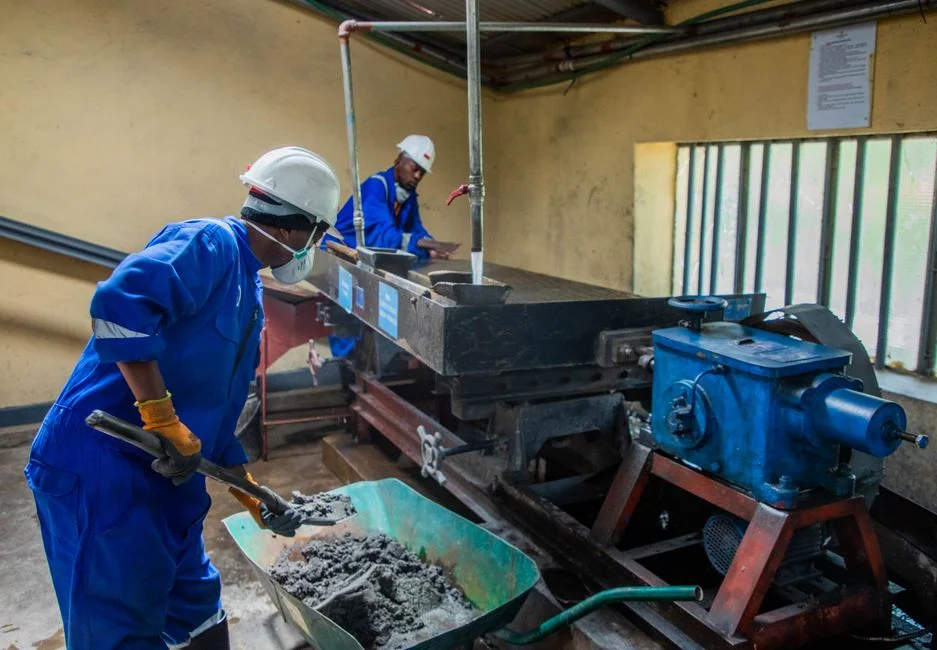
Convert the process narrative into a concrete procurement list by walking the train and writing a spec line for each step.
- Equalisation: at least 8–12 hours of hydraulic retention at average flow, with mixing and aeration to prevent anaerobic odour and to equalise pH and temperature between batch discharges.
- DAF: size on peak hourly flow with a surface overflow rate consistent with the supplier's textile references; match the chemical dosing skid to the expected alum/polymer or PAC/polyacrylamide consumption.
- MBR: confirm membrane pore size (typically 0.1 µm PVDF flat sheet or hollow fibre), MLSS range, aeration demand and footprint; verify that the design handles peak COD and salt loads from reactive dyeing.
- UF: select 0.03–0.1 µm PVDF membranes with automatic backwash and air scour, sized on net permeate and recovery; protect the membrane with the upstream DAF and a media filter.
- Disinfection: choose UV for chemical-free disinfection or chlorine dioxide where a residual is needed in the reuse loop; consider effluent temperature, lamp fouling and lamp replacement logistics under Ghanaian ambient conditions.
- Sludge: dewater DAF and biological sludge with a plate and frame filter press sized to the expected dry solids throughput; plan cake disposal in the CAPEX model so that off-site haulage is funded, not improvised.
One item that is easy to miss in a hot-climate specification is the after-cooler on the DAF air-saturation system and the cabinet ventilation on the MBR control panel. Both are small CAPEX lines that protect the plant against ambient-temperature derating, which directly hits throughput.
2026 Supplier and Compliance Checklist Before You Sign a PO
Run this short due-diligence list against any vendor before issuing a purchase order.
- Ask for a site visit or pilot on your wastewater. The supplied 2026 research does not contain Ghana mill performance data, so generic guarantees should be treated with caution. A pilot on a drum of your actual dye-house effluent is the cheapest insurance you will buy on the project.
- Confirm West African references, spares in Accra or Tema, and lead times for membrane replacements and dosing pumps. A 12-week membrane delivery from outside West Africa will idle the reuse line if the first set fouls.
- Verify the control philosophy. PLC with local HMI, remote telemetry if your plant runs unmanned outside day shift, and alarm handling for power outages common in parts of the Ghanaian grid.
- Build in operator training and a 12-month service window. The Greenpeace 2024 annex shows that informal operators in Accra already work around textile waste streams, so a well-trained in-house team is the difference between a plant that runs and a plant that is bypassed during night shift.
Two items the research does not yet support are a Ghana-specific CAPEX range and a numeric Ghana EPA limit. Both must be requested from the supplier and from the EPA regional office respectively, on a site- and permit-specific basis.
Frequently Asked Questions
What does a 2026 textile wastewater treatment plant cost in Ghana?
The supplied 20
Frequently Asked Questions
What is the best textile wastewater treatment process for a Ghanaian dye-house in 2026?
For most Ghanaian textile facilities, a multi-stage process combining coagulation-flocculation (DAF) for color removal followed by an Advanced Oxidation Process (AOP) or Fenton’s reagent is currently considered the most effective. Given the high salt and dye concentration in local effluent, this chemical-physical primary treatment ensures compliance with color discharge standards before secondary biological treatment.
In 2026, the industry standard for decentralized units involves integrating a Moving Bed Biofilm Reactor (MBBR) after primary treatment. This configuration provides the necessary resilience to handle the hydraulic fluctuations common in West African industrial parks while maintaining consistent chemical oxygen demand (COD) removal rates exceeding 85%.
How much does a textile wastewater treatment plant cost in Ghana?
Capital expenditure (CAPEX) for a textile wastewater treatment plant in Ghana typically ranges from $150,000 to $650,000 USD, depending on the daily flow capacity and the required effluent quality. Small-scale modular systems processing 50–100 m³/day fall at the lower end, while integrated turn-key plants for larger textile clusters can exceed $1 million when including sludge management infrastructure.
Operational expenditure (OPEX) should be budgeted at $0.40 to $0.95 per cubic meter of treated water. This cost is heavily influenced by the local pricing of imported chemical coagulants and the energy intensity of aeration systems required to meet Ghana Environmental Protection Agency (EPA) standards.
Do I need an MBR or is DAF enough for textile effluent in Ghana?
DAF (Dissolved Air Flotation) is sufficient only if your facility is discharging into a municipal sewer system that provides further treatment. However, DAF alone is rarely enough to meet Ghana EPA’s stringent inland surface water discharge limits, as it primarily removes suspended solids and some color but fails to significantly reduce dissolved organic pollutants or nitrogen compounds.
Membrane Bioreactor (MBR) technology is recommended if you intend to discharge into sensitive water bodies or require high-quality water for industrial reuse. While MBR carries a higher energy and membrane replacement cost, it provides a superior permeate quality compared to conventional activated sludge systems, effectively removing micro-pollutants that DAF cannot address.
What are the current Ghana EPA discharge limits for textile effluent?
The Ghana EPA mandates that industrial effluent discharged into inland surface waters must adhere to specific parameters, including a pH range of 6.0 to 9.0 and a Chemical Oxygen Demand (COD) limit of 250 mg/L. Total Suspended Solids (TSS) must be maintained below 50 mg/L, and the Oil and Grease content should not exceed 5 mg/L.
For color, the EPA requires effluent to be free of objectionable color, typically necessitating a color removal efficiency of 90% or higher for synthetic dyes. Facilities are also strictly monitored for heavy metals, with chromium levels capped at 0.1 mg/L, reflecting the standard regulatory framework for textile processing in Ghana.
Can treated textile wastewater be reused for dyeing in Ghana?
Yes, treated wastewater can be reused for dyeing, but it requires a tertiary treatment stage such as Reverse Osmosis (RO) or Nanofiltration (NF) to remove residual salts and ions. Without removing these dissolved solids, the water will negatively impact dye fixation and shade consistency in subsequent production batches.
In 2026, many Ghanaian facilities are adopting closed-loop water systems to combat rising water utility costs. By implementing a tertiary RO stage, plants can recover up to 70–80% of their process water, significantly reducing the demand on local municipal supplies or groundwater boreholes.